
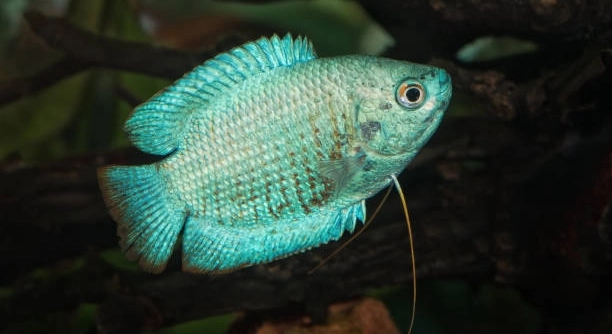
Do your gouramis seem hesitant when you try to feed them directly by hand, even after weeks of bonding and observation?
Training gouramis to take food by hand involves consistent feeding routines, gentle interaction, and rewarding behavior with familiar treats. Gradual acclimation to your presence helps build trust, encouraging them to approach and eventually feed from your hand.
Learning how to build trust with your gourami can turn feeding time into a rewarding, personal experience for both you and your fish.
Choosing the Right Food and Timing
Gouramis are curious but can be cautious eaters. Selecting food they already recognize and enjoy is the first step toward hand-feeding. Floating pellets, bloodworms, or brine shrimp often work well, as they’re easy to see and eat. Begin by feeding them at the same time each day, which helps them associate your presence with mealtime. Stick to small amounts so they stay interested without getting full too quickly. Once they’re comfortable with your hand nearby, slowly begin offering the food closer to your fingers. Keep movements gentle to avoid scaring them off, and always feed in a calm, quiet environment to reduce distractions. With time, they’ll begin to connect your hand with positive experiences. Patience is key here—rushing the process can lead to setbacks and hesitation.
Use feeding as a way to build predictability. Gouramis respond well when they know what to expect.
Observing their behavior daily will help you notice when they’re ready to try something new, like eating from your hand. It may take several attempts, but as they grow familiar with the pattern and your presence, they often begin to show interest. If they come closer during feeding times or linger near your hand, these are signs that trust is developing. When this happens, try offering food while keeping your fingers still at the surface. Repetition, consistency, and a quiet tank environment are the foundation for success. Avoid switching food types too often, as this can confuse them. With gentle effort and the right conditions, many gouramis learn to take food directly from their owner’s hand.
Building Trust Through Repetition
Repetition helps gouramis feel safe around your hand, especially during feeding.
Start by placing your hand in the water at the same time every day, even without food. Let them observe and swim around without feeling threatened. Over time, begin holding the food just above the surface and gradually lower it until your fingers are submerged. Avoid quick movements, and try not to withdraw your hand too soon—even if they don’t approach immediately. Let them explore on their own terms. This daily routine shows them that your hand means no harm and brings something positive. If they begin nibbling near your fingers, remain still and consistent. Never force the interaction. Instead, reward their curiosity by offering their favorite treat calmly. A stable tank environment, minimal loud noise, and routine tank maintenance all contribute to your success. Within a few weeks, many gouramis start to take food by hand if they associate the process with comfort and consistency.
Understanding Body Language and Reactions
Watch how your gourami moves when your hand is in the tank. If it hides, stays still, or darts away, it may be nervous. If it swims around calmly or moves closer, it’s feeling more secure.
Reading body language helps avoid mistakes. If your gourami fans its fins, swims smoothly, or hovers near your fingers, these are signs of interest or growing trust. Sudden jerks, hiding, or color changes may signal stress. Always pause and wait if they seem unsure. With time, you’ll start recognizing the patterns and adjusting how you interact. Quiet, steady behavior from you leads to better responses from them. Allow them space to retreat if they need it. This helps them feel safe enough to return. Avoid tapping on the tank or placing your hand in too abruptly. Keep everything slow and deliberate. Each positive interaction builds a stronger foundation for hand-feeding success.
Patience is important, especially with shy fish. Don’t expect immediate results. Some gouramis take longer to adjust than others. When they approach your hand on their own, don’t rush to feed them. Let them inspect and feel safe. If they retreat, stay still and try again the next day. Over time, they may begin to associate your hand with food and calm interaction. Keep track of small changes, such as closer swimming or longer hovering near your fingers. These details help you see progress. Use these observations to shape your approach. As trust builds, you can slowly offer food closer to your hand until they take it directly. Stick with it, and the behavior will likely follow.
Creating a Calm Feeding Environment
Keep the tank environment stable and quiet during feeding. Avoid loud noises, sudden movement, or other stressors near the aquarium. A peaceful space allows gouramis to stay relaxed and feel safe approaching your hand.
Clean water and proper lighting also help. A clutter-free tank with enough space lets them swim freely without feeling cornered. Stick to a regular feeding schedule, and avoid feeding at random times. Make sure other fish in the tank aren’t aggressive, as this can cause stress and make hand-feeding difficult. Try not to overfeed, as full fish are less likely to interact. When your gourami knows what to expect and feels secure in its surroundings, it’s more likely to respond positively to you. Using the same hand and motion each time helps reinforce the behavior. Create a pattern they recognize, and they’ll gradually connect you with food and comfort. A consistent environment supports their confidence and responsiveness.
Lighting matters more than people think. Soft, indirect lighting works better than harsh or flickering lights. Overhead lights that change suddenly can startle your gourami and interrupt feeding attempts. Try using the same light pattern at each feeding to make things feel familiar. Water temperature should remain steady, as changes can affect behavior. If your tank has other species, ensure they’re not competing for food too aggressively. Feeding your gourami in a corner or designated area can make them feel more in control. Some owners even use a feeding stick as a transition before introducing their fingers. Once the fish is used to the location, hand-feeding becomes easier. The more predictable the experience, the more likely they are to feel confident enough to try it.
Handling Setbacks and Frustration
If your gourami stops responding, go back a step. Let them get used to your hand again without offering food. Avoid forcing interactions—they can sense tension and may stay away if they feel unsure or rushed.
Stay calm and patient. Some days won’t go as planned. Small progress still counts. Watch for repeated patterns and adjust slowly. With consistency, they often return to previous behavior and continue improving.
Introducing Contact Gradually
When your gourami begins taking food close to your fingers, you can start lowering your hand slightly into the water during feeding. Keep your fingers still and your hand relaxed. Let the fish decide how close it wants to get. If it eats from your fingers once, don’t expect it to repeat it right away. Keep building up these moments slowly. Touch is not always necessary for hand-feeding, but some fish do eventually brush or nibble gently at your skin. Stay still and avoid sudden reactions. These early signs of contact show real trust. Continue using the same food, location, and motions to maintain consistency.
Keeping Progress Steady
Stick with what works. Repeat the same feeding method each time, especially once your gourami starts showing trust. Predictability helps maintain the behavior and encourages more interaction over time.
FAQ
How long does it take to train a gourami to eat from your hand?
It depends on the individual fish. Some gouramis may start responding within a few days, while others may take weeks or even months. The key is consistency. Feed at the same time and in the same manner each day. Watch how your gourami reacts and adjust based on its comfort. It’s normal for progress to come in small steps, and there may be days when it seems like nothing has changed. That’s all part of the process. Keep your expectations realistic and focus on building trust over time.
Can I train multiple gouramis at the same time?
Yes, but it may be more challenging. Some fish are bolder than others and might dominate the space near your hand. Others may stay back and take longer to build confidence. If one gourami is more aggressive, it could discourage the others. To help with this, try feeding in separate areas or using a barrier to give each fish a chance to interact with you without pressure. You may also want to work with the calmer or more curious fish first. This often encourages the others to follow over time.
What food works best for hand-feeding?
Use something that floats, smells strong, and is easy to hold. Bloodworms, brine shrimp, or small sinking pellets work well. Freeze-dried options are especially good because they don’t break apart in your fingers. Test a few types to see which one your gourami prefers. Once they start associating your hand with that treat, they’ll become more eager to approach. Stick with the same food during training, then gradually offer a variety once the behavior becomes regular.
Should I always wash my hands before feeding?
Yes, always rinse your hands thoroughly before placing them in the tank. Avoid soaps or lotions, as even small traces can harm your fish. If you’ve used any chemicals or handled strong-smelling food, make sure your hands are completely clean. It’s also good to rinse them with tank water right before feeding to reduce any scent or temperature difference. This small step protects your gourami’s health and helps keep the water clean.
What signs show that my gourami is becoming comfortable with hand-feeding?
You’ll notice your gourami staying close when your hand enters the tank. It may hover nearby, swim around your fingers, or gently nibble the water near your skin. These are strong signs of curiosity and growing comfort. When it starts eating food that’s held in or near your fingers, you’re making good progress. Over time, it may even begin to wait for your hand at feeding time, showing that it trusts your presence and associates it with food.
Can I still feed by hand if my gourami lives with other fish?
Yes, but keep an eye on tank dynamics. If other fish are aggressive or greedy, they might interfere. Consider feeding your gourami in a specific spot while distracting the others with food on the opposite side. This can create a clear space for focused interaction. Be patient—your gourami may need extra time to approach your hand if it’s used to competition. Once it feels safe, it will likely begin responding to you more regularly.
What if my gourami never learns to eat from my hand?
That’s okay. Some fish remain shy even with gentle training. The goal isn’t to force the behavior but to offer a calm, positive experience. If your gourami eats nearby or shows curiosity, that’s still meaningful progress. Not all fish will take food directly from your fingers, but building any level of trust is a sign of good care. Keep up the routine, and even if direct hand-feeding doesn’t happen, your fish will still benefit from the bond you’ve built.
Is it safe for gouramis to nibble on my fingers?
Yes, it’s safe. Their nibbles are usually light and exploratory. Gouramis don’t have strong biting force, so you’re unlikely to feel anything more than a slight tickle. If it becomes too much or uncomfortable, simply pull your hand away gently and resume later. Make sure your hands are always clean and free from lotions or chemicals to keep both you and the fish safe during any physical contact.
Why does my gourami sometimes lose interest during feeding?
It may already be full, distracted by something in the environment, or stressed. Check for changes in tank conditions—temperature shifts, lighting changes, or aggressive tankmates can all affect feeding behavior. If your gourami skips a session, don’t worry. Resume the next day, keeping everything calm and consistent. Patterns of trust build over time, even if they pause occasionally.
Final Thoughts
Training a gourami to take food by hand can be a slow process, but it often becomes one of the most rewarding parts of keeping fish. It encourages trust between you and your gourami and gives you a closer look at its personality. Not every fish will respond the same way, and that’s completely normal. Some gouramis may be more open to the experience, while others may always remain a bit distant. What matters most is that you approach each session with patience, and give your fish the space to move at its own pace. Even small signs of progress, like swimming closer during feeding time or staying near your hand longer than before, are worth noticing.
Hand-feeding isn’t just about the food itself—it’s about consistency, routine, and the small interactions that build over time. Using the same feeding spot, sticking to a schedule, and keeping your movements slow all help your gourami feel more comfortable. Over time, your fish may begin to associate your presence with safety and food. This can even reduce stress and improve its overall behavior in the tank. It’s also a good way to monitor your fish’s health and appetite more closely. When your hand is in the water and your gourami is responding, it becomes easier to catch early signs of illness or stress.
Even if your gourami never fully accepts food from your fingers, the training process still adds value to your routine. It helps build a more interactive experience and strengthens the relationship between you and your pet. The calm and steady approach used in hand-feeding often carries over into other aspects of fishkeeping, encouraging you to be more mindful of how your actions affect your tank. Whether your gourami ends up taking food directly from your hand or simply learns to stay close during feeding, you’re still creating a peaceful, trusting environment. That in itself is a success.

Hello,
If you enjoy the content that we create, please consider saying a "Thank You!" by leaving a tip.
Every little bit helps us continue crafting quality advice that supports the health, happiness, and well-being of pets around the world, for pets of all shapes, sizes, and species.
We really appreciate the kindness and support that you show us!