
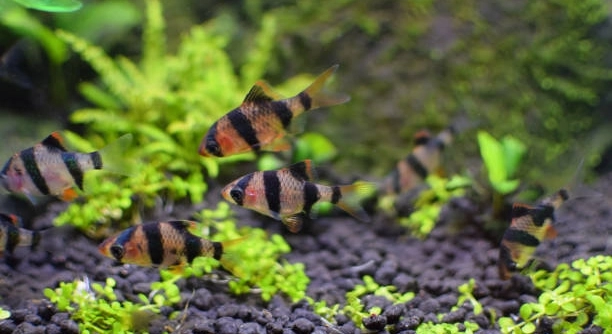
Caring for tiger barbs means paying close attention to their social needs and behaviors. These colorful fish thrive best when they have companions. Recognizing signs of loneliness can help you keep your fish happy and healthy in their tank environment.
Tiger barbs show signs of loneliness by isolating themselves, reduced activity, and lack of interaction with other fish. Loneliness can lead to stress, impacting their immune system and overall health, making social grouping essential for their well-being.
Knowing how to spot these behaviors early will help you create a better home for your tiger barbs and support their natural social instincts.
Signs That Your Tiger Barb Is Feeling Lonely
When a tiger barb feels lonely, its behavior changes noticeably. It may swim alone in a corner or stay still at the bottom of the tank instead of joining other fish. Normally active and curious, a lonely tiger barb tends to lose interest in exploring its environment. It may also stop chasing food as eagerly as before. These fish are naturally social and like to swim in groups, so when left alone or in too small a group, their mood shifts. Color fading can also occur, showing a lack of vitality. If you notice your tiger barb hiding more often or acting sluggish, loneliness might be the cause. These signs are important to watch for because lonely fish are more prone to illness and stress. Paying attention to their social habits helps ensure they remain healthy and active.
Lonely tiger barbs often show dull colors and reduced activity, signaling stress and discomfort. Early recognition is key to improving their quality of life.
Understanding these behaviors helps you take quick action. Adding more tiger barbs or compatible fish can encourage natural schooling. Creating a lively environment with plants and hiding spots also reduces stress. Observing your fish regularly will help you notice changes before problems grow serious. Loneliness is preventable, and with a few adjustments, your tiger barbs can regain their energy and happiness. Keeping them in proper social groups supports their natural instincts and overall health.
How to Prevent Loneliness in Tiger Barbs
Keeping tiger barbs in groups of at least six is essential. This number helps them feel safe and promotes natural behavior.
Providing enough space and hiding spots also reduces stress and prevents aggression. A well-decorated tank mimics their natural habitat, making them more comfortable. It is important to avoid overcrowding, which can cause fights. Balanced lighting and clean water contribute to their well-being. Regular feeding and consistent tank maintenance play a big role, too. By understanding their social nature, you can create a peaceful environment. This care prevents loneliness and keeps your tiger barbs active and vibrant for a long time.
Creating a Social Environment for Tiger Barbs
Tiger barbs naturally live in groups, so keeping them together is crucial. A group of six or more helps them feel secure and reduces stress. This social environment allows them to display natural schooling behavior, making them more active and less aggressive.
Providing enough space in the tank is important for their comfort. Crowding leads to stress and fights, so a larger tank with plenty of swimming room works best. Adding plants and decorations gives them places to hide, which can help shy or stressed fish feel safe. This balance between open space and hiding spots supports their natural habits and encourages social interaction within the group.
Keeping water conditions stable is also part of creating a good environment. Clean water with proper temperature and filtration keeps them healthy and active. Regular checks prevent illness and stress, which can worsen loneliness. A well-maintained tank shows in the fish’s bright colors and lively behavior.
Monitoring Your Tiger Barb’s Behavior
Observing your tiger barbs daily helps catch loneliness signs early. Watch for changes in swimming patterns, color, and interaction with others.
When a fish isolates itself or acts less lively, it might be lonely or stressed. These changes can indicate a need for more companions or a better tank setup. Sometimes, aggression between fish signals that the group size or environment needs adjustment. Keeping track of their eating habits is helpful, too. A lonely or stressed tiger barb may eat less or refuse food. Regular observation allows you to make changes before problems grow serious. This attention keeps your fish healthier and happier, improving their overall well-being in your care.
Adjusting Tank Conditions to Reduce Loneliness
Temperature and water quality affect tiger barbs’ mood. Keep the water between 74°F and 79°F for optimal comfort.
Stable pH levels around 6.5 to 7.0 also help reduce stress. Frequent water changes maintain a healthy environment for your fish.
Introducing New Tank Mates Carefully
Adding new fish can improve social interaction but must be done slowly. Introduce newcomers gradually to avoid stress or aggression. Watch how your tiger barbs respond and separate if fights occur. Choose peaceful species that coexist well with tiger barbs to keep the tank balanced and calm.
Signs Aggression May Be Linked to Loneliness
Aggression often increases when tiger barbs feel lonely or stressed. This behavior signals a need for a better social setup or more space.
FAQ
How many tiger barbs should I keep together?
Tiger barbs are social fish and should be kept in groups of at least six. Smaller groups often lead to loneliness and increased aggression. A group of six or more encourages natural schooling behavior, reduces stress, and keeps them active and healthy.
Can a single tiger barb survive alone?
While a single tiger barb can survive, it will often become stressed and show signs of loneliness. This can weaken its immune system and lead to health problems. For their well-being, it’s best to keep them in a proper group size.
What are clear signs of loneliness in tiger barbs?
Lonely tiger barbs tend to isolate themselves from others, swim slowly or stay hidden, and lose their vibrant colors. They may also eat less and show reduced activity. These signs often mean the fish needs more social interaction or a better tank environment.
How do I introduce new tiger barbs to an existing group?
Introduce new tiger barbs slowly by placing them in a separate tank or a breeder box first. This allows your current fish to get used to the newcomer’s presence without direct contact. After a few days, carefully add the new fish to the main tank, watching closely for signs of aggression.
What tank size is ideal for a group of tiger barbs?
A tank of at least 30 gallons is recommended for a group of six or more tiger barbs. This size provides enough swimming space and reduces territorial behavior. Larger tanks offer more stability in water quality, which benefits their health and social interactions.
Can loneliness cause illness in tiger barbs?
Yes, loneliness leads to stress, which weakens the immune system and makes tiger barbs more vulnerable to diseases like fin rot or ich. Maintaining social groups and a clean environment helps prevent stress-related illnesses.
What should I do if my tiger barbs are aggressive?
Aggression can be a sign of loneliness or overcrowding. Check if the group size is appropriate and if the tank is large enough. Adding more hiding places and decorations can reduce conflicts. If aggression continues, consider adjusting the group or consulting a specialist.
Are there other fish that tiger barbs get along with?
Tiger barbs can coexist with other peaceful, similarly sized fish like danios, rasboras, or certain tetras. Avoid slow-moving or long-finned fish, as tiger barbs may nip their fins. Always monitor interactions when introducing new species.
How often should I check on my tiger barbs’ behavior?
Daily observation is best to notice any changes early. Watching their swimming, eating, and social interaction helps identify stress or loneliness before it affects their health. Small adjustments can be made promptly when you keep a close eye on them.
Can changes in tank setup reduce loneliness?
Yes, adding plants, rocks, and hiding spots makes the environment more natural and comfortable. It encourages exploration and reduces stress. Providing a well-balanced, stimulating environment supports social behaviors and helps prevent loneliness.
Tiger barbs are naturally social fish that need the company of others to stay healthy and happy. Keeping them alone or in very small groups can cause loneliness, which affects their behavior and health. By paying attention to how your tiger barbs act and interact, you can tell when one is feeling lonely. Signs like hiding, reduced activity, and dull colors show that your fish might need a better social setup or a more comfortable environment. Understanding these signs is important for giving your tiger barbs the best care possible.
Creating the right environment for tiger barbs involves more than just keeping the right number of fish together. Tank size, decorations, and water quality also play a big role in their well-being. A larger tank with enough space to swim, along with plants and hiding spots, helps reduce stress and encourages natural behavior. Stable water conditions and regular maintenance keep them healthy and active. Taking these steps helps prevent loneliness and promotes a peaceful tank where tiger barbs can thrive.
Watching your tiger barbs regularly and making small changes when needed can make a big difference. Adding new fish slowly and choosing compatible tank mates will improve social interaction and reduce aggression. Loneliness can be avoided by understanding their social needs and keeping their environment balanced. When you create a supportive home for your tiger barbs, they show brighter colors and more lively behavior, making the tank enjoyable to watch and easier to maintain. Your attention and care help ensure your fish stay healthy and happy for a long time.

Hello,
If you enjoy the content that we create, please consider saying a "Thank You!" by leaving a tip.
Every little bit helps us continue crafting quality advice that supports the health, happiness, and well-being of pets around the world, for pets of all shapes, sizes, and species.
We really appreciate the kindness and support that you show us!