
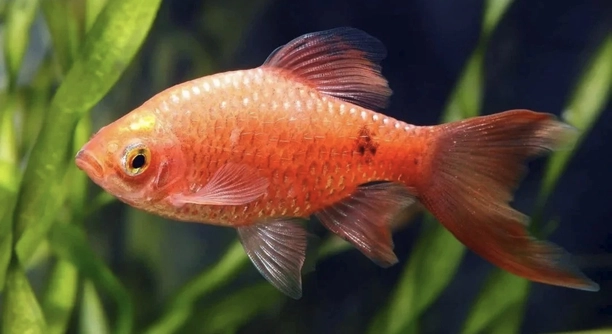
Rosy barbs are popular freshwater fish admired for their bright colors and active behavior. Many fishkeepers enjoy adding them to their aquariums but often find it tricky to tell males from females at first glance. Learning to identify their differences can make caring for them easier.
Male and female rosy barbs differ mainly in body shape and coloration. Males are usually slimmer with more intense red or orange hues, especially during breeding. Females tend to be rounder and paler, with a fuller body shape due to egg development.
Recognizing these simple traits helps improve aquarium management and breeding success with rosy barbs. Understanding their differences supports better care and a more enjoyable fishkeeping experience.
Key Physical Differences Between Male and Female Rosy Barbs
Male rosy barbs tend to have slimmer bodies with sharper, more vibrant colors, especially bright reds and oranges on their fins and bodies. During breeding seasons, these colors become even more pronounced. In contrast, female rosy barbs generally have rounder, fuller bodies. Their colors are usually softer, often showing pale pink or light orange shades. Females’ abdomen may appear slightly swollen due to egg development. Another difference is the size of the fins; males often have slightly longer and more pointed fins compared to females, whose fins are shorter and rounder. Observing their behavior can also help; males are usually more active and chase females when ready to breed. These traits become clearer as the fish mature, so age affects how obvious the differences appear. Checking these physical signs regularly will improve identification and care in your aquarium.
Knowing these differences helps in planning breeding and maintaining a healthy aquarium environment for your rosy barbs.
Visual clues are the easiest way to tell males from females, but behavior provides helpful confirmation.
Behavior Differences Between Male and Female Rosy Barbs
Males typically display more aggressive and territorial behavior, especially when breeding. They chase females and sometimes other males to establish dominance. Females are usually calmer and less aggressive but can become more active when ready to spawn. During courtship, males perform elaborate swimming patterns, showing off their bright colors to attract females. Females respond by allowing the male to swim alongside or nudge them gently. Outside of breeding periods, both sexes often swim together peacefully, but males remain more lively overall. Understanding these behavior patterns can prevent stress caused by overcrowding or dominance disputes in the tank. Keeping an appropriate male-to-female ratio, often two or three females per male, helps maintain balance and reduces aggression. Observing how your rosy barbs interact provides insight into their sex and breeding readiness. This knowledge supports healthier social dynamics and better breeding outcomes.
Color Variations in Male and Female Rosy Barbs
Males show brighter, more intense colors than females, especially during spawning. Their fins often have a deeper red or orange tone, while females remain paler and less vivid. This difference is one of the easiest ways to tell them apart.
Color intensity in males is linked to their health and breeding condition. When males are healthy and ready to mate, their reds and oranges deepen, becoming more noticeable. Females do not exhibit such bright colors because they need to stay less visible to avoid predators, especially when carrying eggs. Lighting and tank conditions also affect how vivid these colors appear. A well-maintained aquarium with proper lighting will highlight males’ vibrant hues better than a dim or crowded tank.
The color differences become clearer as the fish age. Young rosy barbs often look very similar until they reach maturity. Watching for changes over time can help identify males and females more accurately.
Tips for Sexing Rosy Barbs in Your Aquarium
Use multiple signs to confirm the sex of your rosy barbs for better accuracy. Color, body shape, and behavior together provide a clearer picture than any single trait alone. Observing your fish over several weeks will reveal these differences as they become more obvious.
Keep an eye on body shape changes, especially the roundness of the female’s abdomen. Also, notice how males display brighter colors and more active swimming patterns. If you want to encourage breeding, maintain the right ratio of females to males, usually about two or three females per male. This helps reduce stress and aggressive chasing. Proper diet and tank conditions support healthy coloration and behavior, making it easier to distinguish males from females. Consistent observation helps you become confident in sexing your rosy barbs accurately.
Fin Shape Differences
Males usually have longer, more pointed dorsal and anal fins. Their fins often show brighter coloration and sharper edges. Females’ fins tend to be shorter, rounder, and less colorful, making this a reliable visual clue when comparing fish side by side.
During breeding, males may flare their fins to attract females or intimidate rivals. This display highlights the fin shape difference more clearly, helping with identification. Females rarely show this behavior, keeping their fins close to their bodies.
Breeding Behavior to Watch
Males actively chase and nudge females during spawning times. They perform quick, darting movements and flare their fins to show readiness. Females respond by allowing males to swim alongside or release eggs.
Tank Setup Tips for Rosy Barbs
Providing enough space and hiding spots reduces stress and aggression during breeding. Plants and decorations help females escape persistent males.
When Differences Are Hard to Spot
Young rosy barbs and non-breeding adults may look very similar, making sexing difficult. Patience and regular observation improve accuracy.
How can I tell if my rosy barb is male or female without disturbing them?
Observing your rosy barbs quietly is the best way to identify their sex. Watch their body shape and color from a distance. Males show slimmer bodies and more vivid red or orange shades, especially on their fins. Females appear rounder and paler. Notice fin shape—males have longer, pointed fins. Behavior also helps: males swim actively and chase females during breeding periods. Avoid handling or moving the fish as it causes stress and can mask natural behavior.
At what age do rosy barbs show clear sex differences?
Sex differences in rosy barbs become noticeable once they reach maturity, usually around six to eight months old. Younger fish look very similar regardless of sex. As they grow, males develop brighter colors, slimmer bodies, and longer fins. Females gradually take on a fuller, rounder abdomen as they prepare to spawn. Patience is key—regular observation over several weeks or months will help confirm their sex more confidently.
Can diet affect the color differences between male and female rosy barbs?
Yes, diet influences color intensity in both males and females. A nutritious, well-balanced diet rich in carotenoids and natural pigments enhances reds and oranges in males. Females also benefit from good nutrition, though their colors remain softer. Feeding high-quality flakes, pellets, and occasional live or frozen foods supports overall health and coloration. Poor diet can dull colors, making sexing more difficult.
Is it possible for female rosy barbs to look like males during breeding?
Sometimes, females may develop slightly deeper colors when ready to spawn, but they rarely reach the intensity seen in males. Their body shape remains rounder, which helps distinguish them. Bright fin colors and pointed fin shapes typical of males are not present in females, even during breeding. Behavior can also clarify; males actively chase and display, while females respond passively.
What is the best male-to-female ratio for keeping rosy barbs?
A recommended ratio is two or three females for every male. This balance helps reduce male aggression and excessive chasing, which can stress females. Too many males can cause constant fighting, while too few males reduce breeding chances. Maintaining this ratio supports healthy social behavior and a calmer tank environment.
Can lighting affect how I see color differences in rosy barbs?
Lighting plays an important role in color perception. Bright, natural or full-spectrum aquarium lighting enhances the vivid reds and oranges of males, making sex differences clearer. Dim or inadequate lighting can dull colors and hide subtle details. Position lights to avoid glare and provide even coverage. Regular lighting schedules also help maintain fish health and coloration.
Do rosy barbs change sex or color over time?
Rosy barbs do not change sex naturally. Their sex is determined genetically. Color changes occur mainly due to health, breeding condition, or stress. Males brighten during spawning and may fade if unwell. Females’ colors remain more stable but can vary slightly. Consistent care and good tank conditions maintain natural coloration.
What behavior should I expect from males and females during breeding?
Males become more active, chasing and nudging females to encourage spawning. They flare fins and show off brighter colors to attract mates. Females respond by allowing males to swim close and releasing eggs. Outside breeding times, activity is calmer. Understanding these behaviors helps in managing tank dynamics and identifying sex.
How can I reduce stress while trying to sex my rosy barbs?
Minimize handling and sudden changes in the tank environment. Observe fish during normal activity, preferably with indirect light and quiet surroundings. Avoid overcrowding and maintain water quality to reduce stress. Providing plants and hiding places allows fish to feel secure, showing more natural behavior useful for sex identification.
Are there any physical signs that indicate a female is ready to spawn?
A rounder, fuller abdomen is the main sign a female is carrying eggs. Her colors remain soft but may brighten slightly. She may swim less actively and hide more often. Observing these signs alongside male behaviors can indicate when breeding is about to occur. Proper tank conditions and diet support this phase.
Understanding how to tell male and female rosy barbs apart can make a big difference in caring for them properly. Recognizing the key physical traits, such as body shape, coloration, and fin differences, helps fishkeepers identify the sexes without causing stress to the fish. Males are usually slimmer with brighter red or orange colors, especially during breeding, while females tend to be rounder and paler. These differences become more noticeable as the fish mature. Observing behavior also provides useful clues, with males being more active and displaying courtship actions like chasing and fin flaring. Knowing these basics allows for better tank management and improves the chances of successful breeding.
It is important to keep in mind that rosy barbs are social fish and require proper space and a good environment to thrive. Maintaining an appropriate male-to-female ratio, generally two or three females for every male, helps reduce aggressive behavior and stress. Providing hiding places and ensuring a balanced diet also supports the health and color vibrancy of the fish. Lighting can impact how clearly the colors and differences appear, so a well-lit tank is beneficial. Patience is necessary, as sex differences may not be obvious in young or non-breeding fish. Regular, calm observation over time will help you gain confidence in identifying males and females correctly.
Overall, being able to distinguish male from female rosy barbs is a useful skill for any aquarium keeper. It supports better care, reduces conflict in the tank, and allows for breeding when desired. Taking the time to learn and observe these differences contributes to a healthier and more harmonious aquarium. By paying attention to body shape, color, fin characteristics, and behavior, you can better meet the needs of your rosy barbs and enjoy watching them thrive.

Hello,
If you enjoy the content that we create, please consider saying a "Thank You!" by leaving a tip.
Every little bit helps us continue crafting quality advice that supports the health, happiness, and well-being of pets around the world, for pets of all shapes, sizes, and species.
We really appreciate the kindness and support that you show us!