
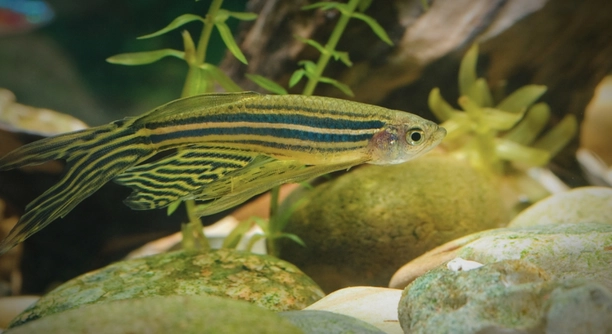
Zebra Danios are small, active fish commonly kept in home aquariums. They are known for their playful nature and vibrant colors. Many aquarium owners are curious about how to tell if these fish are pairing up.
Zebra Danios typically form pairs when they are ready to mate. Signs of pairing include increased swimming together, chasing each other, and one fish following the other closely. This behavior is often a signal of courtship.
Observing these behaviors can help you understand your Danios’ mating patterns. By watching closely, you can identify the key signs of pairing and ensure their environment supports their natural instincts.
Understanding Zebra Danio Behavior
Zebra Danios are lively fish, and their behavior often changes when they are ready to pair up. During mating season, they display unique actions such as increased swimming together, chasing each other, and even darting around the tank. These behaviors are natural and signify that they may be preparing for courtship. You may also notice the male chasing the female or nudging her side, signaling his interest. If you’re observing these interactions, it’s likely that your Danios are forming a pair.
In addition to the swimming patterns, another sign to watch for is the male attempting to display his vibrancy more than usual. He may swim faster and more erratically, making his stripes more visible to attract the female. This behavior is typical as he tries to impress her. By observing these actions, you can understand when they are entering the mating stage.
If the pair seems to form a bond, you might also notice them resting near each other or swimming in close proximity. These close interactions show that they are building trust and may soon begin mating. Keeping an eye on these small changes in behavior will help you identify when your Danios are truly pairing up.
Tank Conditions for Pairing
Tank conditions can affect how Zebra Danios pair up. Having the right water temperature, pH levels, and space for swimming is crucial to encouraging pairing behavior.
Danios generally prefer temperatures between 72°F and 78°F, and slightly acidic to neutral water conditions. If your tank’s environment is unstable or poor, it can discourage the fish from pairing up. Be sure to maintain consistent conditions in your aquarium to give your Danios the best chance to mate. Regular water changes, a proper filtration system, and a peaceful environment all contribute to their comfort and mating readiness.
Male and Female Differences
Male and female Zebra Danios can be distinguished by their size and coloring. Males are typically slimmer and have more vibrant, bright blue stripes. In contrast, females are slightly larger, with more subdued coloring. The female’s body is often rounder, especially when carrying eggs. These differences become more pronounced during mating season when males are actively courting females.
If you want to encourage pairing, having a good male-to-female ratio is important. It’s best to keep multiple males with a single female. This increases competition among the males and may encourage more active courting behaviors. However, too many males in a tank can cause stress, so it’s important to strike the right balance.
As you observe the males’ behavior, you may notice that they will often display their best colors to attract the female. While the males are actively seeking attention, the females are more passive. It’s essential to keep this in mind when trying to identify potential pairings. Understanding these traits can help you better care for and observe your Danios as they prepare for reproduction.
Signs of Mating Behavior
When Zebra Danios are ready to mate, you will notice their behavior shifts. The males will actively chase the females, darting through the tank, trying to get her attention. This is a clear sign they are entering a mating phase. The males’ movements become faster and more exaggerated during this time.
During the courtship, the males might even nudge or push the females toward areas where they can spawn. The female will typically swim slower, allowing the male to lead her to suitable spots in the tank. This behavior is often seen near plants or other places where eggs can be safely laid. Mating pairs usually develop a rhythm, with the male following closely behind the female and displaying more vivid colors to entice her.
The males will also swim near the bottom of the tank, where they encourage the female to deposit eggs. Afterward, the male will fertilize them. If this process is successful, you will begin to notice the female’s body becoming visibly rounder as she carries eggs.
Preparing Your Tank for Mating
Creating the ideal environment for Zebra Danios to pair up requires certain adjustments. Providing plenty of plants and hiding spots in the tank can encourage the fish to feel secure. This setup gives the female areas to lay eggs and helps the males feel comfortable enough to court her.
It is essential to keep your water conditions optimal. Ensure that the water is clean and at the proper temperature, around 74°F to 78°F. Zebra Danios prefer slightly acidic to neutral water, so maintaining a pH level of 6.5 to 7.0 will encourage their natural behaviors. Stability is key; any drastic changes in the environment can disrupt the pairing process.
Lighting also plays a role in their behavior. Dim lighting can make the fish feel more comfortable and likely to pair up, as bright light may make them feel exposed and stressed. So, managing tank conditions carefully will help create the right atmosphere for your Danios to successfully pair and spawn.
Observing Courtship Behavior
Zebra Danios display specific courtship behaviors when pairing up. The males will swim in tight circles around the female, often flashing their bright stripes. These movements are designed to grab her attention and encourage her to mate. You’ll notice the males being more active during this time.
At this stage, the males’ behavior becomes more intense, with them chasing the female in quick, erratic bursts. The males might also swim alongside the female for extended periods. During these courtship displays, their colors become much more vivid. This is a sign that the males are eager to attract the female’s attention.
Once the courtship behavior is established, the male and female will often swim near plants or surfaces where eggs can be deposited. This is typically the point where the spawning process begins, and the female starts to release eggs.
Gender Identification in Zebra Danios
Identifying the gender of Zebra Danios is quite simple. Males are smaller, slimmer, and have more intense blue stripes. Females are larger and rounder, especially when carrying eggs. The difference in size and coloration becomes clearer during the breeding season.
Males will actively pursue the females, showing off their vibrant markings. Females may appear less colorful, and their body shape changes when they’re ready to spawn. By observing their behavior, it becomes easy to tell which fish is which.
Pairing and Spawning
When Zebra Danios successfully pair up, they will typically spawn near the substrate. The female will lay her eggs, and the male will quickly fertilize them. The whole process can happen in a matter of hours. It’s a fast, efficient process where both fish work in tandem.
To encourage successful spawning, make sure the tank has a stable environment. With the right conditions, the pair will reproduce naturally. Keep an eye out for the female’s rounder shape and the male’s more intense display of colors as these are clear indicators they are ready to spawn.
FAQ
How can I tell if my Zebra Danios are ready to mate?
Zebra Danios become more active when they are ready to mate. Males start displaying vivid colors and chase females around the tank. They swim in tight circles around the female and nudge her toward areas where they can spawn. You’ll notice the males becoming more energetic, darting around and showing off their vibrant stripes. This behavior, combined with the female becoming rounder due to carrying eggs, is a clear sign they are ready to mate.
Do Zebra Danios need special care to breed?
Zebra Danios do not require complex care to breed, but maintaining stable water conditions is essential. They need clean, slightly acidic water with a pH level between 6.5 and 7.0. The temperature should be kept between 72°F and 78°F to encourage mating. Also, ensure that your tank has plenty of plants and hiding spots for the female to feel secure when laying eggs. Healthy tank conditions help foster a successful breeding environment.
Can I breed Zebra Danios in a community tank?
Yes, you can breed Zebra Danios in a community tank, but there are a few things to keep in mind. Zebra Danios are peaceful fish, so they can coexist with other species. However, other fish may eat the eggs if given the chance. To prevent this, it’s a good idea to add a breeding net or separate the breeding pair into a smaller tank during the spawning period. Providing plenty of plants for the eggs to settle will also improve the chances of successful hatching.
How do I separate the breeding pair?
If you want to separate the breeding pair for a more controlled breeding environment, you can either use a breeding box or move the pair to a separate tank for a short period. A breeding box is a small container that can be placed inside the main tank, where the pair can mate without interference. If using a separate tank, make sure the water conditions match the ones in the main tank, and provide hiding places for the female to feel comfortable when laying eggs.
How long does it take for Zebra Danio eggs to hatch?
Zebra Danio eggs typically hatch within 2 to 3 days after fertilization, depending on the water temperature. Warmer water speeds up the process, while cooler temperatures can delay it. Once the eggs hatch, the baby Danios, called fry, will swim freely around the tank. At this point, you can begin feeding them special baby fish food, usually in the form of infusoria or powdered fish flakes.
What should I do after the eggs are fertilized?
Once the eggs are fertilized, it’s best to remove the adult Danios from the tank. If you leave them in, they might eat the eggs. After removing the adults, let the eggs incubate in the same tank, ensuring that the water conditions remain stable. Check the eggs regularly, and keep the tank dark to prevent stress. When the eggs hatch, provide ample space and food for the fry, as they are tiny and need to feed frequently.
What do I feed Zebra Danio fry?
Zebra Danio fry are small and need specialized food to grow strong. Start feeding them with infusoria, which are tiny microorganisms, or use powdered fish flakes that dissolve easily in water. As the fry grow, you can begin offering finely crushed flakes and eventually graduate to regular fish food. Be sure to feed them in small amounts to avoid water contamination. Frequent feedings, up to three times a day, will help them grow fast.
Can Zebra Danios breed more than once?
Yes, Zebra Danios can breed multiple times. They typically spawn every few days when kept in the right conditions. If you have a breeding pair, they might continue to mate and lay eggs as long as they are healthy and the tank conditions are stable. Zebra Danios are known for being prolific breeders, so you may see them laying eggs every week if the environment is ideal.
How often do Zebra Danios lay eggs?
Zebra Danios can lay eggs multiple times a week when they are in good condition and the water temperature is ideal. After each successful spawning, they may rest for a few days before mating again. If you’re breeding them, it’s important to keep the tank clean to support the frequent spawning. Regular water changes will ensure that the fish remain healthy and continue to breed successfully.
Do Zebra Danios need a mate to reproduce?
Yes, Zebra Danios do need a mate to reproduce. Males and females will pair up during breeding. The males court the females by swimming rapidly around them and flashing their vibrant blue stripes. Once the female is ready, she will release eggs, which the male fertilizes. Zebra Danios are egg-scatterers, meaning they lay their eggs in different spots in the tank, and the male fertilizes them externally.
Can Zebra Danios breed with other fish?
No, Zebra Danios will not breed with other fish species. They can only breed with other Zebra Danios. Even though they are peaceful and may interact with other species in the tank, they will only mate with members of their own kind. This ensures that the eggs are fertile and that the fry will grow up to be healthy Danios.
What are some common breeding mistakes to avoid?
One common mistake is not maintaining stable water conditions. Zebra Danios need clean water with a specific pH level and temperature range. Sudden changes in the tank’s environment can stress the fish and prevent successful breeding. Another mistake is not separating the adults from the eggs after fertilization, which can result in the adults eating the eggs. Make sure to have plenty of hiding spots for the eggs to improve the chances of hatching. Regular maintenance of the tank and careful observation of the breeding process will help ensure success.
Final Thoughts
Breeding Zebra Danios can be a rewarding experience if you provide the right environment and care. These fish are active, colorful, and relatively easy to breed, making them a popular choice for many aquarium owners. Their behavior during courtship and spawning is a natural part of their life cycle. Understanding the signs of mating, the proper tank conditions, and how to care for the fry will help you successfully raise a new generation of Danios.
Maintaining stable water conditions is crucial throughout the entire breeding process. Danios need clean, slightly acidic water with a temperature range of 72°F to 78°F. A tank with plenty of plants and hiding spots will give the fish a sense of security, especially for the female when she is ready to lay eggs. Keeping the tank clean and performing regular water changes will ensure that the fish remain healthy and the breeding process goes smoothly. Also, keep an eye on the behavior of your Danios. If you see males chasing females or displaying vivid colors, it’s a sign that they are ready to pair up.
Lastly, while breeding Zebra Danios is relatively straightforward, it requires attention to detail. From ensuring the correct water parameters to watching for signs of pairing, you’ll need to be observant. Once the eggs are laid and fertilized, the fry will need special care, including the right food and a safe environment to grow in. With patience and the right approach, you can enjoy the excitement of watching your Zebra Danios reproduce and thrive in your aquarium.

Hello,
If you enjoy the content that we create, please consider saying a "Thank You!" by leaving a tip.
Every little bit helps us continue crafting quality advice that supports the health, happiness, and well-being of pets around the world, for pets of all shapes, sizes, and species.
We really appreciate the kindness and support that you show us!