
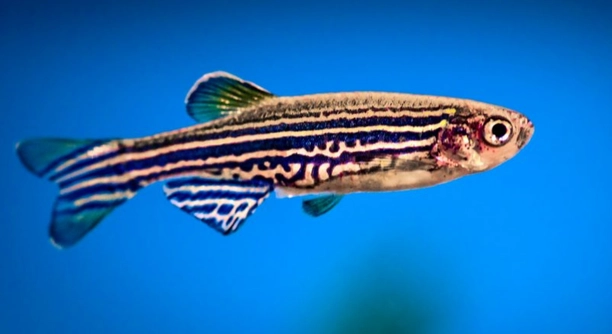
Zebra Danios are popular aquarium fish known for their vibrant colors and playful nature. If you’re an aquarium enthusiast, you might find yourself wondering whether your Zebra Danios are mating. Here’s how to spot the signs.
Zebra Danios show clear mating behavior when the male chases the female, displaying rapid movements and quick turns. The female’s abdomen may appear swollen, and the male often nudges her abdomen to stimulate egg release.
Understanding these signs will help you confirm whether your Zebra Danios are breeding. Knowing what to look for can also help ensure their well-being and allow you to provide the proper environment for their breeding process.
Recognizing Mating Behavior in Zebra Danios
Zebra Danios often display noticeable changes in behavior when they are mating. Males are typically more active, swimming quickly and energetically around the females. During this time, they may chase the females around the tank, often performing sudden turns or darting movements. This behavior can be observed during the breeding season or when they feel the environment is suitable for reproduction.
The male will also nudge the female, often around her abdomen, to encourage the release of eggs. The male’s efforts might look like playful or chasing behavior, but it’s actually a crucial part of the mating ritual. The female, on the other hand, may appear less active, focusing more on finding a safe spot to release her eggs. When this interaction happens, the males will fertilize the eggs immediately.
Being familiar with these behaviors can help you monitor your Danios and decide if any special care is needed. Watching for these signs will also let you know when it’s time to separate them if you’re trying to breed them or protect the eggs.
Female Zebra Danios and Egg Laying
The female Zebra Danio will display a visibly swollen abdomen when ready to lay eggs.
Once the female reaches the stage of egg readiness, she will search for an appropriate spot to deposit her eggs. These eggs are usually scattered around the tank and can be laid on plants, decorations, or the substrate. It’s important to ensure that there is enough space for her to do this naturally. Without a proper environment, the eggs might not develop, or the process could be disrupted.
In their natural habitat, Zebra Danios often lay eggs in plants where they can be hidden, protecting them from predators. In your tank, adding some live plants or egg spots can help replicate these conditions. Providing hiding spots also gives the female a sense of security, reducing stress and making the egg-laying process smoother. If you’re considering breeding, make sure the water conditions are suitable, including stable temperature and pH.
Signs of Successful Mating
When the male and female Zebra Danios have successfully mated, you will often see the male continuing to chase the female. The female might swim slowly and then scatter the eggs, while the male follows closely behind.
After spawning, the male will fertilize the eggs right away, ensuring that they are taken care of. The eggs will be small and sticky, sticking to surfaces like plants or aquarium decorations. If you’re hoping for the eggs to hatch, keep an eye on the tank for any changes. Fertilized eggs usually take around 2-3 days to hatch, depending on the water temperature.
It’s essential to monitor water quality and temperature closely during this period. Stable conditions help the eggs develop properly. If your tank has a breeding mat or similar setup, it may be easier for the eggs to hatch safely without being eaten by the parents or other fish.
Caring for Zebra Danio Eggs
Zebra Danio eggs require specific care to ensure they hatch.
It’s crucial to avoid disturbing the eggs while they are developing. Make sure your tank has good water circulation and gentle filtration, as this will help prevent fungus from developing. Maintaining the right water temperature (around 75-80°F) speeds up the hatching process. You might want to separate the adults from the eggs to avoid any accidental consumption, as Zebra Danios may eat their own eggs. Keep the environment calm and avoid making sudden changes to water conditions.
Adding a separate breeding tank can help keep things controlled, as it provides more privacy for the eggs. You can also place a mesh breeder box to separate the eggs from the adults while still allowing them to stay in the same tank. This keeps the water quality high and ensures the eggs remain undisturbed.
Potential Problems During Mating
Sometimes, Zebra Danios may experience difficulties during mating. If the male is overly aggressive, it can stress the female, preventing successful egg release. Also, environmental factors like improper water temperature or pH levels can interfere with the process.
If these issues occur, it’s important to adjust the tank conditions. Lowering aggression can be done by ensuring the tank has plenty of hiding spots for the female to escape. Ensuring proper water conditions helps the fish feel comfortable enough to mate. Try using a breeding box or tank divider to minimize stress between the males and females.
What to Do If Eggs Don’t Hatch
If your Zebra Danio eggs do not hatch, it may be because the eggs were not fertilized or the conditions weren’t ideal.
Check for any signs of fungus on the eggs, as this can indicate poor water quality. If you notice fungus, you may need to remove the eggs and replace the water or treat the tank with antifungal medication.
Ensuring Healthy Fry
Once your Zebra Danio eggs hatch, it’s important to care for the fry properly. Keep the water clean and provide them with small, nutritious food like infusoria or baby brine shrimp.
The fry will grow quickly, but they require a safe environment to avoid being eaten by adults or other fish.
FAQ
How do I know if my Zebra Danios are mating?
When Zebra Danios are mating, males often become more active, chasing the females around the tank. They will display rapid movements, darting quickly and often swimming in circles around the female. The male will also nudge the female’s abdomen to stimulate egg release. During this time, the female’s abdomen may appear swollen. If you notice these behaviors, it’s a good sign they are mating.
Can I breed Zebra Danios in a community tank?
Yes, Zebra Danios can be bred in a community tank. However, it’s essential to make sure there are enough hiding spots for the female and eggs. Other fish might eat the eggs if not removed in time, so be sure to monitor the tank closely. Providing plenty of plants or a breeding box will help protect the eggs from being eaten. If you’re serious about breeding, a separate breeding tank is ideal.
How long does it take for Zebra Danio eggs to hatch?
Zebra Danio eggs usually hatch within 2 to 3 days, depending on water temperature. Warmer water (around 75-80°F) speeds up the process, while cooler water can slow it down. It’s important to maintain stable water conditions to avoid delays or complications during hatching. After hatching, the fry will become free-swimming within a few days.
What should I feed Zebra Danio fry?
Zebra Danio fry are tiny and require small foods to start. Initially, feed them infusoria or baby brine shrimp. You can culture infusoria in your tank or purchase it online. As the fry grow, they can gradually start eating powdered fish food or finely crushed flakes. It’s important to feed them small amounts multiple times a day to ensure they grow healthy and strong.
Should I remove the adults from the tank after breeding?
Yes, removing the adults from the breeding tank can help prevent them from eating the eggs or fry. Zebra Danios are known to eat their own eggs if left with them. Once the eggs are laid, it’s a good idea to remove the parents to ensure the eggs have the best chance to develop without disturbance. If you leave the adults in the tank, monitor them closely for any signs of egg predation.
What temperature is best for breeding Zebra Danios?
The ideal temperature for breeding Zebra Danios is between 75-80°F (24-27°C). Keeping the water within this range encourages breeding behavior and promotes healthy egg development. Make sure your aquarium heater maintains the temperature steadily, as fluctuations can stress the fish and disrupt breeding.
Can Zebra Danios breed all year round?
Zebra Danios can breed year-round if the conditions in the tank remain optimal. In nature, their breeding is triggered by changes in the environment, such as temperature and water conditions. In a home aquarium, as long as the tank conditions remain stable and suitable, your Danios may continue to breed regularly.
How often do Zebra Danios breed?
Zebra Danios can breed as often as every few days, especially in ideal tank conditions. Mating typically happens in the early morning when water temperatures are slightly higher. Once the eggs hatch, the fry grow quickly, so it’s possible for Zebra Danios to reproduce multiple times a month if you maintain proper care.
Can I breed Zebra Danios with other species?
It’s not recommended to breed Zebra Danios with other species, as their offspring may not be viable or exhibit unpredictable traits. If you’re specifically trying to breed Zebra Danios, it’s best to keep them with other Zebra Danios to ensure the eggs and fry develop properly. Crossbreeding can also cause stress to both species involved, which can affect their health and behavior.
Why aren’t my Zebra Danio eggs hatching?
If Zebra Danio eggs aren’t hatching, it could be due to a variety of factors. The eggs may not have been fertilized, or the water conditions might not be suitable for proper development. Ensure that the temperature is warm enough, the water is clean, and there is no fungus on the eggs. Additionally, check that the eggs were fertilized during spawning. Sometimes, if the parents are stressed or unhealthy, the eggs won’t hatch.
How do I prevent fungus on Zebra Danio eggs?
To prevent fungus on Zebra Danio eggs, maintain good water quality and use gentle filtration. Avoid using strong currents that could disturb the eggs. If necessary, you can treat the eggs with antifungal medication, but be sure to remove the parents from the tank first. Keeping the water clean and the temperature steady will also reduce the risk of fungal growth.
Are Zebra Danio eggs easy to spot?
Yes, Zebra Danio eggs are easy to spot once they’ve been laid. They are small, sticky, and usually transparent or pale in color. They often attach to surfaces such as plants, decorations, or the aquarium glass. If you’re looking for eggs, make sure to check these areas closely, especially in areas with less water movement.
What’s the best tank setup for breeding Zebra Danios?
For breeding Zebra Danios, it’s ideal to set up a tank with plenty of plants or fine-leaved vegetation where the fish can lay their eggs. A breeding box or separate breeding tank helps protect the eggs from being eaten by the adults or other fish. Maintain good water circulation and clean, stable conditions to ensure successful breeding. Be sure to remove the adults after spawning to prevent them from eating the eggs.
How do I protect the eggs from other fish in the tank?
To protect Zebra Danio eggs from being eaten by other fish, consider using a breeding box or a separate breeding tank. You can also place mesh or fine netting around the areas where the eggs are laid to prevent other fish from reaching them. Adding plants and decorations to the tank helps give the eggs a natural hiding spot. If possible, isolate the eggs in an area with minimal current to reduce disturbance.
Final Thoughts
Breeding Zebra Danios can be a rewarding experience if you provide the right environment and care. These fish are relatively easy to breed, making them a good choice for anyone looking to observe the breeding process in action. By understanding their behavior and needs, you can create an environment that encourages successful reproduction. Observing your Danios during mating is an exciting opportunity to learn more about their natural instincts and see how they interact during the breeding process.
However, there are a few important considerations to keep in mind. First, Zebra Danios require stable water conditions to breed successfully. If the water temperature or pH fluctuates too much, it can affect their ability to mate or the health of their eggs. Keeping the tank clean and ensuring the right water parameters are maintained will help ensure the eggs hatch and the fry thrive. Additionally, it’s important to watch for any signs of stress or aggression, especially among the males, as this can hinder the mating process or lead to injuries.
Overall, breeding Zebra Danios doesn’t require much effort once you understand their basic needs. With the proper care, they will breed successfully and you’ll have the chance to observe their fascinating reproductive behaviors. Whether you’re breeding for the joy of watching new fry grow or aiming to improve the health of your fish population, the process can be highly educational and fulfilling. As with any aquarium project, patience and attention to detail are key. By providing the right environment, your Zebra Danios can thrive and reproduce without issues.

Hello,
If you enjoy the content that we create, please consider saying a "Thank You!" by leaving a tip.
Every little bit helps us continue crafting quality advice that supports the health, happiness, and well-being of pets around the world, for pets of all shapes, sizes, and species.
We really appreciate the kindness and support that you show us!