
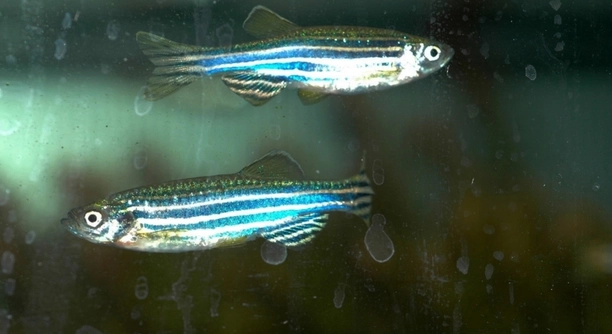
Zebra Danios are lively, colorful fish that make great pets. However, it can be difficult to tell when something is wrong with them. Understanding how to spot the signs of illness or distress is essential for their well-being.
If your Zebra Danio is dying, it will likely show signs of lethargy, changes in eating habits, unusual swimming patterns, or visible physical symptoms such as discoloration or lesions. Early intervention is key to improving its chances of survival.
Recognizing these warning signs early can help you provide the right care and possibly save your fish. Understanding what’s happening could make a big difference in your Zebra Danio’s health and comfort.
Signs of a Dying Zebra Danio
Zebra Danios can display a variety of symptoms when they’re not feeling well. Some of the most common signs include swimming in circles, staying at the bottom of the tank, or even floating near the surface. Loss of appetite is another major indicator, as healthy Danios are known for being eager eaters. If your fish starts hiding more often or becomes sluggish, it might be a sign of distress.
It’s important to check if there are any physical changes, too. Look for discoloration, spots, or any abnormal growths. These can be signs of illness or infection. Also, pay attention to any breathing issues. Fast, labored breathing could point to a problem.
A sudden change in behavior could also be a warning sign that something’s wrong with your Danio. They’re usually very active, so when you notice a shift in how they move or feed, it’s time to take action. Early detection often leads to better outcomes.
Common Causes of Illness
Infections and parasites are often the main reason Zebra Danios show distress. Bacterial infections, fungal growths, or parasites can all cause lethargy and other physical changes. Stress from poor water conditions or overcrowding can also contribute to these issues.
Poor water quality, in particular, is a major problem for aquarium fish. Ammonia or nitrite levels that are too high can affect the fish’s health. It’s important to test the water regularly and make sure the tank is properly filtered. Inadequate filtration or failure to perform regular water changes can quickly lead to a dangerous environment for your Danio.
If you notice your Zebra Danio acting strangely or showing signs of illness, it’s crucial to investigate these factors first. A water change and some added tank care may be all that’s needed to restore the health of your fish. However, if the signs continue or worsen, seeking help from a veterinarian experienced with fish could be necessary.
How to Care for a Sick Zebra Danio
If your Zebra Danio seems to be struggling, the first step is to isolate it in a quarantine tank. This will prevent any potential disease from spreading to other fish in the main tank. Next, make sure the water quality is perfect. Regularly check the pH, temperature, ammonia, and nitrite levels to ensure they’re within the ideal range. Danios thrive in clean, well-maintained water. If necessary, perform a water change to bring down any harmful levels.
In addition to maintaining the water quality, consider adjusting the temperature. Danios do best in water that’s between 65°F and 75°F. If the water is too warm or too cold, it could stress the fish further. Make sure to feed your fish the right food, and avoid overfeeding, as this can create more waste in the water and lead to further problems.
If your Zebra Danio is still not recovering, consulting a fish vet for a more specific diagnosis may be the next step. They can help with treatments like antibiotics or antifungal medications.
When to Seek Veterinary Help
If your Zebra Danio’s condition doesn’t improve after addressing water quality or isolation, it may be time to consult a veterinarian. A professional can identify the exact issue and provide appropriate treatment. Waiting too long can lead to the worsening of your fish’s condition.
Fish diseases can be tricky to diagnose, and symptoms often overlap with other conditions. A vet with experience in aquatic animals can conduct tests to determine if the issue is bacterial, fungal, or parasitic. They can recommend specific treatments, such as medications or changes in care routines, that may help your Danio recover.
A visit to the vet can also give you peace of mind. They’ll help you understand what might be affecting your Zebra Danio and how to prevent similar issues in the future. Early intervention and professional care often make a big difference in the health of your fish.
Prevention Tips for Healthy Zebra Danios
To prevent your Zebra Danio from getting sick, keeping their tank environment clean is key. Perform regular water changes and ensure your filtration system is working well. Maintaining stable water conditions helps prevent diseases related to poor water quality.
Additionally, avoid overfeeding, as leftover food can degrade water quality quickly. Feed your Danio the right amount and remove any uneaten food after a few hours. Overstocking the tank can also stress your fish, making them more vulnerable to illness. Keep an eye on the number of fish in the tank to avoid overcrowding.
Providing a balanced diet and adequate space will help your Zebra Danio live a long, healthy life. Regular monitoring and quick action when something seems wrong can ensure their well-being.
Tank Conditions That Affect Your Zebra Danio
Water quality is one of the biggest factors in the health of your Zebra Danio. Ammonia, nitrites, and nitrates should be kept in check. Test the water regularly to avoid harmful spikes in these levels, which can quickly stress or even kill your fish.
A proper filtration system and regular water changes are crucial for maintaining healthy tank conditions. A tank that is too small, or poorly filtered, can cause your Danio to become sick. Make sure the water temperature stays stable between 65°F and 75°F for the best results.
Common Diseases in Zebra Danios
Zebra Danios are susceptible to several common diseases, including Ich, fin rot, and swim bladder disorder. Ich, caused by a parasite, leads to white spots on the body and fins. Fin rot can result from poor water quality, and swim bladder disorder affects their ability to swim normally.
These diseases can often be treated with medication or proper adjustments to the tank environment. Keeping an eye on your fish’s behavior and appearance can help you catch issues early. Act quickly when you notice any signs of illness to prevent it from spreading.
Stress Factors That Can Lead to Illness
Zebra Danios are highly sensitive to stress, which can lead to weakened immune systems and illness. Stress can be caused by factors like poor water quality, overcrowding, or sudden changes in the tank. Maintaining a calm and stable environment helps reduce stress and keep your fish healthy.
FAQ
How can I tell if my Zebra Danio is stressed?
Stressed Zebra Danios often display unusual behaviors, like hiding more than usual, erratic swimming, or staying near the surface of the water. They may also stop eating or show signs of rapid breathing. Stress can also cause color fading or fin clamping, where the fins are held tightly against the body. Regular water checks, proper tank size, and avoiding overcrowding can help reduce stress and keep your fish happy.
What are the best tank conditions for a Zebra Danio?
Zebra Danios thrive in clean, well-maintained tanks with stable water conditions. The temperature should be between 65°F and 75°F, and the pH should be between 6.5 and 7.5. Ammonia and nitrites should be at zero, while nitrates should be kept under 20 ppm. A strong filtration system is essential to keep the water clear and oxygenated. Regular water changes are also important to prevent harmful build-ups.
How often should I feed my Zebra Danio?
Zebra Danios should be fed twice a day, offering small amounts of food that they can eat within two to three minutes. Overfeeding can lead to water pollution and health issues. It’s important to provide a balanced diet with high-quality fish flakes or pellets, supplemented with occasional live or frozen foods like brine shrimp or bloodworms. Remove any uneaten food promptly to prevent water contamination.
Can Zebra Danios live with other fish?
Yes, Zebra Danios are peaceful and generally get along well with other species, especially with fish of similar size and temperament. Avoid keeping them with overly aggressive or very slow-moving fish. They do well in community tanks with other small, non-aggressive species like guppies, tetras, and other Danios. However, be sure the tank is large enough to avoid overcrowding.
What is swim bladder disorder in Zebra Danios?
Swim bladder disorder affects a fish’s ability to control its buoyancy. Symptoms include swimming sideways, floating at the surface, or sinking to the bottom. This can be caused by poor water conditions, overfeeding, or internal infections. Treatment involves adjusting water parameters, reducing feeding, or, in some cases, using medicated food or water treatments.
Why is my Zebra Danio not eating?
Loss of appetite in Zebra Danios can be caused by a variety of factors, such as stress, water quality issues, illness, or an inappropriate diet. Check the water quality and ensure the fish are not stressed by overcrowding or aggressive tankmates. If the problem persists, it may be time to consult a vet.
How can I prevent diseases in my Zebra Danio?
The best way to prevent diseases is by maintaining a clean and stable tank environment. Regular water changes, proper filtration, and keeping water parameters in check are key. Quarantine new fish before introducing them to your main tank to avoid spreading illness. Avoid overfeeding, as excess food can lead to poor water quality.
What are the signs of Ich in Zebra Danios?
Ich, or white spot disease, is a common parasitic infection in fish. It appears as small white dots on the body, fins, or gills. Infected fish may scratch against objects, exhibit rapid gill movement, or display lethargy. Ich is treatable with copper-based medications or salt baths, but it’s essential to act quickly before it spreads to other fish.
Why is my Zebra Danio’s color fading?
Color fading in Zebra Danios can be caused by stress, poor water quality, or illness. If the water conditions are subpar, the fish may become stressed and lose its vibrant colors. Check the water parameters, reduce stress factors, and provide a stable, clean environment. A proper diet with high-quality food can also help improve their coloration.
Can I keep a single Zebra Danio?
While Zebra Danios can live alone, they are more social and happier when kept in groups of at least five or six. In the wild, they swim in schools, so having multiple Danios in the same tank will help them feel more secure. Keeping a single Danio can lead to stress, which can affect their health.
What should I do if my Zebra Danio is acting lethargic?
Lethargy in Zebra Danios often signals poor water quality, stress, or illness. Start by checking the water parameters and ensure the tank is clean. If the water conditions are fine, try to identify other signs of illness, such as swelling or discoloration. If the lethargy persists, consider isolating the fish and consulting a veterinarian for treatment.
How can I treat fin rot in Zebra Danios?
Fin rot is typically caused by poor water quality or bacterial infection. To treat it, start by improving the water quality with regular changes and using a reliable filtration system. You can also use an antibacterial medication designed for fish to help heal the affected fins. If the damage is severe, consult a veterinarian for further treatment.
How long do Zebra Danios live?
Zebra Danios typically live for 2 to 3 years in an ideal tank environment. With proper care, including stable water conditions, a balanced diet, and a healthy tank setup, they may even live longer. Regular check-ups and maintenance can also contribute to their overall health and longevity.
Is it safe to add salt to the tank for my Zebra Danio?
Adding aquarium salt can sometimes be helpful for treating certain conditions, like external parasites or mild wounds. However, Zebra Danios are freshwater fish and don’t require salt in their water on a regular basis. Use salt only when necessary and follow the instructions carefully to avoid harming the fish.
Final Thoughts
Caring for a Zebra Danio requires attention to detail, particularly when it comes to their environment and health. These fish are hardy, but they still need a clean and stable tank to thrive. Regular water changes and monitoring the water quality are essential to keeping your Danio healthy. Even small changes in water conditions can have a big impact on their well-being. A good filtration system is crucial, as it helps maintain the water quality and reduces the risk of harmful bacteria or parasites. Additionally, feeding your Danio the right amount of food and avoiding overfeeding is important for both their health and the condition of the tank.
Zebra Danios are social creatures that enjoy the company of others, so it’s best to keep them in small groups. If kept alone, they may become stressed, which can lead to health problems. It’s important to keep an eye on their behavior and look for any signs of illness. Early detection of problems can make a big difference, and it’s easier to treat any issues before they become serious. If you notice changes in your Danio’s eating habits, behavior, or appearance, it’s important to investigate and take action. Ensuring they are in a stress-free environment and addressing any health concerns as soon as they arise will help maintain their health.
Lastly, although Zebra Danios are generally easy to care for, it’s important to be proactive in their maintenance. Keeping their tank in good condition, making sure they are well-fed, and watching for signs of stress or illness will help them live a longer, healthier life. If you’re ever unsure about your Danio’s health, don’t hesitate to consult a vet who specializes in fish. By taking the right steps, you can help your Zebra Danio live a happy and healthy life.

Hello,
If you enjoy the content that we create, please consider saying a "Thank You!" by leaving a tip.
Every little bit helps us continue crafting quality advice that supports the health, happiness, and well-being of pets around the world, for pets of all shapes, sizes, and species.
We really appreciate the kindness and support that you show us!