
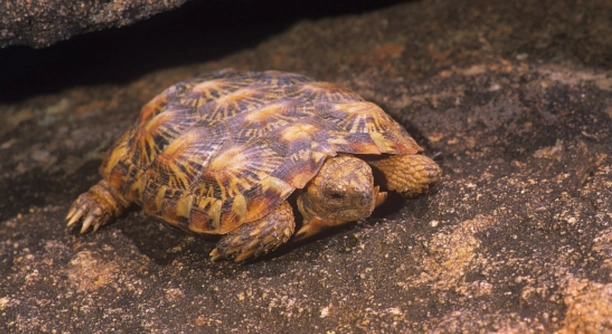
As winter approaches, tortoises can enter a hibernation period, but knowing when they are ready can be tricky. It’s important to watch for certain signs to ensure they are prepared. This process is natural but requires careful attention.
Tortoises begin to prepare for hibernation by slowing down their activity levels and eating less. They may also seek out a quiet, cool place to rest. Understanding these signals is crucial for ensuring your tortoise hibernates safely.
Recognizing the signs will help you support your tortoise’s hibernation journey. We’ll explore key indicators to make sure your pet is ready for this important process.
Why Do Tortoises Hibernate?
As cold-blooded animals, tortoises rely on their environment to regulate body temperature. During the colder months, they naturally enter a state of hibernation to conserve energy and stay safe. This behavior is not only instinctual but necessary for their survival. Tortoises have evolved to survive through hibernation, as their natural habitats often experience harsh winters. Without it, they would risk exhaustion or even death. This period helps them avoid the cold temperatures that would otherwise slow their metabolism and make it difficult to survive.
Hibernation is a vital part of a tortoise’s life cycle. It allows them to rest and recover for the warmer months ahead. This is why it’s so important to understand when your tortoise is ready to hibernate and ensure that it’s a safe process.
Making sure your tortoise is fully prepared for hibernation requires attention to their behavior and environment. For many, hibernation is an important step in their overall well-being. Understanding what to look for in terms of readiness will give you peace of mind.
How to Tell If Your Tortoise Is Ready to Hibernate
One of the first signs that your tortoise may be ready to hibernate is a reduction in activity. They will slow down, eating less and moving less. Their desire to sleep more will increase, signaling that their body is preparing to enter a resting state.
Their temperature preferences may also change during this time. When a tortoise is ready for hibernation, it will seek out cooler, quieter areas to rest. This behavior is typical as their body begins to adapt to colder conditions. You may notice them digging or trying to hide in corners. These behaviors are key to identifying readiness for hibernation.
Temperature plays a major role in hibernation, as tortoises must experience certain conditions for it to be safe. If the environment is too warm, they might not enter hibernation at all. If it’s too cold, it could cause problems during the hibernation period. Making sure your tortoise is in a stable environment that mimics its natural surroundings is essential.
Signs Your Tortoise Is Ready to Hibernate
When your tortoise starts eating less and becomes less active, it’s likely preparing for hibernation. They may also spend more time in hiding, seeking out cool, dark places. A noticeable decline in their appetite is often a clear sign that they are getting ready to rest for the season.
Some tortoises may begin drinking less water, another indicator that they are transitioning into a hibernation state. As their metabolism slows, they require less hydration. This change should be closely monitored to ensure they stay healthy and do not become dehydrated before entering hibernation.
During this period, their behavior will become more predictable. They will rest for longer periods, showing little interest in food or movement. These signs are natural and necessary for the preparation process. Keeping track of these changes will help you identify when your tortoise is ready to hibernate.
Temperature and Hibernation Readiness
Tortoises are very sensitive to temperature, and it plays a key role in their hibernation readiness. If the ambient temperature drops consistently, it signals the onset of colder months, prompting your tortoise to slow down. As the environment cools, they naturally start looking for a place to rest and conserve energy.
It’s important to maintain the right conditions for your tortoise to enter hibernation safely. The temperature should not be too cold, as it could be harmful, but it should also not be too warm. The ideal temperature for a tortoise to enter hibernation is between 40°F and 50°F. Keep the area cool but not freezing to support their metabolic needs.
In addition to temperature, ensure that your tortoise has a quiet, undisturbed place to rest. This will allow them to go into a natural hibernation state without interruption. Proper environmental conditions make all the difference in their ability to hibernate safely and for the right duration.
Decreased Activity Levels
A significant drop in your tortoise’s activity is one of the first signs of impending hibernation. They may stop roaming around as much, preferring to stay in one spot for longer periods. This behavior is a natural part of their preparation for the colder months ahead.
It’s important to observe how they move during this time. If they seem sluggish or more withdrawn, it’s usually a good indication that they are entering a more restful phase. Slowing down means they’re conserving energy and getting ready to rest. This is a natural process for tortoises.
Appetite Reduction
As your tortoise prepares for hibernation, you’ll notice a decrease in appetite. They will eat much less than usual, sometimes even refusing food altogether. This change is a sign that their body is gearing up for the low-energy state of hibernation.
It’s important to stop feeding them large amounts when they begin to lose interest in food. Continuing to feed them at normal levels can lead to issues with digestion or an unhealthy hibernation. Only offer food if your tortoise shows interest, and stop once they begin to slow down.
Decreased Water Intake
Another sign your tortoise is preparing for hibernation is a decrease in water intake. They may drink less frequently as their body slows down. This is part of the natural process of reducing bodily functions as they prepare for a period of rest.
Ensure that your tortoise has access to water during this time, even if they aren’t drinking as much. Hydration is important, and they may still need to drink occasionally. Keep an eye on their behavior and offer water if they show signs of dehydration, even if it’s not their usual intake.
FAQ
How do I know if my tortoise is ready for hibernation?
You’ll notice several signs, including decreased activity, less interest in food, and a preference for cooler, hidden areas. Their behavior will slow down, and they may begin to drink less water. These are clear indicators that they are preparing for hibernation. Keep an eye on their environment and make sure the conditions are suitable for them to enter a restful state.
Can I force my tortoise to hibernate if it doesn’t seem ready?
No, it’s important not to force your tortoise into hibernation. If your tortoise isn’t showing clear signs of readiness, it’s better to let them naturally enter the state when they’re ready. Forcing them can lead to health complications, so it’s always best to follow their natural rhythm.
What should I do if my tortoise doesn’t eat before hibernation?
If your tortoise refuses food, don’t worry too much. A decrease in appetite is a natural part of the hibernation process. If they’re not eating, it’s best to stop offering food, as their body will naturally slow down and they no longer require the energy. If they have not eaten for an extended period, it’s important to check on their overall health.
How long can a tortoise hibernate?
The length of hibernation can vary, but it typically lasts between two to three months. The exact duration depends on their species, environmental conditions, and overall health. Some tortoises may hibernate for longer or shorter periods, but it’s important to make sure their conditions are optimal throughout.
Can I wake up my tortoise during hibernation?
It’s not ideal to disturb your tortoise during hibernation. Waking them up can cause stress and interrupt their natural cycle, which may lead to health issues. Only wake them up if you notice signs of problems, such as difficulty breathing or irregularities in their behavior.
What temperature should my tortoise’s hibernation area be?
The ideal temperature range for a tortoise in hibernation is between 40°F and 50°F. Too high of a temperature may prevent them from entering full hibernation, while temperatures below 40°F could be harmful. Ensure the area is cool but not freezing, and avoid drastic temperature changes that could impact their health.
Can my tortoise hibernate in its enclosure?
Yes, your tortoise can hibernate in its enclosure, but it needs to be in a cool, quiet area where it won’t be disturbed. If you live in an area with cold winters, it’s important to create a stable environment, such as a hibernation box with controlled temperatures. Ensure that the space is secure and well-ventilated.
Is it safe for my tortoise to hibernate indoors?
Hibernating indoors can be safe as long as the conditions are controlled. It’s essential to provide the right temperature and humidity levels, and make sure the area remains undisturbed. Many tortoises hibernate indoors in specially designed enclosures or hibernation boxes. Just make sure it’s an environment that mimics the natural conditions of hibernation.
What happens if my tortoise doesn’t hibernate?
If your tortoise doesn’t hibernate, it may be due to warmer temperatures or other factors. Tortoises that don’t hibernate may not experience the natural cycle of rest and recovery, which could lead to health issues. Without proper hibernation, they may suffer from a weakened immune system or other long-term complications. It’s important to monitor their behavior and provide an environment that supports this natural process.
How can I help my tortoise prepare for hibernation?
To help your tortoise prepare, make sure they have a proper, cool environment that mimics their natural habitat. Gradually reduce their food intake and give them plenty of water. Keep the hibernation area clean, dry, and secure, and monitor their activity levels as they slow down.
Can I feed my tortoise before hibernation?
It’s fine to feed your tortoise up until they show signs of reduced appetite. Ideally, you want to make sure they are well-fed and hydrated before entering hibernation. However, as their appetite decreases, stop offering food. Once they are ready, you can stop feeding them altogether as their metabolism slows down.
What should I do if I notice signs of illness before hibernation?
If your tortoise shows signs of illness, such as wheezing, lethargy, or abnormal behavior, it’s crucial to consult a vet before allowing them to hibernate. Illness can complicate hibernation, and it’s better to address any health issues beforehand. Never allow a sick tortoise to hibernate without proper medical attention.
Final Thoughts
Understanding the signs that your tortoise is ready for hibernation is crucial for their health and well-being. Tortoises have a natural instinct to enter hibernation, and it’s important to recognize when they are preparing for this process. Their decreased activity, reduced appetite, and preference for cooler, hidden areas are key signs. It’s essential to create the right environment to support this process and ensure their safety during hibernation. Providing a cool, quiet space with the right temperature range is vital for their hibernation period.
Monitoring your tortoise before and during hibernation is necessary to ensure that they’re healthy and ready. If they’re showing signs of illness or are not eating as expected, it’s crucial to consult a vet. A healthy tortoise can hibernate for several months, but if they’re not feeling well, it could be harmful. Not every tortoise will hibernate, and sometimes external factors such as temperature or lighting conditions can affect their ability to rest. By adjusting their environment to mimic their natural conditions, you give your tortoise the best chance to go through this phase safely.
While hibernation is a natural and essential process for many tortoises, it’s important not to rush it. Let your tortoise enter hibernation on their own schedule. Forcing them or interrupting their cycle can lead to stress or health problems. You should always monitor their behavior, environment, and health closely. When everything is done correctly, hibernation can be a healthy and restorative period for your tortoise. Ensuring they are properly cared for during this time will help them emerge strong and ready for the warmer months.

Hello,
If you enjoy the content that we create, please consider saying a "Thank You!" by leaving a tip.
Every little bit helps us continue crafting quality advice that supports the health, happiness, and well-being of pets around the world, for pets of all shapes, sizes, and species.
We really appreciate the kindness and support that you show us!