
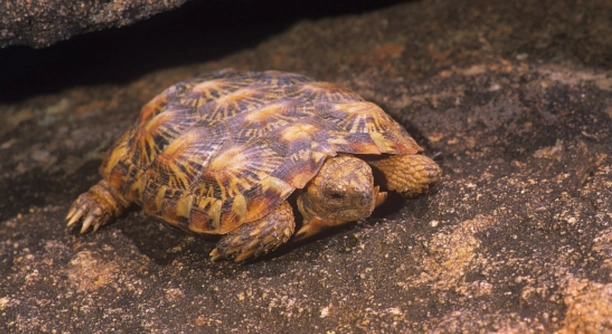
A tortoise’s health relies on a balanced diet that includes essential vitamins. However, vitamin deficiencies can affect their overall well-being. It’s crucial to recognize the signs early to prevent long-term damage to your pet.
A tortoise deficient in vitamins may show signs such as poor growth, lethargy, and a weakened immune system. Monitoring their diet and behavior can help identify deficiencies. Providing appropriate supplements and adjusting their diet may resolve these issues.
Identifying these signs early ensures that your tortoise receives the care it needs to thrive.
Common Vitamin Deficiencies in Tortoises
Tortoises need a variety of vitamins to stay healthy. Vitamin A, D3, and calcium are among the most crucial. Vitamin A supports the immune system and helps with skin health, while Vitamin D3 plays a role in calcium absorption and bone health. Without proper amounts of these vitamins, your tortoise may experience problems like poor shell growth, eye issues, or even respiratory infections. The most common deficiency in tortoises is Vitamin A, often caused by a poor diet lacking dark leafy greens or fruits. It’s important to monitor their food intake and ensure they are eating a balanced, vitamin-rich diet. Lack of sunlight can also impact Vitamin D3 levels, as tortoises rely on natural sunlight to synthesize this vital nutrient. If you notice symptoms like swollen eyes, respiratory problems, or a weakened shell, it could be a sign of a vitamin deficiency.
A healthy diet rich in leafy greens, fruits, and occasional supplements can help prevent deficiencies.
In addition to diet, sunlight is crucial for vitamin D3 production. Tortoises need direct exposure to UVB light to properly absorb calcium, which is essential for their bone and shell health. When kept indoors, it’s necessary to provide them with UVB lighting to mimic natural sunlight. Without proper lighting or access to the outdoors, tortoises may develop soft or malformed shells, among other health issues. A proper diet and sufficient exposure to UVB light go hand in hand to keep your tortoise healthy and free from deficiencies. Regular checkups with a vet are also a good practice to ensure your tortoise’s overall health is on track.
Identifying Symptoms of Vitamin Deficiencies
Recognizing the early signs of vitamin deficiencies can make a significant difference in your tortoise’s recovery.
When tortoises lack Vitamin A, one of the first symptoms may be swollen eyes or discharge. They might also appear lethargic or less active than usual. If the deficiency persists, they may develop respiratory problems, which can be severe if untreated. Vitamin D3 deficiency often leads to poor shell growth or softening, making it easier for the shell to be damaged. If you observe these symptoms, it’s time to assess their diet and lighting conditions to correct the imbalance. A proper diet and UVB exposure can resolve most issues before they worsen. If you are unsure, consulting a veterinarian will help ensure the right course of action. Regular health checks allow you to address any deficiencies before they become a significant problem, giving your tortoise the best chance to thrive.
Adjusting your tortoise’s care plan promptly can prevent more severe health issues.
Impact of a Vitamin Deficiency on Shell Health
A vitamin deficiency can weaken a tortoise’s shell, making it softer and more prone to injury. Shell deformities can arise when the tortoise lacks sufficient calcium or Vitamin D3. The shell’s hard structure relies on calcium for strength and shape. If not addressed, these deficiencies can lead to permanent damage, affecting the tortoise’s mobility and overall health. To prevent this, make sure your tortoise gets enough vitamin-rich food and access to UVB light, as this supports calcium absorption.
Shell damage from vitamin deficiencies is usually a slow process, but the signs are noticeable. A soft, pliable shell is a clear indicator that your tortoise isn’t getting enough calcium. Calcium is vital for bone health, so without it, the shell will not properly harden. Furthermore, a lack of Vitamin D3, which helps in the absorption of calcium, can worsen the situation. Ensuring your tortoise has a balanced diet of leafy greens, high in calcium, will help maintain its shell’s strength. Regular exposure to UVB light or sunlight will help boost Vitamin D3 levels and improve calcium absorption. If your tortoise’s shell starts to soften or shows other signs of malformation, it’s crucial to address the issue immediately. Seek help from a veterinarian if necessary to ensure your tortoise receives the right care.
Shell problems can be reversed with proper care if caught early enough, so it’s essential to stay alert to changes in your tortoise’s shell condition.
Importance of Vitamin A in Eye Health
Vitamin A is vital for maintaining eye health in tortoises. Deficiencies in Vitamin A can lead to swollen, watery eyes or even blindness. Without it, the immune system weakens, making the tortoise more vulnerable to infections.
A tortoise lacking Vitamin A may also experience discharge from the eyes and difficulty opening them. Over time, this could progress to more severe issues, including respiratory infections. Vitamin A is essential for the production of healthy skin and mucous membranes, which help protect against harmful bacteria and viruses. To avoid deficiency, provide your tortoise with foods rich in this vitamin, such as carrots, squash, and leafy greens. Regularly inspecting your tortoise’s eyes and overall condition can help catch any deficiencies early. If Vitamin A is not replenished, the situation may worsen, leading to long-term damage to the tortoise’s vision.
The Role of UVB Light in Vitamin D3 Production
UVB light is essential for a tortoise to produce Vitamin D3, which is necessary for calcium absorption. Without UVB light, even the best diet will not provide the needed calcium to support healthy bones and shell growth.
Without adequate exposure to UVB light, tortoises may develop soft shells, poor bone density, or even deformities. For indoor tortoises, providing artificial UVB lighting is critical. If a tortoise is not getting enough UVB, they will be unable to metabolize calcium properly, leading to severe health issues like metabolic bone disease. Ensure your tortoise has access to proper UVB light for at least 10-12 hours a day. The UVB light should be replaced regularly, as it loses effectiveness over time, even if it still appears lit.
Proper UVB lighting is just as important as diet for your tortoise’s health.
Diet Adjustments for Tortoises with Vitamin Deficiencies
A vitamin-rich diet can help prevent and correct deficiencies in tortoises.
Leafy greens like kale, collard greens, and dandelion greens are excellent sources of Vitamin A and calcium. Adding fruits such as papaya, blueberries, or cantaloupe will provide additional vitamins. It’s also important to offer a variety of foods to prevent imbalances. A consistent, balanced diet is key to maintaining proper vitamin levels.
When to Consult a Veterinarian
If you notice any signs of vitamin deficiencies in your tortoise, consulting a vet is essential.
A veterinarian can offer guidance on proper supplementation, diet changes, and lighting adjustments. They may also run tests to assess the deficiency’s severity and recommend specific treatments. Regular checkups will ensure your tortoise remains healthy.
FAQ
What are the most common signs of vitamin deficiencies in tortoises?
The most common signs of vitamin deficiencies in tortoises include swollen or watery eyes, lethargy, difficulty opening eyes, soft or deformed shells, and poor growth. Vitamin A deficiencies often lead to eye problems, while a lack of Vitamin D3 can cause shell softness and bone issues. If these symptoms appear, it’s essential to assess their diet and lighting conditions to correct the deficiency.
How can I provide the right UVB lighting for my tortoise?
To provide the right UVB lighting, you need to use a UVB bulb specifically designed for reptiles. The bulb should be placed within 12 inches of your tortoise and left on for 10-12 hours a day. It’s important to replace the bulb every 6-12 months because the UVB rays diminish over time, even if the light still appears to work. UVB lighting is essential for Vitamin D3 production, which helps with calcium absorption and bone health.
What foods should I feed my tortoise to prevent vitamin deficiencies?
To prevent vitamin deficiencies, feed your tortoise a variety of leafy greens, such as collard greens, kale, and dandelion greens, which are rich in calcium and Vitamin A. Fruits like papaya, mango, and blueberries can provide additional vitamins. Offer a mix of foods to ensure a balanced diet. Avoid feeding tortoises high-oxalate vegetables like spinach, as they can interfere with calcium absorption.
How much UVB light does my tortoise need each day?
Your tortoise should receive at least 10-12 hours of UVB exposure each day. Natural sunlight is the best source of UVB, but if your tortoise is indoors, an artificial UVB bulb can be used. Be sure to place the light close enough (within 12 inches) for effective absorption. Consistent UVB exposure is critical for the synthesis of Vitamin D3 and proper calcium metabolism.
Can a tortoise recover from a vitamin deficiency?
Yes, a tortoise can recover from a vitamin deficiency if addressed early. Adjusting the diet, providing the proper UVB lighting, and possibly adding supplements can help correct the issue. However, if deficiencies are left untreated for too long, the damage to their bones or eyes may become permanent. Regular checkups with a vet are essential to ensure your tortoise’s recovery.
How do I know if my tortoise’s shell is soft due to a vitamin deficiency?
A tortoise’s shell may feel soft if it lacks sufficient calcium or Vitamin D3. You can check by gently pressing on the shell; if it gives or feels pliable, this is a sign of a deficiency. Soft shells are often the result of inadequate calcium absorption due to poor UVB light exposure or an improper diet. Regularly providing UVB light and calcium-rich foods can prevent this issue.
Is it safe to supplement my tortoise’s diet with vitamins?
Yes, it is safe to supplement your tortoise’s diet with vitamins if needed, but only under the guidance of a veterinarian. Over-supplementation can lead to toxicity or imbalances. Calcium and Vitamin D3 supplements are commonly used to ensure proper bone health and growth, especially in indoor tortoises. A balanced diet should be the first line of defense against deficiencies.
Can vitamin deficiencies cause long-term damage to my tortoise?
Yes, untreated vitamin deficiencies can cause long-term damage to your tortoise. For example, a lack of Vitamin A can lead to permanent eye damage, and insufficient Vitamin D3 or calcium can result in permanent shell deformities and weakened bones. Early detection and treatment are essential to prevent irreversible damage.
Should I continue feeding my tortoise if I suspect a vitamin deficiency?
Yes, continue feeding your tortoise, but focus on adjusting its diet to include foods that are rich in the vitamins it is lacking. Stop feeding foods that may contribute to the deficiency. For example, if your tortoise has a Vitamin A deficiency, increase the intake of dark leafy greens and fruits like carrots and sweet potatoes. Correcting the diet and lighting will help restore the tortoise’s health.
How long does it take for a tortoise to recover from a vitamin deficiency?
The recovery time for a tortoise depends on the severity of the deficiency and how quickly you adjust its diet and lighting. If caught early, improvement can be seen within a few weeks to a month. However, if the deficiency has caused significant damage, it may take longer for your tortoise to fully recover. In some cases, permanent damage may remain despite treatment.
Can a tortoise get too much Vitamin D3 from UVB light?
While it is difficult for tortoises to get too much Vitamin D3 from UVB light alone, excessive exposure to supplements can cause toxicity. Too much Vitamin D3 can lead to calcium imbalances, kidney damage, or other health issues. Ensure that the UVB light exposure is regulated to prevent overexposure, and use supplements only when necessary and as recommended by a veterinarian.
What should I do if my tortoise refuses to eat?
If your tortoise refuses to eat, check its environment first. Stress from improper temperature, humidity, or lighting can cause appetite loss. Make sure the enclosure is set up correctly, with proper UVB lighting and temperatures. If the refusal to eat persists, it could be a sign of a health issue, including vitamin deficiencies, and a veterinarian should be consulted.
Can I use a regular light bulb for UVB lighting?
No, regular light bulbs do not emit UVB rays. You need a specialized UVB bulb designed for reptiles. These bulbs provide the necessary UVB radiation that helps tortoises synthesize Vitamin D3. Ensure you select the correct bulb based on your tortoise’s species and the size of the enclosure.
How can I tell if my tortoise is getting enough calcium?
A tortoise getting enough calcium will have a strong, hard shell, and show no signs of lethargy or weakness. If the shell is soft, or if the tortoise appears lethargic or has difficulty moving, this could be a sign of calcium deficiency. A proper balance of calcium in their diet and adequate UVB exposure is key to their health.
Is it okay to feed my tortoise the same food every day?
Feeding your tortoise the same food every day can lead to nutrient imbalances. It’s important to offer a variety of foods to ensure your tortoise gets all the essential vitamins and minerals. Rotate different types of leafy greens, fruits, and occasional flowers to meet their nutritional needs. A varied diet also helps keep them interested in their food.
Final Thoughts
Maintaining a healthy diet and proper UVB exposure for your tortoise is crucial to prevent vitamin deficiencies. A balanced diet that includes a variety of leafy greens, fruits, and other nutrients ensures your tortoise receives the vitamins it needs. In addition to diet, ensuring proper lighting and calcium supplementation is essential for overall health. Tortoises that do not receive the correct UVB light may suffer from weakened bones and soft shells due to Vitamin D3 deficiencies. Ensuring your tortoise’s habitat is equipped with proper lighting and a balanced diet will support its long-term health and well-being.
It’s important to regularly monitor your tortoise’s health for any signs of vitamin deficiencies. If you notice issues such as swollen eyes, lethargy, or soft shells, take action immediately by adjusting their diet and lighting. Quick action is crucial to prevent further damage, as vitamin deficiencies can lead to irreversible health problems if left unaddressed. Consulting with a reptile veterinarian for professional advice can help you take the necessary steps to treat and prevent these deficiencies. Regular check-ups ensure that any health concerns are detected early, allowing for timely intervention.
Overall, a consistent routine of proper care will keep your tortoise healthy and vibrant. A balanced diet, UVB lighting, and calcium supplements form the foundation of a well-rounded care plan. Regular observation and quick intervention when issues arise can make a significant difference in the long-term health of your tortoise. By being proactive, you can avoid many of the common health problems related to vitamin deficiencies and ensure that your tortoise lives a long, healthy life.

Hello,
If you enjoy the content that we create, please consider saying a "Thank You!" by leaving a tip.
Every little bit helps us continue crafting quality advice that supports the health, happiness, and well-being of pets around the world, for pets of all shapes, sizes, and species.
We really appreciate the kindness and support that you show us!