
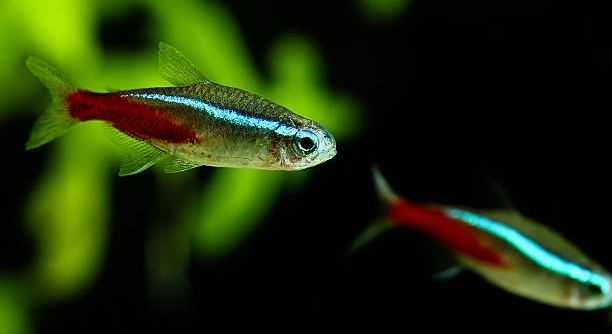
Do your tetras sometimes seem less active or hide more than usual, leaving you unsure if something might be wrong?
Tetras show signs of stress and unhappiness through changes in behavior, appearance, and interaction. Common indicators include dull coloration, clamped fins, erratic swimming, lack of appetite, and hiding for long periods.
Recognizing these signs early can help you make simple changes to improve their health, comfort, and overall well-being in your aquarium.
Sign 1: Faded or Dull Color
When tetras are healthy and content, their colors are usually bright and vivid. A sudden change in color, especially fading or dullness, can be a strong indicator that something isn’t right. This may happen when the fish are stressed due to poor water quality, incompatible tank mates, or not enough hiding spots. Bright lighting without areas of shade can also cause stress. If one or more tetras are losing their color, it’s important to check your tank setup and test your water parameters. Ammonia, nitrite, or nitrate levels that are too high can lead to long-term health problems. Overcrowding is another common issue that affects their appearance. A peaceful environment helps tetras feel safe and confident, which supports their natural color. Keep an eye on how often the color change happens. If it continues for more than a few days, it’s worth reviewing their diet, tank conditions, and general health.
A tetra that loses its color frequently may be under long-term stress and needs attention.
Feeding your tetras a varied, nutrient-rich diet can also help support healthy coloration. Look for fish foods with natural color enhancers like spirulina and avoid overfeeding. Color loss is often one of the earliest signs that something is off in the tank.
Sign 2: Clamped Fins
Clamped fins are when a fish holds its fins tightly against its body instead of spreading them out naturally.
This behavior often means the tetra is feeling uncomfortable or unwell. Common causes include poor water quality, sudden temperature changes, or an illness beginning to develop. It’s a general stress signal that shouldn’t be ignored. Start by checking your water parameters—ammonia and nitrite should be at zero, and nitrates should be kept low. Make sure the water temperature remains steady, ideally between 72–78°F for most tetra species. Fluctuations outside of this range can lead to stress. You should also rule out any aggressive tank mates, which can cause fear and tension. A tetra with clamped fins may avoid other fish and stay still for long periods. Sometimes, clamped fins show up before other symptoms, so acting quickly is important. A partial water change, adjusting filtration, and improving overall tank care can help your tetra feel safe and healthy again.
Sign 3: Erratic Swimming
Erratic swimming often looks like darting, spinning, or struggling to maintain balance. This behavior is not normal and usually means the tetra is stressed or unwell. It can be caused by toxins in the water, infections, or sudden environmental changes in the tank.
Tetras swimming in circles or bumping into objects may be reacting to poor water conditions, such as high ammonia or low oxygen levels. If you notice this, test your water immediately and perform a partial water change if needed. Another cause could be strong currents from filters, which can exhaust small fish. Try adjusting the flow or adding plants to break it up. Erratic swimming may also signal illness, like swim bladder disease or parasites. Look for other symptoms like bloating, discoloration, or fin damage. Early signs can be subtle, so watch your tetras closely during feeding and throughout the day to spot abnormal patterns.
Avoid sudden changes in water temperature or chemistry, as these can lead to disoriented movement. If your tetra was recently added to a new tank or moved, some temporary stress is expected, but it should settle within a day or two. Consistent erratic swimming needs to be addressed quickly to prevent further health decline.
Sign 4: Loss of Appetite
When a tetra stops eating or eats much less than usual, it usually means something isn’t right. This can be caused by stress, illness, poor water quality, or even old food that has gone stale or moldy.
Start by checking your tank’s water parameters. Poor water conditions often lead to appetite loss, especially if ammonia or nitrite levels are above zero. Also, make sure the tank temperature is stable and within the right range. If one tetra is refusing food while others eat normally, isolate it to observe more closely. Look for signs of bloating, discoloration, or slow movement. Sometimes, tetras ignore food because of aggressive tank mates or a lack of hiding spaces, making them feel unsafe. Offering a small variety of fresh or frozen foods, like daphnia or brine shrimp, can help reintroduce appetite. Always remove uneaten food to keep the tank clean and prevent further issues.
Sign 5: Hiding More Than Usual
If your tetras are hiding all the time, something may be making them feel unsafe. This can be caused by bright lights, aggressive tank mates, or a lack of plants and decorations that offer shelter and comfort.
A stressed tetra will often retreat behind filters, inside plants, or into corners. While short periods of hiding are normal, consistent hiding could mean the tank setup needs to be adjusted. Look for bullying behavior, loud vibrations, or sudden movements around the tank that might be causing fear.
Sign 6: Gasping at the Surface
Tetras gasping near the surface are likely not getting enough oxygen. This may happen when the tank is overcrowded, poorly filtered, or lacking surface agitation. Check your filter, increase water movement, and consider adding an air stone to improve oxygen exchange. Watch for other stress signs to act quickly.
Sign 7: Lethargy or Low Activity
A normally active tetra that suddenly becomes sluggish may be experiencing stress or illness. Lethargy often shows up when water quality is poor, especially if the tank hasn’t been cleaned recently or if the filter isn’t working properly. Inactivity can also point to internal infections or temperature issues.
When to Take Action
If you notice more than one of these signs, it’s best to act quickly. Start by testing your water and doing a partial water change. Address any aggressive behavior, check your equipment, and monitor each fish closely. A small adjustment can often make a big difference in their well-being.
FAQ
How do I know if my tetra is sick or just stressed?
Stress and illness can look similar, but stress is usually temporary and linked to changes in the environment. Signs like hiding, color loss, or clamped fins from stress often improve after fixing water quality or reducing tank aggression. Illness, on the other hand, tends to get worse over time. If your tetra shows ongoing symptoms like swelling, lesions, white spots, or labored breathing, it’s more likely to be sick. Watch closely for appetite loss or strange swimming patterns. These are stronger signs of illness and may need treatment or isolation to protect the rest of your tank.
Can one unhappy tetra affect the rest of the group?
Yes, tetras are schooling fish and very social. If one tetra is stressed or sick, it can cause the rest of the group to act differently. A stressed fish may behave erratically or isolate itself, which can make the group feel unsettled. If illness is involved, others may also become infected or copy the strange behavior. This is why it’s important to pay attention to changes in any one fish. Fixing the issue early can prevent it from spreading or disrupting the balance in the tank.
Do water changes really help stressed tetras?
Yes, regular water changes are one of the best ways to reduce stress. Clean water helps remove toxins like ammonia and nitrites, which can make fish sick or uncomfortable. Even small weekly water changes of 25–30% can improve oxygen levels and remove waste. If your tetra is acting off, a water change is often a good first step. Just make sure the new water is treated and matches the tank’s temperature. Sudden shifts in temperature or pH can cause more stress if not handled carefully.
What should I do if only one tetra seems unhappy?
Start by watching that fish closely. Is it eating? Swimming normally? Hiding? Check water quality, look for signs of bullying, and review your feeding habits. Sometimes one tetra might just be shy, especially if it’s new to the tank. But if the behavior continues or worsens, it’s worth isolating the fish in a separate tank for observation. This can also protect the rest of the group if it turns out to be sick. A quiet, safe space can sometimes help the fish recover from stress on its own.
Why are my tetras fighting or chasing each other?
While tetras are usually peaceful, occasional chasing can happen, especially if the group is too small or the tank is crowded. Tetras feel safer and less aggressive in larger groups—usually six or more of the same species. If kept in smaller numbers, they may become territorial or anxious. Another reason could be limited hiding spots or poor layout in the tank. Add plants and decorations to give them places to rest and hide. Also check if the behavior is happening during feeding, as competition for food can spark short bursts of aggression.
Can diet affect my tetra’s mood or behavior?
Yes, diet plays a role in overall health and behavior. A poor diet lacking in variety or nutrients can lead to color loss, low energy, and stress. Offer high-quality flakes or micro pellets along with occasional treats like brine shrimp or daphnia. These protein-rich foods help improve energy and encourage more natural behavior. Don’t overfeed, though—leftover food can rot and lower water quality, leading to stress. Feeding small amounts two times a day works best for most tetras.
How long does it take for a stressed tetra to recover?
Recovery depends on the cause of the stress and how quickly it’s addressed. If the issue is poor water quality and it’s fixed promptly, most tetras bounce back within a few days. However, stress from illness or injuries may take longer—up to a week or more. Some fish may still act cautiously even after conditions improve, especially if they’ve been bullied or injured. Keep the tank calm, avoid sudden changes, and continue monitoring their behavior. Over time, a safe and clean environment helps them feel secure again.
Final Thoughts
Keeping tetras happy and healthy is about paying attention to small changes. These fish are peaceful, active, and social when they feel safe in their environment. When something isn’t right, they often show it through signs like faded color, hiding, or a lack of energy. Learning to notice these signs early can make a big difference in their well-being. Simple habits—like regular water changes, offering hiding spots, and avoiding overcrowding—can help prevent many common problems. A balanced diet and a stable tank setup also go a long way in keeping stress low and behavior normal.
Unhappiness in tetras is often linked to stress from poor water quality, incompatible tank mates, or sudden changes in their surroundings. These issues are usually easy to fix once you know what to look for. Observing your fish daily helps you spot warning signs before they turn into bigger problems. If you see changes in behavior or appearance, check your water conditions first, then take a closer look at how the fish interact. Often, making one or two small adjustments is enough to improve things. Being consistent with tank maintenance and creating a calm, steady environment helps reduce the chance of future stress.
Tetras may be small, but they still need care, attention, and a healthy space to thrive. When they are active, brightly colored, and swimming in groups, it usually means they are doing well. If something seems off, don’t wait too long to act. The earlier you address a problem, the better the outcome for your fish. Remember that stress and illness can spread quickly in a community tank, so watching out for these signs is important for the whole group. Taking the time to understand your tetras’ needs will not only help them live longer but will also make your aquarium a more enjoyable and peaceful place to watch every day.

Hello,
If you enjoy the content that we create, please consider saying a "Thank You!" by leaving a tip.
Every little bit helps us continue crafting quality advice that supports the health, happiness, and well-being of pets around the world, for pets of all shapes, sizes, and species.
We really appreciate the kindness and support that you show us!