
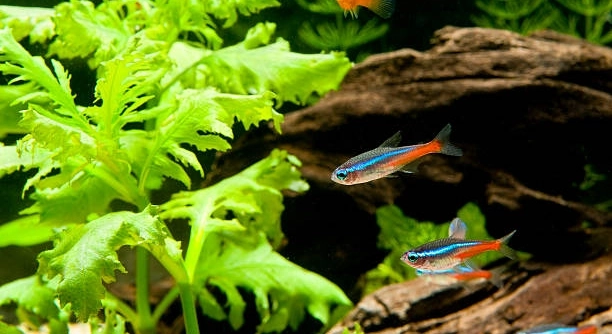
Are your tetras acting differently, hiding more often, or swimming in odd patterns that seem unusual compared to their normal behavior?
Tetras show signs of stress through behaviors such as erratic swimming, loss of appetite, faded colors, and constant hiding. Identifying these signs early can prevent long-term health issues and improve their overall well-being in the tank.
Recognizing stress in tetras is the first step toward creating a healthier and more stable aquarium environment for your fish.
7 Signs Your Tetra Is Too Stressed
Tetras are small and sensitive, and stress can show up in subtle ways. One of the first signs is faded color. Healthy tetras have vibrant hues, and when they begin to look dull, something is likely wrong. You might also notice erratic swimming—jerky movements or swimming in circles. Loss of appetite is another common indicator. If they ignore food they once rushed toward, it’s time to observe more closely. Constant hiding, rapid gill movement, and clamped fins also point to stress. The last sign is aggression or sudden changes in social behavior, which are uncommon for peaceful fish like tetras.
Faded color and clamped fins are two of the easiest signs to spot if you’re watching closely each day.
Monitoring these behaviors regularly helps you act quickly. The sooner you notice changes, the easier it is to adjust your tank conditions. Even small improvements can reduce stress and restore their normal behavior.
What Causes Stress in Tetras?
Poor water quality is often to blame. Unstable temperatures, high ammonia levels, and low oxygen can stress tetras fast.
Tetras need consistent water conditions to stay healthy. Daily temperature swings, dirty filters, or a lack of regular tank maintenance will impact their comfort. Overstocking the tank can also cause issues, as tetras need space to swim and stay active. Sharp decorations or aggressive tankmates can create tension. Even strong currents from a powerful filter may disturb them. Use a test kit to check for ammonia, nitrite, and pH regularly. Slight changes in these levels are enough to affect sensitive fish. Keep your lighting on a consistent schedule too. A tank that mimics a natural rhythm gives them a better sense of stability. Adding live plants can also reduce stress by offering shelter and helping maintain water quality. Paying attention to these details helps you prevent common stressors and keep your tetras active and healthy.
How to Reduce Stress in Your Tetras
Start by testing the water. Make sure the ammonia, nitrite, and nitrate levels are safe. Keep the temperature stable, around 75–80°F. Avoid sudden changes during water changes, and clean the tank regularly without disturbing the fish too much.
Adding more hiding spots helps tetras feel safer, especially if they’re being harassed or startled easily. Use live plants, caves, or soft decorations that won’t damage their fins. Keep your tank lighting on a timer, giving them a consistent day and night cycle. Avoid tapping the glass or loud noises near the aquarium. If the tank is overstocked, move some fish to another tank to create more space. Watch how the group behaves and see if there’s one causing tension. Calm tankmates are important. When you make changes, do it slowly to avoid shocking them even more.
Feed a varied diet to support their health. Offer quality flakes, micro pellets, and frozen treats like brine shrimp or daphnia. Tetras under stress may eat less, so make sure the food reaches them without competition. Feed small portions and remove leftovers to keep the water clean. When tetras eat well and feel secure, their color comes back and they become more active. Over time, their behavior will show real improvement.
When to Separate or Quarantine a Tetra
Sometimes, one tetra might become aggressive or show signs of illness. In these cases, it’s best to separate that fish from the group. A quiet quarantine tank gives it time to recover without stress from others.
Use a small, heated tank with a filter and gentle flow. Keep the lighting soft and the environment calm. Observe the fish closely for signs of disease, such as white spots, fin damage, or bloating. Quarantine helps protect the other tetras too. If you’re treating with medication, it’s safer to dose in a separate space. After a week or two of improvement, you can slowly reintroduce the fish back into the main tank. Monitor how the group reacts. If the same behavior repeats, consider a longer separation or finding a new setup for that fish. This careful approach keeps stress low and avoids issues spreading to the rest of the tank.
How Long It Takes Tetras to Recover from Stress
Recovery time depends on how serious the stress was and how quickly you fix the problem. Minor stress from a water change may improve within a day. More serious stress can take several days to a couple of weeks.
Watch their color, appetite, and swimming. If these improve slowly but steadily, they’re on the right track. Make small changes only when needed and let the tank stay calm. Avoid overhandling or moving them too often, as this can delay healing.
How to Prevent Stress in the Future
Keep a regular maintenance schedule. Test your water weekly and change 20–25% of it every 7–10 days. Feed them small portions once or twice a day. Don’t add new fish suddenly—use a quarantine tank first. Choose tankmates that are peaceful and similar in size. Limit loud noises and bright flashes near the tank. Avoid overstocking and keep the tank size appropriate for the number of tetras. Stick to stable temperatures, and keep filters running smoothly. Adding live plants helps provide cover and improves water quality naturally. These small habits reduce stress and support a healthier tank long term.
Why Tetra Behavior Shouldn’t Be Ignored
Ignoring signs of stress can lead to illness or loss. Tetras don’t act out for no reason—changes in behavior mean something in their environment isn’t right. Catching problems early can make all the difference.
FAQ
How can I tell if my tetra is stressed or sick?
Stress and illness often show similar signs in tetras, like faded colors, clamped fins, and loss of appetite. Stressed fish may swim erratically or hide more than usual. Illness might also include white spots, fin rot, or bloating. Watching behavior closely over several days helps you tell the difference.
What water parameters are best for keeping tetras stress-free?
Tetras thrive in stable water with a temperature between 75–80°F, pH around 6.5 to 7.5, and ammonia and nitrite at zero. Nitrate should stay below 20 ppm. Regular water testing and maintenance are key to maintaining these conditions and reducing stress.
How often should I clean the tank to prevent stress?
Partial water changes of 20–25% once a week are usually enough. Avoid cleaning the entire tank at once to preserve beneficial bacteria. Cleaning the filter monthly and removing leftover food daily helps keep water quality high and tetras comfortable.
Can adding plants really help reduce stress for tetras?
Yes, live plants provide hiding spots and reduce nitrate levels by absorbing nutrients. They create a natural environment that makes tetras feel safer. Plants also help stabilize water parameters and improve oxygen levels, which lowers overall stress.
Is tank size important for preventing stress in tetras?
Tank size matters a lot. A 20-gallon tank is the minimum for a small school of tetras. Overcrowding leads to poor water quality and competition, which stresses fish. More space means better swimming room and less chance for conflict.
What should I feed stressed tetras?
Feed small amounts of high-quality flakes or pellets and supplement with frozen or live foods like brine shrimp or daphnia. Offer food in small portions multiple times a day to encourage eating without polluting the water. Avoid overfeeding, which can harm water quality.
How can I safely introduce new fish without stressing my tetras?
Quarantine new fish for at least two weeks to avoid disease introduction. Add new tankmates slowly, giving your tetras time to adjust. Use a drip acclimation method to match water conditions gradually and reduce shock during transfer.
What signs show that a stressed tetra is recovering?
Improved color brightness, regular swimming, and restored appetite indicate recovery. Tetras will start exploring more and interacting with their school again. Watch for calmer breathing and fins that are no longer clamped. These are positive recovery signs.
Should I use medication if my tetra looks stressed?
Medication should be a last resort, mainly used if disease symptoms appear. Most stress is caused by environmental factors that should be fixed first. Overusing medicine can harm the tank’s balance and cause more problems.
Can tankmates cause stress for my tetras?
Yes, aggressive or overly active fish can stress tetras. Choose peaceful species that won’t compete aggressively for food or territory. Keep tetras in groups of at least six to help them feel safe and reduce bullying.
How does lighting affect tetra stress?
Tetras prefer moderate lighting with a clear day-night cycle. Too bright or constantly changing light can cause stress. Use a timer to keep lighting consistent, usually 8–10 hours per day, to mimic natural conditions and support healthy behavior.
Is it normal for tetras to hide sometimes?
Hiding occasionally is normal, especially when resting or during changes in the tank. However, constant hiding or staying at the bottom indicates stress or illness. Increasing hiding spots can help, but persistent hiding needs attention.
Can sudden changes in the tank environment stress tetras?
Yes, sudden changes like water temperature shifts, new decorations, or rapid water changes cause stress. Make changes gradually and observe how your tetras react. Slow adjustment is always safer for sensitive fish.
What is the best way to handle stressed tetras during tank maintenance?
Minimize disturbance by cleaning gently and avoiding sudden movements. Keep maintenance routines consistent so tetras get used to them. Use a net carefully and avoid chasing fish, which adds stress.
Are there natural remedies to help stressed tetras?
Some aquarium owners use Indian almond leaves or aquarium salt in small doses to reduce stress. These can help improve water quality and act as mild antiseptics. Always research proper dosages to avoid harming the fish.
Can stress cause long-term damage to tetras?
Yes, chronic stress weakens the immune system, making tetras more prone to disease. It can shorten their lifespan and cause permanent behavioral changes. Preventing stress is essential to keep them healthy and active.
Final Thoughts
Tetras are delicate fish that rely heavily on a stable and comfortable environment to thrive. Recognizing the signs of stress early can make a significant difference in their health and happiness. Faded colors, unusual swimming patterns, loss of appetite, and hiding are all signals that something in their surroundings needs attention. Being aware of these signs helps you take quick action before stress leads to more serious problems like illness or death. Keeping a close eye on your tetras’ behavior is an important part of responsible fishkeeping.
Maintaining good water quality is one of the most effective ways to prevent stress. Regular testing and water changes ensure that harmful chemicals like ammonia and nitrites stay at safe levels. Stable temperature and proper tank size also play crucial roles in keeping tetras comfortable. Adding plants and providing hiding spots offers shelter and reduces anxiety. Tankmates should be chosen carefully to avoid aggression or competition. By creating a calm and balanced environment, you reduce the chance of stress and improve your tetras’ overall well-being.
If you notice stress signs, take steps slowly and carefully. Sudden changes can make things worse, so gentle adjustments are best. Sometimes separating a stressed or sick fish into a quarantine tank helps with recovery. Feeding high-quality, varied food supports their immune system and encourages normal behavior. Remember, stress can weaken fish over time, so prevention and early care are the best approaches. With attention and care, your tetras can live healthy, active lives, adding beauty and movement to your aquarium.

Hello,
If you enjoy the content that we create, please consider saying a "Thank You!" by leaving a tip.
Every little bit helps us continue crafting quality advice that supports the health, happiness, and well-being of pets around the world, for pets of all shapes, sizes, and species.
We really appreciate the kindness and support that you show us!