
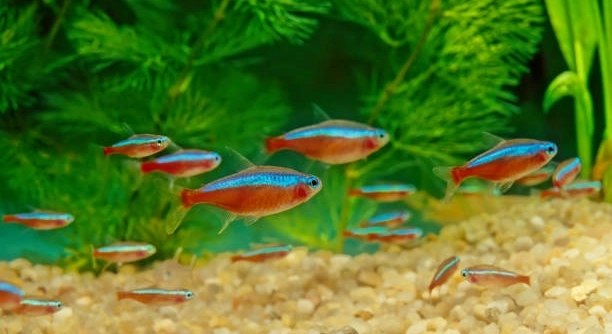
Are your tetra fish showing unusual behavior in the tank? Sometimes, these peaceful fish may not get along as well as expected. Recognizing early signs of conflict can help maintain a calm and healthy aquarium environment.
Tetras that are not getting along often display seven key signs, including frequent chasing, nipped fins, hiding, loss of appetite, color fading, increased aggression, and lethargy. Identifying these behaviors early helps prevent stress and injury among your fish.
Knowing these signs will help you take better care of your tetras and improve their overall wellbeing in your aquarium. Proper attention ensures a peaceful and balanced fish community.
Signs of Frequent Chasing
When tetras start chasing each other often, it’s a clear sign they are not getting along. This behavior can stress the fish and cause injuries. Chasing usually happens when there isn’t enough space or hiding spots in the tank. Sometimes, it can be a sign of dominance struggles or competition for food. Over time, constant chasing can weaken the fish and lower their immune systems. Adding plants or decorations can help break the line of sight and reduce this behavior. Monitoring the tank regularly will let you catch this early before it worsens.
Chasing often leads to fin damage or even isolation of some tetras. Immediate action can prevent further harm.
Creating a balanced environment with enough room and places to hide is important. If chasing continues, consider rearranging the tank or separating aggressive fish to protect everyone’s health.
Nipped Fins and Physical Damage
Nipped fins are a visible sign of conflict among tetras. When one fish bites another’s fins, it leaves ragged or torn edges that may not heal properly. This condition can open the door to infections and other health problems. It is usually caused by aggression or stress in the aquarium.
Addressing nipped fins quickly prevents long-term damage.
To reduce fin nipping, check your tank’s population density. Overcrowded tanks tend to increase aggressive behaviors. Keep water conditions stable, as poor water quality can stress fish and make them more aggressive. Provide hiding places and distractions like plants or decorations to reduce tension. If some tetras are especially aggressive, separating them might be necessary to keep the group healthy. Regular observation will help you spot injured fish early and intervene when needed.
Hiding Behavior
Tetras that hide more than usual may be stressed or feeling threatened. This behavior often indicates tension within the tank.
When tetras are constantly hiding, it suggests they are trying to avoid aggression or bullying from other fish. Lack of sufficient hiding spots can increase stress and worsen conflicts. Adding plants, caves, or decorations can create safe zones and reduce anxiety. Observe if certain fish are targeted more often; this can help identify aggressive individuals. Stress from hiding also weakens their immune system, making them more vulnerable to diseases. Adjusting the tank environment is key to calming your tetras.
Hiding is a natural response, but excessive avoidance signals problems. Addressing the cause early can help restore peace and improve your fish’s quality of life.
Loss of Appetite
Loss of appetite is a common sign of stress or illness in tetras. When fish stop eating regularly, it’s often related to conflicts or poor tank conditions.
Stressed tetras may refuse food because they feel unsafe or overwhelmed by dominant fish. Competition for food can also discourage shy or weaker fish from eating. Poor water quality or illness could be contributing factors, making it important to test water parameters regularly. Feeding smaller amounts more frequently may help reduce competition during meals. Ensuring the tank environment is peaceful encourages tetras to eat normally and regain strength.
If loss of appetite continues, closely monitor other symptoms like lethargy or fin damage. Early intervention can prevent serious health issues and improve your tetras’ overall wellbeing.
Color Fading
Color fading in tetras often signals stress or poor health. When colors dull, it usually means the fish are uncomfortable in their environment.
Fading can result from ongoing aggression, poor water quality, or inadequate nutrition. Healthy, calm fish show vibrant colors, so noticing dullness should prompt checking tank conditions and social dynamics.
Increased Aggression
Aggression in tetras may escalate if the tank is overcrowded or if there is an imbalance in the group. Aggressive behavior leads to fighting and injuries.
Separating aggressive fish or providing more space and hiding places helps reduce hostility. Keeping a well-maintained environment lowers stress and supports peaceful interactions among tetras.
Lethargy
Lethargy shows when tetras lose energy and move less than usual. It often indicates stress, illness, or poor water conditions.
FAQ
How can I reduce aggression among my tetras?
Aggression often arises from overcrowding, lack of hiding spots, or an unbalanced mix of fish. To reduce it, ensure your tank has enough space and plenty of plants or decorations for hiding. Avoid keeping too many tetras together, and maintain good water quality. Sometimes, separating the most aggressive fish helps calm the group.
Why do my tetras chase each other so much?
Chasing is a sign of stress or competition. It can happen if the tank is too small or lacks enough territory for each fish. Chasing may also result from establishing dominance. Adding more hiding places and giving the tank more space can lessen chasing behaviors.
Is hiding always a bad sign for tetras?
Not always. Tetras naturally seek shelter sometimes, especially during rest or when startled. However, if hiding becomes excessive, it usually means they feel threatened or stressed. Improving the tank environment and reducing aggression can help fish feel safer and more active.
What causes my tetras’ colors to fade?
Color fading typically signals stress, poor water conditions, or illness. Aggressive behavior and competition can also make fish lose their vibrant colors. Regular water changes, a balanced diet, and a peaceful tank environment are key to keeping colors bright.
How do I know if my tetras are stressed?
Signs of stress include frequent hiding, loss of appetite, chasing, fading colors, and lethargy. Stress weakens their immune systems and makes them more prone to disease. Keeping stable water conditions and a calm tank environment helps reduce stress.
Can poor water quality cause fighting in tetras?
Yes, poor water quality can increase stress and cause tetras to act aggressively. High levels of ammonia, nitrites, or nitrates make fish uncomfortable and irritable. Testing water regularly and performing timely water changes are important to maintain a healthy tank.
What should I do if my tetra has nipped fins?
Nipped fins need immediate attention to prevent infection. Keep the water clean and provide stress-free conditions. You might need to isolate aggressive fish or injured ones to allow healing. Adding plants or decorations can also reduce aggressive encounters.
How many tetras should I keep together?
Tetras are schooling fish and prefer groups of at least six. Keeping fewer can cause stress or aggression. However, overcrowding can also lead to fighting. Find a balance based on your tank size and ensure enough space for each fish.
Can diet affect tetra behavior?
Yes, a poor diet can weaken tetras and increase stress, making aggression more likely. Providing a varied and balanced diet supports their health and helps maintain calm behavior. Feeding small amounts several times a day can reduce competition during feeding.
When is it necessary to separate aggressive tetras?
If aggression causes injuries or prevents some fish from eating or moving freely, separating the aggressive individuals is necessary. This protects the health of all fish and restores balance in the tank. Consider quarantine tanks or rearranging the main tank to minimize tension.
Final Thoughts
Keeping tetras together can be a rewarding experience, but it requires attention to their behavior and environment. Recognizing the signs that your tetras are not getting along is important to maintaining a healthy tank. From chasing and nipped fins to hiding and color fading, these behaviors indicate stress or conflict. Addressing these issues early helps prevent serious health problems and ensures a peaceful aquarium. Paying close attention to how your fish interact will allow you to make changes before tensions escalate.
Creating a suitable environment is one of the best ways to promote harmony among your tetras. Providing enough space, hiding spots, and stable water conditions reduces stress and aggression. It is important to avoid overcrowding and maintain a balanced group size, as both overpopulation and too few fish can cause problems. Regular tank maintenance, including water testing and cleaning, also plays a key role in keeping your fish healthy and calm. When necessary, separating aggressive fish can restore peace and protect more vulnerable individuals.
Overall, understanding your tetras’ behavior and needs improves their wellbeing and your enjoyment of the tank. While tetras are generally peaceful, conflicts can happen. Being proactive with tank setup and monitoring helps create a calm environment where your fish can thrive. These small efforts make a big difference in keeping your aquatic community balanced and healthy. Taking care of your tetras with patience and care will reward you with a lively and colorful aquarium.

Hello,
If you enjoy the content that we create, please consider saying a "Thank You!" by leaving a tip.
Every little bit helps us continue crafting quality advice that supports the health, happiness, and well-being of pets around the world, for pets of all shapes, sizes, and species.
We really appreciate the kindness and support that you show us!