
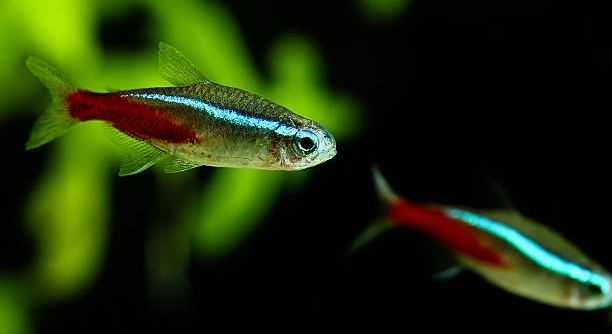
Are your tetra fish showing signs of stress or unusual behavior in your aquarium? Many aquarium owners face challenges balancing tank conditions for these delicate fish. Recognizing when your tank might be too strong for tetras is important for their well-being.
A tank is too strong for tetras when water flow, filtration, or lighting creates stress or health issues. Excessive current, aggressive filtration, or bright lights can overwhelm tetras, leading to poor health and reduced lifespan. Monitoring these factors ensures a safe environment.
Identifying these key signs helps protect your tetras and maintain a healthy, balanced aquarium environment for them to thrive.
Strong Water Flow Stressing Your Tetras
Tetras prefer gentle water currents that mimic their natural habitats, like slow-moving streams and calm waters. When the tank’s water flow is too strong, it can cause constant stress. Fish might struggle to swim properly or hide more often. This stress weakens their immune system and makes them more vulnerable to disease. Strong flow also disrupts their feeding habits, as they have trouble catching food or eating comfortably. Many filters or powerheads create currents that are too powerful for small, delicate tetras. Adjusting or redirecting flow can help ease this problem. Observing your fish’s behavior closely can show if the current is too much. If they stay in corners or seem exhausted, the water flow likely needs to be reduced for their comfort.
Excessive water flow can cause tetras to expend energy unnecessarily, impacting their overall health negatively.
Reducing water flow can be done by lowering filter output or placing decorations to break the current. This creates calmer spots for tetras to rest and swim freely. A balanced flow keeps water clean but doesn’t overwhelm the fish. Ensuring proper flow improves their comfort and longevity in the tank.
Overpowering Filtration Systems
Strong filtration systems are often seen as beneficial, but too much filtration can stress tetras. Powerful filters create strong currents and excessive water movement. They may also cause noise or vibrations that unsettle fish. Small fish like tetras can become easily frightened or tired from these conditions. Filtration needs to balance cleanliness without disturbing the tank environment. Using sponge filters or adjustable flow filters is better for delicate species. It’s important to check filter settings regularly and modify them to suit your fish’s needs. Sometimes, adding plants or tank decorations near the filter outlet can help reduce its impact. Filtration that is too aggressive can lead to hiding behavior or health issues. Maintaining gentle, effective filtration supports a calm and healthy tank for tetras.
Excessive Lighting
Bright lighting can stress tetras because they come from shaded, slow-flowing waters. Too much light causes them to hide or become less active, impacting their natural behavior. Lighting should be soft and balanced for their comfort.
Controlling lighting intensity and duration helps create a comfortable environment. Tetras prefer dim or moderate light levels, mimicking their natural habitats under dense plant cover. Excessive lighting can also encourage unwanted algae growth, making tank maintenance harder. Using floating plants or adjustable LED lights can reduce brightness. A consistent day-night cycle supports the health and activity of your fish, preventing stress caused by sudden or harsh lighting.
Proper lighting encourages natural behavior like swimming and feeding. Avoid leaving lights on too long, as this disrupts their rest periods. A well-lit tank that’s not too bright promotes tetra well-being and makes your aquarium more enjoyable to watch.
Incompatible Tank Mates
Tetras do best with peaceful fish that won’t bully or chase them. Aggressive or much larger tank mates can cause stress or injury. Keeping compatible species maintains a calm tank environment.
Stress from aggressive fish can weaken tetras’ immune systems, leading to illness. Signs include hiding, torn fins, or lethargy. Researching species compatibility before adding new fish is important to avoid conflicts. Schooling tetras need company but only with other non-aggressive fish to feel safe. Providing plenty of hiding spots and plants can reduce tension and give tetras places to escape if needed. Monitoring interactions helps catch issues early and maintain a peaceful tank.
Choosing suitable tank mates supports social behavior and reduces stress. Peaceful community tanks allow tetras to thrive without constant fear or competition for food and space.
Overcrowding in the Tank
Too many fish in a tank create stress for tetras. Limited space leads to poor water quality and aggressive behavior. Keeping the right number of fish helps maintain balance and reduces stress.
Overcrowding also makes it harder for tetras to swim freely and find food. It increases waste buildup, which affects water parameters and fish health.
Poor Water Quality
Dirty or unbalanced water harms tetras quickly. Regular testing and water changes are essential to keep ammonia, nitrite, and nitrate levels safe. Stable water conditions help prevent illness and stress in tetras.
Sudden Changes in Environment
Tetras react badly to sudden changes like temperature swings or new decorations. Keeping conditions steady supports their well-being and reduces stress.
What signs show my tank is too strong for tetras?
Common signs include tetras hiding constantly, gasping at the surface, or showing damaged fins. They may appear lethargic or overly stressed, struggling against strong currents. Also, frequent hiding or erratic swimming often points to discomfort caused by harsh tank conditions.
How can I reduce strong water flow for tetras?
Lower your filter’s output or use a flow control attachment. Position decorations, plants, or sponge filters near the filter outlet to break the current. This creates calm areas for tetras to rest without stressing their delicate bodies.
Is lighting intensity important for tetras?
Yes, tetras prefer soft or moderate lighting similar to their natural shaded environment. Too bright lighting can cause stress, hiding, and disrupt their normal behavior. Using floating plants or adjustable lights helps maintain the right balance.
Can overcrowding harm my tetras?
Overcrowding increases stress, aggression, and waste buildup. Tetras need enough space to swim and hide comfortably. Crowded tanks often lead to poor water quality, which harms their health over time.
Are all fish compatible with tetras?
No, tetras do best with peaceful, similar-sized fish. Aggressive or much larger species can chase or injure them, causing stress or illness. Always research before mixing fish to maintain harmony.
How often should I test my tank water?
Regular testing—at least once a week—is important to catch harmful levels of ammonia, nitrite, or nitrate early. Keeping water parameters stable prevents stress and disease.
What temperature is best for tetras?
Most tetras thrive between 72°F and 78°F (22°C to 26°C). Sudden temperature changes can cause shock, so maintain a consistent temperature with a reliable heater.
How can I tell if my tetras are stressed?
Signs include faded colors, hiding, loss of appetite, rapid breathing, and erratic swimming. These indicate discomfort and the need to check tank conditions immediately.
Does filtration noise affect tetras?
Yes, loud filters or vibrations can stress tetras. Using quieter equipment or placing filters on soft surfaces reduces noise and improves their environment.
What should I do if my tetras show signs of stress?
Identify the source—like strong flow, lighting, or tank mates—and make adjustments. Improve water quality, reduce light intensity, and remove aggressive fish. These changes help tetras recover and thrive.
How important are plants for tetras?
Plants provide hiding places and reduce current strength. They also improve water quality by absorbing nitrates. Live or artificial plants create a safer, more natural environment for tetras.
Can sudden changes in the tank hurt tetras?
Yes, tetras are sensitive to rapid changes in temperature, lighting, or decorations. Introduce changes slowly to avoid shocking them and causing stress.
What is the ideal tank size for a tetra school?
A minimum of 20 gallons is recommended for a small school of tetras. This allows enough space for swimming and helps maintain stable water conditions.
How many tetras should I keep together?
Tetras are schooling fish and need groups of at least six to feel secure and show natural behavior.
Are certain filter types better for tetra tanks?
Sponge filters and adjustable flow filters are ideal as they provide gentle filtration without strong currents, suitable for small, delicate fish like tetras.
When keeping tetras, it is important to create a tank environment that matches their needs. Tetras are small, peaceful fish that prefer calm waters with gentle flow and moderate lighting. If your tank is too strong for them, it can cause stress and health problems. Watching for signs like hiding, erratic swimming, or damaged fins helps you know when adjustments are needed. Simple changes like lowering water flow, adjusting lighting, and choosing peaceful tank mates can make a big difference in their comfort and well-being.
Maintaining good water quality is also key for keeping tetras healthy. Overcrowding or poor filtration can quickly lead to harmful conditions in the tank. Regular water tests and partial water changes help keep ammonia, nitrite, and nitrate at safe levels. Stable temperatures and a steady environment help prevent stress from sudden changes. Adding plants or decorations not only creates hiding spots but also helps slow down water currents. These steps work together to provide a safe, balanced home where tetras can thrive and show their natural behaviors.
Ultimately, paying attention to your tank’s conditions and your tetras’ behavior is the best way to ensure a healthy aquarium. Tetras are sensitive fish, so even small issues can affect them quickly. Adjusting tank strength to suit their needs makes your aquarium a peaceful place for these lively fish. When your tetras feel safe and comfortable, they will be more active, colorful, and enjoyable to watch. Taking these measures helps you care for your fish responsibly and enjoy a beautiful, thriving tank.

Hello,
If you enjoy the content that we create, please consider saying a "Thank You!" by leaving a tip.
Every little bit helps us continue crafting quality advice that supports the health, happiness, and well-being of pets around the world, for pets of all shapes, sizes, and species.
We really appreciate the kindness and support that you show us!