
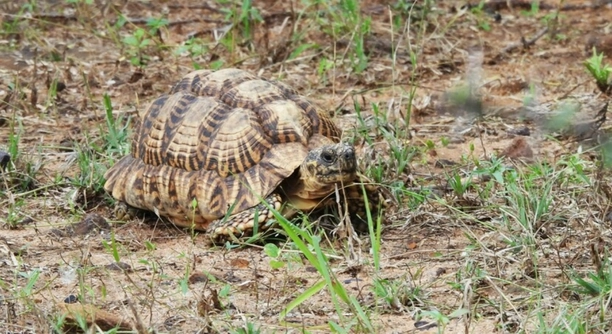
Is your star tortoise spending most of its time in one spot, barely moving throughout the day? Lack of movement can lead to health issues, making it important to recognize if your tortoise needs more exercise to stay active and healthy.
A star tortoise that needs more exercise may display sluggish behavior, weight gain, overgrown nails, or decreased appetite. Ensuring adequate movement helps prevent obesity, digestive issues, and muscle weakness, contributing to a healthier and more engaged pet.
There are clear signs that indicate your tortoise is not getting enough activity. Learning these clues will help you improve its daily routine and overall well-being.
Signs Your Star Tortoise Needs More Exercise
A star tortoise that lacks exercise may show clear physical and behavioral changes. You might notice it moving less, gaining weight, or developing overgrown nails. These signs indicate that your tortoise isn’t getting enough movement, which can lead to long-term health issues. Inactivity can also cause a loss of muscle tone, making it harder for your tortoise to move comfortably. Another concern is digestion. A tortoise that doesn’t move enough may experience constipation or bloating. Shell health can also be affected, as insufficient movement may contribute to shell deformities over time. Monitoring your tortoise’s behavior and appearance will help you determine if adjustments are needed.
A healthy tortoise should be alert, responsive, and able to move with ease. If your tortoise spends most of the day in one spot or struggles with basic movements, it likely needs more exercise. Encouraging movement is essential for overall well-being.
Lack of activity may also affect your tortoise’s appetite. A sluggish tortoise might eat less, which can lead to nutritional deficiencies. You may also notice changes in sleep patterns. A tortoise that is not active enough might sleep too much or appear uninterested in its surroundings. These clues can help you understand if your tortoise needs a more stimulating environment.
How to Encourage More Activity
Creating a stimulating habitat is one of the best ways to encourage movement. A larger enclosure with natural elements like rocks, plants, and hiding spots will motivate your tortoise to explore. Regularly rearranging these elements can also keep your tortoise engaged.
Daily outdoor time can greatly improve activity levels. Exposure to natural sunlight not only promotes movement but also supports healthy shell growth. If outdoor space is limited, providing a UVB light indoors will still be beneficial. Adding gentle obstacles like small logs or ramps can encourage movement while keeping your tortoise entertained. Offering food in different locations can also promote natural foraging behavior. Instead of placing food in the same spot every day, scatter it around the enclosure to encourage exploration.
Hydration plays a role in activity levels as well. A tortoise that is dehydrated may become lethargic. Regular soaking sessions can help maintain hydration and encourage movement. Checking your tortoise’s weight and shell condition regularly will help ensure it is staying active and healthy. Making small adjustments to its environment and routine can make a big difference.
Best Toys and Accessories for Exercise
Adding enrichment items can encourage your star tortoise to move more. Simple objects like tunnels, ramps, and textured surfaces provide opportunities for climbing and exploring. Placing food in puzzle feeders or different spots can also stimulate natural foraging behavior, keeping your tortoise engaged and active.
Tortoise-safe tunnels made from logs or PVC pipes can promote movement by encouraging your pet to crawl through them. Flat rocks and small inclines give your tortoise a chance to climb, strengthening its muscles. Textured mats or different substrate types can also provide varied surfaces for walking, helping with balance and coordination. Adding interactive feeding stations, where food is hidden under objects, can make mealtime more engaging and encourage movement throughout the day.
Outdoor playpens are another great option. A secure, predator-proof outdoor space allows your tortoise to move freely while soaking up natural sunlight. Small logs or branches can be placed in the playpen to encourage climbing. If space allows, a shallow digging area can provide an outlet for natural burrowing instincts. Even small changes in the environment, such as rearranging objects regularly, can prevent boredom and promote activity. By incorporating these simple accessories, you can help your tortoise stay active and healthy.
Common Mistakes That Reduce Activity
Keeping an enclosure too small can limit movement and discourage exercise. A tortoise that lacks space to explore may become inactive, leading to weight gain and other health concerns. The enclosure should be large enough for natural movement, with different zones for basking, hiding, and exploring.
A poor setup can also affect activity levels. If the enclosure lacks hiding spots, textured surfaces, or climbing opportunities, the tortoise may not feel encouraged to move. A completely flat, bare surface does not promote natural behaviors. Temperature and lighting also play a role. If the habitat is too cold, the tortoise may become sluggish. UVB lighting is essential for maintaining energy levels and encouraging activity. Ensuring a proper temperature gradient will help keep your tortoise comfortable and active.
An unvaried diet can impact movement as well. If a tortoise lacks proper nutrition, it may become weak and less inclined to explore. A balanced diet with fresh greens, fiber-rich foods, and occasional treats can support energy levels. Avoid overfeeding, as excess weight can make movement difficult. Regularly monitoring your tortoise’s behavior and making small changes can greatly improve its activity levels.
How Weather Affects Activity
Cold temperatures can make a star tortoise sluggish and less likely to move. If the enclosure is too cool, the tortoise may spend most of its time hiding or basking. Maintaining a proper temperature range ensures consistent activity levels and prevents potential health concerns.
Excessive heat can also reduce movement. When temperatures are too high, a tortoise may retreat to shaded areas and avoid exercise. Providing a temperature gradient with both warm and cool zones allows your tortoise to regulate its body temperature and stay active throughout the day.
When to Seek Veterinary Advice
If your tortoise remains inactive despite changes in diet and environment, an underlying health issue could be the cause. Persistent lethargy, weight loss, or refusal to eat may indicate metabolic bone disease, respiratory infections, or digestive problems. A veterinarian can assess your tortoise’s health and recommend appropriate treatment if necessary.
Final Thoughts on Exercise
Regular movement is essential for a healthy star tortoise. Creating an engaging environment, monitoring temperature, and ensuring proper nutrition all contribute to increased activity. Small adjustments can make a big difference in keeping your tortoise active and thriving.
FAQ
How much exercise does my star tortoise need daily?
Star tortoises should ideally have at least an hour of active movement every day. This can be spread throughout the day, with time spent moving around their enclosure or outdoor playpen. It’s important to offer them enough space to roam and explore. You can encourage this by adding obstacles like small logs or ramps. Activity will help prevent weight gain, muscle weakness, and other health issues.
Can I take my star tortoise outside for exercise?
Yes, outdoor time is an excellent way for your tortoise to get more exercise. Fresh air, sunlight, and the natural environment can stimulate movement. Just make sure the outdoor area is secure, free from predators, and has enough hiding spots to keep your tortoise safe. Outdoor time should be supervised, and the temperature should be appropriate for your tortoise to avoid heat stress or cold shock.
What is the best way to set up a tortoise enclosure for exercise?
A larger enclosure allows your tortoise to move freely, which is essential for exercise. Create varied terrain by adding ramps, rocks, and other items for climbing. Providing enough space to walk and explore encourages activity. Make sure there are areas for basking, hiding, and cooling down. Also, change up the layout periodically to keep things interesting.
Can my star tortoise become overweight?
Yes, star tortoises can become overweight if they are not getting enough exercise or eating too much. Excess weight can lead to a variety of health problems, such as difficulty moving, shell deformities, and digestive issues. To prevent this, monitor your tortoise’s diet and ensure they are getting enough physical activity. Keep their enclosure stimulating and avoid overfeeding.
What signs show my tortoise is not getting enough exercise?
Signs that your star tortoise might not be getting enough exercise include weight gain, sluggish movement, overgrown nails, and a lack of interest in food. A tortoise that’s not moving much may also sleep more than usual or seem less alert. If you notice these changes, it’s important to adjust their environment to encourage more activity.
How can I encourage my tortoise to be more active?
Encouraging your tortoise to move more can be as simple as changing up their environment. Add more climbing opportunities, textured surfaces, or items to explore. You can also scatter food around the enclosure to encourage natural foraging behavior. Outdoor time and exposure to sunlight can also help increase activity levels. If your tortoise enjoys company, consider having another tortoise for them to interact with, but make sure they get along.
What should I feed my star tortoise to support exercise?
A balanced diet is essential for an active tortoise. Offer a variety of leafy greens, like dandelion greens, collard greens, and romaine lettuce. High-fiber foods like hay or grass are also important for digestion and energy. Occasionally, offer a small amount of fruit as a treat. Avoid overfeeding high-calcium foods like kale, which can lead to health problems if given too often. Proper nutrition helps your tortoise maintain energy levels for movement.
Is it normal for my star tortoise to sleep a lot?
Yes, it is normal for tortoises to sleep for long periods, especially at night or during cooler weather. However, if your tortoise seems to be sleeping more than usual during the day or shows little interest in moving, this could be a sign that it’s not getting enough exercise. A lack of activity can lead to lethargy, so it’s important to encourage more movement through environmental changes and outdoor time.
How can I tell if my star tortoise is healthy enough for more exercise?
Before increasing your tortoise’s exercise, make sure it’s in good health. Check for signs of lethargy, weight loss, or changes in appetite. If your tortoise has any of these issues, it’s best to consult with a vet before making changes to its routine. A healthy tortoise should be alert, active, and eating regularly.
Can star tortoises exercise in water?
Star tortoises are land-dwelling creatures and do not need to swim like aquatic turtles. However, they do benefit from shallow water for soaking. Soaking helps with hydration, digestion, and shell health. If you’d like to add variety to your tortoise’s exercise routine, you can create small, shallow water areas where it can walk through or soak for a short time. Just ensure the water is not deep enough to cause stress or danger.
Can my star tortoise get too much exercise?
While exercise is important for health, it’s also essential to provide a balance. Over-exercising can lead to stress and exhaustion. If your tortoise is showing signs of fatigue, such as excessive rest or reluctance to move, reduce its activity levels. It’s important to pay attention to your tortoise’s body language and energy levels to avoid overexertion. Regular monitoring will help you keep track of their needs.
What temperatures are best for my tortoise to stay active?
The ideal temperature for a star tortoise’s activity is between 75°F and 85°F (24°C to 29°C). Too hot or too cold can cause your tortoise to become inactive. Make sure there’s a warm basking area and a cooler shaded spot in the enclosure. This temperature range allows your tortoise to stay active and comfortable while regulating its body heat.
Do star tortoises need exercise all year round?
Yes, star tortoises need regular exercise throughout the year, though their activity levels may vary depending on the season. During colder months, they may become less active and sleep more, but you can still encourage some movement by providing a warm indoor environment. In warmer months, outdoor time can significantly increase their exercise. Adjust the environment to promote consistent movement year-round.
Regular exercise is essential for the health of your star tortoise. Just like any other pet, a lack of physical activity can lead to problems like obesity, muscle weakness, and digestive issues. Encouraging your tortoise to move around more is relatively easy with a few simple changes to its environment. By ensuring that the enclosure is large enough, providing natural objects like rocks or ramps to climb, and offering outdoor time, you can help your tortoise stay active and healthy.
It’s also important to monitor your tortoise’s diet and weight. A balanced diet of leafy greens and high-fiber foods is crucial to support its energy levels and overall health. Avoid overfeeding or offering too many high-calcium foods. Keeping a close eye on your tortoise’s behavior will help you spot any signs of inactivity, weight gain, or lethargy. These signs can indicate that your tortoise may need more exercise or a change in its routine.
Taking the time to make your tortoise’s environment more engaging will not only improve its physical health but will also enhance its quality of life. Small adjustments like rearranging its habitat or offering food in different locations can stimulate your tortoise and encourage movement. By incorporating these simple strategies, you can ensure that your star tortoise remains active, healthy, and happy for years to come.

Hello,
If you enjoy the content that we create, please consider saying a "Thank You!" by leaving a tip.
Every little bit helps us continue crafting quality advice that supports the health, happiness, and well-being of pets around the world, for pets of all shapes, sizes, and species.
We really appreciate the kindness and support that you show us!