
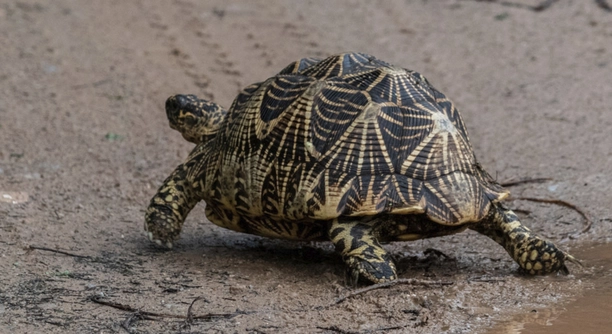
Is your star tortoise acting differently, making you wonder if it’s too hot or too cold? Temperature regulation is crucial for their well-being, and understanding the signs can help ensure they stay comfortable and healthy.
A star tortoise that is too hot may become lethargic, overheat, or attempt to escape its enclosure, while one that is too cold might stop eating, become inactive, or burrow excessively. Monitoring temperature changes is key to maintaining their ideal habitat.
Recognizing these subtle signs can make a big difference in your tortoise’s overall health. Learning what to look for will help you take action before temperature issues become serious.
7 Clues Your Star Tortoise Is Too Hot
A star tortoise that is overheating may show clear signs of discomfort. It might become restless, moving around excessively or trying to escape its enclosure. Some tortoises will stretch their necks and open their mouths in an attempt to cool down. If the enclosure is too hot, your tortoise may spend most of its time in shaded areas, avoiding direct light. A lack of appetite can also indicate overheating, as extreme temperatures cause stress. In severe cases, a tortoise that is too hot may become weak or unresponsive. If you notice these signs, it is essential to check the temperature and adjust it immediately.
Make sure the basking spot is not too intense, as high temperatures can quickly make your tortoise uncomfortable. Providing a shaded area and ensuring proper ventilation can help regulate heat levels.
A digital thermometer can help you monitor the temperature accurately. Keeping the warm side of the enclosure between 85–95°F and the cooler side around 75°F will create a comfortable gradient.
7 Clues Your Star Tortoise Is Too Cold
If your star tortoise is too cold, it may stop eating and become unusually inactive. Cold temperatures slow down their metabolism, making them lethargic.
A tortoise that is too cold may burrow more than usual, seeking warmth from the ground. In some cases, it may struggle to move and have difficulty walking. If the temperature remains too low for an extended period, digestion slows, leading to serious health issues. Long-term exposure to cold can weaken the immune system, making the tortoise more vulnerable to illness. The shell may also feel cold to the touch, which is a sign that the environment is not warm enough. If you notice these symptoms, check the temperature and make adjustments immediately.
Providing a proper heat source, like a basking lamp, will help keep your tortoise warm. Ensuring the enclosure maintains a stable temperature will prevent health problems and keep your tortoise comfortable.
How to Cool Down an Overheated Star Tortoise
Move your tortoise to a shaded area immediately if it shows signs of overheating. Lower the temperature in the enclosure by adjusting the heat lamp or moving it farther away. Provide fresh water and allow your tortoise to soak in shallow, lukewarm water for a few minutes.
Ensure the enclosure has proper ventilation to prevent excessive heat buildup. A well-ventilated space allows fresh air to circulate, helping regulate the temperature. If you use a heat lamp, consider using a thermostat to maintain safe temperatures. Avoid placing the enclosure in direct sunlight for extended periods, as this can cause overheating. If outdoor temperatures are too high, bring your tortoise indoors to a cooler environment. Offering a hideout with moist substrate can also help regulate body temperature, giving your tortoise a comfortable place to retreat.
Regularly monitoring the temperature inside the enclosure is essential. Check it daily using a digital thermometer to ensure it stays within the ideal range. If the heat source is too strong, switch to a lower-wattage bulb. Providing natural shade with plants or decorations can create a cooler area for your tortoise. Making these small adjustments will help prevent overheating and keep your tortoise comfortable and healthy.
How to Warm Up a Cold Star Tortoise
Slowly raise the temperature to avoid shocking your tortoise’s system. Move it to a warmer area and check the basking spot to ensure it is providing enough heat. If necessary, use an infrared heat lamp to help warm your tortoise gradually.
A cold tortoise may need extra warmth at night. Using a ceramic heat emitter can provide consistent heat without disturbing its sleep cycle. Make sure the enclosure maintains a steady temperature, with a warm basking area of 85–95°F and a cooler side around 75°F. If your tortoise remains inactive despite adjustments, gently soak it in lukewarm water for hydration and warmth. Cold temperatures can slow digestion, so keeping your tortoise warm will help its body function properly.
Insulating the enclosure can prevent heat loss. Adding a thick layer of substrate can help retain warmth. If your tortoise is kept outdoors, make sure it has access to a heated shelter during colder months. Keeping a stable, warm environment is key to maintaining your tortoise’s health.
Best Temperature Range for a Star Tortoise
A star tortoise thrives in temperatures between 85–95°F in the basking area and around 75°F on the cooler side. Nighttime temperatures should not drop below 70°F. Keeping a consistent temperature helps prevent health issues and supports proper digestion and activity levels.
Using a digital thermometer ensures accuracy in monitoring the enclosure. A thermostat-controlled heat lamp can help maintain stable temperatures. If keeping your tortoise outdoors, ensure a heated shelter is available during colder months. Providing both warm and cool areas allows your tortoise to regulate its body temperature as needed.
Signs Your Tortoise’s Temperature Is Just Right
A comfortable tortoise will be active, eat regularly, and explore its enclosure. It will bask under the heat lamp but also retreat to cooler areas when needed. Consistent movement, clear eyes, and a healthy appetite indicate the temperature is well-regulated.
Final Thoughts
Maintaining the right temperature keeps your star tortoise healthy and happy. Regular monitoring and small adjustments help prevent temperature-related issues.
FAQ
How often should I check my star tortoise’s enclosure temperature?
Check the temperature at least twice a day—once in the morning and once in the evening. Sudden temperature changes can affect your tortoise’s health. Using a digital thermometer and a thermostat helps maintain stable conditions inside the enclosure.
Can a star tortoise survive cold temperatures?
Star tortoises do not tolerate cold temperatures well. If exposed to prolonged cold, their metabolism slows, leading to digestive issues and potential illness. Keeping the enclosure warm, especially at night, is essential to prevent health problems and maintain their activity levels.
What happens if my tortoise gets too hot?
An overheated tortoise may become restless, stop eating, or attempt to escape its enclosure. In severe cases, overheating can cause dehydration or heatstroke. If your tortoise appears too hot, move it to a cooler area, provide fresh water, and adjust the enclosure’s temperature immediately.
How can I tell if my tortoise is dehydrated from overheating?
Dehydration signs include sunken eyes, dry skin, loss of appetite, and thick saliva. If your tortoise seems dehydrated, offer fresh water and soak it in shallow, lukewarm water for 15–20 minutes. Keeping the enclosure properly hydrated with a humidity level of 50–70% can prevent dehydration.
Should I use a heat mat for my star tortoise?
A heat mat is not the best option for star tortoises. They need overhead heat, like a basking lamp, to regulate their body temperature naturally. Heat mats can cause burns if a tortoise burrows too deep. A ceramic heat emitter is a safer choice for nighttime warmth.
How long should my tortoise bask each day?
A healthy star tortoise basks for several hours daily, usually in the morning and afternoon. If your tortoise is basking excessively or avoiding heat completely, it could be a sign that the enclosure temperature needs adjustment. Monitoring their behavior helps ensure they are comfortable.
What is the best lighting setup for a star tortoise?
A UVB bulb and a basking lamp are essential. The UVB light supports shell and bone health, while the basking lamp provides warmth. Both should run for 10–12 hours daily to mimic natural daylight. Replace UVB bulbs every six months for optimal effectiveness.
Can I keep my star tortoise outside year-round?
Only if the climate stays warm year-round. Outdoor enclosures should have a heated shelter for colder days. If temperatures drop below 70°F, bring your tortoise inside to prevent health issues. Shade, fresh water, and proper fencing are also important for outdoor safety.
What should I do if my tortoise stops eating due to cold temperatures?
Gradually warm up the enclosure and check that the basking area reaches at least 85°F. Cold temperatures slow digestion, so keeping your tortoise warm is essential. If it refuses food for more than a few days, consult a reptile vet to rule out health problems.
How do I prevent my tortoise’s enclosure from getting too hot or too cold?
Use a thermostat to control the heat lamp and monitor temperatures with a digital thermometer. Adjust the basking lamp’s distance if necessary. In colder months, insulate the enclosure and use a ceramic heat emitter for consistent warmth. Proper ventilation prevents overheating in warmer months.
Does humidity affect my tortoise’s temperature regulation?
Yes, humidity plays a role in keeping your tortoise comfortable. If the air is too dry, they may become dehydrated, while excessive humidity can lead to respiratory problems. Aim for a humidity level of 50–70% and mist the enclosure lightly if needed.
What is the best substrate for maintaining a stable temperature?
A mixture of topsoil and coconut coir helps retain heat and humidity while allowing burrowing. Avoid using sand or wood shavings, as they can cause respiratory issues. A thick layer of substrate provides insulation and keeps your tortoise comfortable.
Can temperature fluctuations stress my tortoise?
Yes, frequent changes in temperature can cause stress, leading to a weakened immune system, reduced appetite, and inactivity. Keeping the enclosure within a stable temperature range helps prevent stress-related health issues. Regular monitoring ensures a comfortable and healthy environment.
Final Thoughts
Keeping your star tortoise at the right temperature is essential for its overall health and well-being. Too much heat can lead to dehydration, stress, and even heatstroke, while cold temperatures slow down digestion and cause inactivity. Monitoring the temperature daily and making small adjustments as needed will help create a stable environment. A proper basking spot, a cooler retreat, and adequate humidity all play a role in keeping your tortoise comfortable. Providing a reliable heat source, like a basking lamp during the day and a ceramic heat emitter at night, ensures that temperatures remain steady. A well-maintained habitat supports natural behaviors, such as basking, burrowing, and exploring, which are signs of a healthy tortoise.
Paying attention to behavioral changes is just as important as checking temperature readings. If your tortoise is acting differently, such as refusing food, becoming restless, or staying in one spot for too long, it may be experiencing temperature-related stress. Adjustments to lighting, heat sources, and enclosure setup can often resolve these issues quickly. Using a digital thermometer and thermostat can help keep temperatures within a safe range, preventing sudden fluctuations. Small changes, like providing extra shade during hot months or increasing warmth in colder seasons, can make a big difference in your tortoise’s daily comfort. Observing your tortoise’s behavior over time will help you understand its specific needs and preferences.
Maintaining the right temperature is a long-term commitment, but it becomes easier with consistent monitoring and a well-designed setup. A stable environment reduces stress and promotes a strong immune system, keeping your tortoise active and healthy for years to come. Whether adjusting heat levels, improving ventilation, or fine-tuning humidity, these small efforts ensure your tortoise thrives. Understanding how temperature affects your tortoise will help you create the best possible conditions, leading to a happier and healthier pet.

Hello,
If you enjoy the content that we create, please consider saying a "Thank You!" by leaving a tip.
Every little bit helps us continue crafting quality advice that supports the health, happiness, and well-being of pets around the world, for pets of all shapes, sizes, and species.
We really appreciate the kindness and support that you show us!