
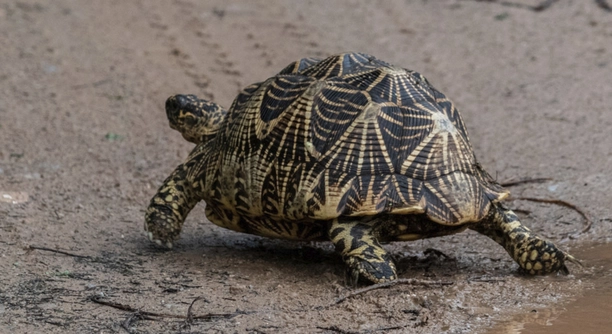
Is your star tortoise shedding, and you’re unsure if it’s normal? Shedding is a natural process for tortoises, but it’s important to recognize when it’s healthy and when it could signal an underlying issue.
A star tortoise sheds normally when the outermost layer of its scutes peels away in thin, translucent flakes. This process should be gradual and even, without large chunks falling off or exposing raw skin underneath. Excessive shedding may indicate illness or improper husbandry.
Recognizing normal shedding patterns can help you ensure your tortoise stays healthy. From shell health to potential warning signs, understanding these details can make all the difference in your pet’s well-being.
7 Signs Your Star Tortoise Is Shedding Normally
A healthy star tortoise will shed its scutes gradually, with thin flakes coming off over time. The new layer underneath should look smooth and firm. If the shedding process happens evenly without large patches missing, it is usually normal. The tortoise’s behavior should remain unchanged, and there should be no signs of distress. Proper humidity and a well-balanced diet help ensure shedding occurs naturally. Additionally, the shedding should not expose raw skin or cause discomfort. If the flakes appear dry but easily fall away, there is no need for concern.
Keep an eye on your tortoise’s shell for any unusual changes. If you notice cracks, deep pits, or foul smells, it could indicate a problem. A healthy tortoise will not excessively rub its shell against objects or show signs of irritation. Monitoring these details can help you distinguish between normal shedding and potential health concerns.
Maintaining the right humidity levels in your tortoise’s enclosure supports proper shedding. A lack of moisture can lead to retained scutes, making it harder for them to shed naturally. Regularly misting the enclosure and providing a shallow water dish can help. Feeding your tortoise nutrient-rich foods also promotes healthy shell growth and prevents complications during the shedding process.
Signs of Abnormal Shedding
If your tortoise’s scutes are coming off in large, uneven patches, this is not normal. The shell should remain smooth without deep indentations or exposed layers. Any excessive shedding that looks rough or inconsistent may indicate a health issue.
Abnormal shedding can result from improper diet, low humidity, or underlying infections. If the shell appears soft or discolored, this could be a sign of a nutritional deficiency. Fungal or bacterial infections may cause areas of the shell to become flaky and weak. If you notice a foul odor, this may suggest an infection that requires immediate attention. A tortoise that frequently rubs against objects or shows discomfort may be experiencing irritation.
To prevent abnormal shedding, ensure your tortoise has a balanced diet with enough calcium and vitamin D3. Keep the enclosure’s humidity at an appropriate level, as dry conditions can lead to retained scutes. If you suspect an infection or other health issue, consult a veterinarian who specializes in reptiles. Early detection can prevent long-term damage to your tortoise’s shell and overall well-being.
How to Support Healthy Shedding
Providing proper humidity levels helps prevent retained scutes. Star tortoises need a humidity range of 50–70% to shed normally. If the air is too dry, shedding may become uneven or delayed. Misting the enclosure and offering a humid hide can create the right conditions for natural shedding.
A well-balanced diet supports shell health. Calcium and vitamin D3 are essential for strong, healthy scutes. Leafy greens, calcium supplements, and occasional exposure to natural sunlight or UVB lighting help prevent deficiencies. Hydration also plays a key role, so ensure your tortoise has access to clean water at all times. Without proper nutrition, the shell can become brittle or develop irregular growth patterns, making shedding difficult.
Encouraging gentle movement helps loosen shedding scutes. Allow your tortoise to explore a safe environment where it can naturally rub against surfaces. Providing rough surfaces like flat stones can assist the shedding process without causing harm. Avoid manually peeling off scutes, as this can damage new shell growth. Instead, let shedding happen naturally. If shedding appears to be prolonged or problematic, adjusting the enclosure’s humidity and diet may help resolve minor issues without medical intervention.
When to Seek Veterinary Care
If shedding reveals soft, discolored, or foul-smelling areas, this may indicate an infection or shell rot. Bacterial and fungal infections can develop in weakened shells, causing further complications. Any sign of oozing, deep cracks, or unusual sensitivity requires immediate veterinary attention to prevent the condition from worsening.
Persistent retained scutes can lead to layering, which may interfere with shell growth. If a tortoise has difficulty shedding for an extended period, professional treatment may be necessary. A veterinarian can assess the shell’s health and provide guidance on improving the enclosure’s conditions. Severe cases may require medical intervention to remove retained scutes safely.
Unusual behaviors such as lethargy, loss of appetite, or excessive rubbing against surfaces may indicate an underlying issue. If these signs persist alongside abnormal shedding, a vet visit is essential. Catching health problems early helps ensure your tortoise remains in good condition. Regular checkups, a proper diet, and a well-maintained habitat all contribute to a healthy, smooth shedding process.
Common Mistakes That Affect Shedding
Keeping the enclosure too dry can lead to retained scutes. Without enough humidity, the old layers may not shed properly, causing buildup. Regularly misting the habitat and providing a humid hide can help prevent these issues and keep the shell in good condition.
Overhandling a shedding tortoise can cause unnecessary stress. While gentle interaction is fine, excessive handling may disrupt the natural shedding process. Letting the tortoise shed at its own pace is best. Avoid peeling or pulling off scutes, as this can damage the underlying layers and lead to infections.
Safe Ways to Assist Shedding
A shallow soak in lukewarm water for 10–15 minutes can help loosen dry scutes. This is especially useful if shedding seems delayed. Always supervise soaks and ensure the water is shallow enough to prevent accidental drowning. A soft, damp cloth can also be gently wiped over the shell.
Final Thoughts on Shedding
Shedding is a normal part of a star tortoise’s growth. Providing the right humidity, diet, and care helps ensure a smooth process. Paying attention to any abnormalities can prevent serious issues and keep your tortoise healthy for years to come.
FAQ
How often do star tortoises shed?
Star tortoises shed their scutes gradually rather than all at once. Shedding frequency depends on factors like growth rate, diet, and humidity levels. Younger tortoises may shed more often because they grow faster, while adults shed at a slower, more irregular pace. Providing proper care helps ensure healthy shedding.
Is it normal for my tortoise’s shell to look flaky?
A thin, flaky layer coming off the shell is completely normal. Shedding occurs in small, translucent pieces rather than large patches. If the new scutes underneath look smooth and healthy, there is no need for concern. However, excessive flaking with signs of damage may indicate improper humidity or a health issue.
Can I help remove shedding scutes?
It is best to let scutes shed naturally. Peeling or pulling them off can expose sensitive areas and cause injury. Instead, focus on keeping the enclosure humid and offering rough surfaces for the tortoise to rub against. A shallow soak can help soften stubborn scutes without causing harm.
What does unhealthy shedding look like?
Abnormal shedding includes large scutes falling off unevenly, soft spots, discoloration, or foul smells. If the shell looks rough, cracked, or has indentations, there could be an underlying problem. Retained scutes that do not shed properly may also indicate issues with diet, humidity, or overall health.
Why is my tortoise’s shell turning white while shedding?
A white, flaky appearance is often a sign of normal shedding. However, if the white areas feel rough, chalky, or spread unevenly, it could be a fungal infection or mineral buildup. Checking for other symptoms like excessive dryness or shell softness can help determine if veterinary care is needed.
Can improper diet affect shedding?
A poor diet can lead to abnormal shedding patterns. Calcium and vitamin D3 are essential for shell health, and a lack of these nutrients may cause scutes to become brittle or shed irregularly. Feeding a balanced diet with leafy greens, calcium supplements, and proper UVB exposure supports healthy shell growth.
Does my tortoise need extra humidity while shedding?
Maintaining proper humidity levels is always important, but extra moisture may be helpful during shedding. Dry conditions can lead to retained scutes, making shedding more difficult. Light misting, a humid hide, or occasional soaks can provide additional moisture without making the enclosure too damp.
What if my tortoise keeps rubbing against objects?
Occasional rubbing is normal and helps loosen shedding scutes. However, frequent or aggressive rubbing may indicate irritation, discomfort, or an underlying issue. Check the shell for abnormalities and ensure the enclosure is set up correctly with proper humidity and nutrition to support healthy shedding.
How do I know if my tortoise needs a vet for shedding issues?
If shedding is accompanied by deep cracks, soft shell areas, bleeding, or a bad odor, veterinary care is necessary. Persistent retained scutes, extreme flaking, or unusual behavior like lethargy may also be signs of a problem. Early treatment can prevent serious complications and keep your tortoise healthy.
Final Thoughts
Shedding is a natural and necessary process for star tortoises. When it happens gradually and evenly, it is a sign of healthy shell growth. The outer scutes flake off in thin, translucent layers, allowing the new layers underneath to develop properly. Keeping the enclosure at the right humidity level, offering a well-balanced diet, and ensuring access to UVB lighting all contribute to a smooth shedding process. If your tortoise sheds without any signs of discomfort or shell damage, there is no need for concern. Regular observation helps you notice changes early and adjust care as needed.
Abnormal shedding can be a warning sign of health issues. If scutes fall off in large chunks, expose soft areas, or give off a foul odor, there may be an infection or a problem with diet and environment. Retained scutes can also lead to layering, which may affect the tortoise’s shell structure over time. Poor humidity, lack of calcium, or an unclean habitat can make shedding difficult. Watching for signs of discomfort, like excessive rubbing or lethargy, can help you determine if your tortoise needs extra care. Addressing these issues early prevents more serious complications and keeps the shell in good condition.
Maintaining a proper habitat is the best way to support your tortoise’s shedding process. A clean, well-humidified enclosure, a nutritious diet, and access to gentle surfaces for natural rubbing help prevent shedding problems. Avoid peeling or pulling off scutes, as this can damage the new growth underneath. If you notice persistent shedding issues or signs of illness, consulting a reptile veterinarian is always a good idea. With proper care and attention, your star tortoise will continue to shed normally and stay healthy for years to come.

Hello,
If you enjoy the content that we create, please consider saying a "Thank You!" by leaving a tip.
Every little bit helps us continue crafting quality advice that supports the health, happiness, and well-being of pets around the world, for pets of all shapes, sizes, and species.
We really appreciate the kindness and support that you show us!