
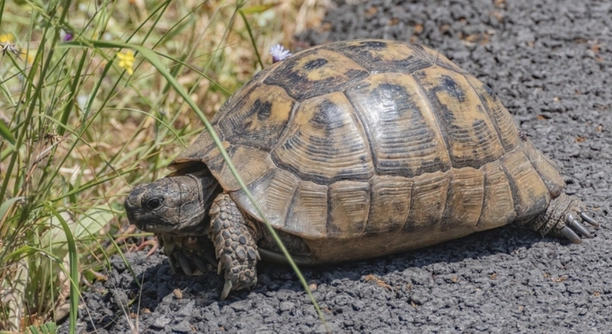
Is your Russian tortoise’s shell looking dull or flaky? A dry shell can indicate underlying health issues or improper habitat conditions. Understanding the signs of dryness will help you maintain your tortoise’s shell health and overall well-being.
A Russian tortoise’s shell becomes too dry due to low humidity, inadequate hydration, or improper substrate. Signs include a brittle texture, flaking, or visible cracks. Maintaining proper humidity levels, offering regular soaks, and providing a well-balanced diet can help prevent excessive dryness.
Shell health is essential for your tortoise’s comfort and longevity. Learning how to recognize dryness and address it effectively will support their overall care.
Signs of a Dry Shell
A dry shell often appears flaky, rough, or brittle. You may notice small cracks or discoloration, which can make the shell look unhealthy. If left untreated, prolonged dryness can weaken the shell’s structure, making it more prone to damage. Proper hydration and environmental adjustments can help maintain shell health.
A healthy Russian tortoise shell should feel smooth and firm. If it appears excessively dry, consider adjusting the humidity and checking their hydration levels. Simple changes in habitat conditions and diet can significantly impact shell moisture and overall well-being.
Lack of moisture can result from low humidity, infrequent soaking, or an improper diet. If your tortoise’s shell feels rough or starts flaking, increasing humidity and providing fresh water regularly can help. Adding moisture-retaining materials to the enclosure, such as damp sphagnum moss, can also make a difference.
How to Prevent Shell Dryness
Maintaining proper humidity levels is key to preventing dryness. Russian tortoises need a balanced environment with access to fresh water and occasional soaking. Keeping humidity around 40-50% ensures their shell stays healthy without becoming too damp. Monitoring the enclosure’s conditions helps maintain an ideal habitat.
A well-maintained enclosure plays a crucial role in preventing shell dryness. Use a high-quality substrate, such as a mix of topsoil and sand, to help retain moisture. Misting the enclosure lightly can improve humidity without making it too wet. A shallow water dish allows your tortoise to hydrate as needed.
Regular soaking is essential for hydration. Soaking your tortoise in shallow, lukewarm water for about 15 minutes a few times a week can prevent excessive dryness. Their diet also plays a role. Leafy greens like dandelion greens and collard greens provide hydration. Ensuring a proper balance of calcium and vitamins supports overall shell health.
Best Ways to Keep Your Tortoise Hydrated
Providing fresh water daily is essential. A shallow dish with clean water allows easy access for drinking and occasional soaking. Dehydration can contribute to shell dryness, so ensuring a consistent water source helps maintain proper hydration and overall health.
Regular soaking helps prevent dehydration. A warm water soak for 15 minutes, two to three times a week, allows moisture absorption through the skin and shell. This practice also encourages natural behaviors like drinking and cooling down. If your tortoise spends a lot of time in a dry environment, increasing soak frequency may be necessary.
A moisture-rich diet supports hydration. Leafy greens like romaine lettuce, dandelion greens, and mustard greens have high water content. Occasional treats like cucumbers or bell peppers add variety while boosting hydration. Avoid feeding iceberg lettuce, as it lacks essential nutrients. Providing a mix of fresh vegetables ensures your tortoise stays hydrated naturally.
Adjusting the Enclosure for Proper Humidity
Using the right substrate helps maintain humidity. A mix of topsoil and sand provides a natural feel while retaining moisture. Adding damp sphagnum moss in hide areas creates a humid microclimate. Avoid overly dry materials like wood shavings, as they can contribute to shell dryness and irritation.
Misting the enclosure lightly increases humidity without making it too damp. Spraying the substrate and walls with water once or twice daily helps maintain moisture levels. Be cautious not to oversaturate the enclosure, as excessive humidity can lead to respiratory issues. A humidity gauge ensures proper monitoring, keeping levels between 40-50%.
Proper ventilation balances humidity and prevents mold growth. Placing the enclosure in a stable environment away from direct heat sources helps maintain consistency. Using a humid hide with a damp substrate provides a comfortable space for moisture retention. Regularly checking and adjusting conditions ensures your tortoise’s shell remains healthy and well-hydrated.
Signs Your Tortoise Needs More Moisture
A flaky or brittle shell is an early sign of dryness. If the shell appears rough, cracked, or dull, your tortoise may need more hydration. Regularly checking for changes in texture helps identify potential issues before they become severe.
Reduced activity and lack of appetite can indicate dehydration. A well-hydrated tortoise remains active and alert. If your tortoise becomes sluggish or refuses food, increasing humidity and offering more water may help. Soaking them regularly can also improve hydration and prevent further dryness.
Choosing the Right Substrate
A good substrate helps maintain proper moisture levels. Topsoil, coconut coir, and cypress mulch hold humidity well without becoming too damp. Avoid using sand alone, as it can dry out the enclosure and cause respiratory issues. A mix of different materials creates a balanced environment that supports hydration and shell health.
Monitoring Your Tortoise’s Health
Checking the shell regularly ensures it stays in good condition. Feeling for rough patches or cracks helps detect early signs of dryness. Observing behavior, such as frequent hiding or avoiding food, can indicate hydration issues. Small adjustments to diet and enclosure conditions can make a significant difference in overall health.
FAQ
How can I tell if my tortoise’s shell is too dry?
A dry shell will often feel rough, flaky, or brittle. It may start to crack or lose its smooth texture. The edges may appear jagged, and you might see a dull or ashen color. If your tortoise’s shell shows these signs, it may need increased humidity or hydration. Regularly feeling the shell and monitoring its appearance will help you identify when it’s time to make adjustments.
What can I do if my Russian tortoise’s shell is dry?
If your tortoise’s shell appears dry, start by increasing humidity in the enclosure. You can add damp sphagnum moss to the habitat and mist the enclosure lightly each day. Regular soaks in warm water for 15-20 minutes a few times a week will also help hydrate the shell. Additionally, make sure your tortoise is eating a balanced diet with moisture-rich foods.
How often should I soak my tortoise to keep its shell healthy?
Soaking your tortoise two to three times a week is recommended. Ensure the water is lukewarm and shallow. A soak duration of 15 to 20 minutes allows your tortoise to rehydrate through its skin. The frequency may vary depending on the tortoise’s activity level and the environmental humidity. Soaking is especially important if you live in a dry climate.
Can a dry shell lead to health problems?
Yes, a dry shell can cause long-term health issues. If left unaddressed, shell dehydration can result in cracks, brittle spots, and even deformities. The lack of moisture can affect the tortoise’s overall health, leading to other issues like dehydration, malnutrition, or infections. Maintaining proper shell hydration ensures overall health and comfort for your tortoise.
Is there a specific humidity level my tortoise’s habitat should have?
Russian tortoises prefer humidity levels between 40-50%. Too much humidity can lead to respiratory issues, while too little can dry out their shells. To monitor the humidity, use a hygrometer and adjust the enclosure’s conditions accordingly. Keep the substrate slightly moist but not soaking wet to maintain an ideal environment.
How can I make sure my tortoise gets enough water?
Providing fresh water daily is essential. A shallow water dish will allow your tortoise to drink easily. Additionally, soaking your tortoise once or twice a week in lukewarm water will help ensure it stays hydrated. A diet with moisture-rich vegetables like leafy greens will also contribute to hydration.
Can the diet affect the condition of my tortoise’s shell?
Yes, diet plays a crucial role in the health of your tortoise’s shell. Offering fresh, water-dense vegetables like dandelion greens, collard greens, and romaine lettuce will help maintain hydration. Additionally, a balanced diet rich in calcium, fiber, and vitamins ensures proper shell development. Avoid feeding your tortoise iceberg lettuce, as it lacks essential nutrients.
What type of substrate should I use to prevent a dry shell?
A mix of topsoil and sand is ideal for maintaining proper humidity levels. Substrates like coconut coir or cypress mulch also retain moisture effectively. Avoid using materials like pine or cedar shavings, as they can dry out the air and lead to respiratory problems. Ensure the substrate is slightly damp, but not overly wet.
What are the signs that my tortoise is not drinking enough water?
Signs of dehydration in tortoises include lethargy, reduced appetite, and dry, flaky skin or shell. If your tortoise is not drinking enough, it may also appear less active and more reclusive. Keeping an eye on its behavior and ensuring it has access to fresh water daily is essential to prevent dehydration.
Can I use a heat lamp to maintain humidity?
Heat lamps are great for maintaining temperature, but they can dry out the air. To avoid drying the enclosure out too much, place the heat lamp on one side of the habitat to create a temperature gradient. You can increase humidity by adding a misting system or damp moss to the enclosure to balance out the heat.
Is it okay to use a humidifier in my tortoise’s enclosure?
A humidifier can be helpful in maintaining consistent humidity levels in your tortoise’s enclosure, especially in dry climates. However, be sure to monitor the humidity levels regularly, as too much moisture can cause respiratory problems. A good balance is key, so use a hygrometer to keep track of the humidity.
Can a dry shell cause other health issues in my tortoise?
Yes, a dry shell can lead to other health concerns. If your tortoise is not hydrated properly, it can lead to dehydration, which affects digestion and overall bodily functions. In severe cases, a lack of hydration can cause metabolic bone disease, weakened immunity, and poor shell development. It’s important to address dryness early to avoid these complications.
What’s the best way to ensure my tortoise stays hydrated in winter?
During the winter, humidity levels can drop, leading to drier conditions. To prevent dehydration, increase humidity in the enclosure by using a humidity gauge. You can also place a shallow water dish and soak your tortoise more frequently during the colder months to help it stay hydrated.
How often should I change the substrate in my tortoise’s enclosure?
Substrate should be changed every 1-2 months, depending on how soiled it becomes. Clean the enclosure regularly by removing waste and replacing the top layer of substrate. If you’re using organic materials like coconut coir or topsoil, it’s important to refresh it periodically to maintain cleanliness and moisture retention.
Can excessive humidity cause shell problems?
Yes, too much humidity can cause respiratory issues and may lead to fungal or bacterial infections. To prevent these problems, maintain a humidity level between 40-50%. It’s important to monitor the enclosure closely and make adjustments to avoid both dry and overly humid conditions, ensuring your tortoise’s shell remains healthy.
Final Thoughts
Maintaining a healthy environment for your Russian tortoise is essential to its overall well-being. A dry shell is one of the most common signs that your tortoise might need more moisture, but it is also preventable with the right care. By monitoring humidity levels, providing regular soaks, and ensuring a balanced diet, you can prevent dehydration and shell dryness from becoming a serious issue. It’s important to regularly check your tortoise’s shell and behavior, as these small adjustments can make a big difference in their health.
Remember that a proper habitat is key to a healthy tortoise. The right substrate helps retain moisture, and ensuring access to clean water every day encourages hydration. Keep your enclosure in the ideal temperature range while also maintaining the correct humidity. A good balance of both helps your tortoise stay comfortable and active. If your tortoise’s shell does appear dry or cracked, act quickly by adjusting the environment and offering more water. The quicker you address the issue, the easier it will be to prevent long-term damage.
In the end, a happy tortoise is one that has access to proper care and a well-maintained habitat. Regular observation of their shell, behavior, and overall health is a simple yet effective way to catch issues early. By staying consistent with hydration, providing the correct environment, and feeding a nutritious diet, you can ensure your tortoise’s shell remains healthy and strong. Keeping these practices in mind will help you build a safe and comfortable home for your tortoise, supporting its health for years to come.

Hello,
If you enjoy the content that we create, please consider saying a "Thank You!" by leaving a tip.
Every little bit helps us continue crafting quality advice that supports the health, happiness, and well-being of pets around the world, for pets of all shapes, sizes, and species.
We really appreciate the kindness and support that you show us!