
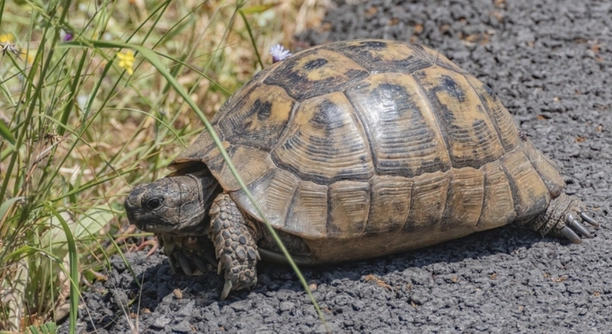
Russian tortoises are popular pets, but they require special care to stay healthy. Knowing when they need veterinary attention can be tricky for some owners. This guide will help you recognize key signs of a potential health issue.
A veterinarian visit may be necessary if your Russian tortoise shows signs of lethargy, loss of appetite, respiratory distress, or unusual behavior. These symptoms can indicate infections, parasites, or other health concerns that require professional attention to ensure their well-being.
Recognizing these signs early can help prevent further complications and keep your tortoise in optimal health. Keep reading to learn more about how to assess your pet’s health.
Recognizing Lethargy and Weakness
One of the most noticeable signs that your Russian tortoise might need a vet visit is a sudden change in its energy levels. Tortoises are generally active, so if your pet is spending more time sleeping or moving sluggishly, it could signal an underlying issue. A healthy tortoise will usually be alert, eating, and exploring its environment. A tortoise that seems overly tired or weak may be dealing with an infection, dehydration, or even metabolic bone disease. If these signs persist for more than a day or two, it’s time to seek professional advice.
Lack of energy can result from something as simple as improper lighting or diet. Ensure your tortoise has access to enough UVB light and a balanced diet to prevent these issues. However, if the lethargy continues despite these factors being correct, it’s better to be safe and get it checked by a vet.
Monitoring your tortoise’s behavior and energy levels regularly will help you catch these problems early. A quick response can make a big difference in recovery. If you’re concerned, don’t hesitate to contact a vet.
Loss of Appetite
Loss of appetite in tortoises is a sign of potential health issues. A tortoise that refuses to eat for several days is not normal. This could be linked to stress, infection, or poor husbandry conditions.
If your Russian tortoise is consistently refusing food, it could be suffering from a digestive issue or dehydration. In some cases, changes in their diet or environment might cause temporary loss of appetite. However, if the behavior continues, a vet visit is recommended to rule out more serious health concerns.
It’s important to closely monitor their diet and environment. A healthy tortoise should be eating regularly, and prolonged refusal to eat can lead to further health problems, including weight loss and weakness. A visit to the vet will help identify the cause and determine the right treatment.
Difficulty Breathing
If your Russian tortoise is wheezing, breathing with its mouth open, or showing signs of nasal discharge, it may be struggling with respiratory issues. These could be symptoms of a respiratory infection or another underlying health problem.
Tortoises breathe through their noses, and clear nasal discharge can be normal from time to time. However, if there is persistent mucus or wheezing sounds, it might signal an infection, which requires prompt treatment. These issues are more common in tortoises kept in overly humid or cold environments.
Untreated respiratory infections can worsen quickly. If you notice changes in breathing patterns or signs of distress, get your tortoise checked by a vet. Early intervention can help prevent complications and ensure a smoother recovery.
Shell Issues
Your tortoise’s shell is a key indicator of its health. If you notice cracks, soft spots, or unusual discoloration, these could be signs of shell rot, fungal infections, or trauma.
A healthy shell should be hard, smooth, and free of visible damage. If the shell starts to feel soft or spongy, it could be a sign of calcium deficiency or an infection. Shell discoloration may indicate fungal or bacterial growth. Keeping your tortoise in the right conditions can help prevent these problems, but if any symptoms appear, it’s essential to seek veterinary help.
Shell issues require immediate attention. A vet will assess the damage and recommend treatment, which may include medication or adjustments to diet and habitat. Keeping your tortoise’s shell in good condition is crucial for its overall health.
Unusual Behavior
If your Russian tortoise suddenly starts acting strangely—such as pacing excessively, hiding more than usual, or showing aggression—these behaviors could indicate stress, pain, or illness.
Tortoises are creatures of habit. Any sudden change in behavior should raise concern. For example, excessive hiding can signal a health problem, while aggression may be a sign of discomfort. Stress caused by changes in their environment, diet, or temperature can also affect behavior.
Pay attention to your tortoise’s actions and try to identify any changes. If these unusual behaviors persist, it’s worth consulting a vet for further evaluation.
Digestion Issues
If your tortoise has irregular bowel movements, it may indicate a digestive issue. Diarrhea or constipation can be symptoms of stress, poor diet, or illness.
A healthy tortoise should have firm, well-formed stools. If the droppings appear watery or too dry, it’s a sign that something is off. Poor digestion can lead to dehydration and further complications. Be sure to monitor their diet, ensuring they’re getting the proper nutrients. If problems continue, a vet can recommend the right treatment.
If digestive issues persist, it’s best to seek veterinary care. Proper digestion is key to your tortoise’s health, and a vet can help address any underlying causes.
Weight Loss
Consistent weight loss in your tortoise can be a clear sign that something is wrong. It could be due to parasites, illness, or poor diet.
Weight loss can be gradual or sudden, and it often signals a deeper issue. If your tortoise’s shell feels loose or its body seems smaller than usual, it’s important to take notice. Illnesses like metabolic bone disease or parasites can cause weight loss. Make sure your tortoise is eating enough, and if the weight continues to drop, schedule a vet visit.
FAQ
How do I know if my Russian tortoise is sick?
A sick tortoise may show signs like lethargy, loss of appetite, difficulty breathing, or changes in behavior. Pay attention to any visible changes in its activity levels, eating habits, or breathing patterns. If you notice any of these symptoms persisting for more than a day or two, it’s best to consult a vet.
What should I do if my Russian tortoise isn’t eating?
If your tortoise refuses to eat, check its environment. Ensure the temperature and humidity levels are correct, as poor conditions can cause a lack of appetite. If everything seems fine and your tortoise continues to refuse food, it may be ill and needs a vet visit.
How can I prevent respiratory infections in my Russian tortoise?
Respiratory infections are often caused by incorrect temperatures or humidity levels. Ensure your tortoise’s enclosure is at the proper temperature with appropriate UVB lighting. Keep the enclosure clean and dry, as damp conditions can lead to respiratory problems.
What is the ideal temperature for a Russian tortoise?
Russian tortoises thrive in temperatures between 75-85°F (24-29°C) during the day. At night, the temperature can drop to around 65-75°F (18-24°C). Providing a proper heat source, like a basking lamp, helps your tortoise regulate its body temperature.
How often should I feed my Russian tortoise?
Young Russian tortoises need to be fed daily, while adults can be fed every other day. A balanced diet of leafy greens, vegetables, and occasional fruits should be provided. Avoid feeding high-protein foods regularly, as it can cause health issues.
Can I give my Russian tortoise fruit?
Yes, but fruit should only be given as an occasional treat. Too much sugar can upset your tortoise’s digestion. Stick to small amounts of safe fruits like strawberries, apples, or melons. Always remove uneaten fruit to prevent mold growth.
How do I know if my Russian tortoise’s shell is healthy?
A healthy shell should be smooth, hard, and free of cracks or soft spots. If the shell appears soft, discolored, or damaged, it could be a sign of an infection, calcium deficiency, or trauma. Consult a vet if you notice any irregularities.
What can cause my Russian tortoise to become dehydrated?
Dehydration can occur if your tortoise isn’t drinking enough water or if the humidity in its enclosure is too low. Make sure fresh water is always available and that the enclosure has the right humidity level to encourage hydration.
What’s the best way to handle my Russian tortoise?
Handle your tortoise gently, supporting its body from underneath. Avoid grabbing it by the shell, as this can cause stress or injury. Keep handling to a minimum to avoid stressing your tortoise, as they are not used to frequent interactions.
How do I prevent shell rot in my Russian tortoise?
Shell rot is often caused by prolonged exposure to moisture or unsanitary conditions. Keep your tortoise’s living space dry and clean. Ensure it has proper access to basking areas and UVB light, and avoid overcrowding in the enclosure.
What should I do if my Russian tortoise is sick and needs a vet?
If you notice any of the signs of illness, it’s important to get your tortoise checked by a vet who specializes in reptiles. Keep the tortoise calm and ensure it stays in a warm, clean environment while you prepare for the visit.
How often should I take my Russian tortoise to the vet?
Routine check-ups are not always necessary unless you notice signs of illness. However, taking your tortoise to the vet once a year for a general health check can help catch any issues early. More frequent visits may be needed if problems arise.
Is it safe to have multiple Russian tortoises in the same enclosure?
It’s possible to house multiple Russian tortoises together, but it can lead to territorial behavior, especially if there isn’t enough space. If you do house more than one tortoise, ensure the enclosure is large enough to give them plenty of space to roam and establish their territory.
What should I do if my Russian tortoise has mites or parasites?
Mites and parasites can cause skin irritation, weight loss, and other health problems in tortoises. If you suspect your tortoise has mites or internal parasites, visit a vet immediately. They will be able to diagnose the issue and recommend the proper treatment.
How do I create a suitable habitat for my Russian tortoise?
A suitable habitat for your tortoise should include a large, well-ventilated enclosure with proper lighting, temperature control, and humidity. Provide areas for basking, hiding, and foraging. Adding safe plants and natural elements will mimic their natural environment.
Can I take my Russian tortoise outside?
Yes, Russian tortoises enjoy spending time outdoors, but it’s important to ensure the area is safe. Avoid areas with pesticides, predators, or extreme weather conditions. Provide a shaded area and make sure the ground is not too hot.
What signs should I look for to detect parasites in my Russian tortoise?
Signs of parasites include weight loss, lethargy, diarrhea, or abnormal stools. You may also notice your tortoise rubbing its face or scratching. If you notice any of these symptoms, take your tortoise to a vet for a fecal exam.
Can Russian tortoises live with other types of reptiles?
It’s not recommended to house Russian tortoises with other species of reptiles, as different species can carry diseases that may harm your tortoise. Additionally, differing habitat needs and territorial behaviors can lead to stress or injury.
What should I do if my Russian tortoise is shedding its skin?
Shedding is normal for tortoises, but excessive shedding may indicate an issue. If your tortoise is shedding its skin, make sure the humidity levels are correct and it has access to water for proper hydration. If the shedding seems abnormal, consult a vet.
Final Thoughts
Caring for a Russian tortoise requires attention to its environment, diet, and health. By maintaining proper temperature and humidity, you can help your tortoise thrive. A balanced diet of greens, occasional fruits, and access to fresh water is essential for its well-being. Observing your tortoise closely for any signs of illness, such as changes in appetite, activity, or behavior, will help you identify potential health issues early.
Regular cleaning of the enclosure is important to avoid infections and ensure a healthy living space. Be sure to provide a basking spot with proper UVB lighting, as this helps your tortoise with digestion and overall health. Handling your tortoise with care, ensuring it has enough space to roam, and minimizing stress are all key factors to keeping it happy and healthy. Additionally, consider taking your tortoise to a reptile vet for routine check-ups, especially if you notice any concerning signs.
Ultimately, being a responsible tortoise owner involves creating a safe and comfortable environment for your pet, while being proactive about its health. Keeping a consistent routine and understanding the signs that your tortoise may need medical attention will help prevent many common issues. Taking the time to learn about your tortoise’s needs and behaviors can lead to a long, healthy, and fulfilling life for your pet.

Hello,
If you enjoy the content that we create, please consider saying a "Thank You!" by leaving a tip.
Every little bit helps us continue crafting quality advice that supports the health, happiness, and well-being of pets around the world, for pets of all shapes, sizes, and species.
We really appreciate the kindness and support that you show us!