
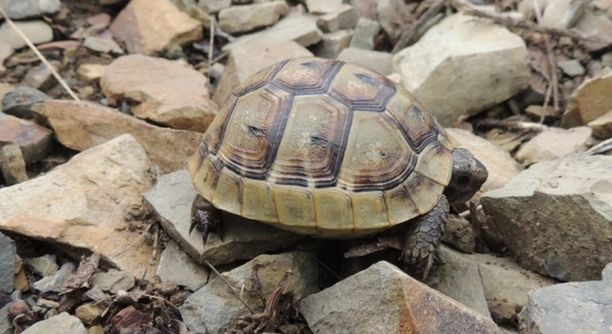
As a pet owner, it’s important to ensure your Russian tortoise stays comfortable throughout the night. They need the right environment to stay healthy, especially when temperatures drop. Here’s how to tell if your tortoise is too cold.
Russian tortoises are cold-blooded and rely on external heat sources to regulate their body temperature. If the nighttime temperature in their enclosure falls below 60°F (15°C), they can become too cold, affecting their health and metabolism.
By keeping an eye on your tortoise’s behavior and the temperature in their habitat, you can prevent any cold-related issues. Taking small steps now will help your pet stay healthy through the colder months.
Understanding Your Russian Tortoise’s Temperature Needs
Russian tortoises are particularly sensitive to temperature changes, especially during the night. As reptiles, they are cold-blooded and rely on their environment to regulate their body temperature. If their enclosure gets too cold at night, it can disrupt their metabolism and make them sluggish. Temperatures in the wild usually drop at night, but in a controlled environment, it’s important to keep the temperature stable.
A nighttime temperature between 65°F and 75°F (18°C to 24°C) is ideal for your tortoise. If the temperature drops below 60°F (15°C), it may lead to hibernation-like behavior, and their activity will slow down. This isn’t healthy for them in captivity.
Monitoring your tortoise’s temperature is easy with a reliable thermometer. Make sure to check the enclosure’s temperature at various points to ensure it stays within the correct range. A drop in temperature could cause your tortoise to become inactive, so it’s important to act quickly if you notice any signs of discomfort.
Signs That Your Tortoise is Too Cold
If your tortoise is too cold, you may notice several changes in its behavior. It may become very still or hide in a corner, seeking warmth.
One of the first signs of cold stress in a Russian tortoise is a lack of movement. They may remain in one spot for hours or even days, not eating or drinking. You may also notice that they seem lethargic or withdrawn, with their shell feeling cold to the touch. If they are exposed to cold temperatures for too long, their immune system can weaken, making them more prone to illness.
A key sign of a cold tortoise is if they’re not eating, drinking, or moving much. These behaviors are red flags that they might be experiencing temperature-related stress. If you notice these signs, it’s crucial to warm their environment immediately. Adding a heat lamp or adjusting their heat source can help regulate the temperature and return them to normal activity.
How to Warm Up Your Russian Tortoise
If you find that your tortoise is too cold, it’s important to raise the temperature in their enclosure right away. You can do this by adjusting the heat source.
Start by adding a heat lamp over the basking area. This will allow your tortoise to warm up gradually. Make sure the lamp is at a safe distance from the tortoise to avoid burns. You can also use an under-tank heating pad to provide warmth from below. Both methods work well to keep the habitat warm and comfortable.
Additionally, placing your tortoise in a warmer room temporarily can help. Keep the enclosure away from drafts and cold spots. If necessary, use a thermometer to monitor the temperature and ensure it stays within the ideal range of 65°F to 75°F. Consistent heat is key to keeping your tortoise healthy.
Long-Term Temperature Control
Maintaining a stable temperature over time is essential for your tortoise’s well-being. Use a reliable thermostat to ensure that your heating elements don’t overheat or underheat.
Setting up a thermostat connected to your heating pad or lamp will help you maintain the right temperature without constant adjustments. This is an easy way to ensure that your tortoise stays in a comfortable environment even when you aren’t around to monitor it. Another option is investing in an enclosure that is well-insulated to reduce heat loss. Keeping the enclosure in a warm area of your home will also help reduce the need for frequent heating adjustments.
By creating a stable environment, your tortoise will feel more comfortable and active. It will also help avoid the stress that comes with sudden temperature changes.
Common Mistakes to Avoid
Avoid placing your tortoise in a room that fluctuates in temperature. Rapid changes can cause stress and health problems.
It’s crucial not to rely solely on heat lamps. Make sure the enclosure has a consistent heat source, such as an under-tank heater. Also, be mindful of direct drafts from windows or air conditioners. Keeping the temperature stable ensures your tortoise stays healthy and active.
Checking Your Tortoise’s Health
Regularly observe your tortoise for signs of cold stress. If they are inactive or eating less, take action immediately.
It’s important to keep an eye on their eating habits and general behavior. If your tortoise isn’t responding to the heat or still appears lethargic after adjustments, it may indicate more serious health issues. Always consult with a vet if needed.
FAQ
What temperature is too cold for a Russian tortoise at night?
A temperature below 60°F (15°C) is considered too cold for a Russian tortoise. At this point, their metabolism slows down, and they become more vulnerable to illness. It’s best to keep their enclosure between 65°F and 75°F (18°C to 24°C) for optimal health.
Can a Russian tortoise survive cold weather?
While Russian tortoises are used to colder climates, they cannot handle prolonged exposure to low temperatures in captivity. Cold weather can lead to hibernation-like states, which are not suitable for them in a controlled environment. In the wild, they can seek shelter to escape harsh conditions, but in captivity, they rely on you to maintain a stable environment.
How can I warm up my Russian tortoise if it’s too cold?
To warm up your Russian tortoise, place a heat lamp in their enclosure to raise the basking area temperature. An under-tank heating pad can also help provide warmth from below. You can temporarily move your tortoise to a warmer room while adjusting their habitat. Keep a thermometer on hand to monitor the temperature and ensure it stays within the right range.
How do I know if my Russian tortoise is too cold?
If your tortoise is too cold, they may appear sluggish, lethargic, or less active than usual. You might notice them hiding in a corner or staying in one place for an extended period. Their shell could feel colder than usual, and they may not eat or drink as much. If these signs persist, you should increase the temperature and monitor their behavior closely.
What is the best heating setup for a Russian tortoise?
The best setup includes a combination of an overhead heat lamp and an under-tank heating pad. The heat lamp provides direct warmth to the basking area, while the heating pad offers consistent warmth from below. Ensure the heat sources are not too close to your tortoise to avoid burns. Use a thermostat to maintain the correct temperature.
Can I use a space heater to warm up the room for my tortoise?
While a space heater can help warm the room, it’s not a reliable long-term solution for your tortoise’s habitat. It may cause uneven heating, which could lead to temperature fluctuations. It’s better to use proper heating elements designed for reptile enclosures, such as heat lamps and heating pads, which can provide consistent warmth.
What should I do if my tortoise is not eating because it’s too cold?
If your tortoise is not eating, it may be a sign of cold stress. Immediately increase the temperature in their enclosure and ensure it stays within the ideal range of 65°F to 75°F (18°C to 24°C). Allow them time to warm up, and try offering food again once they seem more active.
Can I leave my tortoise outside during cold nights?
It’s not recommended to leave your tortoise outside during cold nights. Even though they are hardy animals, they can’t handle low temperatures when kept in captivity. If you must take them outside during the day, make sure they are under a heat lamp or in a safe, temperature-controlled area at night.
How do I prevent my Russian tortoise from getting too cold?
To prevent your tortoise from getting too cold, maintain a stable temperature in their enclosure. Use a thermometer to monitor the temperature throughout the day and night. Ensure their habitat is in a room that does not experience drafts, and invest in a reliable heating system. Insulating the enclosure can also help maintain a consistent temperature.
Can my tortoise get too hot if the temperature rises too much?
Yes, if the temperature exceeds 85°F (29°C), your tortoise could become overheated, which is just as dangerous as being too cold. High temperatures can lead to dehydration, stress, and even heatstroke. Make sure to provide areas for your tortoise to cool down, and avoid placing their heat source too close.
Why is my tortoise not moving even when it’s warm enough?
If your tortoise is still not moving even when the temperature is ideal, it could be stressed, ill, or even in brumation, which is a state similar to hibernation. Brumation is normal for tortoises in the wild, but it’s not ideal in captivity. If your tortoise does not respond after warming up, it’s best to contact a veterinarian for guidance.
Can I use a heat rock for my tortoise?
Heat rocks are generally not recommended for Russian tortoises because they can get too hot and burn your pet. It’s safer to use heat lamps or under-tank heating pads designed for reptiles, as they provide more controlled, even warmth. Always check the surface temperature before placing your tortoise near any heating element.
Should I adjust the temperature for my tortoise based on the season?
It’s important to keep the temperature consistent throughout the year, regardless of the season. Russian tortoises do experience seasonal changes in the wild, but in captivity, you should avoid drastic temperature fluctuations. Adjustments should only be made if the room temperature naturally drops below the recommended range or if heating equipment needs to be replaced.
Final Thoughts
Keeping your Russian tortoise healthy at night requires understanding their temperature needs and taking steps to create a stable environment. Since they rely on external heat sources to regulate their body temperature, it’s essential to ensure their habitat stays within the proper range, especially during colder months. Temperatures that are too low can slow their metabolism, causing them to become lethargic or even ill. On the other hand, too much heat can cause dehydration and stress, so a balanced setup is key.
If you notice signs that your tortoise is too cold, such as inactivity, loss of appetite, or a cold shell, it’s important to act quickly. You can easily warm them up by adjusting the temperature in their enclosure using a heat lamp, under-tank heating pad, or even moving them temporarily to a warmer room. It’s crucial to monitor the temperature regularly to ensure it remains within the ideal range of 65°F to 75°F (18°C to 24°C). Regular checks will help prevent any issues that might arise from temperature fluctuations.
Maintaining a stable temperature for your tortoise is not just about making adjustments when things go wrong; it’s also about planning for long-term care. Using a thermostat and ensuring the enclosure is insulated are simple but effective ways to create a consistent environment. By taking these steps, you’ll not only prevent health issues but also ensure that your tortoise stays active and comfortable. Your Russian tortoise deserves a well-maintained home, and with the right temperature controls, you can give them the best chance at a happy, healthy life.

Hello,
If you enjoy the content that we create, please consider saying a "Thank You!" by leaving a tip.
Every little bit helps us continue crafting quality advice that supports the health, happiness, and well-being of pets around the world, for pets of all shapes, sizes, and species.
We really appreciate the kindness and support that you show us!