
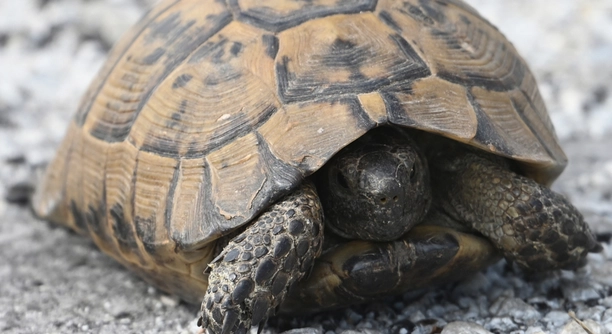
Russian tortoises are wonderful pets, but like all animals, they need proper care to stay healthy. Dehydration can be a concern for them, and knowing the signs can help you act quickly to keep them well.
Signs of dehydration in a Russian tortoise include sunken eyes, dry skin, and lethargy. If left untreated, dehydration can lead to severe health issues or even death. Providing a proper hydration routine is key to preventing these problems.
Proper care, including proper hydration, is essential to your tortoise’s well-being. Understanding these signs and how to help them can ensure your pet stays happy and healthy.
Why Dehydration Happens in Russian Tortoises
Dehydration in Russian tortoises can occur for several reasons. In the wild, they are used to a dry, arid climate, but they still rely on water sources to stay hydrated. If your tortoise is not drinking enough water, or if their environment is too dry, dehydration can set in. Additionally, Russian tortoises can suffer from dehydration if their diet lacks enough water-rich foods like leafy greens. Poor humidity levels in their habitat can also contribute to dehydration, as they need a balance of warmth and moisture. Monitoring these factors will help prevent dehydration and keep your pet healthy.
Environmental factors are key when it comes to hydration. A dry, low-humidity environment can make it hard for a Russian tortoise to retain moisture. Ensure that your tortoise has access to fresh water daily.
A diet with high water content also plays an important role in hydration. Foods like cucumbers, leafy greens, and bell peppers are great choices. If your tortoise isn’t eating enough of these, it may be more susceptible to dehydration. Providing a shallow dish of water in their enclosure is also helpful. Just be sure it is not too deep, as they can easily fall in. Maintaining a proper environment with the right humidity, temperature, and diet will go a long way in preventing dehydration. Regular monitoring and adjusting conditions can make a significant difference in your tortoise’s health.
How to Spot Dehydration Early
Being aware of the signs of dehydration is essential for acting quickly. If your tortoise shows signs of dehydration, immediate action can prevent serious health problems.
The first and most noticeable signs of dehydration in a Russian tortoise include sunken eyes, a dry, wrinkled skin texture, and a lack of energy. If the skin does not retract when gently pinched, it is a sign of dehydration. Another sign is reduced appetite. A dehydrated tortoise may also be slower than usual and may not be moving around as much. These signs can appear gradually, so it’s important to monitor your tortoise consistently.
If you notice any of these symptoms, you can attempt to rehydrate your tortoise by offering water or soaking them in lukewarm water for 20-30 minutes. This method can help replenish lost moisture. Be patient, as it may take some time for your tortoise to show signs of improvement. If the condition worsens or does not improve, it is important to consult a veterinarian. Dehydration, if left untreated, can lead to serious issues like organ failure, so addressing the problem promptly is crucial.
How to Prevent Dehydration in Your Russian Tortoise
Prevention is key to keeping your Russian tortoise healthy. Offering fresh water daily and maintaining proper humidity are simple but effective steps. Ensure your tortoise has access to a shallow water dish for drinking and soaking.
A balanced diet is equally important. Include leafy greens and water-rich vegetables, such as cucumbers and bell peppers, in their meals. These foods not only provide essential nutrients but also help with hydration. In addition, avoid giving your tortoise dry foods that can make dehydration worse. Establishing a regular feeding schedule and hydration routine will support their health.
Another crucial preventive measure is creating an appropriate environment. Russian tortoises need a habitat with consistent warmth and moderate humidity. Their enclosure should have a warm basking area and a cooler spot for them to rest. A humidity level of around 40-50% is ideal. Use a hygrometer to monitor the moisture in their environment. By maintaining the right conditions, you can reduce the chances of dehydration.
What to Do If Dehydration Occurs
If you notice signs of dehydration in your tortoise, don’t wait to take action. First, offer them water by placing a shallow dish in their enclosure. You can also soak them in lukewarm water for about 20 minutes to help with hydration.
In some cases, you may need to provide more intense rehydration. Use a syringe or dropper to administer small amounts of water directly into their mouth, but be cautious not to force it. If your tortoise refuses to drink or does not improve after a few days of rehydration efforts, it’s time to consult a veterinarian. Dehydration can cause serious damage to your tortoise’s organs, so acting quickly is important. Your vet can provide additional treatments or fluids to help your tortoise recover.
Dehydration can be tricky, especially when symptoms are subtle. Always monitor your tortoise closely and adjust their environment or diet as needed. Making small changes can prevent dehydration and ensure your pet stays healthy for years. When in doubt, seek professional advice to ensure proper care and avoid long-term damage.
The Role of Temperature in Dehydration
Temperature directly impacts your tortoise’s hydration. If the environment is too hot, they may lose moisture faster than they can replace it. Ensure their basking area is warm enough but not too hot. Cooler spots in the enclosure also provide balance.
Maintaining the right temperature is essential for keeping your tortoise active and hydrated. Use a heat lamp to regulate their basking spot, but monitor the temperature with a thermometer. A range of 85-90°F for the basking area and around 75°F for cooler areas works well.
If temperatures fluctuate too much, it can stress your tortoise, leading to dehydration. Stability is key. Make adjustments to the temperature as needed and ensure it remains consistent to prevent your tortoise from drying out.
Using Soaking to Hydrate Your Tortoise
Soaking your Russian tortoise is an effective way to hydrate them. Gently place your tortoise in a shallow container of lukewarm water, ensuring the water level is not too high. Let them soak for about 20-30 minutes.
This method mimics the natural hydration process and can be especially helpful if they are dehydrated. Be sure to monitor them while soaking to ensure they don’t become stressed. Afterward, dry your tortoise gently and return them to their enclosure. If they are reluctant to soak, try offering food with high water content before attempting again.
Hydration and Food Choices
Certain foods can greatly improve your tortoise’s hydration. Provide them with leafy greens, such as kale, collard greens, and dandelion leaves, as they contain high water content. Vegetables like cucumbers and bell peppers are also beneficial.
Avoid giving them dry foods, as they can contribute to dehydration. The right food choices, along with proper water access, will ensure your tortoise stays hydrated and healthy. Offer fresh food daily and avoid stale or old vegetables to maintain the best diet.
FAQ
How often should I water my Russian tortoise?
You should provide fresh water every day for your Russian tortoise. A shallow dish of water should be available at all times. While some tortoises may drink frequently, others may drink less often. It’s important to change the water daily to ensure it stays clean and fresh. If you notice your tortoise isn’t drinking from the dish, consider soaking them in lukewarm water for 20-30 minutes a few times a week to help with hydration. Consistency in offering water is key to keeping them hydrated.
Can I use a water bottle instead of a dish?
It’s better to use a shallow dish rather than a water bottle. Russian tortoises are not accustomed to drinking from a bottle, and they may have difficulty accessing the water. A dish allows them to drink at their own pace and soak when needed. Make sure the dish is not too deep to prevent accidental drowning. You can choose a dish that is easy to clean and wide enough to accommodate your tortoise.
How can I tell if my tortoise is getting enough water?
Signs of proper hydration include clear, bright eyes, smooth and elastic skin, and an active tortoise. If your tortoise is drinking from their water dish regularly, is eating well, and seems active, they are likely getting enough hydration. However, if you notice dry, wrinkled skin, lethargy, or sunken eyes, these may be signs of dehydration. Be sure to provide fresh water daily and monitor their condition closely. If in doubt, always consult a vet.
Is it possible to overhydrate my Russian tortoise?
It is rare to overhydrate a Russian tortoise, but it’s still important not to leave them soaking for too long. Over-soaking can lead to stress or make them too cold. Keep soaking sessions to about 20-30 minutes in lukewarm water. Ensure they dry off afterward to prevent a chill. Overhydration is less of a concern than dehydration, but it’s always good to keep their bathing time balanced.
Should I give my tortoise a water bath if I see signs of dehydration?
Yes, soaking your tortoise in lukewarm water is an effective way to help hydrate them if they show signs of dehydration. Soaking encourages them to drink and helps rehydrate their body. After soaking, gently pat your tortoise dry with a soft towel before returning them to their enclosure. It’s also important to adjust their environment to ensure they stay hydrated. You can also offer food with high water content during this time.
What foods can help with hydration?
Certain foods can help your tortoise stay hydrated. Leafy greens like kale, collard greens, and dandelion greens are packed with water and nutrients. Vegetables such as cucumbers, bell peppers, and tomatoes are also great options. Feeding your tortoise water-rich foods will supplement their hydration and ensure they get the moisture they need. Avoid feeding them dry, hard foods like pellets or grains, as these can worsen dehydration.
How does the environment affect hydration?
The environment plays a significant role in your tortoise’s hydration levels. A dry, low-humidity enclosure can lead to dehydration. Make sure the humidity in their habitat is around 40-50%. A well-balanced environment with the proper temperature, humidity, and access to fresh water is essential. Consider adding a humidifier or misting the enclosure lightly to maintain the right moisture levels. Be sure to also provide a warm basking area for your tortoise while offering a cooler, shaded space where they can rest comfortably.
Can dehydration cause long-term health issues?
Yes, dehydration can cause serious long-term health issues if not addressed promptly. Chronic dehydration can lead to kidney problems, digestive issues, and even organ failure. In some cases, dehydration can also lead to a weakened immune system, making your tortoise more susceptible to infections. It’s important to act quickly if you notice signs of dehydration and provide proper care to avoid long-term damage. Consult a veterinarian if symptoms persist.
Should I be concerned if my tortoise isn’t drinking water every day?
Not all tortoises drink water every day, but they should still have access to fresh water at all times. Some tortoises may drink only when they feel thirsty or may get hydration from their food. If your tortoise isn’t drinking but is eating a diet rich in water-containing vegetables, they might be getting enough moisture. However, if they show signs of dehydration, it’s important to monitor them closely and consider soaking them in water to help with hydration. If you’re still concerned, consult a veterinarian.
How can I tell if my tortoise is stressed?
Stressed tortoises often exhibit signs such as a lack of appetite, hiding more than usual, or becoming more lethargic. They may also pace or become more aggressive when handled. Stress can contribute to dehydration, so it’s important to create a stable and comfortable environment for your tortoise. Ensure that their enclosure is large enough, has appropriate heating and cooling zones, and provides hiding spots. If stress continues, consider changing their environment or seeking advice from a veterinarian.
Can I use a humidifier to help my tortoise stay hydrated?
Yes, using a humidifier can help maintain the right level of moisture in your tortoise’s habitat. This is particularly helpful if you live in a dry climate or if the humidity levels in your tortoise’s enclosure are too low. Keep the humidity around 40-50% to mimic their natural environment. Always monitor the humidity levels with a hygrometer to ensure it remains in the optimal range. Adjust the humidifier settings as needed to prevent the environment from becoming too dry or too moist.
Final Thoughts
Taking care of your Russian tortoise requires attention to their hydration needs, as it plays a key role in their overall health. Regular access to fresh water and a diet rich in water-filled vegetables will help prevent dehydration. Soaking your tortoise periodically can also assist in ensuring they stay hydrated. Monitoring your tortoise for any signs of dehydration, such as dry skin, lethargy, or sunken eyes, allows you to take quick action and help your pet recover if needed.
It’s important to remember that dehydration can be avoided by maintaining a stable environment. Ensure your tortoise’s habitat has the right temperature and humidity. A warm basking area and a cooler resting area will help them regulate their body temperature, while appropriate humidity levels will support hydration. Consistently checking the temperature and humidity in their enclosure can go a long way in preventing dehydration from occurring.
If you ever notice signs of dehydration or changes in behavior, addressing the issue as soon as possible is crucial. Soaking your tortoise and offering water-rich foods can help rehydrate them. If the symptoms persist or worsen, seeking advice from a veterinarian ensures your tortoise receives the proper care. Proper hydration, a balanced diet, and a comfortable living environment are essential to keeping your Russian tortoise healthy and happy.

Hello,
If you enjoy the content that we create, please consider saying a "Thank You!" by leaving a tip.
Every little bit helps us continue crafting quality advice that supports the health, happiness, and well-being of pets around the world, for pets of all shapes, sizes, and species.
We really appreciate the kindness and support that you show us!