
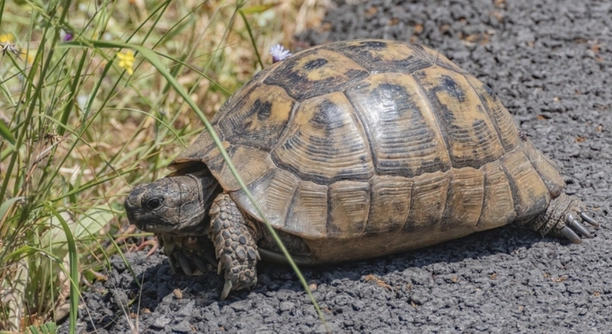
Is your Russian tortoise staying buried and unresponsive longer than usual? Understanding brumation and how it affects your pet is essential for ensuring its well-being during the colder months. Recognizing the signs can help you determine if intervention is necessary.
A Russian tortoise stuck in brumation may remain inactive for an extended period due to improper temperatures or dehydration. Ensuring a stable environment with proper humidity and warmth is crucial to prevent complications and help your tortoise transition out of this state safely.
Environmental factors play a significant role in your tortoise’s brumation cycle. Learning how to monitor its condition will help you provide the best care and avoid potential health risks.
Signs Your Russian Tortoise Is Stuck in Brumation
A Russian tortoise in brumation will stay buried, show no interest in food, and remain inactive for weeks. However, if brumation lasts too long or the tortoise appears dehydrated, there may be an issue. Signs of concern include weight loss, sunken eyes, or excessive lethargy. Checking for slight movements or responses to gentle stimulation can help determine if your tortoise is okay. If your tortoise does not react to touch, has an unusual odor, or appears severely weakened, further action may be necessary. Proper monitoring ensures that your pet remains safe throughout the process.
Brumation should not cause extreme weight loss or distress. If your tortoise loses significant weight or seems unwell, its environment may not be suitable. Dry conditions or incorrect temperatures can lead to complications. Keeping a close eye on changes will help you decide if intervention is needed.
Providing a stable environment with the right temperature and humidity levels helps your tortoise remain healthy. If you suspect dehydration, offering a shallow warm soak may help. Weighing your tortoise regularly and tracking its behavior can give you a better idea of whether it is still in normal brumation or experiencing a health issue.
How to Safely Wake Your Tortoise
If your Russian tortoise is stuck in brumation, gradually warming its environment can help. Raising the temperature slightly each day and offering fresh water may encourage normal activity. Avoid sudden changes, as they can cause stress.
Creating the right conditions is essential for a safe wake-up process. Increase the ambient temperature to around 80°F and provide a warm basking area. A shallow soak in lukewarm water for 15–20 minutes can help with hydration. Offering food may also encourage activity, but some tortoises take time before they regain their appetite. Keeping the enclosure well-lit and ensuring proper humidity levels will support a smooth transition. If your tortoise remains unresponsive despite these efforts, consider seeking veterinary guidance to rule out underlying health concerns.
Monitoring your tortoise closely will help you determine if it is returning to normal. Patience is key, as some tortoises take longer to wake up fully. Making small adjustments and staying observant will help ensure its health and well-being.
Preventing Issues During Brumation
A well-prepared environment reduces risks during brumation. Keep temperatures stable, maintain proper humidity, and ensure your tortoise has access to fresh water before it settles in. A gradual cooling process helps prevent stress and supports a healthy brumation cycle.
Hydration is crucial before brumation begins. If a tortoise enters brumation while dehydrated, it can lead to serious health problems. Soaking your tortoise in lukewarm water for 15–20 minutes a few times a week before brumation can help. Monitoring weight and behavior changes will also give you a better idea of its condition. A slow transition into lower temperatures ensures a more natural process and prevents sudden shocks to the system.
A proper diet before brumation is essential. Feeding a variety of leafy greens and calcium-rich foods helps build reserves for the inactive period. Avoid high-protein or high-fat foods, as they can cause digestive issues during brumation. Gradually reducing food intake a few weeks before the tortoise enters brumation ensures that its digestive system is empty, preventing complications. Checking for any signs of illness before the process begins can also help avoid potential problems.
When to Seek Veterinary Help
Certain signs indicate that a tortoise may need medical attention. If your tortoise loses excessive weight, has sunken eyes, or shows no response to touch, it could be in distress. Unusual odors, labored breathing, or prolonged inactivity even in warm conditions also require immediate action.
A vet can assess hydration levels, check for infections, and determine if intervention is necessary. Sometimes, tortoises struggle with brumation due to underlying health issues. A simple examination and bloodwork can help rule out infections, organ problems, or parasites. If your tortoise has not moved in weeks despite being in a warm, well-lit environment, a vet visit is the safest option. Early detection of issues can prevent long-term health problems.
If brumation seems prolonged or your tortoise appears weak, do not wait too long before seeking help. A vet can provide guidance on rehydration, dietary support, and proper warming techniques. Ensuring that your tortoise receives proper care at the right time can make a significant difference in its recovery.
Adjusting Your Tortoise’s Habitat After Brumation
Gradually increasing temperatures helps your tortoise transition smoothly. Raise the ambient temperature to around 80°F, ensure a basking spot of 90–95°F, and provide fresh water. A warm soak can help with hydration and encourage movement after weeks of inactivity.
Monitor eating habits closely. Some tortoises take time to regain their appetite, but prolonged refusal to eat could signal an issue. Offer fresh greens and calcium-rich foods while keeping an eye on weight changes. If there is no improvement after a few days, further action may be needed.
Common Mistakes to Avoid
Rushing the process can cause unnecessary stress. Warming your tortoise too quickly or exposing it to inconsistent temperatures can lead to health issues. A gradual transition is always best. Providing fresh water and a warm basking area will support a smoother recovery without shocking its system.
Final Considerations
Observing your tortoise’s behavior and weight ensures a healthy post-brumation period. Proper hydration, a stable habitat, and gradual temperature adjustments help prevent complications. If something seems off, taking early action can make a difference in your tortoise’s well-being.
FAQ
How long should my Russian tortoise stay in brumation?
The length of brumation can vary, but typically, it lasts between 2 and 3 months. Some tortoises may brumate for shorter or longer periods depending on the environmental conditions. It’s important to monitor your tortoise and ensure it isn’t too cold or dehydrated during this time. If brumation extends beyond 3 months without signs of waking up, it may indicate a health problem.
What should I do if my tortoise doesn’t eat during brumation?
It’s normal for a tortoise to stop eating during brumation, as they enter a state of dormancy and do not need food. However, before brumation, ensure your tortoise is properly hydrated and has a full digestive system. If your tortoise refuses food for long periods after waking from brumation, it might be a sign of illness and needs attention.
Can I force my tortoise to wake up from brumation?
While you can encourage your tortoise to wake up by gradually raising the temperature and offering water, forcing it to wake up abruptly is not recommended. It’s important to allow your tortoise to wake naturally and at its own pace. Forcing the process can cause stress and lead to health complications.
How can I tell if my tortoise is healthy before brumation?
Before brumation, check for any signs of illness, such as weight loss, respiratory issues, or lack of appetite. A healthy tortoise should have a firm shell, bright eyes, and a smooth, clean skin. Weighing your tortoise regularly and ensuring it has a proper diet and hydration before brumation are essential steps.
Is my tortoise in danger if it stays inactive for too long during brumation?
Inactivity for an extended period during brumation isn’t necessarily dangerous, but it can be if your tortoise is dehydrated or malnourished. If your tortoise remains unresponsive or loses significant weight, it’s important to intervene by gradually warming its environment and offering water. Prolonged inactivity may indicate a health issue, and a vet should be consulted if the tortoise shows no improvement.
How do I prevent brumation problems in the future?
To prevent issues during brumation, make sure your tortoise has a healthy weight and is well-hydrated before entering brumation. Proper temperature control and humidity in the habitat are key factors in supporting a safe brumation process. Regularly monitor your tortoise’s behavior and weight, and avoid drastic changes in the environment. Preparing your tortoise in advance can prevent many common issues.
Can I move my tortoise during brumation?
It’s not ideal to move your tortoise during brumation. Movement can disturb its natural cycle and cause unnecessary stress. If the habitat conditions are correct, it’s best to leave the tortoise undisturbed. If relocation is absolutely necessary, ensure that the new environment maintains the proper temperature and humidity to avoid disrupting the brumation process.
How can I help my tortoise adjust after brumation?
After brumation, gradually warm your tortoise’s habitat to around 80°F and ensure that the basking spot reaches 90-95°F. Offer fresh water and some lightly soaked leafy greens to help it rehydrate. Monitor its appetite and weight, as some tortoises take a little time to regain their energy and normal eating habits.
Should I provide my tortoise with light during brumation?
Most Russian tortoises do not need light during brumation. They naturally avoid light during this period, seeking out darker, cooler places to burrow. Providing dim lighting or letting them stay in a dark area during brumation mimics their natural environment. After brumation, increasing the light gradually helps them transition back to regular activity.
What if my tortoise starts moving around too early from brumation?
If your tortoise starts moving around before it has fully emerged from brumation, it’s essential to ensure that the environment isn’t too warm too quickly. This can cause confusion and disrupt the natural process. Gradually adjusting the temperature will allow your tortoise to wake up properly, avoiding stress. If your tortoise is showing signs of movement, ensure it has access to water and monitor its behavior closely.
How do I ensure my tortoise is comfortable during brumation?
To ensure your tortoise is comfortable, provide a cool, dark, and quiet place where it can burrow or settle in. The temperature should be between 40°F and 50°F (4°C to 10°C) to simulate natural conditions. Make sure there is enough humidity to prevent dehydration, and ensure the area is safe from any drafts or sudden temperature changes.
Can brumation harm my tortoise?
Brumation is a natural process, but it can harm your tortoise if the environmental conditions are not ideal. Too low or high temperatures, dehydration, or an insufficient diet before brumation can lead to serious health issues. Monitoring your tortoise’s condition and preparing its environment properly reduces risks and helps avoid complications during this period.
What if my tortoise doesn’t seem to wake up from brumation?
If your tortoise doesn’t wake up or show any signs of activity after the brumation period, it may be an indication of dehydration, illness, or improper temperature. Gradually increase the temperature in its enclosure, offer water, and closely monitor its behavior. If there’s still no change after several days, it’s time to consult with a vet.
Brumation is a natural process that helps your Russian tortoise stay healthy during the colder months. It allows them to rest and recharge, much like hibernation in other animals. Understanding the signs of proper brumation and when something may be wrong is key to ensuring your tortoise stays healthy throughout the period. With the right environment and preparation, you can help your tortoise go through brumation safely and with minimal stress.
During brumation, it’s important to pay attention to your tortoise’s behavior and health. A stable temperature, proper humidity, and access to water before and after brumation are essential to supporting your pet. While some tortoises may stay inactive for weeks without any issues, others may show signs of distress. If your tortoise isn’t waking up after the typical brumation period or if you notice signs like weight loss, dehydration, or lack of responsiveness, it’s important to take action. Gradually warming the environment and offering water can help encourage them to return to their normal state.
By monitoring your tortoise’s condition, ensuring they have the right habitat, and knowing when to seek veterinary help, you can prevent any major complications during brumation. As long as your tortoise has the right care before, during, and after brumation, it can recover easily and continue to thrive. It’s all about being attentive and prepared. Taking small steps can make a big difference in the health and well-being of your Russian tortoise.

Hello,
If you enjoy the content that we create, please consider saying a "Thank You!" by leaving a tip.
Every little bit helps us continue crafting quality advice that supports the health, happiness, and well-being of pets around the world, for pets of all shapes, sizes, and species.
We really appreciate the kindness and support that you show us!