
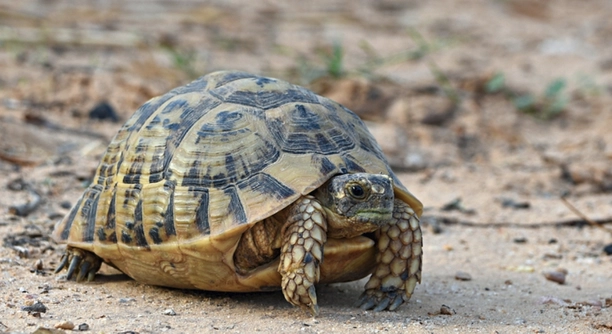
A Russian Tortoise can make a great pet, but it’s important to ensure they are both happy and healthy. Observing their behavior and appearance can give you important clues. Keeping an eye on their needs is key.
A healthy and happy Russian Tortoise exhibits active behavior, clear eyes, and a well-shaped, firm shell. Regular feeding, proper habitat conditions, and mental stimulation contribute to their overall well-being. Monitoring their physical condition helps ensure they thrive.
Taking a closer look at their habits, diet, and environment can reveal what’s working well and what needs attention. This article will walk you through the essentials for caring for your Russian Tortoise.
Signs of a Healthy Russian Tortoise
A healthy Russian Tortoise shows several key signs. Their shell should be firm, smooth, and free of cracks or soft spots. The skin should not be wrinkled or scaly, and they should be active, moving around to explore their environment. Pay attention to their behavior: a healthy tortoise will not be overly lethargic or hiding excessively. Eyes should be bright, clear, and not watery or puffy. Healthy eating habits are also important—your tortoise should eagerly consume a variety of leafy greens and vegetables without showing signs of malnutrition, such as weight loss or lack of appetite.
If your Russian Tortoise is eating well and showing no signs of discomfort, it’s a good indicator that things are on track. Regularly checking these signs can prevent health issues down the road.
Proper lighting, a balanced diet, and the right temperature are essential for maintaining their health. Make sure their habitat is clean and spacious, with enough room for movement. This allows them to engage in natural behaviors, like basking and foraging, which keeps them both mentally and physically healthy.
Importance of Proper Diet
A proper diet is a fundamental part of your Russian Tortoise’s overall well-being. Providing fresh, nutritious food like leafy greens, herbs, and occasional fruits is crucial. Stick to a varied but balanced diet to prevent obesity and ensure that your tortoise receives all the necessary vitamins and minerals.
Your tortoise should avoid too much protein or high-calcium foods. Overfeeding them on fruits can also lead to digestive problems. Stick to a mostly plant-based diet, and make sure your tortoise has constant access to clean, fresh water. If you notice any signs of digestive issues, like a lack of appetite or soft stools, consider adjusting their diet. Regular check-ups can help guide you in offering the right food mix.
Monitoring Your Russian Tortoise’s Behavior
A healthy Russian Tortoise will have a consistent and active routine. They should regularly explore their habitat and bask under a heat source. Pay attention to any sudden changes in their behavior, like lethargy or excessive hiding, which could signal stress or illness.
Changes in behavior can be a sign of health issues. If your tortoise seems unusually sluggish or avoids movement, it may be due to improper temperature or health problems. Stress can also cause behavioral changes. Ensure their environment stays calm, with no sudden loud noises or disturbances that could stress them out.
Observing their daily activities can provide insight into their overall happiness. A Russian Tortoise in a comfortable environment will be curious and engage with their surroundings. If you notice behavioral shifts, consider whether their enclosure needs adjustments, or consult a veterinarian if other signs of distress appear.
The Right Habitat Conditions
Your tortoise needs a proper habitat to feel comfortable and healthy. Temperature and humidity are key factors in maintaining their health. Keep the temperature around 75-85°F during the day and provide a basking area that reaches 90°F. At night, the temperature can drop to around 65°F.
In addition to temperature control, humidity should also be monitored. Russian Tortoises prefer low humidity, so a dry environment is best. A simple way to check the humidity level is to use a hygrometer. Ensure there are places to hide, such as rocks or caves, to allow your tortoise to feel secure. Proper lighting, including UVB rays, is essential for their well-being and helps them absorb calcium. If the habitat isn’t right, your tortoise can become stressed or sick. Adjusting the conditions can make a big difference in their overall health.
Checking for Shell Health
A healthy Russian Tortoise should have a smooth, firm shell without any soft spots or cracks. Check regularly for signs of damage or irregularities, which may indicate underlying health issues.
If you notice soft patches or damage to the shell, it could be a sign of malnutrition or an infection. It’s crucial to address these problems immediately. The shell is a key indicator of overall health, so paying attention to its condition helps prevent more serious problems.
Hydration and Water Needs
Proper hydration is essential for your tortoise’s health. Make sure fresh water is always available and easily accessible. A shallow water dish allows them to drink whenever they need.
Russian Tortoises also get moisture from their food, especially leafy greens. However, if they’re not drinking enough water or their food is too dry, they may become dehydrated. This can lead to complications such as kidney problems. Regularly check their water bowl and clean it to encourage drinking. Keeping them hydrated helps maintain their energy and overall well-being.
FAQ
How can I tell if my Russian Tortoise is sick?
If your tortoise is sick, you might notice a few key signs. These include loss of appetite, excessive hiding, lethargy, watery eyes, nasal discharge, or difficulty moving. Their shell should remain firm and smooth, not soft or damaged. Changes in behavior, like staying in one spot for too long, can signal illness. If you spot any of these signs, it’s important to consult a veterinarian to ensure your tortoise’s health is properly assessed and treated.
What should I do if my Russian Tortoise isn’t eating?
A lack of appetite in a Russian Tortoise can be due to various factors. It could be due to an improper environment, such as incorrect temperature or humidity levels, or it could be a sign of stress or illness. First, check the habitat conditions and make adjustments if needed. If the environment is fine, consider what foods you are offering. Ensure their diet is varied and fresh. If your tortoise still refuses food, seek advice from a vet to rule out any medical issues.
Can my Russian Tortoise be kept outside?
Yes, Russian Tortoises can be kept outside, provided the environment is safe and suitable for them. They require a temperature range of 75-85°F during the day and access to a shaded area to retreat to. The outdoor space should be secure to prevent escape and predator access. Make sure there is plenty of room for them to roam and explore, and keep the environment dry, as they prefer low humidity. In colder climates, it’s essential to bring them indoors during winter to avoid exposure to freezing temperatures.
What type of bedding is best for a Russian Tortoise?
For bedding, it’s best to use a mixture of materials that mimic their natural environment. Options like organic coconut coir, shredded paper, or grass hay are safe and absorbent. Avoid using cedar or pine wood shavings, as these can release toxins that harm your tortoise. The bedding should be dry, clean, and deep enough to allow your tortoise to burrow and feel secure.
How often should I feed my Russian Tortoise?
Russian Tortoises should be fed every day, offering them a variety of leafy greens, weeds, and some vegetables. They thrive on a mostly herbivorous diet, so avoid offering them too much fruit or protein. Feeding them in the morning works best, as they are more active during daylight hours. Provide fresh food daily and remove any uneaten food after a few hours to prevent spoilage and maintain a clean habitat.
How can I keep my Russian Tortoise active?
To keep your Russian Tortoise active, provide them with an enriched environment. Include areas for them to climb, hide, and explore. They enjoy foraging for food, so scatter their food around their enclosure to encourage natural behaviors. Regular interaction and safe time outside their enclosure (under supervision) can also stimulate activity. A good balance of lighting and temperature is key for maintaining their energy levels.
How do I know if my Russian Tortoise is overweight?
You can tell if your Russian Tortoise is overweight by observing the shape of its shell and body. A healthy tortoise should have a well-defined, firm shape. If you notice that the shell appears flat or overly rounded, or if your tortoise seems sluggish, it could indicate obesity. Overfeeding and offering foods too high in calories can contribute to weight gain. Adjust their diet by focusing on leafy greens and offering smaller portions of fruit or protein.
Is it okay to handle my Russian Tortoise often?
While it’s fine to handle your Russian Tortoise occasionally, they generally prefer to be left to explore their environment on their own. Handling them too often can cause stress. Always support their body properly, never picking them up by their limbs or tail. Limit handling to a few minutes at a time, and always be gentle. If your tortoise becomes stressed, allow them time to rest and recover.
How do I provide UVB lighting for my Russian Tortoise?
UVB lighting is crucial for Russian Tortoises as it helps them absorb calcium and prevents metabolic bone disease. Make sure to provide a UVB bulb designed for reptiles, which should be placed in their basking area. The light should be on for 10-12 hours a day, mimicking natural sunlight. Be sure to replace UVB bulbs every 6-12 months, as they lose effectiveness over time. The basking area should also have a heat source to keep the temperature within the proper range.
Can my Russian Tortoise live with other pets?
Russian Tortoises should generally be housed alone to avoid stress or injury. While they can coexist with other tortoises of the same species, introducing them to other pets can cause problems. Pets like dogs, cats, or even other reptiles can view the tortoise as prey or might accidentally harm them. If you have other animals in the household, supervise all interactions and ensure the tortoise has a secure space where it can retreat when needed.
Final Thoughts
Caring for a Russian Tortoise requires attention to their environment, diet, and overall well-being. These tortoises are relatively low-maintenance pets, but they still need proper care to thrive. Regularly check their habitat to make sure it is safe, clean, and comfortable. Providing a proper temperature range, clean water, and a healthy diet will ensure your tortoise stays happy and healthy. Observing their behavior closely can also help detect any issues early on, so you can take action quickly if something seems off.
Another important factor is the amount of space they have to roam. Russian Tortoises are naturally curious creatures, and they need enough room to explore and be active. A large, secure enclosure or outdoor space is essential to give them the freedom to move around. Be mindful of their need for both basking and hiding areas. These areas mimic their natural habitat and help them feel safe. The more you can replicate their natural environment, the better they will feel.
Lastly, regular vet checkups are a good idea to ensure your tortoise stays in top condition. If you notice any changes in their behavior, eating habits, or physical appearance, don’t hesitate to seek professional advice. While Russian Tortoises are hardy, they can face health issues if not properly cared for. With the right environment, diet, and care, your Russian Tortoise can lead a long, healthy life, bringing joy and companionship for many years.

Hello,
If you enjoy the content that we create, please consider saying a "Thank You!" by leaving a tip.
Every little bit helps us continue crafting quality advice that supports the health, happiness, and well-being of pets around the world, for pets of all shapes, sizes, and species.
We really appreciate the kindness and support that you show us!