
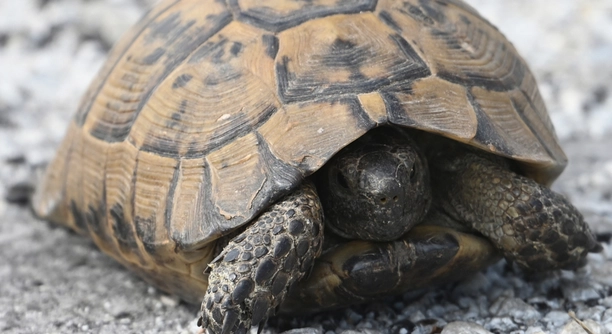
Sometimes, we may not realize that our pets, like Russian tortoises, can become overheated. It’s essential to know the signs and symptoms of heat stress to keep your tortoise safe and comfortable.
A Russian tortoise getting too much heat can display signs such as lethargy, loss of appetite, or difficulty moving. This is often due to exposure to excessive temperatures or inadequate cooling. It’s important to monitor their environment.
Knowing the right temperature range for your tortoise’s enclosure can help prevent overheating. Proper care will ensure they thrive in a safe and comfortable environment.
Understanding the Ideal Temperature for a Russian Tortoise
Russian tortoises are hardy creatures, but they still require a stable environment. Too much heat can be just as harmful as too little. A temperature range of 75°F to 85°F during the day is ideal for them. Night temperatures should be slightly cooler, around 65°F to 75°F. This balance allows your tortoise to stay active, eat properly, and maintain a healthy metabolism. Anything outside of this range, especially higher temperatures, can lead to health issues such as dehydration or heat stress. Always use a reliable thermometer in your tortoise’s habitat to ensure the conditions are right.
For the best results, set up a basking area in your tortoise’s enclosure. This should be slightly warmer than the rest of the space but not exceed 95°F. The basking spot allows them to regulate their body temperature naturally.
Monitoring temperature fluctuations is key. If the enclosure gets too hot, even briefly, it can cause problems. You can reduce the risk by using heating elements designed specifically for reptiles, ensuring they don’t overheat.
Signs of Heat Stress in Russian Tortoises
When the heat is too much, your tortoise will show certain signs that something is wrong. Look for behaviors like panting, excessive hiding, or lack of interest in food. These are clear indicators that the temperature might be too high for comfort.
Overheating can cause more than discomfort; it can lead to serious health concerns like organ damage or even death. Your tortoise may become slow or lethargic as their body struggles to regulate its temperature. They may seek out cooler areas but still find it difficult to recover if the heat is extreme.
One way to prevent these issues is by setting up a more controlled environment. Use thermostats or timers to regulate heat sources. Make sure there are enough shaded areas in their habitat to let them cool down. If you notice your tortoise spending too much time in the shade, it could be a sign that the enclosure is too warm overall. Always have a cool, accessible place where they can escape from the heat.
How to Cool Down an Overheated Russian Tortoise
If you notice signs of overheating, it’s important to act quickly. First, move your tortoise to a cooler area with proper ventilation. A cool, shaded room or a bathroom with air conditioning is a good choice. Gently soak your tortoise in lukewarm water for about 10-15 minutes. This helps lower their body temperature gradually and prevents shock. Avoid using cold water, as this could cause further stress.
Keep an eye on them during the cooling process, as some tortoises may become agitated or disoriented. Offering fresh water afterward can help rehydrate your pet. Do not force them to eat right away; allow them time to recover. You may also need to adjust the temperature in their enclosure to prevent it from becoming too warm again. Recheck their habitat for any areas where heat might build up unexpectedly.
Additionally, review their overall health. If they don’t recover from heat stress within a few hours, a visit to the vet might be necessary. Taking these steps will help keep your tortoise safe from the harmful effects of overheating.
Ways to Prevent Overheating in Your Russian Tortoise
One of the most effective ways to prevent overheating is by maintaining a consistent temperature in your tortoise’s enclosure. Keep an eye on the ambient temperature and adjust the heat sources accordingly.
Regularly check the thermometer in their habitat, especially during hot weather. If possible, set up a cooling system or fans to circulate air in the room. Another good practice is to place the enclosure in a location away from direct sunlight. If the temperature fluctuates a lot, consider using timers for heat lamps. They should be off during cooler hours, and on only when necessary. Additionally, make sure your tortoise has access to shady spots within their habitat where they can cool off. Creating an environment that maintains a consistent and appropriate temperature will minimize the chances of your tortoise becoming overheated.
Proper hydration is another key factor in preventing heat stress. Be sure your tortoise always has access to fresh, clean water.
Importance of Proper Hydration
Keeping your tortoise hydrated plays a crucial role in helping them handle heat. Dehydration can worsen the effects of overheating and make it harder for them to recover.
Ensure that your tortoise has a shallow water dish that they can easily access. The water should be changed daily to avoid any bacterial growth. You might also try offering water through soaking sessions, which not only provides hydration but also helps to cool them down. Regular soaking encourages healthy hydration levels and allows your tortoise to stay cool. Make sure the water isn’t too cold, as sudden temperature changes could stress your pet. Hydration is a simple but effective tool in helping your tortoise stay healthy, especially during warm days.
If your tortoise becomes dehydrated, you can offer them electrolyte solutions that are safe for reptiles.
Monitoring Your Russian Tortoise’s Behavior
Your tortoise’s behavior is a good indicator of whether they’re too warm. If you notice them becoming unusually slow or spending excessive time in cool corners, the temperature may be too high.
Another sign to watch for is lack of appetite. If your tortoise isn’t eating or showing interest in food, it could be a reaction to overheating. This behavior, if prolonged, can lead to health problems. Pay close attention to changes in activity levels. Healthy tortoises will remain active and alert. Always observe their daily habits to spot any temperature-related issues early on.
Using the Right Equipment for Temperature Control
To ensure your tortoise stays within the right temperature range, invest in quality equipment such as thermostats and UVB lamps. Proper lighting is essential for both warmth and UV exposure.
A basking light is crucial to simulate natural sunlight and provide the necessary heat. Ensure it isn’t placed too close to your tortoise to avoid burning. Additionally, use ceramic heat emitters or heat mats to provide even warmth across the enclosure. Regularly check the equipment to ensure everything is working properly and hasn’t malfunctioned. Having reliable tools to control the environment helps maintain a stable habitat for your pet.
When to Seek Veterinary Help
If your tortoise shows persistent signs of heat stress despite your efforts, it’s time to consult a vet. A vet can provide professional care and address any underlying issues that may be causing discomfort.
They can also recommend treatments, such as fluids or temperature regulation techniques, to help your tortoise recover. If your tortoise remains lethargic or disoriented for more than a few hours, don’t wait—take them to the vet as soon as possible. Early intervention can make all the difference in preventing more serious health problems.
FAQ
What temperature is too hot for my Russian tortoise?
A temperature above 90°F in their enclosure can be too hot for your tortoise. If the temperature reaches 95°F or higher, it can cause heat stress, dehydration, or other health problems. Russian tortoises prefer a range of 75°F to 85°F during the day and slightly cooler at night. Always check your habitat with a thermometer to prevent heat spikes.
How can I tell if my Russian tortoise is too cold?
If your tortoise is too cold, they may become very sluggish, inactive, or even stop eating. A lack of movement, along with hiding or trying to burrow, indicates they’re not getting enough warmth. Ensure the enclosure has areas of different temperatures, with a warmer basking spot and cooler areas for them to regulate their body temperature.
Can I use a regular light bulb for heating my Russian tortoise?
It’s not recommended to use a regular light bulb as a heat source for your tortoise. Standard bulbs don’t provide the necessary heat or UVB light. Instead, use reptile-specific heat lamps that emit UVB rays. UVB light is important for their vitamin D3 production and overall health, so a proper setup is essential.
How often should I soak my Russian tortoise to keep them hydrated?
Soaking your tortoise 2-3 times a week is a good practice to keep them hydrated. You can soak them in lukewarm water for about 10-15 minutes. This helps with hydration and provides them an opportunity to cool down. Be sure to change the water regularly and never use cold water, as it can stress your tortoise.
What should I do if my tortoise refuses to eat due to heat?
If your tortoise stops eating, especially during warmer weather, it may be a sign of heat stress. First, make sure the environment is within the right temperature range. Offer cool, fresh water and let them cool down by placing them in a shaded or cooler area. If the lack of appetite persists, consult a vet to rule out other issues.
How can I keep my Russian tortoise cool in hot weather?
In hot weather, make sure your tortoise’s enclosure is placed in a shaded area to avoid direct sunlight. You can use fans or cooling mats to regulate the temperature. Ensure they have a cool hiding spot where they can escape the heat. If necessary, you can take your tortoise indoors during the hottest part of the day to keep them safe.
Is it safe to let my Russian tortoise roam outside in hot weather?
While it’s good to give your tortoise time outside, hot weather can pose a risk. If the outdoor temperature exceeds 85°F, it’s better to keep them indoors or ensure they have access to a shaded area. Always monitor them closely to prevent overheating or dehydration. Make sure they have water available and check their behavior regularly for any signs of heat stress.
Can heat lamps cause burns on my Russian tortoise?
Yes, heat lamps can cause burns if they are placed too close to your tortoise. The basking area should be at an appropriate distance from the lamp, usually 12-18 inches. Always test the heat with a thermometer to ensure it isn’t too hot in the basking spot. This prevents accidental burns and helps maintain a safe temperature.
How do I set up the perfect enclosure for a Russian tortoise?
To set up an ideal enclosure, start by choosing a spacious tank or outdoor pen. Make sure there’s a basking spot with a temperature of 85°F to 90°F, and a cooler area between 75°F and 80°F. Add a UVB light to mimic sunlight and ensure proper calcium absorption. Include hiding spots, such as rocks or logs, and fresh, clean water for drinking and soaking. Ensure the substrate is easy to clean and absorbs moisture to help maintain humidity levels.
Can my tortoise live outside during the summer?
Yes, your Russian tortoise can live outside during the summer, but only if the weather is appropriate. The temperature should be between 75°F and 85°F, and they should have access to shade and fresh water at all times. Keep an eye on them to ensure they aren’t exposed to extreme heat. Make sure their outdoor enclosure is secure and predator-proof.
What do I do if my Russian tortoise is suffering from heat stress?
If your tortoise is showing signs of heat stress, such as panting, lethargy, or a lack of appetite, move them to a cooler environment immediately. Place them in a shaded or air-conditioned area, and give them a lukewarm soak to help regulate their body temperature. Keep them hydrated and monitor their recovery closely. If they don’t improve within a few hours, take them to a vet for further treatment.
Final Thoughts
Properly managing the temperature for your Russian tortoise is essential to their health and well-being. These creatures thrive in stable environments, with a consistent temperature range of 75°F to 85°F during the day and slightly cooler at night. Overheating or being exposed to too much heat can cause stress, dehydration, and other serious health problems. By maintaining the right temperature, providing shaded areas, and using quality heating equipment, you can prevent heat stress and keep your tortoise comfortable.
Hydration is just as important. Soaking your tortoise regularly and ensuring they have access to fresh water helps prevent dehydration, especially in warmer conditions. If you notice signs of heat stress, such as lack of appetite or lethargy, it’s crucial to address it immediately by moving your tortoise to a cooler environment and offering a gentle soak in lukewarm water. Monitoring their behavior is another way to detect temperature-related issues. If your tortoise seems slow, hides excessively, or avoids food, the environment may be too warm. Making adjustments to their habitat or seeking veterinary advice will help get them back on track.
Taking these steps to regulate heat, offer proper hydration, and observe your tortoise’s behavior will ensure a happier, healthier pet. Russian tortoises are resilient creatures, but they depend on you to provide a safe and controlled environment. By staying aware of temperature fluctuations and acting quickly if problems arise, you can give your tortoise the best chance at a long, comfortable life. Simple steps like maintaining the right temperature and keeping their living space clean and shaded can go a long way in preventing heat-related stress.

Hello,
If you enjoy the content that we create, please consider saying a "Thank You!" by leaving a tip.
Every little bit helps us continue crafting quality advice that supports the health, happiness, and well-being of pets around the world, for pets of all shapes, sizes, and species.
We really appreciate the kindness and support that you show us!