
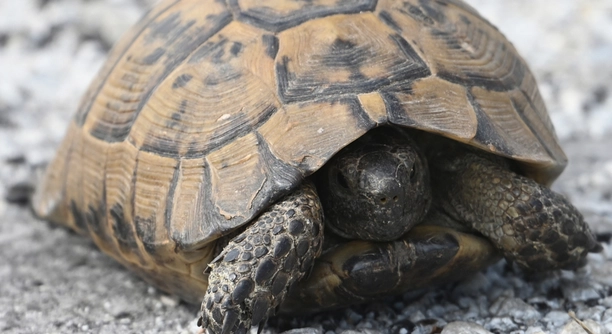
Many pet owners may not realize that their Russian tortoise could suffer from a vitamin deficiency. This issue can be tricky to spot, but understanding the signs will help you take action to keep your tortoise healthy.
Vitamin deficiencies in Russian tortoises are commonly caused by improper diet or lack of exposure to sunlight. Symptoms may include lethargy, poor shell condition, and a lack of appetite. A balanced diet and UVB light exposure are essential.
Knowing what to look for is essential in catching these deficiencies early. In the following sections, we will outline simple ways to identify and prevent these health concerns for your tortoise.
Recognizing the Signs of Vitamin Deficiency in Your Russian Tortoise
Russian tortoises can show a variety of signs when they have a vitamin deficiency. One of the most noticeable signs is a change in behavior, like becoming more lethargic. If your tortoise isn’t moving around as much, it could be an indicator of poor health. You may also notice that your tortoise has trouble eating, loses its appetite, or has trouble with its digestion. Poor shell health is another common sign. If the shell appears soft, weak, or has irregular growth, this could point to a lack of necessary nutrients. Additionally, the skin may look dry or flaky.
If you see any of these symptoms, it’s important to assess their diet and overall care routine. A vitamin deficiency doesn’t just affect behavior; it can lead to long-term health problems if left untreated.
Your tortoise’s diet is key to keeping them healthy. Ensure they’re eating a mix of leafy greens, and consider adding vitamin supplements if necessary. Regular exposure to UVB light is essential, as it helps them process calcium and vitamin D.
Importance of a Balanced Diet for Your Tortoise
Maintaining a balanced diet is crucial to avoiding vitamin deficiencies. Russian tortoises require a variety of foods to thrive. Dark leafy greens like kale, collard greens, and dandelion leaves should be the foundation of their diet. You can also feed them some vegetables, such as squash and carrots, in moderation. High-calcium foods are especially important for maintaining strong shells. If your tortoise is not receiving these nutrients, vitamin deficiencies can become an issue. In addition to food, fresh water is essential for hydration and proper digestion.
Some pet owners may find it difficult to provide a fully balanced diet. It’s tempting to rely on one or two favorite foods, but this can lead to gaps in nutrition. To prevent deficiency, vary their diet and avoid overfeeding certain foods. Calcium supplementation can be helpful if you’re worried that your tortoise is not getting enough from its food. Be sure to research the proper dosages and types of supplements to avoid over-supplementation.
Feeding a balanced diet isn’t just about adding a few greens to their meals. Your tortoise needs the right combination of vitamins and minerals, which is why diversity in their food is so important. You can also ensure their well-being by providing proper UVB light exposure to help them absorb nutrients effectively.
UVB Light Exposure and Vitamin D Synthesis
UVB light is essential for Russian tortoises because it helps them synthesize vitamin D, which is necessary for calcium absorption. Without enough UVB exposure, your tortoise may develop brittle bones or a soft shell. It’s important to provide UVB lighting for about 12-14 hours a day to keep their system functioning properly.
UVB light can be achieved through specialized bulbs designed for reptiles. These bulbs should be replaced every six months, as they lose their effectiveness over time. Keep the light source at an appropriate distance from your tortoise, as too much distance can make it ineffective. Additionally, if your tortoise spends time outside, direct sunlight is the best source of UVB. Be mindful of the temperature and avoid overheating during outdoor exposure.
When using UVB light indoors, try to make sure that your tortoise has access to a basking area. This setup mimics the natural environment and ensures they get both the warmth they need and UVB exposure. Maintaining the right balance will keep them healthy and prevent deficiencies.
Supplementing Your Tortoise’s Diet with Vitamins
If you’re concerned that your tortoise isn’t getting enough vitamins through food alone, supplementation can be beneficial. While it’s always best to try to meet nutritional needs through natural food sources, adding vitamins ensures that there are no gaps in their diet. Be cautious, though, as over-supplementing can be harmful.
Vitamin supplements for tortoises usually come in the form of powders that can be sprinkled over their food. When choosing supplements, look for those specifically designed for reptiles to avoid excess amounts of certain nutrients. Make sure to follow the recommended dosage carefully. Too much vitamin D or calcium, for example, can cause serious health problems.
It’s also essential to not rely solely on supplements. They should be a part of a well-rounded approach that includes a varied diet and proper UVB exposure. This combination ensures that your tortoise gets the nutrients they need for long-term health.
Importance of Calcium in Your Tortoise’s Diet
Calcium plays a crucial role in your tortoise’s health, particularly for shell and bone development. Without sufficient calcium, your tortoise’s shell can become soft, leading to deformities or fractures. Regular calcium intake is key to maintaining strong, healthy bones and a sturdy shell.
Feeding calcium-rich foods like dark leafy greens or offering calcium supplements can help prevent deficiencies. Be sure to offer calcium in its most absorbable form, which is usually a calcium carbonate supplement. These are easy to sprinkle over food and can help boost their calcium levels.
Avoiding Common Diet Mistakes
Overfeeding certain foods or not providing enough variety can lead to nutrient imbalances. While some vegetables may seem like healthy options, they can lack vital nutrients. Too much fruit, for instance, can cause digestive issues and obesity in tortoises. Variety is essential.
Be mindful of portion sizes, too. An overfed tortoise can also suffer from problems like obesity, which can affect mobility and overall health. The goal is to provide a balanced diet that closely mimics what your tortoise would naturally encounter in the wild. When in doubt, less is often more.
Identifying and Treating Deficiencies Early
Early detection is the key to treating vitamin or mineral deficiencies. If you notice your tortoise’s behavior changes or the shell starts looking unhealthy, take action right away. Adjusting their diet or providing the right supplements can often resolve the issue before it gets serious.
FAQ
How can I tell if my Russian tortoise is vitamin D deficient?
Vitamin D deficiency in a Russian tortoise can cause issues like lethargy, weakness, and poor appetite. Over time, a lack of vitamin D may also lead to soft or deformed shell growth, making it harder for the tortoise to move and eat. If you notice these signs, it’s important to address the issue by improving UVB exposure or adding supplements.
Can I provide enough vitamins through diet alone?
While a varied diet of leafy greens and vegetables can help, it is difficult to get all the necessary vitamins through food alone. You may need to supplement their diet with calcium and multivitamin powders, especially if your tortoise is not getting adequate UVB light. Supplements should always be used cautiously to avoid over-supplementation.
How often should I use vitamin supplements for my tortoise?
It depends on your tortoise’s diet and lifestyle. If they are exposed to sufficient UVB light and eating a varied, balanced diet, you may only need to supplement occasionally. However, during winter months when UVB exposure is limited, more frequent supplementation may be necessary. Always follow the dosage instructions on the supplement.
How long should my tortoise be exposed to UVB light each day?
Your Russian tortoise should be exposed to UVB light for about 12-14 hours a day to mimic natural sunlight. If you are using artificial lighting, make sure it’s a reptile-specific UVB bulb, and replace it every 6 months to ensure the light’s effectiveness.
Can I use natural sunlight instead of artificial UVB light?
Yes, natural sunlight is the best source of UVB light. If you can safely take your tortoise outside for a few hours each day, this is highly beneficial for their health. However, be cautious of temperature changes and ensure they are not exposed to harmful conditions like predators or extreme heat.
How do I provide the right balance of calcium for my tortoise?
The best way to provide calcium is by feeding your tortoise calcium-rich foods such as dark leafy greens like collard greens, dandelion, and kale. Additionally, you can offer calcium supplements in the form of powdered calcium carbonate. Avoid providing too much calcium at once, as it can cause imbalances in other nutrients.
What’s the difference between calcium carbonate and calcium citrate?
Calcium carbonate is the most common and cost-effective form of calcium for tortoises, typically used in supplements. It’s best absorbed when combined with vitamin D3, which helps with calcium absorption. Calcium citrate is less commonly used but can be a good alternative if your tortoise has difficulty absorbing calcium carbonate.
Can my Russian tortoise have too much vitamin D?
Yes, it is possible for your tortoise to get too much vitamin D. Over-supplementing with vitamin D can lead to calcium imbalances and cause issues like kidney damage, soft tissues calcifying, and other health complications. Always use vitamin D supplements sparingly and only when necessary.
How do I prevent a vitamin deficiency in my tortoise?
Prevention starts with a proper diet, adequate UVB light exposure, and the right balance of supplements. Feed a variety of leafy greens, and limit fruit intake to avoid unnecessary sugar. Use UVB light for 12-14 hours a day and be mindful of seasonal changes, adjusting care as needed.
How can I help my tortoise with a soft shell?
A soft shell is usually a sign of a calcium deficiency, which can be caused by poor diet or inadequate UVB exposure. Make sure your tortoise has access to UVB light for 12-14 hours a day and feed calcium-rich foods. You may need to offer calcium supplements if their diet isn’t sufficient. If the shell does not improve, a vet visit is recommended for further care.
Is it necessary to have a vet check-up for a vitamin deficiency?
While you can address some minor deficiencies with dietary changes and supplements, it’s always a good idea to consult a vet if you suspect your tortoise has a deficiency. A professional can run tests to determine the exact problem and guide you on the proper treatment.
Can I feed my tortoise fruit regularly?
Fruit should only be an occasional treat, not a regular part of their diet. It’s high in sugar and can cause digestive issues, obesity, and other health problems if fed too often. Stick to dark leafy greens and vegetables for a healthy and balanced diet.
What are some signs that my tortoise may be suffering from dehydration?
Dehydration in a tortoise can be spotted by checking their skin. If it appears wrinkled or dry, that’s a sign they may not be getting enough water. Additionally, if your tortoise seems lethargic, is not eating, or has dry eyes, dehydration could be a concern.
Should I soak my tortoise to help with hydration?
Soaking your tortoise in shallow, lukewarm water for 15-20 minutes can help with hydration. This practice can encourage drinking and allow them to absorb water through their skin. However, make sure the water is not too deep, as tortoises may struggle to climb out of deep water.
How often should I change my tortoise’s water?
Tortoise water bowls should be cleaned and refilled daily to prevent the growth of bacteria. Make sure the water is fresh and free of debris. If your tortoise regularly soaks in the water, you may need to clean it more frequently. Always provide a shallow bowl to ensure they can easily access the water.
Can I give my tortoise treats like mealworms or other insects?
Mealworms and other insects can be offered occasionally as a protein source. However, these should not be a regular part of their diet. Russian tortoises are primarily herbivores, and a plant-based diet is crucial for their overall health. Avoid offering insects in large amounts.
Final Thoughts
Keeping a Russian tortoise healthy requires attention to detail and a well-rounded care routine. Vitamin deficiencies can easily develop if their diet isn’t balanced or if they’re not exposed to enough UVB light. By paying close attention to their behavior, shell health, and appetite, you can catch any issues early on. Preventing deficiencies is often easier than treating them, which is why it’s important to maintain a steady routine with their food, supplements, and lighting.
A diet full of dark leafy greens and calcium-rich foods is key to ensuring your tortoise stays healthy. Offering variety in their meals helps them get the nutrients they need to thrive. Along with a nutritious diet, UVB lighting plays a significant role in helping your tortoise process calcium and vitamin D. Without adequate UVB exposure, even the best diet won’t be as effective. Make sure their habitat is well-lit for 12-14 hours a day to promote proper health.
In addition to diet and lighting, remember that regular observation is essential. Watch for any signs of lethargy, poor shell condition, or a lack of appetite, which can be early signs of vitamin deficiency. If you catch these signs early, simple adjustments can often get your tortoise back on track. Keeping up with proper care not only ensures your tortoise remains healthy but also enhances their overall well-being and lifespan.

Hello,
If you enjoy the content that we create, please consider saying a "Thank You!" by leaving a tip.
Every little bit helps us continue crafting quality advice that supports the health, happiness, and well-being of pets around the world, for pets of all shapes, sizes, and species.
We really appreciate the kindness and support that you show us!