
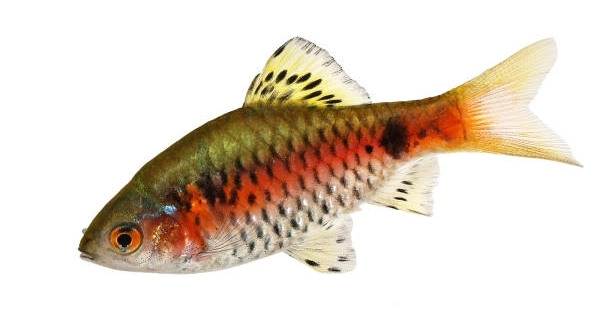
Is your rosy barb acting restless, darting around the tank more than usual, or showing signs of stress in warm water?
Rosy barbs exposed to consistently high water temperatures may display increased activity, reduced appetite, rapid breathing, and faded coloration. These symptoms often indicate heat stress, which can negatively affect their health and overall well-being.
Recognizing the signs early can make a big difference in your fish’s comfort and health. Let’s look closer at how heat impacts rosy barbs and what you can do to help.
Signs Your Rosy Barb Might Be Too Warm
Rosy barbs are tropical fish, but that doesn’t mean they tolerate excessive heat. When the water temperature gets too high, you might notice changes in behavior and appearance. They may swim erratically, stay near the surface, or breathe faster than usual. Sometimes, their colors become dull or they may lose interest in food. These are all signs that the environment may be causing them stress. Prolonged exposure to warm water can also weaken their immune system, making them more likely to get sick. It’s important to monitor their tank closely, especially during warmer months or if you’ve recently made changes to your setup. Keep in mind that each fish is different, but any sudden or unusual behavior is worth a closer look. A thermometer in the tank is a small tool that can help you keep track of these shifts before they lead to more serious problems.
Watch for behavior that seems rushed or panicked, like rapid darting or struggling near the surface of the water.
Other common signs include clamped fins, loss of appetite, or visible changes in their scales and coloration. If your rosy barb is usually social and active, becoming withdrawn or aggressive may also signal that something is wrong.
How to Cool Down the Tank Safely
Start by checking the tank’s location. If it’s near a window or heat source, try moving it to a cooler spot in the room.
Reducing the temperature of your rosy barb’s tank doesn’t have to be complicated, but it does need to be done gradually. Sudden changes can stress your fish even more. If the tank is too warm, first remove the light source if it gives off heat. Keep the room cool with a fan or by closing curtains during the day. Floating ice packs in sealed bags can help lower the water temperature slowly, but never drop ice directly into the tank. Make sure your filter is running smoothly, as good water flow can also help with cooling. If the room stays warm, consider investing in an aquarium fan or chiller. It’s also helpful to monitor the temperature daily using a reliable thermometer. Avoid overfeeding, as leftover food can raise ammonia levels in warmer water. By making these small adjustments, you can keep your rosy barb healthy and comfortable.
Preventing Overheating in the Future
Avoid placing the tank near windows, heating vents, or electronics that release heat. These spots can cause the water temperature to rise throughout the day. Stick to shaded areas with stable room temperatures to keep things consistent. Always use a reliable thermometer to monitor changes.
If you live in a warm climate or experience hot summers, consider using a tank fan or an aquarium chiller. These devices help regulate temperature without requiring much effort. Stick to LED lighting, which doesn’t give off much heat, and run lights on a timer to avoid overheating. Regularly check all equipment to make sure it’s working properly. Maintain a routine of partial water changes with slightly cooler, dechlorinated water if needed. Avoid using covers that trap heat, especially during warmer months. Consistency is key—sudden spikes or drops in temperature can affect your rosy barb’s health just as much as high heat itself.
It’s also helpful to choose tank mates and plants that thrive in the same temperature range as rosy barbs. This creates a more stable tank environment. Keep decorations minimal if they tend to trap heat or block water flow. Choose smooth stones and open spaces that allow better circulation. A good water filter helps too. It promotes even temperature distribution and keeps your tank clean. Avoid using incandescent bulbs, which heat the tank quickly. If your home is warm year-round, running a small fan across the surface of the water during the day can make a difference. Don’t forget to check your thermometer regularly—it only takes a moment and can prevent bigger issues later. Planning ahead keeps the tank steady and your fish safe.
When to Seek Help
If your rosy barb is still showing signs of stress after you’ve cooled the tank, something else might be going on. It could be illness or poor water quality. Testing your water for ammonia, nitrites, and pH can help rule out other issues.
Sometimes, heat stress can lead to or worsen other health problems. If symptoms like clamped fins, bloating, or unusual swimming continue, it’s time to reach out to a fish-savvy vet or an experienced aquarist. Bring notes about your tank’s temperature, water changes, feeding schedule, and any recent changes to the setup. The more detail you give, the easier it is to identify the cause. Catching these signs early makes treatment simpler and can prevent serious complications. Try not to wait too long. Acting quickly not only helps your rosy barb recover but also protects the rest of the tank from potential problems.
Monitoring Water Temperature Regularly
Using a digital thermometer makes it easier to check the water temperature at a glance. Place it where it’s easy to read without opening the tank lid too often. Checking daily helps you catch changes before they affect your rosy barb.
Write down the temperature each day in a small notebook. This lets you notice patterns over time. If the water gets too warm at the same time each day, you can adjust your setup accordingly. Small changes early can help avoid bigger problems later.
Best Temperature Range for Rosy Barbs
Rosy barbs do best in water temperatures between 72°F and 78°F. This range supports their metabolism, behavior, and immune system. When the water is too warm, they become stressed and more prone to illness. Cooler temperatures below their range may also slow them down too much and cause similar issues. Stability is important—sudden changes, even within this range, can still stress them. Use a reliable heater with a built-in thermostat if your room temperature drops often. Avoid manual temperature swings from frequent water changes with extreme differences. Maintaining a steady range helps them feel secure and act naturally in the tank.
Avoiding Common Mistakes
Don’t rely on just room temperature or assume your heater is always working correctly. Always verify with a thermometer.
FAQ
How can I tell if my rosy barb is stressed from heat?
When a rosy barb is too warm, it often shows signs like rapid breathing, staying near the water surface, and erratic swimming. Their colors may fade, and they might refuse food. Sometimes, their fins look clamped or they seem less active. These are common signals that the fish is uncomfortable with the temperature.
What is the safest way to lower the tank temperature?
Lower the temperature gradually by removing heat sources, using a fan near the tank, or placing sealed ice packs on the water’s surface. Avoid putting ice directly into the tank to prevent sudden shock. Make sure the filter and water circulation are working well to spread cooler water evenly.
Can overheating cause disease in rosy barbs?
Yes, high temperatures weaken the immune system, making fish more vulnerable to infections like fin rot or fungal growth. Stress from heat can also cause physical damage, which opens the door to disease. Keeping the tank in the right temperature range helps prevent these problems.
Is it okay if the water temperature fluctuates a few degrees?
Small daily changes within 2-3 degrees Fahrenheit are usually okay, but big or sudden shifts can stress your fish. Stability is important. If your tank’s temperature changes a lot, try to find the cause and fix it, like moving the tank away from windows or using a heater with a thermostat.
What temperature should I set my aquarium heater to for rosy barbs?
Set your heater between 74°F and 76°F to keep the water comfortable for rosy barbs. This temperature range supports their health and behavior. Use a reliable thermometer to double-check, and adjust if the room temperature changes seasonally.
Can I use an aquarium chiller for a small tank?
Yes, but chillers can be expensive and are mostly used for larger tanks or tropical setups with sensitive species. For small tanks, fans and room cooling methods usually work well. If overheating is a constant problem, a chiller might be worth considering.
How often should I check my tank’s temperature?
Checking the temperature daily is best, especially during hot weather or if your tank is in a warm room. This helps catch problems early. Keep a thermometer visible, and make it part of your regular fish care routine.
What other tank conditions should I monitor with temperature?
Keep an eye on water quality—ammonia, nitrites, and pH levels. Warm water can speed up waste breakdown, which might increase toxins if not managed. Regular partial water changes and filter maintenance keep the environment safe and stable.
Can overcrowding affect water temperature stress?
Yes, too many fish produce more waste and raise the tank temperature naturally. Overcrowding also increases stress and lowers oxygen levels. Keep your tank stocked properly to avoid these issues and maintain a balanced environment.
Are live plants helpful in managing tank temperature?
Live plants provide shade and oxygen, which can help create a cooler and healthier tank environment. They absorb some heat during photosynthesis and improve water quality. However, choose plants that thrive in your tank’s temperature range.
Is it normal for rosy barbs to swim near the surface in warm water?
Yes, this behavior often means they are trying to get more oxygen. Warm water holds less oxygen, so fish swim near the surface where oxygen is higher. This is a sign your tank temperature or aeration may need adjustment.
Can changing water temperature suddenly kill rosy barbs?
Sudden temperature changes cause shock and can be fatal. Always adjust the temperature slowly over hours or days. Avoid large water changes with cold or hot water. Stability protects your fish’s health.
Final Thoughts
Keeping your rosy barb at the right temperature is important for its health and happiness. These fish do well in moderately warm water, but too much heat can cause stress and lead to serious problems. Watching for signs like fast breathing, dull colors, or unusual behavior can help you catch trouble early. Using a thermometer daily to track the water temperature makes it easier to keep things stable. Small changes over time are safer than sudden shifts, which can shock your fish and cause illness.
There are simple ways to manage tank temperature without too much effort. Avoid placing the tank near heat sources like windows or heaters, and consider using a fan or ice packs when things get too warm. Keeping your filter and water flow strong also helps keep the temperature even throughout the tank. If you live in a warmer climate, investing in equipment like an aquarium chiller or temperature-controlled heater can make a big difference. Consistent care and small adjustments go a long way to creating a comfortable home for your rosy barbs.
Remember, temperature is only one part of good fish care. Clean water, proper feeding, and a balanced tank environment all matter just as much. Overheating can increase the risk of disease, but many issues can be prevented with regular maintenance and attention. By staying aware of your rosy barb’s needs and acting quickly when you notice changes, you help them live a longer, healthier life. Taking these steps makes caring for your fish more rewarding and keeps your tank a peaceful place for everyone.

Hello,
If you enjoy the content that we create, please consider saying a "Thank You!" by leaving a tip.
Every little bit helps us continue crafting quality advice that supports the health, happiness, and well-being of pets around the world, for pets of all shapes, sizes, and species.
We really appreciate the kindness and support that you show us!