
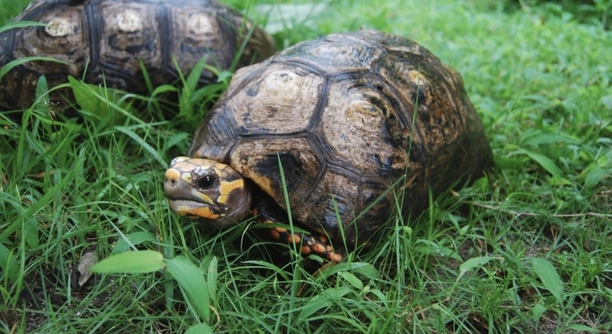
Red-footed tortoises are popular pets, but keeping them healthy requires understanding their needs. One important factor is maintaining the right temperature. This article will help you understand how to tell if your tortoise is too cold.
A red-footed tortoise can become too cold if its environment is below the recommended temperature range of 75-85°F. Signs of cold stress include sluggish behavior, lack of appetite, and seeking warmth. Ensuring proper heating is essential for their well-being.
Proper temperature control is vital for your tortoise’s health. Understanding these factors will guide you in creating the perfect environment for your red-footed tortoise.
Ideal Temperature for a Red-Footed Tortoise
Red-footed tortoises are native to warm, tropical areas. It’s important to provide a stable, warm environment for them in captivity. Their ideal temperature range is between 75-85°F during the day, with a basking spot that can reach 90°F. At night, temperatures can drop to around 70°F, but it shouldn’t go below 65°F. Keeping the enclosure in this range ensures they stay active, healthy, and able to digest food properly. If the temperature drops too low, your tortoise can become lethargic, lose its appetite, and even develop health problems.
To achieve this, use heat lamps and a reliable thermometer to monitor the temperature in the habitat. Many pet stores offer reptile heat sources that can easily be set up in the tank. It’s also wise to have a cooler area in the enclosure, allowing your tortoise to regulate its body temperature as needed.
Maintaining a proper temperature is crucial to your red-footed tortoise’s health. If their environment is too cold for too long, they can suffer from respiratory infections, digestive issues, and even die. Consistently checking the temperature will help you provide the best care.
Signs of a Cold Red-Footed Tortoise
Cold stress in red-footed tortoises is something to watch for. If they are too cold, you may notice they become sluggish, stop eating, or spend too much time hiding.
It’s also common for them to become less active, withdrawing into their shell for long periods. These signs usually appear when their enclosure is too cool. The tortoise may also exhibit slow movements or refuse to bask in the warmth. In some cases, they may even attempt to seek out warmer areas, but if the temperature is too low, they won’t be able to warm themselves adequately.
A red-footed tortoise is highly sensitive to temperature changes. If they experience prolonged cold exposure, it can affect their immune system, making them more prone to infections. Therefore, it’s essential to act quickly if you notice these symptoms and adjust their environment. Keeping them in a warm, well-lit area will promote activity and ensure their overall well-being.
How to Heat Your Tortoise’s Enclosure
To properly heat your tortoise’s enclosure, use a heat lamp or ceramic heat emitter. These provide consistent warmth without light, perfect for nighttime. A thermometer should be placed at both the basking spot and the cooler end of the enclosure to monitor temperature differences.
Make sure the heat source is positioned above the basking area but not too close to cause overheating. A good rule of thumb is to keep the basking area around 90°F, while the cooler area should stay at 75-80°F. You can also add a heat mat underneath the tank to help maintain a steady temperature.
Check the temperature regularly to make sure your tortoise has access to both warm and cooler spots. Consistency is key to ensuring your tortoise stays active and healthy. Investing in a good thermometer and heat sources will provide peace of mind, ensuring your pet thrives in the best possible environment.
What to Do if Your Tortoise Is Too Cold
If your red-footed tortoise becomes too cold, it’s important to warm them up gradually. Move them to a warmer area and adjust the heating setup. Never use hot water or direct heat sources to rapidly warm them up.
To warm your tortoise safely, place them under the heat lamp in their enclosure. Ensure that they have access to cooler areas as well, so they can regulate their body temperature. If the temperature is consistently too low, you might need to adjust the heating system or use additional heat sources.
If you find your tortoise cold and unresponsive, consider contacting a veterinarian to ensure there is no underlying health issue. Cold stress can affect your tortoise’s immune system, so quick action can help prevent further complications.
Monitoring Your Tortoise’s Behavior
Observing your tortoise’s behavior is a good way to check if the temperature is right. If your tortoise is active, moving around, and eating, it’s likely comfortable. If they’re hiding for extended periods or becoming lethargic, it’s a sign something may be wrong with the temperature.
Frequent basking, a healthy appetite, and a willingness to roam the enclosure are all good indicators that your tortoise is thriving in the right conditions. Keep track of these habits, especially during seasonal changes when temperatures fluctuate. A change in behavior can be an early warning of temperature issues.
The Importance of Proper Humidity
Humidity also plays a role in maintaining a healthy environment for your red-footed tortoise. A humidity level of 70-80% is ideal for them. Too low of humidity can cause skin shedding problems, while excessive humidity can lead to respiratory issues.
Keep humidity consistent by using a water dish and misting the enclosure regularly. Make sure the water dish is shallow to avoid drowning risks. Consider using a hygrometer to monitor humidity levels closely. The right balance will help your tortoise stay hydrated and comfortable.
Adjusting humidity levels along with temperature ensures a stable habitat. This balance keeps your tortoise healthy and reduces the chances of stress-related health problems.
FAQ
What is the ideal temperature for a red-footed tortoise?
The ideal temperature for a red-footed tortoise is between 75-85°F during the day. The basking area should be around 90°F, while the cooler side of the enclosure can be slightly lower. At night, temperatures can drop to around 70°F, but they should not go below 65°F. Keeping a consistent temperature is key to your tortoise’s health and well-being.
How do I know if my tortoise is too cold?
If your tortoise is too cold, they may become sluggish, stop eating, or spend too much time hiding. They might also move less and appear inactive. You may notice them seeking out warmer areas within their enclosure but unable to warm up. These signs are indicators that the temperature is too low and needs to be adjusted.
How can I warm my tortoise up safely?
To warm up your tortoise safely, move them to a warmer part of their enclosure and adjust the heating setup. It’s important to do this gradually and avoid using extreme methods like hot water or direct heat sources. Placing them under a heat lamp will help raise their body temperature. If needed, consult a vet if they are unresponsive.
Can I use a heat mat for my tortoise’s enclosure?
Yes, a heat mat can be useful, especially for providing warmth to the cooler areas of the enclosure. Place it underneath the tank, but ensure it’s not too hot. Always monitor the temperature with a thermometer. Using a heat mat along with heat lamps will give your tortoise multiple sources of warmth, helping maintain the ideal temperature range.
What is the best humidity level for my tortoise?
The ideal humidity level for a red-footed tortoise should be between 70-80%. This helps maintain healthy skin shedding and supports proper digestion. Low humidity can cause issues with skin shedding, while excessive humidity can lead to respiratory problems. Use a hygrometer to monitor and adjust humidity as needed.
How do I control humidity in the enclosure?
To maintain proper humidity, mist the enclosure regularly and provide a shallow water dish. You can also use a humidifier or create a more humid environment by adding damp moss to the substrate. Make sure the water dish is accessible but not deep enough to pose a drowning risk. Regularly monitor humidity levels with a hygrometer to keep it in the ideal range.
What should I do if my tortoise isn’t eating?
If your tortoise isn’t eating, it may be due to stress from being too cold, too hot, or from incorrect humidity. Check the enclosure temperature and humidity levels to ensure they are within the recommended range. If the environment is fine, a change in diet or offering different food types might encourage eating. If they continue to refuse food, consider consulting a vet to rule out any health problems.
Can my red-footed tortoise live outside?
Red-footed tortoises can live outside in warmer climates, but only if the temperature stays within their comfortable range, around 75-85°F. If you live in a cooler climate, it’s better to keep them indoors. Outdoor enclosures must also be secure to prevent escape and protect from predators. During colder months, indoor housing is necessary.
How can I tell if my tortoise is stressed?
Signs of stress in a red-footed tortoise include excessive hiding, lack of appetite, lethargy, or pacing in the enclosure. Changes in behavior like these are often linked to environmental stressors, such as incorrect temperature, humidity, or being housed in too small of a space. Assess the conditions of the habitat and make adjustments accordingly.
Is it okay to handle my red-footed tortoise often?
Handling your red-footed tortoise occasionally is okay, but it should be done gently and with care. Over-handling can cause stress, especially if the tortoise is not used to it. Let your tortoise roam and explore on their own terms. If you need to pick them up, support their body properly to avoid injury.
What kind of substrate should I use for my tortoise’s enclosure?
A suitable substrate for a red-footed tortoise should be soft, absorbent, and easy to clean. Options include coconut coir, orchid bark, and cypress mulch. Avoid using sand or gravel, as these can cause digestive issues if ingested. The substrate should be deep enough to allow burrowing, which mimics their natural habitat.
Can I feed my red-footed tortoise fruit?
Yes, red-footed tortoises can eat fruit in moderation. They enjoy a variety of fruits such as papaya, mango, and berries. However, fruit should not make up the majority of their diet as it’s high in sugar. Their diet should consist mostly of leafy greens, vegetables, and some protein sources.
How often should I feed my tortoise?
Red-footed tortoises should be fed every other day, although hatchlings and juveniles may need daily feeding. Offer a mix of leafy greens, vegetables, and a small amount of fruit or protein. Always remove uneaten food after a few hours to prevent mold or bacteria growth.
How do I keep my tortoise’s shell healthy?
To keep your tortoise’s shell healthy, ensure they have a balanced diet, appropriate humidity, and a clean environment. Calcium and vitamin D3 are essential for shell health, so offer foods rich in these nutrients. Allow your tortoise to bask under UVB lighting to aid in calcium absorption. Regular soaking in warm water helps with hydration.
Can I put more than one tortoise in the same enclosure?
Red-footed tortoises can be kept together if there’s enough space, but there is a risk of aggression, especially if they are males. If you decide to house more than one tortoise, ensure the enclosure is large enough to give each tortoise its own space. Observe their behavior to prevent fighting.
Do red-footed tortoises need UVB lighting?
Yes, red-footed tortoises require UVB lighting for at least 12 hours a day to help them synthesize vitamin D3 and absorb calcium. Without UVB light, they can develop metabolic bone disease, which affects their bones and shell. Use a high-quality UVB bulb designed for reptiles, and replace it every six months.
How do I clean my tortoise’s enclosure?
Clean your tortoise’s enclosure regularly to avoid bacteria buildup. Remove uneaten food daily and replace the substrate when it becomes soiled. Use a reptile-safe disinfectant to wipe down surfaces. Avoid harsh chemicals that could harm your tortoise. Regular cleaning helps maintain a healthy environment for your pet.
Final Thoughts
Taking care of a red-footed tortoise requires attention to their specific needs, especially when it comes to temperature and humidity. These tortoises thrive in warm environments, so it’s essential to ensure their habitat stays within the ideal temperature range of 75-85°F during the day, with a basking area reaching 90°F. If the temperature drops too low, it can cause stress and health problems for your tortoise. Monitoring temperature and humidity regularly, using heat lamps, heat mats, and misting the enclosure, will help keep your tortoise comfortable. A thermometer and hygrometer are helpful tools to track the temperature and humidity levels accurately.
The signs of a cold or stressed tortoise are usually easy to spot. Sluggishness, lack of appetite, or excessive hiding are indicators that the environment might not be suitable. If you notice these signs, it’s important to adjust the temperature or humidity levels quickly. Taking quick action can prevent more serious health issues and keep your tortoise healthy. Also, maintaining a proper balance of heat and humidity will help your tortoise stay active, eat properly, and maintain a healthy shell. Providing a stable environment is one of the most important steps you can take in ensuring your tortoise’s well-being.
Remember that red-footed tortoises also need the right diet and regular cleaning of their enclosure. Their diet should include leafy greens, vegetables, and some fruits, while protein should be offered occasionally. The substrate should be kept clean and dry to avoid mold and bacteria. If you ever find that your tortoise is not eating or showing signs of illness, it’s always a good idea to seek advice from a veterinarian to ensure that there isn’t an underlying health issue. With proper care, your red-footed tortoise can live a long, healthy life.

Hello,
If you enjoy the content that we create, please consider saying a "Thank You!" by leaving a tip.
Every little bit helps us continue crafting quality advice that supports the health, happiness, and well-being of pets around the world, for pets of all shapes, sizes, and species.
We really appreciate the kindness and support that you show us!