
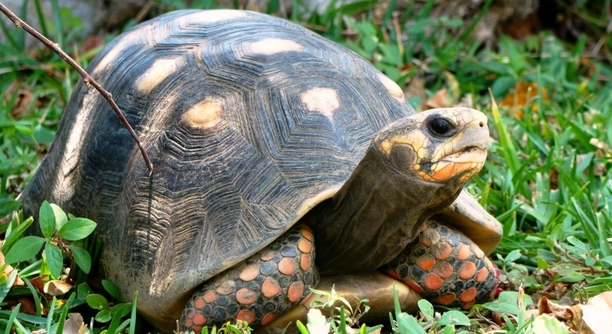
Red-footed tortoises are known for their calm nature, but like all animals, they can become stressed. Recognizing the signs of stress is essential to maintaining their well-being and ensuring they live a comfortable, healthy life.
The primary indicators of stress in a red-footed tortoise include changes in behavior such as hiding, excessive pacing, or a decrease in appetite. Addressing stress factors promptly, such as habitat adjustments, can help restore balance and prevent further health issues.
Proper care and adjustments can significantly reduce stress, ensuring your tortoise stays happy and healthy in its environment.
Recognizing the Signs of Stress
When your red-footed tortoise starts to show signs of stress, it’s essential to act quickly. Common indicators include unusual behavior, such as excessive hiding or pacing. If your tortoise refuses to eat or drinks less than usual, these may also be warning signs. Stress can affect their immune system, making them more susceptible to illness. Other noticeable signs include slow movement or becoming more withdrawn. These changes are often linked to environmental or social stressors, such as an improper enclosure setup or handling too often.
If you observe these signs, it’s important to make adjustments immediately. Stress isn’t something that should be ignored, as it can lead to long-term health issues for your tortoise. Ensuring the right temperature, humidity, and enclosure size can help maintain their comfort. Additionally, avoiding constant handling will also minimize unnecessary stress.
Paying attention to these changes and correcting them will ensure your tortoise lives a healthier, stress-free life. Quick action can prevent the stress from becoming a bigger problem that could affect your tortoise’s overall well-being.
Adjusting Their Environment
A red-footed tortoise’s environment plays a significant role in their stress levels. If their habitat isn’t right, it can cause significant distress.
A few simple adjustments can often resolve the issue. Ensuring the proper temperature range, humidity, and lighting can make a huge difference. Also, providing a space with plenty of hiding spots can help them feel secure. Regular cleaning and maintaining a quiet, calm environment will allow your tortoise to relax.
Handling Stress from Overcrowding
Overcrowding in your tortoise’s enclosure can lead to stress. When there’s too little space, your tortoise may feel threatened, which can affect their behavior. Providing adequate room allows your red-footed tortoise to roam freely and reduces anxiety.
A good rule of thumb is to provide at least 4 square feet of space for every adult tortoise. Overcrowding can lead to territorial disputes, which increase stress. It’s also important to monitor the number of animals in the enclosure. If you have multiple tortoises, ensure they have their own space to avoid conflicts and stress.
In addition to space, having proper hideaways and shelters within the enclosure can provide a sense of security. These safe spots allow your tortoise to retreat when they need peace, helping reduce feelings of overcrowding. It’s crucial to observe your tortoise’s behavior, as this will help determine if they need more room.
Excessive Handling
Too much handling can overwhelm your tortoise and lead to stress. These animals are naturally solitary and may not enjoy being handled frequently. The constant disturbance can cause anxiety, leading to changes in behavior like retreating into their shell.
If your tortoise shows signs of stress during handling, it’s important to limit interaction. Only handle them when necessary, such as for health checks or cleaning the enclosure. Avoid unnecessary physical contact, especially if your tortoise seems uncomfortable. Instead, observe them from a distance and provide time for them to acclimate to their surroundings.
Remember that red-footed tortoises thrive in a stable, calm environment. Overhandling can disrupt their natural habits and increase stress. Allowing your tortoise to be more independent will ensure they feel safe and secure in their environment.
Temperature and Humidity Imbalances
Temperature and humidity imbalances can easily stress your red-footed tortoise. If the environment is too hot or too cold, your tortoise can become lethargic or agitated. Likewise, improper humidity levels can lead to respiratory issues.
Ensure the temperature in their habitat ranges from 75°F to 85°F, with a basking area around 90°F. The humidity should stay between 70% and 80%. Using a thermometer and hygrometer will help maintain these conditions. A misting system can be useful for keeping humidity levels stable, especially in drier climates.
Consistent and controlled conditions will help your tortoise feel comfortable. Stress from temperature or humidity fluctuations can be harmful over time, so it’s essential to check these levels regularly to keep your tortoise healthy and stress-free.
Social Stress
Red-footed tortoises are solitary creatures by nature and can experience social stress if housed with other animals. Constant interactions with other tortoises or pets can make them anxious. To prevent this, house them individually unless they are from the same clutch and show compatible behaviors.
A tortoise that feels threatened by others may hide more often, refuse to eat, or act aggressively. It’s important to recognize the signs of social stress early. Provide plenty of hiding spots and space to help reduce stress from other animals. Observing your tortoise’s behavior will indicate whether it’s time to separate them from others.
Lack of Proper Diet
A diet lacking essential nutrients can lead to stress and health problems for your tortoise. Ensure their diet includes leafy greens, fruits, and vegetables that meet their dietary needs. A lack of variety or poor-quality food can cause frustration.
Along with proper nutrition, adding calcium supplements is crucial for their shell and bone health. The right diet helps maintain energy levels, promotes a healthy immune system, and reduces stress. Avoid feeding them too much protein or sugary foods, as this can lead to obesity and other health issues.
FAQ
How can I tell if my red-footed tortoise is stressed?
Stress in a red-footed tortoise can be seen through certain behaviors. If your tortoise is hiding more than usual, pacing in its enclosure, or showing a lack of appetite, these may be signs of stress. Changes in their normal routine, such as becoming less active or more withdrawn, can also signal discomfort. Always pay attention to their behavior and environment to help identify stress early.
What causes stress in a red-footed tortoise?
Several factors can cause stress in red-footed tortoises. Poor enclosure conditions, such as improper temperature, humidity, or overcrowding, are common stressors. Excessive handling, changes in their diet, or being housed with other animals can also lead to stress. Ensuring they have a proper environment and minimal disturbances will help keep them comfortable.
How can I reduce stress in my red-footed tortoise?
To reduce stress, first, ensure your tortoise’s enclosure meets its specific needs. Maintain the proper temperature, humidity, and space. Provide hiding spots to make your tortoise feel secure. Limit handling to avoid unnecessary stress. A balanced, nutritious diet also helps reduce anxiety, along with keeping the enclosure clean and quiet.
Is it normal for my red-footed tortoise to hide?
Yes, it’s normal for red-footed tortoises to hide, especially when they feel stressed or need privacy. They are naturally solitary animals and may seek refuge in hiding spots to feel safe. If they are hiding frequently, it could indicate stress from overcrowding, temperature changes, or overhandling. Monitor the situation and adjust the habitat accordingly.
How often should I handle my red-footed tortoise?
Red-footed tortoises do not require frequent handling and may become stressed if handled too often. Limit interactions to when necessary, such as during health checks or cleaning the enclosure. Handling them only a few times a week, or even less, is best to ensure they feel secure and undisturbed.
What temperature should my red-footed tortoise’s enclosure be?
The enclosure temperature should range from 75°F to 85°F, with a basking area that reaches around 90°F. Providing a gradient allows your tortoise to move between areas with varying temperatures, which is essential for regulating its body heat. Maintaining consistent temperatures is key to preventing stress.
How can I make my red-footed tortoise feel more secure in its enclosure?
To make your tortoise feel secure, provide plenty of hiding spots and structures to climb or hide under. A larger enclosure gives them more space to roam and reduces feelings of confinement. Ensuring the enclosure is quiet and away from loud noises can also help minimize stress.
Can diet affect the stress levels of my red-footed tortoise?
Yes, an improper diet can contribute to stress in your red-footed tortoise. A lack of variety in their food or an unbalanced diet can cause health problems and discomfort. Ensure their diet consists of leafy greens, fruits, and vegetables. Adding calcium and vitamins will support their overall health and reduce stress.
Is it necessary to provide a companion for my red-footed tortoise?
Red-footed tortoises are solitary animals and generally do not need companions. In fact, having other tortoises or pets in the same enclosure can cause stress. If you choose to house multiple tortoises, ensure they are compatible and have enough space. Otherwise, keeping them alone will help minimize stress.
What should I do if my red-footed tortoise stops eating?
If your tortoise stops eating, it could be a sign of stress or illness. First, check the temperature and humidity levels in the enclosure to ensure they are within the correct range. If the environment is proper, try adjusting their diet or reducing handling. If the issue persists, consult a veterinarian for further advice.
Can red-footed tortoises handle cold weather?
Red-footed tortoises are native to warm environments and should not be exposed to cold temperatures. If their habitat drops below 70°F, they may become stressed and ill. Always maintain the proper temperature range in their enclosure to ensure they are comfortable and safe from cold-related stress.
How can I know if my red-footed tortoise is dehydrated?
Dehydration can cause stress and health issues in red-footed tortoises. Signs of dehydration include a dry, wrinkled appearance, lethargy, and refusal to eat. To prevent dehydration, always provide fresh water and consider misting the enclosure. If dehydration persists, consult a vet for advice on rehydration methods.
Can stress lead to health problems in my red-footed tortoise?
Yes, prolonged stress can lead to various health problems, including weakened immune function and digestive issues. Stress can make your tortoise more susceptible to infections and illnesses. By reducing stress factors and ensuring a stable environment, you can help protect your tortoise’s overall health and well-being.
Final Thoughts
Stress can significantly affect the well-being of your red-footed tortoise. Recognizing the signs early can help you make the necessary adjustments to create a comfortable and healthy environment. It’s important to observe their behavior closely and address any issues with their habitat or routine as soon as possible. Stress may show itself in different ways, including changes in appetite, increased hiding, or unusual behaviors. Regularly monitoring temperature, humidity, and diet will help prevent many of these issues. If you keep their environment stable and provide the right care, your tortoise can live a happier, healthier life.
Providing the right balance of care involves more than just keeping the temperature and humidity in check. It’s about understanding their individual needs and making adjustments to their habitat when necessary. Red-footed tortoises are sensitive creatures, and their behavior often reflects their comfort level. Offering a calm, secure environment will make them feel at ease and reduce the chances of stress. Ensuring that their space is clean, quiet, and spacious will support their well-being. Handling them minimally and allowing them time to adjust to their surroundings can also contribute to a less stressful life.
Ultimately, the well-being of your tortoise depends on how well you meet their needs and the environment you provide. It’s crucial to stay consistent with their care routine and monitor any changes in behavior. If you notice signs of stress that don’t improve with environmental adjustments, consulting with a veterinarian is a good step. Taking the time to understand what stresses your tortoise and how to fix it will ensure they remain healthy and happy for years to come. Keeping their needs in mind will strengthen the bond between you and your pet while supporting their overall health.

Hello,
If you enjoy the content that we create, please consider saying a "Thank You!" by leaving a tip.
Every little bit helps us continue crafting quality advice that supports the health, happiness, and well-being of pets around the world, for pets of all shapes, sizes, and species.
We really appreciate the kindness and support that you show us!