
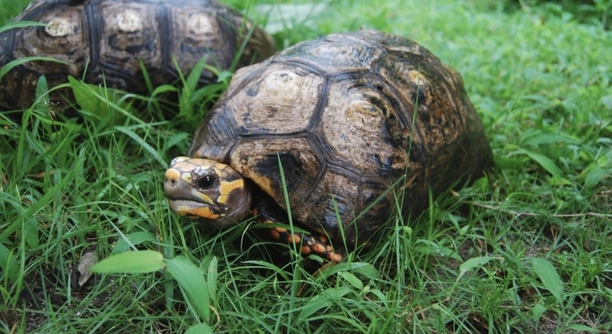
A red-footed tortoise’s health is important to monitor regularly, especially when it comes to potential shell infections. Knowing how to recognize signs of infection early is essential for ensuring their well-being and preventing further issues.
The most common symptoms of a shell infection in red-footed tortoises include swelling, discharge, and a foul odor. If you notice any of these signs, it’s crucial to consult a veterinarian promptly to avoid serious complications.
Understanding how to properly care for your tortoise will help you address infections early and promote a long, healthy life for your pet.
Common Causes of Shell Infections in Red-Footed Tortoises
Shell infections in red-footed tortoises can arise from various factors, but poor living conditions are often the primary cause. These tortoises require a clean, dry, and well-maintained habitat to stay healthy. Humidity levels that are too high or improper bedding can create an environment that fosters bacterial or fungal growth, leading to infections. Additionally, injuries to the shell, whether from rough handling or interactions with other animals, can result in openings that allow bacteria to enter. If left untreated, these infections can cause significant harm to the tortoise, affecting its mobility and overall health.
Proper habitat maintenance and a proper diet play an important role in preventing these issues. Ensuring your tortoise has a clean enclosure with adequate space and the right temperature is key to avoiding shell infections. Regularly check for signs of injury or infection to ensure your pet stays healthy.
A diet rich in calcium and other essential nutrients strengthens the tortoise’s shell and immune system. This, combined with proper care, helps prevent infections from developing in the first place.
Signs of a Shell Infection
Detecting a shell infection early can make a significant difference in the tortoise’s recovery.
Signs to look out for include swelling, unusual growths, and any discharge around the shell. If your tortoise is consistently rubbing its shell against surfaces or appears lethargic, these could also be indicators. These signs are often accompanied by a foul smell, which is a telltale sign of infection. Immediate attention and a visit to the veterinarian are important to address the infection before it worsens.
Taking immediate action when these symptoms appear ensures the tortoise can receive the right treatment before the infection causes long-term damage. As soon as you notice any signs, contact your vet to prevent any complications.
How to Prevent Shell Infections
Maintaining a clean habitat is one of the best ways to prevent shell infections. Regular cleaning of the tortoise’s enclosure ensures that harmful bacteria or fungi don’t grow in the bedding or on surfaces.
A proper substrate is also crucial. Use dry materials like coconut coir or sphagnum moss. Avoid overly wet bedding, as it can cause bacteria to thrive. Additionally, ensure the enclosure has the right temperature and humidity levels, as this prevents the growth of mold or mildew. Regularly check for any damage to the shell, as even small cracks can lead to infection.
Proper nutrition is another vital factor. A balanced diet with enough calcium helps maintain a strong shell, reducing the risk of infections. Providing fresh greens and a variety of safe vegetables will also keep the tortoise’s immune system strong. Proper lighting and exposure to UVB light also play a role in your tortoise’s overall health, ensuring it has the strength to fight off potential infections.
Treatment for Shell Infections
If your tortoise shows signs of infection, it’s crucial to act quickly.
Visit a veterinarian who specializes in reptiles as soon as possible. They can identify the type of infection, whether it’s fungal, bacterial, or something else, and recommend the right treatment plan. In some cases, the vet might suggest topical antibiotics or antifungal treatments to address the issue. They may also advise on proper cleaning techniques to avoid further contamination.
Additionally, your tortoise may need to be kept in a dry, clean environment during recovery. This allows its shell to heal and prevents exposure to more bacteria. Depending on the severity, some tortoises may require regular vet check-ups until the infection is completely resolved. Following the vet’s instructions closely will help your pet recover fully.
Common Treatments for Shell Infections
Topical antibiotics or antifungal treatments are commonly prescribed by veterinarians to treat shell infections. These treatments are applied directly to the affected area to eliminate harmful bacteria or fungi.
In more severe cases, oral medications may be necessary to treat systemic infections. The vet will provide specific instructions on how to apply or administer these treatments, ensuring the infection is fully addressed. Regular follow-up visits may be required to monitor progress.
Importance of Proper Handling During Treatment
During the healing process, it’s essential to handle your tortoise with care. Avoid placing it in environments where it could experience additional stress or injury.
Keeping your tortoise in a clean, dry area helps avoid further complications. Be sure to follow your vet’s guidelines for habitat management during recovery to support the healing process.
FAQ
How can I tell if my red-footed tortoise has a shell infection?
A red-footed tortoise with a shell infection may show visible signs such as swelling, discharge, or a foul odor emanating from the shell. In more severe cases, there might be soft spots or uneven growth on the shell. Additionally, the tortoise may appear lethargic or may rub its shell on surfaces more than usual. If any of these symptoms appear, it’s crucial to consult a veterinarian promptly for proper diagnosis and treatment.
What are the main causes of shell infections in tortoises?
Shell infections often occur when the tortoise’s living environment is improperly maintained. High humidity, dirty bedding, or wet conditions create a breeding ground for bacteria and fungi. Infections can also result from physical injury to the shell, either from rough handling or other animals. Poor diet or lack of proper calcium intake can weaken the shell, making it more susceptible to infection. Keeping the tortoise’s habitat clean, dry, and well-maintained can reduce the likelihood of infection.
Can shell infections heal on their own?
In mild cases, shell infections may improve with time if the environment is corrected, and the tortoise is kept clean and dry. However, infections often require veterinary intervention for proper treatment. Topical antibiotics or antifungal treatments are typically needed to eliminate harmful bacteria or fungi. Without treatment, the infection can worsen, causing long-term damage to the tortoise’s shell and overall health. It’s always safer to consult a vet to ensure that the infection is treated effectively.
Is it safe to use home remedies for treating shell infections?
While some people may suggest home remedies for shell infections, it’s important to be cautious. Using unapproved treatments can worsen the infection or cause further harm to your tortoise. Always consult a veterinarian before attempting any home treatments. Professional treatment ensures that the infection is accurately diagnosed and treated with the appropriate medication or care. Veterinarians may provide specific instructions on how to care for the shell during the recovery process, which will be safer and more effective than relying on untested remedies.
How can I prevent shell infections in my tortoise?
Prevention begins with providing a clean and dry habitat. Ensure that the tortoise’s enclosure is regularly cleaned, with dry bedding and proper ventilation. Avoid overly humid conditions and keep the temperature within the recommended range for red-footed tortoises. Ensure your pet gets a proper diet with adequate calcium to promote a strong, healthy shell. Regularly inspect your tortoise for signs of injury or infection, and take action immediately if any symptoms appear. UVB lighting is also essential for the tortoise’s overall health and immune function.
Should I remove my tortoise’s shell for cleaning?
No, never attempt to remove your tortoise’s shell for cleaning. The shell is a vital part of your tortoise’s body, and trying to detach it can cause severe harm. Instead, focus on cleaning the tortoise’s habitat and gently cleaning the shell with a damp cloth. If you notice dirt or algae buildup, soak the shell in warm water and gently scrub it with a soft brush. Never use harsh chemicals or abrasive materials, as these can damage the shell or cause irritation.
How long does it take for a shell infection to heal?
The recovery time for a shell infection can vary depending on the severity of the infection and how quickly treatment begins. For mild infections, the healing process may take a few weeks, while more severe infections may take several months. Regular check-ups with your veterinarian will help monitor the recovery progress. Be sure to follow all treatment instructions to avoid complications and ensure a full recovery.
Can my tortoise continue its normal activities while recovering from a shell infection?
During the healing process, it’s best to limit your tortoise’s activities. Restrict its movement to a clean, dry area to avoid further exposure to bacteria or other harmful environments. Stressful conditions should also be avoided, so try to keep handling to a minimum. The tortoise should rest and recover, following the veterinarian’s advice regarding activity levels and habitat management.
What should I do if my tortoise’s shell shows signs of scarring after an infection?
If your tortoise’s shell shows signs of scarring after an infection, it’s important to monitor the condition closely. Mild scarring may fade over time, but deep or permanent damage could affect the tortoise’s shell structure. Your veterinarian can assess the extent of the damage and suggest treatments to improve the tortoise’s overall shell health. In some cases, dietary adjustments or special care may be necessary to promote healing and minimize scarring. Keep an eye on the tortoise’s shell for any changes and continue to provide proper care.
What are the signs that a shell infection is getting worse?
If a shell infection worsens, the symptoms may become more severe. The swelling may increase, or new areas of the shell might become soft, discolored, or more painful. The tortoise might refuse to eat, become more lethargic, or experience difficulty moving. In extreme cases, pus or foul-smelling discharge may begin to leak from the shell. If any of these signs occur, it’s essential to seek veterinary attention immediately to prevent the infection from spreading or causing irreversible damage.
How can I care for my tortoise’s shell while it heals?
During recovery, your tortoise’s shell should be kept dry and free from further injury. Provide a clean, dry environment that is easy to disinfect. Ensure the tortoise has access to a proper diet and is not stressed by excessive handling. Regularly clean the shell with warm water and a soft cloth, but avoid harsh chemicals or scrubbing that could irritate the sensitive area. Follow your vet’s advice regarding the best course of care for your tortoise’s shell as it heals.
Final Thoughts
Shell infections in red-footed tortoises are a serious concern and should not be taken lightly. These infections can affect their overall health and, if left untreated, can lead to long-term damage. Observing your tortoise for any signs of infection, such as swelling, discharge, or soft spots, is crucial for early intervention. Keeping a clean and dry habitat is one of the best ways to prevent infections from occurring. Ensuring your tortoise’s living space is free from moisture and harmful bacteria is vital for maintaining its health.
Regular vet check-ups are also an essential part of tortoise care. These visits help identify any potential health problems early on, including shell infections, which might not always be easy to spot at first. When a shell infection is diagnosed, prompt treatment can often resolve the issue before it worsens. It’s important to follow the vet’s instructions on applying medications and caring for the shell during recovery. This not only helps your tortoise recover but also prevents future issues.
Finally, prevention plays a big role in the health of your tortoise. Providing the right diet, proper lighting, and maintaining a stable and clean habitat are essential steps to avoid shell infections. Keeping an eye on your tortoise’s behavior and shell condition will help catch any potential problems early, allowing for timely treatment. Shell infections can be managed with the right care, but prevention is always the best option. Keeping your tortoise healthy requires attention and proper care, ensuring it lives a long and happy life.

Hello,
If you enjoy the content that we create, please consider saying a "Thank You!" by leaving a tip.
Every little bit helps us continue crafting quality advice that supports the health, happiness, and well-being of pets around the world, for pets of all shapes, sizes, and species.
We really appreciate the kindness and support that you show us!