
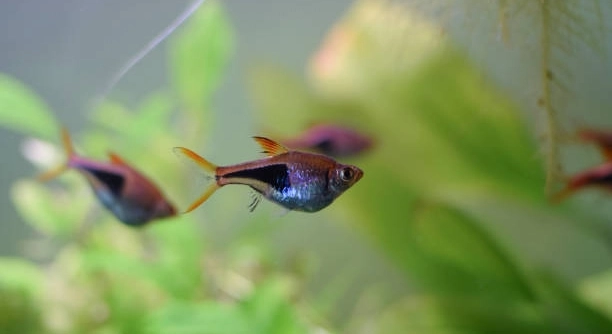
Rasboras are small, lively fish that can bring a sense of calm and joy to any aquarium. Their delicate movements and vibrant colors make them a delightful presence in your tank, brightening up the environment.
Rasboras often show signs of affection through consistent swimming near you, responding to your presence, and following your movements in the tank. These behaviors indicate comfort, trust, and recognition, reflecting a positive connection between the fish and its owner.
Observing these behaviors can deepen your bond with your rasbora and enhance your understanding of its natural habits. Each subtle action tells a story of comfort and familiarity.
Recognizing Your Rasbora’s Favorite Spots
Rasboras often have areas in the tank where they feel safest and most comfortable. Watching where your fish spends most of its time can reveal its preferences. They may linger near plants, decorations, or certain corners of the tank, showing a sense of security. Movement toward these spots when you approach the tank can indicate trust. Similarly, areas with proper lighting, hiding spaces, and gentle water flow can attract them. These patterns are subtle signals of comfort and familiarity. Observing how they interact with their surroundings helps you understand their temperament. Over time, you may notice they gravitate toward spaces that reflect calmness or shelter. These behaviors are not random but indicate choices that make them feel secure. Tracking these spots also allows you to adjust the tank layout, ensuring your rasbora has both safety and stimulation. Knowing their preferred areas helps improve their overall well-being.
Watching where your rasbora rests can provide clear insight into its comfort level and how it reacts to your presence.
Identifying favorite spots requires careful observation over days or weeks. When your rasbora consistently chooses certain areas, it signals trust in its environment. Adjusting tank features to support these spots can increase their confidence. They may also use these areas to observe you, swim nearby, or interact subtly. Recognizing these preferences strengthens your understanding of their behavior.
Understanding Feeding Responses
Rasboras often show excitement when it’s time to eat, swimming closer to the surface or following your hand. This is a clear indication of recognition and comfort.
Feeding behavior is a straightforward way to gauge attachment and familiarity between you and your fish.
When your rasbora responds consistently to feeding, it shows memory and awareness. They may swim toward you before food is even added or become more active at certain times of day. Some may even anticipate feeding routines, following your movements as you approach the tank. This behavior demonstrates both trust and recognition, reflecting a bond formed through repeated positive interactions. Observing these responses allows you to adjust feeding methods and schedules to maintain engagement and well-being. Over time, these cues become predictable, giving a clear sense of how your fish perceives you. Consistent attention to feeding responses also helps detect changes in health or mood, as a decrease in interest may indicate stress or illness. Recognizing these patterns strengthens your ability to care for your rasbora effectively.
Swimming Patterns and Interaction
Rasboras often swim in consistent patterns when comfortable. Following your movements or circling near you indicates trust. They may mirror your hand gestures or stay close during feeding, showing a preference for your presence.
Consistent swimming patterns reveal both comfort and curiosity. A rasbora that follows your hand or swims closer during tank maintenance demonstrates familiarity and recognition. These behaviors indicate that the fish associates your presence with safety and positive experiences. Over time, this can lead to more interactive and noticeable responses, strengthening the connection. Observing changes in movement, such as hesitation or avoidance, can also help identify stress or discomfort, allowing adjustments to maintain a calm environment.
These patterns are often subtle but meaningful. Watching how your rasbora reacts to movement, light, or presence can reveal its temperament. The fish may linger in areas where interaction is frequent, showing interest without appearing stressed. Tracking these behaviors helps predict moods and strengthens your understanding of daily habits. Regular observation creates a routine where the fish feels recognized and comfortable, fostering a sense of security.
Color Changes and Body Language
Rasboras may change color slightly when relaxed or stimulated. Bright, vivid tones usually indicate comfort, health, and engagement with the environment.
Color intensity reflects mood and well-being. When a rasbora is calm and interested, its scales appear brighter, especially during interaction or feeding. Conversely, dull or faded tones can signal stress, illness, or discomfort. Subtle shifts in body posture, such as upright swimming or slightly flared fins, often accompany these changes, providing insight into their emotions. Paying attention to these visual cues allows you to gauge both comfort and interest. Over time, patterns emerge, showing how the fish responds to presence, tank conditions, and routines. Observing color and posture together gives a fuller understanding of the fish’s state. Monitoring these signs consistently helps maintain a healthy environment while reinforcing positive interactions.
Bubble Nesting and Playful Behavior
Some rasboras display playful movements, exploring tank decorations or gently interacting with the water surface. These actions indicate comfort and a sense of security within their environment.
Observing gentle chasing or circling near objects often shows curiosity and engagement. Playful behavior reflects trust in the surroundings and signals a relaxed, confident fish.
Responding to Your Voice and Presence
Rasboras may recognize consistent sounds or your movements near the tank. Subtle changes in swimming patterns often occur when they hear familiar noises. Over time, they can associate your presence with feeding or calm interaction. This response demonstrates recognition, comfort, and a developing connection with their caretaker.
Fin Display and Tail Movements
Slight spreading of fins or gentle tail flicks often indicate alertness or interest. Watching these signals helps understand your rasbora’s mood.
FAQ
How can I tell if my rasbora trusts me?
Trust is shown through consistent behavior around you. A rasbora that swims near your hand, follows your movements, or remains calm during tank maintenance is demonstrating familiarity and comfort. Over time, these actions become more predictable, showing that the fish recognizes your presence as safe.
Why does my rasbora swim closer when I feed it?
Swimming closer during feeding is a clear sign of recognition. The fish associates you with positive experiences like food and safety. This behavior shows memory and awareness, and repeated patterns strengthen the bond. Paying attention to timing and reaction helps understand their routine.
What does it mean when my rasbora changes color?
Color changes often indicate mood or comfort levels. Bright, vivid scales generally show that the fish is relaxed and healthy. Faded or dull tones can signal stress, illness, or discomfort. Observing these changes alongside body posture, such as upright swimming or slight fin spreading, provides insight into emotional and physical states.
Are certain swimming patterns a sign of affection?
Yes, consistent swimming near you or following your hand indicates recognition and trust. These patterns are subtle signals of comfort and familiarity. They are more noticeable when your rasbora anticipates feeding or reacts positively to gentle movements around the tank.
How important is tank environment in showing affection?
The tank environment affects comfort and interaction. Proper lighting, gentle water flow, and hiding spots encourage natural behavior. When rasboras feel secure, they are more likely to show signs of recognition and curiosity toward you. Adjusting the tank to suit their preferences strengthens their sense of safety.
Why does my rasbora interact with decorations or plants?
Interaction with plants or decorations is often a sign of curiosity and playfulness. Exploring these objects indicates comfort in their surroundings. They may use these areas for shelter, observation, or gentle chasing, all of which reflect trust and engagement with the environment.
Can rasboras recognize me by voice or movement?
Rasboras respond to familiar sounds and movements. Subtle changes in swimming patterns when they hear consistent noises or see your approach show recognition. Over time, they associate these cues with feeding or calm interaction, demonstrating memory and awareness.
What subtle signs indicate my rasbora is happy?
Signs of happiness include smooth swimming, bright colors, slight fin spreading, and gentle tail flicks. Playful exploration of the tank and calm behavior near your presence also indicate comfort. Tracking these patterns regularly helps maintain a positive environment for the fish.
How do I encourage my rasbora to feel comfortable around me?
Consistent routines, gentle movements near the tank, and careful feeding schedules foster comfort. Providing hiding spots and observing without sudden interference allows the fish to associate your presence with safety. Patience and regular observation reinforce trust over time.
When should I be concerned about unusual behavior?
Unusual behavior includes hiding excessively, dull coloration, erratic swimming, or avoidance of interaction. These can indicate stress, illness, or poor tank conditions. Monitoring water quality, diet, and environmental factors can help identify causes and maintain well-being.
Do rasboras show excitement or interest in specific people?
Yes, they can respond differently to familiar individuals. Fish that consistently approach certain people or react positively to their movements show recognition and comfort. These responses are shaped by repeated positive interactions and routine feeding habits.
How often should I observe my rasbora to understand its behavior?
Regular observation, even a few minutes daily, is enough to notice patterns. Tracking swimming routes, color changes, and responses to movement or feeding provides a clear picture of temperament, health, and attachment levels.
Can rasboras form bonds with multiple people?
They can recognize multiple consistent caregivers. Familiarity develops through repeated presence, feeding, and gentle interaction. Each person who maintains predictable routines can become recognized, though the depth of attachment may vary between individuals.
Why do some rasboras ignore interaction sometimes?
Ignoring interaction can indicate temporary stress, tiredness, or distraction. It’s natural for fish to alternate between active engagement and rest. Observing patterns over days helps differentiate normal behavior from potential issues with health or environment.
Are there long-term signs of affection in rasboras?
Long-term signs include predictable responses to your presence, consistent swimming near you, anticipation of feeding, and playful behavior. These behaviors reflect trust, recognition, and comfort, showing that the fish associates you with a safe and positive environment.
How can I tell if my rasbora is comfortable with other fish?
Comfort with tankmates is shown through smooth schooling, minimal hiding, and peaceful interactions. Fish that maintain normal swimming patterns and engage in group behaviors without stress signals are well-adjusted socially and confident in their environment.
Do rasboras respond differently to men and women?
Responses depend on consistency and behavior rather than gender. Fish recognize individuals through movement, feeding routines, and presence. Predictable, calm interactions create familiarity, which is the main factor influencing responses, rather than any personal characteristics.
Can environmental changes affect attachment?
Yes, changes like rearranging decorations, altering water conditions, or introducing new fish can impact behavior. Gradual adjustments help maintain comfort, while sudden changes may lead to stress, reducing interaction or observable signs of recognition.
How do I balance observation without stressing my rasbora?
Observe calmly and quietly, avoiding sudden movements or tapping on the tank. Limit interaction to short periods and maintain consistent routines. Respecting their natural behavior while monitoring responses ensures comfort and encourages ongoing trust.
Is it normal for rasboras to have shy days?
Yes, occasional shy or withdrawn behavior is natural. Fish may retreat due to environmental changes, fatigue, or minor stress. Understanding these variations helps distinguish normal fluctuations from genuine health or behavioral concerns.
How does tank size impact interaction?
Adequate space allows freedom to explore, play, and engage with you. Overcrowded tanks can cause stress and reduce observable interactions. Providing a properly sized environment enhances comfort, encourages natural behavior, and promotes positive responses toward caregivers.
Can I train my rasbora to recognize specific cues?
Repetition and consistency are key. Using predictable feeding times, gentle tapping, or hand signals helps the fish associate cues with food or interaction. Over time, these practices encourage recognition and reliable responses, reinforcing familiarity and comfort.
What are the most common signs my rasbora is comfortable with me?
Comfortable signs include approaching during feeding, following movement, exploring nearby areas confidently, smooth swimming, bright colors, and gentle fin or tail movements. Consistent observation of these behaviors confirms trust and positive association with your presence.
How do I maintain a positive environment long-term?
Maintain stable water conditions, provide hiding spots, ensure consistent feeding, and minimize sudden disturbances. Regular observation, gentle interaction, and predictable routines support ongoing trust, comfort, and natural behavior patterns, keeping your rasbora healthy and engaged.
Are there signs that indicate my rasbora dislikes interaction?
Signs include rapid swimming away, hiding frequently, faded colors, and erratic movements. Persistent avoidance or stress behaviors suggest discomfort. Adjusting interaction methods, tank conditions, or routines can help the fish regain comfort and gradually respond positively.
What small daily habits help strengthen trust?
Feeding consistently, moving calmly around the tank, offering hiding spots, and observing quietly are effective. Repetition and gentle interaction reinforce positive experiences. Small daily habits create familiarity, build trust, and encourage natural, comfortable behavior over time.
Can rasboras show preference for certain areas during interaction?
Yes, they may choose spots that feel safe while still allowing observation of you. Favorite areas often include corners with cover or calm water flow. Respecting these preferences encourages engagement without causing stress.
How do I know if my rasbora’s behavior is improving?
Increased interaction, brighter colors, playful exploration, and predictable responses indicate positive progress. Tracking subtle changes over time shows adaptation, comfort, and recognition, reflecting trust in both the environment and your presence.
Are subtle tail flicks significant?
Yes, gentle tail flicks or slight fin movements often signal alertness, interest, or comfort. Observing these in context with other behaviors helps interpret mood and engagement levels, providing valuable insight into their well-being.
How can I observe without influencing behavior?
Maintain a quiet distance and avoid sudden movements. Watching from a consistent spot allows natural behavior to continue. Minimizing interference ensures that observed patterns reflect genuine comfort and interaction, rather than reactions to disturbance.
Do rasboras react differently to tank maintenance?
They may swim away initially but usually return once the environment stabilizes. Gentle, predictable handling reduces stress. Frequent, calm maintenance fosters trust and helps the fish associate these routines with safety rather than disturbance.
What behaviors indicate curiosity in rasboras?
Exploring decorations, swimming close to your hand, and investigating new objects are all signs. Curious behaviors show engagement with the environment, comfort, and willingness to interact without stress, reflecting a confident and healthy fish.
Can recognizing these signs improve care?
Yes, understanding behavior allows adjustments to feeding, tank conditions, and interaction methods. Recognizing comfort, stress, or interest helps maintain well-being, foster trust, and support a stable, enriching environment for your rasbora.
How long does it take to notice attachment?
Attachment develops over weeks of consistent care and observation. Predictable routines, gentle interaction, and repeated positive experiences help the fish become comfortable, gradually showing recognition and subtle signs of trust toward you.
Do rasboras remember individual people?
Yes, they recognize individuals based on movement patterns, feeding routines, and presence. Memory is reinforced through repeated, consistent interactions, allowing the fish to respond differently to familiar people compared to strangers.
Are some behaviors more reliable than others?
Yes, swimming close, following movement, responding to feeding, and showing color changes are the most consistent indicators of comfort and trust. These behaviors are easier to observe and interpret compared to occasional playful actions or subtle gestures.
How can I use observation to improve health?
Monitoring behavior like swimming patterns, color intensity, feeding response, and interaction frequency helps identify potential stress or illness early. Promptly addressing changes ensures a healthy environment, reinforces comfort, and maintains positive engagement.
Can multiple rasboras show different levels of attachment?
Yes, individual temperament and experiences shape behavior. Some may consistently engage, while others remain more reserved. Recognizing these differences allows tailored care and appropriate observation to support each fish’s comfort and well-being.
How do I balance interaction with rest?
Respect natural rhythms, allowing periods of calm or hiding. Avoid excessive handling or disturbance. Providing both stimulation and quiet time ensures comfort, reduces stress, and encourages voluntary interaction when the fish is ready.
Are subtle swimming routes important?
Yes, habitual paths indicate comfort and confidence. Fish returning to specific areas or swimming near you along preferred routes show recognition, trust, and familiarity. Observing these routines helps maintain a supportive environment and predict engagement.
How can I differentiate normal shy behavior from stress?
Short periods of hiding or reduced activity are normal, but prolonged avoidance, erratic swimming, or color loss signals stress. Monitoring changes alongside environmental factors helps distinguish temporary shyness from genuine issues requiring attention.
Do rasboras communicate with each other?
Yes, schooling patterns, following, and synchronized swimming are forms of social interaction. These behaviors indicate comfort with tankmates, coordination, and environmental awareness, indirectly affecting how they respond to human interaction.
Can recognizing body language reduce mistakes in care?
Absolutely. Understanding subtle cues like fin movements, posture, and swimming patterns allows better responses to needs. This prevents stress, supports health, and strengthens positive interactions, ensuring the fish remains comfortable and engaged.
Is patience crucial in building trust?
Yes, trust develops gradually. Consistent care, observation, and gentle interaction over time are necessary. Impatience can cause stress or avoidance, while patience fosters recognition, comfort, and meaningful interaction with your rasbora.
Do rasboras ever initiate interaction?
Yes, approaching your hand, swimming near preferred areas, or following movements often reflects initiative. These actions demonstrate curiosity, comfort, and recognition, indicating a growing bond through repeated positive experiences.
How do I track behavioral changes effectively?
Keep a simple routine of observation notes, recording swimming patterns, color intensity, feeding response, and interaction frequency. Comparing these over time reveals trends, highlights comfort levels, and alerts to potential issues before they become serious.
Can small changes in behavior indicate big issues?
Yes, even subtle shifts like reduced movement, slight fading in color, or hesitation near familiar areas can signal stress or illness. Early recognition allows timely adjustments in environment, care, or observation routines.
How do I interpret playful chasing between rasboras?
Chasing without aggression signals engagement and comfort. It demonstrates social bonds within the tank and indicates curiosity, confidence, and relaxed behavior. Observing frequency, intensity, and context helps differentiate play from stress or competition.
Does consistent interaction improve responsiveness?
Yes, repeated calm and predictable engagement reinforces recognition and trust. Over time, the fish becomes more responsive to presence, feeding cues, and gentle movements, showing comfort and familiarity with both environment and caretaker.
Are there signs of stress despite appearing comfortable?
Yes, occasional twitching, fin clamping, or rapid swimming may appear even in comfortable fish. Subtle stress indicators should be monitored alongside normal behaviors to ensure overall well-being and address environmental or health concerns.
Do rasboras show preference for certain activities?
Yes, some enjoy exploring decorations, others focus on feeding areas or interacting near glass. Recognizing these preferences allows better observation, environment adjustment, and meaningful interaction tailored to individual comfort.
How important is consistency in care routines?
Consistency in feeding, observation, tank maintenance, and gentle interaction fosters recognition and trust. Predictable routines help rasboras feel secure, encourage engagement, and minimize stress, allowing natural behaviors to emerge.
Can recognizing attachment reduce health issues?
Yes, understanding comfort and stress signals helps prevent illness. Early detection of changes allows prompt adjustments in diet, water conditions, and interaction, maintaining overall health and promoting stable, comfortable behavior patterns.
Is it normal for attachment to fluctuate?
Yes, mood, environment, and external factors affect interaction levels. Temporary withdrawal is natural, and gradual re-engagement indicates healthy adaptation. Observing patterns over time gives a clearer picture of attachment and comfort.
Do rasboras benefit from gentle hand presence in the tank?
Yes, calm hand movements near the tank encourage recognition and trust. They allow the fish to observe and approach at their own pace, reinforcing comfort without stress or forced interaction.
How can I tell if my rasbora is relaxed while interacting?
Signs include smooth swimming, upright posture, gentle tail flicks, bright colors, and exploration without sudden movements. Observing these cues regularly confirms comfort and trust.
Do rasboras form stronger bonds with consistent feeders?
Yes, predictable feeding routines reinforce recognition, comfort, and trust. Fish associate these individuals with positive experiences, leading to more responsive and engaged behavior over time.
Can observing multiple cues improve understanding?
Yes, combining swimming patterns, color changes, fin and tail movements, and feeding responses gives a more accurate picture of temperament, comfort, and attachment. Multiple observations reduce misinterpretation of isolated behaviors.
Are some rasboras naturally more interactive?
Yes, individual temperament varies. Some fish are naturally curious and responsive, while others are reserved. Understanding these differences helps set realistic expectations and tailor observation and interaction approaches.
How does stress affect interaction patterns?
Stress can reduce responsiveness, dull colors, increase hiding, or trigger erratic swimming. Identifying environmental, dietary, or social stressors allows adjustments to restore comfort and positive engagement.
Do rasboras recognize time patterns?
Yes, fish can anticipate feeding or interaction times. Consistent schedules help them develop predictable responses and improve comfort and engagement with routine activities.
Can observing interaction patterns prevent behavioral problems?
Yes, tracking responses, comfort levels, and social behavior allows early intervention. Adjusting environment, care routines, or social groupings based on observation prevents stress, aggression, or withdrawal, maintaining healthy and positive behavior.
Is it normal for interaction to vary day-to-day?
Yes, activity levels, curiosity, and responsiveness can fluctuate. Short-term variation is natural, while consistent avoidance or stress indicates environmental or health concerns that need attention.
How do I maintain engagement without over-stimulating?
Keep interactions brief and gentle, respecting hiding spots and natural rhythms. Balance observation, feeding, and environmental enrichment to encourage comfort while preventing stress or fatigue.
Do rasboras react differently to changes in light?
Yes, sudden changes can startle or reduce activity. Gradual adjustments in lighting help maintain comfort, allowing predictable behavior and steady engagement with their surroundings.
Can observing body language improve long-term care?
Yes, reading posture, fin position, tail movement, and swimming patterns allows better interpretation of comfort, stress, and engagement. This insight supports proper care, reinforces trust, and ensures a stable, healthy environment.
Do rasboras show preference for familiar objects?
Yes, they often explore known decorations or plants first, indicating comfort. Familiar objects provide security and a base for interaction, enhancing engagement and reducing stress.
Can repeated gentle presence lead to attachment?
Yes, consistent, calm interaction over time encourages recognition and trust. Fish learn to associate you with safety, food, and positive experiences, gradually increasing responsiveness and comfort.
How long should I spend observing daily?
Short, consistent periods are sufficient. Even a few minutes each day allows monitoring of swimming patterns, color changes, and interaction cues, supporting understanding without causing stress.
Are playful behaviors a sign of comfort or curiosity?
Both. Exploring decorations, chasing gently, or following movements reflect trust, engagement, and curiosity. These behaviors indicate a relaxed and confident fish within its environment.
How do I know when interaction is too much?
Signs include hiding, erratic swimming, fin clamping, or avoidance. Reducing presence, slowing movements, and respecting hiding spots restores comfort and prevents stress.
Can observing multiple rasboras together reveal social comfort?
Yes, group behaviors like schooling, following, or synchronized swimming indicate confidence and social comfort. These cues complement individual interactions, showing overall well-being in the tank.
Does repeated observation increase responsiveness?
Yes, gentle, consistent observation helps fish associate your presence with safety and routine. Over time, they become more predictable, responsive, and comfortable, reinforcing positive behaviors.
Are subtle changes in fin movement meaningful?
Yes, slight spreading or clamping indicates alertness, interest, or stress. Observing these in context with swimming, color, and posture provides a clearer understanding of mood and comfort.
How do I encourage consistent comfort?
Maintain stable water conditions, consistent feeding schedules, hiding spots, and calm presence. Predictability in routine fosters trust, engagement, and long-term well-being for your rasbora.
Can rasboras show signs of recognition during quiet times?
Yes, even when resting or exploring, they may swim closer
Final Thoughts
Understanding your rasbora’s behavior is a combination of observation, patience, and consistency. These small fish communicate through subtle cues such as swimming patterns, fin movements, tail flicks, color changes, and responses to feeding or presence. Each action provides insight into their comfort, mood, and recognition of you as a caregiver. By paying attention to these signals over time, you can better interpret how your rasbora interacts with its environment and with you. Observing consistently allows you to notice patterns that indicate trust and familiarity. For example, a fish that swims closer when you approach, follows your hand near the tank, or anticipates feeding times is showing recognition and comfort. These behaviors are not random but are shaped by repeated positive experiences. Understanding these signs helps in creating a calm and secure environment, ensuring the fish feels safe while also allowing you to engage meaningfully with it.
Providing the right environment plays a critical role in encouraging positive behaviors. Rasboras thrive in tanks with gentle water flow, appropriate hiding spots, and decorations that offer both shelter and exploration opportunities. Maintaining proper lighting and stable water conditions contributes to their well-being, which in turn affects how they respond to you. When a fish is relaxed in its surroundings, it is more likely to display behaviors that indicate comfort and attachment, such as playful exploration, following movements, or showing brighter coloration. Conversely, sudden changes in the tank or inconsistent routines can cause stress and reduce interaction. By maintaining a stable environment and consistent care, you create conditions that support trust and positive interaction. Over time, these small steps foster familiarity and recognition, allowing your rasbora to feel secure and confident in its tank.
Building a relationship with your rasbora requires patience and attentiveness. These fish may not show overt affection like mammals, but their subtle cues reflect their mood and level of comfort. Recognizing these signs allows you to respond appropriately, whether it involves adjusting feeding routines, improving tank conditions, or simply giving the fish space. Daily observation, gentle interaction, and consistent care are key to strengthening this bond. Over weeks and months, you will notice predictable responses, such as approaching your hand during feeding or swimming close to your presence. Understanding these behaviors enhances both the care you provide and the overall well-being of your fish. By focusing on these small but meaningful interactions, you can ensure your rasbora feels secure, comfortable, and confident, making your aquarium a healthier and more engaging environment for both you and the fish.

Hello,
If you enjoy the content that we create, please consider saying a "Thank You!" by leaving a tip.
Every little bit helps us continue crafting quality advice that supports the health, happiness, and well-being of pets around the world, for pets of all shapes, sizes, and species.
We really appreciate the kindness and support that you show us!