
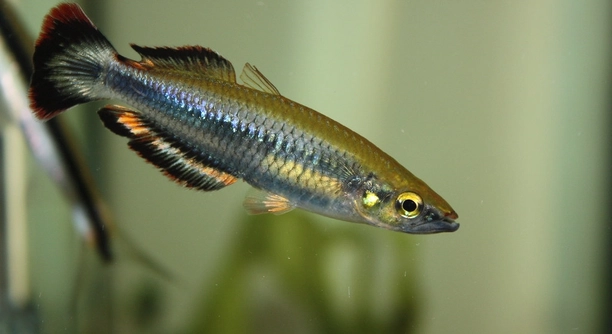
Have you ever watched your rainbowfish swim closer during feeding time and noticed subtle changes in behavior that feel personal, calm, and consistent within your aquarium routine as days pass and trust slowly builds there.
Rainbowfish display positive affiliation through relaxed swimming, approaching the glass, accepting food calmly, and maintaining vibrant coloration. These behaviors indicate reduced stress and learned association with your presence, reflecting comfort, recognition, and routine-based trust within a stable aquatic environment system.
Recognizing these small signals helps strengthen daily care habits and deepens appreciation for the quiet bond forming in your aquarium.
They Swim Toward You Calmly
I often notice that a rainbowfish showing interest will swim toward the front of the tank when I approach. This movement is unhurried and smooth, without sharp turns or frantic darting. The fish maintains a steady pace and does not retreat when shadows shift or footsteps pass by. Over time, this behavior becomes consistent, especially during regular care routines. It reflects comfort with my presence and familiarity with daily patterns. The fish may linger nearby, moving alongside the glass while observing calmly. This reaction develops gradually and is supported by stable water conditions, predictable feeding, and minimal disturbances. A rainbowfish that chooses proximity rather than distance is demonstrating trust through behavior, not instinct. These steady approaches show recognition, reduced stress, and a sense of safety within its environment. I see this pattern strengthen when routines stay consistent and the aquarium remains calm, clean, and balanced over long periods of time.
This behavior usually appears after repeated exposure to gentle maintenance and reliable feeding schedules. Sudden movements are avoided, allowing the fish to associate my presence with safety, calm water conditions, and predictable care rather than stress or disruption. Consistency over weeks supports this response and reinforces familiarity through daily observation.
When a rainbowfish swims toward me calmly, I take it as a positive indicator of comfort. This sign does not appear overnight and cannot be forced. It develops through patience, stable parameters, and respectful care. I avoid tapping the glass or changing routines abruptly. Instead, I focus on consistency and observation. Over time, the fish learns there is no threat. This behavior also pairs with other signs such as steady coloration and relaxed schooling. Together, these patterns suggest the fish feels secure and accustomed to my presence within its aquatic space during normal interactions and daily maintenance activities at home.
They Eat Comfortably When You Are Nearby
Comfort during feeding is another strong sign of positive association. The fish remains visible, eats steadily, and does not hide when food is introduced. This response reflects reduced anxiety, trust in routine, and familiarity with my presence during daily feeding moments within a stable and well maintained aquarium environment setup.
I pay close attention to feeding behavior because it reveals how secure a rainbowfish feels. A comfortable fish approaches food without hesitation and competes gently if kept with others. It does not rush wildly or abandon food when I move nearby. This calm feeding pattern shows familiarity with my presence and confidence in the environment. I maintain consistent feeding times and portions to support this behavior. Clean water and proper nutrition also play an important role. Stress often disrupts appetite, so steady eating suggests stability. Over weeks, this behavior becomes predictable and reliable. The fish remains visible throughout feeding and resumes normal swimming afterward. I avoid sudden changes that could interrupt this pattern. When feeding remains relaxed, it supports overall health and long term well being. Observing these moments helps me adjust care practices and maintain a balanced aquarium routine. This stability reduces stress related behaviors and supports immune function over time. I rely on observation rather than interference. Consistent feeding responses allow early recognition of changes, making it easier to correct water issues or routine disruptions before they affect overall fish health. These habits help maintain calm behavior and long lasting comfort within the aquarium setting over extended periods.
They Maintain Bright, Stable Coloration
Healthy rainbowfish display strong coloration when they feel secure. Colors remain bright rather than faded, even during active periods. I notice consistency across days, not brief flashes. Stable color reflects low stress, proper nutrition, and comfort with surroundings, including my presence during routine maintenance and feeding times each day calmly.
Color stability develops through predictable care and minimal disturbances. I avoid sudden light changes and keep water parameters consistent. When conditions fluctuate, colors often dull quickly. A fish that retains vibrancy while I work nearby shows confidence in its environment. This sign pairs with steady swimming and normal feeding behavior. Long term color consistency indicates balanced water quality and reduced fear responses. It also suggests the fish recognizes daily patterns. Over time, I rely on this visual cue to confirm that my care routine supports comfort rather than causing hidden stress within the aquarium over extended periods of observation calmly.
Faded or blotchy color can signal discomfort even when other signs seem normal. I monitor changes closely rather than assuming temporary shifts. Stable color across different times of day matters most. This helps separate lighting effects from true stress responses. When coloration remains even during cleaning or feeding, it suggests tolerance of my activity. I consider this sign more reliable when paired with relaxed posture. Together, these details provide reassurance that the fish feels safe, settled, and supported by consistent care practices over time within the home aquarium environment during long term observation periods without disruption or instability present daily.
They Remain Relaxed During Maintenance
Rainbowfish that remain visible during cleaning show notable comfort. They do not hide when tools enter the tank or when my hands move nearby. I observe steady swimming rather than frantic bursts. This calm response reflects familiarity with routine disturbances. Over time, the fish learns maintenance does not threaten safety, reducing stress reactions during regular care activities and supporting trust built through repetition, patience, and gentle movements within the aquarium space each week calmly observed.
Maintenance tolerance develops gradually and cannot be rushed. I keep movements slow and predictable while avoiding unnecessary changes. When a rainbowfish stays nearby during water changes, it shows recognition rather than fear. This behavior improves with consistent schedules and stable conditions. Loud noises or rapid motions can reverse progress. I focus on calm handling and short sessions. Over time, the fish resumes normal swimming almost immediately after maintenance ends. This indicates stress levels remain low. Observing this response helps confirm that my presence is not disruptive. It also signals that the environment feels secure enough to support natural behavior even during routine interruptions without triggering hiding responses, appetite loss, or prolonged avoidance behaviors, reinforcing trust built through consistency, patience, and respectful daily care practices overall.
They Keep Fins Open and Body Language Relaxed
A relaxed rainbowfish keeps fins open and posture smooth during normal swimming. I notice no clamping or stiff movements when I approach. This body language signals comfort, low stress, and familiarity with my presence during daily routines inside the aquarium over extended periods of consistent care within the home tank.
Fin position changes quickly under stress, so consistency matters. I watch posture before and after feeding or cleaning. When fins remain extended throughout the day, it shows the fish feels safe and unthreatened by movement, sound, or activity around the tank during normal household routines and regular observation times daily.
They Stay Within the Group Without Panic
Schooling behavior offers another clear indicator of comfort. A rainbowfish that likes its keeper stays with the group rather than isolating. I notice smooth coordination and balanced spacing while I am nearby. There is no frantic scattering when shadows pass. This response reflects reduced fear and stable conditions. Proper group size, steady lighting, and calm surroundings support this behavior. Over time, the fish treats my presence as neutral. This allows natural schooling patterns to continue uninterrupted. Consistent observation confirms comfort levels better than brief interactions or occasional feeding moments during daily care routines and long term aquarium stability periods overall.
They Show Calm Interest Near the Glass
Interest in the front glass often develops with trust. I see the fish linger near viewing areas without signs of alarm. This behavior suggests recognition and comfort. It appears gradually through repeated exposure, stable care, and calm interactions that remain consistent over time within a well maintained home aquarium setting.
How long does it take for a rainbowfish to become comfortable with me?
Comfort develops gradually and depends on consistency. In my experience, rainbowfish begin showing relaxed behavior after several weeks of stable care. Predictable feeding times, gentle maintenance, and steady water conditions matter most. Sudden changes slow progress. Patience supports familiarity and calm responses.
Can rainbowfish recognize individual people?
Rainbowfish do not recognize faces like humans, but they do associate patterns. I notice they respond to my movements, timing, and presence near feeding. This learned association builds through repetition. Over time, the fish reacts calmly because it links my presence with routine care.
Does feeding by hand increase trust?
Hand feeding can increase tolerance but should be approached carefully. I avoid direct hand feeding unless the fish already shows calm behavior. Introducing hands too early may cause stress. Trust develops first through consistent routines rather than direct interaction.
Why does my rainbowfish swim away some days but not others?
Behavior can change due to lighting, water quality, or surrounding noise. I check parameters when behavior shifts suddenly. Temporary avoidance does not erase trust. Consistency usually restores calm behavior once conditions stabilize and disturbances are reduced again.
Is glass following a sign of liking me?
Following the glass often reflects learned association rather than attachment. I see it most during feeding times. When paired with relaxed posture and steady swimming, it suggests comfort. Erratic movements or darting indicate anticipation, not stress, when conditions remain stable.
Can too much interaction cause stress?
Yes, excessive movement or frequent changes can cause stress. I limit unnecessary tank interaction. Observation works better than constant engagement. Rainbowfish respond best to calm presence rather than frequent interference, especially in smaller aquariums with limited space.
Do rainbowfish show different behavior toward different caretakers?
They may respond differently based on routine consistency. If one person feeds regularly, the fish associates that timing and movement with care. I notice calmer responses toward the individual who maintains predictable schedules and gentle movements.
Does tank placement affect how rainbowfish respond to me?
Placement matters greatly. Tanks in high traffic areas can cause stress if movement is constant. I position aquariums where activity is present but not overwhelming. This balance helps fish adapt to normal motion without fear responses.
How can I tell if behavior changes signal stress instead of mood?
Stress signs appear as clamped fins, hiding, or appetite loss. I track patterns across several days. Single incidents matter less than repeated changes. Stable behavior across maintenance and feeding usually indicates comfort rather than temporary reaction.
Do rainbowfish get bored without interaction?
They rely more on environmental enrichment than interaction. Proper tank size, plants, and group dynamics matter most. I focus on habitat quality rather than direct engagement. Healthy stimulation comes from space and structure.
Is it normal for rainbowfish to ignore me sometimes?
Yes, ignoring presence is normal and often positive. Constant attention is not required. I view neutral behavior as comfort. A fish that does not react strongly shows reduced fear and stable confidence in its surroundings.
Can changes in color reflect emotional response to me?
Color changes relate more to stress and health than emotion. I monitor color consistency across conditions. Stable coloration during my presence suggests tolerance. Sudden dulling usually points to environmental issues rather than personal interaction.
Do rainbowfish become more comfortable over years?
Long term care strengthens familiarity. I notice older fish respond calmly to routine activity. This stability builds through years of consistent care. Sudden changes still cause reaction, but recovery happens faster with established patterns.
Should I interact more if I want stronger responses?
I focus on care quality instead of interaction quantity. Strong responses are not always positive. Calm behavior indicates success. Over time, steady routines support comfort without requiring direct engagement or stimulation.
What is the most reliable sign my rainbowfish likes my presence?
The most reliable sign is consistency. When behavior remains calm across feeding, maintenance, and daily activity, it shows comfort. I trust long term patterns more than single moments when evaluating this response.
Final Thoughts
Understanding whether a rainbowfish feels comfortable around me comes down to observation, patience, and consistency. These fish communicate through behavior rather than direct interaction, and their responses are shaped by daily routines. Calm swimming, stable coloration, relaxed posture, and steady feeding patterns are not random. They develop when care remains predictable and the environment stays balanced. I have learned that progress appears gradually and should never be rushed. Sudden changes often disrupt trust, even after long periods of stability. A quiet approach, gentle maintenance, and reliable schedules allow natural behavior to surface. Comfort shows itself in small, repeated actions rather than dramatic displays. Over time, these patterns become familiar and reassuring. They signal that the aquarium feels safe and that my presence does not create stress. This understanding helps me adjust my habits and maintain conditions that support long term well being.
I also find it important to separate human expectations from fish behavior. Rainbowfish do not seek interaction the way land animals might. Comfort does not require attention or stimulation from me. In many cases, neutral behavior is the best outcome. When a fish ignores movement nearby or continues schooling without reaction, it suggests confidence in the environment. I avoid interpreting excitement or rapid movement as positive signs. Calm consistency matters more. By focusing on water quality, tank layout, and routine, I support natural responses rather than forcing engagement. This approach reduces stress and allows the fish to behave as intended. Over time, these steady conditions lead to clearer behavioral signals. I rely on patterns rather than moments. This mindset has helped me recognize when adjustments are needed and when things are simply functioning as they should.
Maintaining this balance requires restraint as much as effort. I resist unnecessary changes and trust the systems already in place. Observation becomes more valuable than interaction. Each fish responds slightly differently, but the overall indicators remain consistent. Comfort reveals itself through stability across days and weeks. When behavior remains steady during feeding, cleaning, and normal household activity, it confirms that care practices are working. This perspective keeps expectations realistic and grounded. It also strengthens my confidence as a caretaker. By respecting the natural limits of fish behavior, I create an environment where rainbowfish can thrive without pressure. Over time, this steady approach builds a quiet sense of connection based on trust, routine, and respect for their needs rather than my own.

Hello,
If you enjoy the content that we create, please consider saying a "Thank You!" by leaving a tip.
Every little bit helps us continue crafting quality advice that supports the health, happiness, and well-being of pets around the world, for pets of all shapes, sizes, and species.
We really appreciate the kindness and support that you show us!