
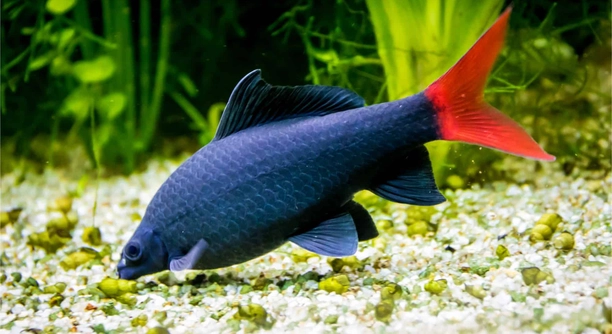
Rainbow sharks are popular freshwater fish known for their vibrant colors and active behavior. Many aquarium owners enjoy keeping them but often find it tricky to tell males and females apart. Identifying the gender of your rainbow shark can help with better care and breeding.
Sexing rainbow sharks is mainly done by observing body shape and fin characteristics. Males tend to have slimmer bodies and longer, more pointed dorsal fins, while females are usually rounder with shorter, rounded dorsal fins. Differences in coloration are subtle and less reliable.
Knowing how to distinguish between male and female rainbow sharks will improve your fish-keeping experience and help maintain a healthy aquarium environment.
Physical Differences Between Male and Female Rainbow Sharks
Male and female rainbow sharks show differences in body shape and fin structure that can help identify their gender. Males generally have slimmer bodies and longer, pointed dorsal fins. Their fins are more elongated and sometimes appear sharper at the edges. Females tend to be rounder and have shorter, more rounded dorsal fins. These traits become more noticeable as the fish mature. Color differences are subtle; males might display slightly brighter colors, but this is not a reliable indicator on its own. Observing behavior can also give clues—males are often more territorial and active, especially during breeding periods. However, physical characteristics remain the primary way to distinguish between sexes. Careful observation over time will help confirm your assessment, as younger fish often look very similar. Keeping these distinctions in mind helps ensure proper tank dynamics and breeding management.
Fin length and body shape differences are the most useful indicators of gender in rainbow sharks.
Proper identification of sex improves your ability to manage tank mates and breeding effectively.
Breeding Behavior and Gender Roles
Males tend to become more territorial during breeding, often chasing other fish to establish dominance. This behavior can be aggressive, especially in smaller tanks. Females generally avoid conflict and focus on preparing for spawning. During breeding, females release eggs in the substrate or plants, while males follow closely to fertilize them. Observing these behaviors gives additional clues to gender beyond physical traits. Males will display brighter colors and more active swimming patterns when ready to breed. Females may appear fuller in the abdomen as eggs develop. Breeding success requires a peaceful environment, appropriate water conditions, and plenty of hiding spaces. Understanding these roles helps create a suitable habitat that encourages natural behaviors and supports the health of both males and females. This knowledge is especially helpful for those interested in breeding rainbow sharks or managing mixed-gender tanks.
Common Mistakes When Sexing Rainbow Sharks
Many people rely too heavily on color differences to determine the sex of rainbow sharks. This approach can lead to confusion because males and females look very similar in coloration. It is important to focus on body shape and fin length instead for more accurate identification.
Body shape and fin length are more reliable than color when sexing rainbow sharks. Females usually have a rounder, fuller body shape, especially when carrying eggs. Males are slimmer with longer dorsal fins. Mistaking younger fish for one sex is common since juveniles show less obvious differences. Handling fish roughly to check these features should be avoided, as it can cause stress or injury. Patience and careful observation over time are key to learning the subtle signs that distinguish males and females.
Behavior can also mislead owners. Aggression is often seen in males but may vary by individual temperament or tank conditions. Relying on multiple factors rather than one characteristic improves accuracy when sexing rainbow sharks.
Tips for Creating a Balanced Tank Environment
Separating males and females can help reduce aggression and stress in the tank. Providing plenty of hiding spots with plants and decorations allows fish to escape territorial disputes. A larger tank with ample swimming space also minimizes conflicts.
Maintaining stable water conditions and a healthy diet supports the wellbeing of both genders. Balanced nutrition promotes proper growth and breeding readiness. Regular water changes prevent buildup of waste that could affect fish health. Observing interactions between fish helps identify and address aggressive behavior early. When housing multiple rainbow sharks, keeping the male-to-female ratio in check prevents dominance issues and encourages natural behavior. Following these tips creates a harmonious environment where rainbow sharks can thrive regardless of sex.
Identifying Juvenile Rainbow Sharks
Juvenile rainbow sharks are harder to sex because their physical differences are less developed. Both males and females look very similar during this stage.
As they mature, subtle changes in body shape and fin size appear. Patience is important when trying to determine their gender.
Using Venting to Determine Gender
Venting is a method involving examination of the fish’s genital papilla, located near the anal fin. This requires careful handling and experience.
It is one of the more accurate methods but is best left to those comfortable with fish handling, as improper technique can harm the fish.
Avoiding Stress During Gender Identification
Stress can weaken a fish’s immune system and cause illness. Minimize handling and disturbances when trying to identify gender.
Use gentle observation and only handle fish when absolutely necessary to keep them healthy and calm.
FAQ
How can I tell if my rainbow shark is male or female without handling it?
Observing body shape and dorsal fin length is the easiest way. Males are slimmer with longer, pointed dorsal fins. Females tend to have rounder bodies and shorter, more rounded dorsal fins. Watching behavior during breeding season may also help, as males become more territorial.
Is coloration a reliable way to identify gender in rainbow sharks?
No, coloration is not a reliable indicator. Both males and females have similar colors, and slight differences can vary depending on age, health, and environment. It’s best to rely on body shape and fin characteristics instead.
At what age can I start distinguishing male and female rainbow sharks?
Sexual dimorphism becomes noticeable when rainbow sharks reach maturity, usually around 6 to 12 months old. Before this stage, juveniles look very similar, making it difficult to identify their sex accurately.
What is venting, and is it safe for my fish?
Venting is a method that involves gently examining the genital papilla near the anal fin to identify gender. It requires experience and careful handling to avoid stressing or injuring the fish. If unsure, it’s best to consult an expert or avoid this method.
Can aggression help me tell if my rainbow shark is male?
Males often display more territorial and aggressive behavior, especially during breeding. However, individual temperaments and tank conditions can affect behavior, so aggression alone is not a definitive sign of gender.
Should I keep males and females separate in the tank?
Separating sexes can reduce aggression and stress, especially in smaller tanks. However, in larger, well-decorated tanks, males and females can coexist peacefully if there is enough space and hiding places.
Does the ratio of males to females in a tank matter?
Yes, maintaining a balanced ratio helps reduce territorial disputes. Having more females than males usually creates a calmer environment and encourages natural breeding behavior.
How does diet affect gender development or breeding readiness?
A balanced diet supports healthy growth and reproductive health in both males and females. Proper nutrition helps females develop eggs and males maintain vibrant fins and coloration.
Can stress affect my ability to identify my fish’s gender?
Yes, stressed fish may hide or behave unusually, making it harder to observe physical and behavioral signs. Minimizing handling and maintaining stable tank conditions reduces stress and helps with accurate identification.
What should I do if I’m still unsure about my rainbow shark’s gender?
If uncertainty remains, patience and continued observation are best. Avoid excessive handling or stress. You may also seek advice from experienced hobbyists or aquatic veterinarians for guidance.
Determining the gender of your rainbow shark is an important step for anyone who wants to provide the best care and maintain a healthy aquarium. While males and females share many physical traits, subtle differences in body shape and fin length offer the most reliable clues. Males tend to be slimmer with longer, pointed dorsal fins, while females are usually rounder with shorter, rounded fins. These differences become clearer as the fish mature, so patience is key. Avoid relying on color alone, as it can be misleading and varies due to environmental factors. Observing behavior, such as territorial actions by males, can also help but should not be the only method used.
It is essential to approach gender identification carefully to avoid stressing or harming your fish. Handling rainbow sharks too much or roughly can weaken their immune system and lead to health issues. Techniques like venting can be accurate but require experience and should only be attempted when you are confident in your skills or with the help of an expert. The best approach is gentle observation over time, focusing on physical features and natural behavior within the tank. Providing a balanced diet, stable water conditions, and a spacious tank with hiding places helps maintain your rainbow sharks’ health and encourages natural behaviors, including breeding.
Knowing the sex of your rainbow sharks can improve tank management and reduce conflicts between fish. It allows you to plan the right number of males and females and create an environment that supports peaceful coexistence. For those interested in breeding, recognizing gender is crucial for success. Remember, some uncertainty is normal, especially with juveniles, and it is okay to take time before making any decisions based on gender. With patience and careful attention, you can ensure your rainbow sharks thrive in their home and enjoy a healthy, balanced life.

Hello,
If you enjoy the content that we create, please consider saying a "Thank You!" by leaving a tip.
Every little bit helps us continue crafting quality advice that supports the health, happiness, and well-being of pets around the world, for pets of all shapes, sizes, and species.
We really appreciate the kindness and support that you show us!