
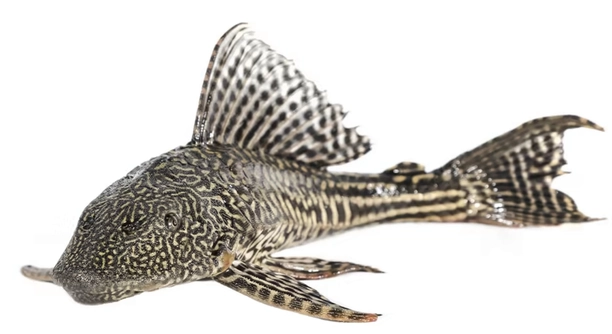
A pleco is a common aquarium fish known for its algae-eating habits, but when it becomes underweight, it can face health issues. Recognizing the signs of an underweight pleco early can help you address the problem.
The most common signs of an underweight pleco include noticeable spine protrusion, lack of energy, and a decrease in appetite. These symptoms often result from insufficient food, poor water quality, or disease, affecting the pleco’s overall well-being.
Recognizing these signs and making necessary adjustments can ensure your pleco stays healthy and thriving. Keep reading to learn how to manage your pleco’s diet and care effectively.
Common Signs of an Underweight Pleco
When a pleco is underweight, you’ll likely notice changes in its appearance and behavior. The spine may appear more pronounced, and the fish might look thinner than usual. You may also see a lack of energy, where it doesn’t swim as actively. In some cases, the pleco may stop eating altogether, which only worsens the problem.
These physical and behavioral changes can be a red flag, indicating your pleco isn’t getting enough food or is stressed. If left unaddressed, this could lead to more serious health problems.
The best way to determine if your pleco is underweight is to carefully observe its body condition and behavior over time. Compare its current state to previous observations and note any significant differences. If your pleco is constantly hiding or not interacting with the environment, it’s time to investigate further.
Causes of Underweight Plecos
Dietary imbalances are one of the main reasons a pleco might become underweight. Plecos primarily feed on algae, but they also need additional nutrients. Insufficient food or an imbalanced diet lacking in proteins and vegetables can lead to weight loss.
In addition to poor diet, water quality plays a crucial role. If the tank’s water is not regularly cleaned, it could cause stress and affect your pleco’s feeding habits. Bad water conditions can also lead to disease, which further reduces a fish’s appetite.
Another issue is the environment. If your pleco feels stressed due to tank mates or unsuitable hiding spots, it may become less active and eat less. Make sure your pleco has access to food and feels safe in its habitat.
How to Help an Underweight Pleco
To help your underweight pleco, start by adjusting its diet. Provide a varied menu that includes algae wafers, fresh vegetables, and occasional protein-rich foods like shrimp. This will give your pleco the nutrition it needs to regain weight.
Next, ensure that the water conditions are optimal. Regular water changes and maintaining proper filtration will keep the environment healthy. Also, check the tank temperature, as it can influence your pleco’s activity levels and feeding habits.
You can also reduce stress by providing hiding spots in the tank, such as caves or plants, where your pleco can feel secure. If necessary, isolate the fish from overly aggressive tank mates until it regains its strength.
Making these changes may take time, but they are essential for restoring your pleco’s health and encouraging it to thrive once more.
How to Feed Your Pleco Properly
Feeding your pleco the right foods is essential for its health. A proper diet includes a combination of algae, vegetables, and protein. You can use algae wafers or pellets as a staple, but adding fresh vegetables like zucchini or spinach will provide essential nutrients.
The pleco’s diet should also include protein, which can come from shrimp, bloodworms, or other high-protein fish foods. Offering a variety of foods ensures your pleco gets the balanced nutrients it needs to stay healthy. It’s important to avoid overfeeding, as leftover food can pollute the water. Feed in moderation to prevent weight gain or water quality issues.
In addition to the regular feeding routine, it’s important to place food in spots where your pleco can easily access it. Since they often feed at night, make sure the food is available during their active hours. Proper feeding habits will help your pleco maintain a healthy weight and thrive in its environment.
Tank Setup and Maintenance
A well-maintained tank is key to your pleco’s overall health. Ensure that the tank is large enough for your pleco to move around freely. Plecos grow to a considerable size, so a spacious tank will prevent stress and help your fish feel comfortable.
Keep the water temperature consistent within the range of 74–80°F (23–27°C). This helps regulate your pleco’s metabolism and encourages healthy eating habits. Regular water changes and monitoring the water’s pH, ammonia, and nitrate levels are vital to maintaining a clean environment. Keeping the tank clean ensures that your pleco stays healthy and active.
Additionally, consider adding driftwood or rocks to the tank. These provide your pleco with places to hide and graze on, mimicking their natural habitat. Proper tank maintenance and setup play a significant role in your pleco’s overall well-being.
Monitoring Your Pleco’s Health
Regularly check your pleco for signs of weight loss, lethargy, or changes in behavior. These are clear indicators of health issues. If you notice any of these signs, it’s essential to take action quickly to avoid further complications.
Ensure that your pleco is active and eating regularly. If it appears weak or its body becomes noticeably thinner, it’s time to address its diet and environment. Promptly identifying health issues will help prevent long-term damage. Regular health checks are key to maintaining a thriving pleco.
Water Quality and its Impact
Water quality directly affects your pleco’s health and appetite. Poor water conditions can lead to stress and reduced feeding. Test the water regularly for ammonia, nitrites, and nitrates, ensuring that they are at safe levels.
Maintain proper filtration and make regular water changes to keep the tank clean. If the water quality is off, your pleco may stop eating, leading to weight loss. Healthy water supports your pleco’s immune system, encouraging normal behavior and feeding. Regular checks and adjustments will keep your pleco healthy and active.
When to Seek Expert Advice
If your pleco continues to show signs of weight loss despite addressing diet and water quality, it’s time to consult an expert. A veterinarian with experience in aquatic animals can offer guidance on potential health conditions that may not be obvious.
FAQ
How can I tell if my pleco is underweight?
If your pleco is underweight, you’ll likely notice its spine appearing more pronounced, with a thin body shape. The fish may seem lethargic or not swim around as much. A loss of appetite is another common sign. If you observe these behaviors, it’s a good idea to check its diet and tank environment immediately.
What should I feed my underweight pleco?
A balanced diet is crucial for an underweight pleco. Offer algae wafers or pellets as the main food source, but also include fresh vegetables like zucchini, spinach, or cucumbers. Protein-rich foods such as bloodworms, shrimp, or even mussels can help your pleco gain weight. Make sure to avoid overfeeding, as excess food can pollute the water.
How often should I feed my pleco?
Feed your pleco once or twice a day, depending on its age and activity level. A small amount of food each time is ideal, as plecos are bottom feeders that prefer to graze throughout the day. If you notice food leftover after 30 minutes, it’s a sign you’re feeding too much. Regular, smaller feedings will help prevent excess waste and keep the tank cleaner.
Can plecos eat only algae?
While algae is a significant part of a pleco’s natural diet, it’s not enough on its own. Plecos require a variety of foods to ensure they get all the necessary nutrients. Supplementing their diet with fresh vegetables and protein sources will provide the vitamins and minerals they need for healthy growth.
Why is my pleco not eating?
There are several reasons why your pleco may not be eating. Stress from poor water conditions, an unsuitable tank environment, or aggression from other fish can cause a pleco to lose its appetite. It could also be a sign of illness or a change in its diet. Make sure to check water quality, temperature, and tank mates, and provide a variety of foods.
How can I improve water quality for my pleco?
Improving water quality for your pleco involves maintaining proper filtration, performing regular water changes, and monitoring the levels of ammonia, nitrites, and nitrates. Plecos thrive in well-filtered water with low levels of harmful chemicals. Also, ensure the water temperature stays between 74–80°F (23–27°C) for optimal health.
Can stress cause my pleco to lose weight?
Yes, stress is a major factor that can contribute to a pleco losing weight. Stress can be caused by poor water quality, overcrowding, aggression from other tank mates, or a lack of hiding places. A stressed pleco may stop eating or become more lethargic. Providing a calm and comfortable environment will help prevent weight loss due to stress.
How much space does my pleco need?
Plecos can grow quite large, so it’s important to provide them with ample space. A 30-gallon tank is usually the minimum size for a pleco, with larger tanks being better for larger species. A spacious tank allows your pleco to swim and graze, reducing stress and promoting healthy growth.
Can I feed my pleco human food?
While some human foods like spinach, zucchini, and cucumber can be safe for plecos in moderation, it’s important to avoid processed or seasoned foods. Plecos need a diet tailored to their specific nutritional needs, so feeding them fish food designed for their species is the best option. Human food can disrupt their digestion or cause health problems if fed too often.
How do I know if my pleco is sick?
If your pleco is sick, you might notice changes in its behavior, such as swimming erratically or hiding more than usual. Physical symptoms like faded color, bloating, or abnormal fin movement may also indicate illness. If your pleco refuses to eat for an extended period or shows signs of distress, it’s time to check the water quality and consider seeking professional advice.
How do I keep my pleco healthy in the long term?
To keep your pleco healthy, maintain a balanced diet that includes algae, fresh vegetables, and protein. Regularly clean the tank and perform water changes to keep the water quality high. Ensure that your pleco has enough space and hiding places to reduce stress. Monitoring its health regularly will help catch any issues early.
Final Thoughts
Taking care of your pleco requires attention to detail, but it doesn’t have to be overly complicated. By maintaining good water quality, providing a balanced diet, and ensuring a stress-free environment, you can help your pleco thrive. Regularly monitor your fish for signs of underweight or other health issues, as early intervention can prevent bigger problems down the line. Understanding your pleco’s behavior and dietary needs will set you up for long-term success in keeping this fish healthy.
Remember that plecos are bottom feeders and enjoy a variety of foods. Offering algae wafers, fresh vegetables, and protein sources like shrimp or bloodworms will ensure they get a full range of nutrients. Additionally, keep in mind that overfeeding can lead to poor water quality, which can negatively impact your pleco’s health. Maintaining a balance between feeding and water cleanliness is key to a happy, healthy fish.
Lastly, always stay on top of tank maintenance and pay attention to your pleco’s behavior. If you notice any signs of illness or if your pleco becomes underweight, take immediate steps to correct the problem. Consult a veterinarian if needed and adjust the tank conditions or feeding routine as necessary. By keeping up with proper care, your pleco will live a long, healthy life in your aquarium.

Hello,
If you enjoy the content that we create, please consider saying a "Thank You!" by leaving a tip.
Every little bit helps us continue crafting quality advice that supports the health, happiness, and well-being of pets around the world, for pets of all shapes, sizes, and species.
We really appreciate the kindness and support that you show us!