
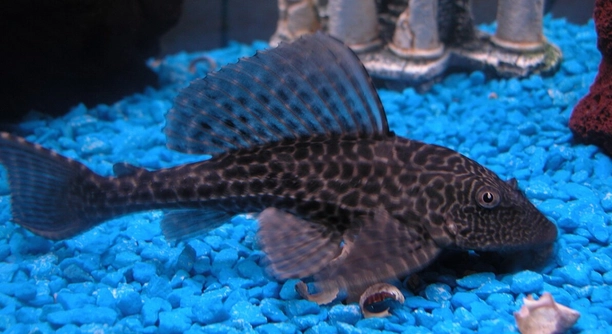
If you have a Pleco in your tank, you may notice certain behaviors that indicate it could be feeling lonely. Understanding these signs is key to ensuring your fish is happy and healthy in its environment.
Plecos are social fish and may display signs of loneliness, such as hiding more often, reduced activity, or lack of appetite. These behaviors can stem from a lack of interaction with other fish or insufficient stimulation.
Recognizing these behaviors will help you create a more comfortable environment for your Pleco and improve its well-being in the long run.
Signs of a Lonely Pleco
When a Pleco feels lonely, it can show a range of behaviors. They might spend more time hiding, usually in dark corners or caves, as they try to avoid other fish. Plecos are typically more active during the night, but if they are less active during this time, it could be a sign that they aren’t feeling comfortable in their environment. Another common sign is a decrease in eating. If your Pleco is not eating regularly, it could indicate stress from being isolated. Lack of interaction with other fish or a lack of proper tank enrichment can contribute to these behaviors.
If you notice these signs, it’s important to assess the tank conditions. Adding more hiding spots or creating a more stimulating environment with plants or decorations might help. Also, consider whether the tank is too quiet, and if your Pleco could benefit from being in a group setting.
Keep in mind that Plecos are solitary fish by nature but still need proper interaction with their environment. If they’re the only fish in the tank, their loneliness can lead to unwanted stress, affecting their overall health. It’s important to ensure your Pleco has enough space to swim freely and enough to do during the day. Adding other species that are compatible can also help reduce feelings of isolation. With some attention and care, your Pleco’s behavior can improve, leading to a healthier, happier fish.
Creating a Pleco-Friendly Tank
A Pleco needs more than just water and food to thrive. Make sure the tank is large enough to allow them space to roam and hide when they feel the need.
Creating a Pleco-friendly environment involves adding plenty of hiding places, such as caves, plants, and driftwood. These items mimic their natural habitat and offer them security.
The Importance of Tank Mates
Plecos tend to be less lonely if they have compatible tank mates. It’s essential to choose peaceful fish that won’t compete for the same hiding spots or resources. Overcrowding can lead to stress, so avoid adding too many fish to the tank.
Adding tank mates that are similar in size can help prevent aggression and territorial issues. Fish like tetras, rasboras, or other peaceful species can work well with Plecos. They won’t overwhelm the Pleco, but they can still provide enough interaction. Remember that some Plecos may be more territorial than others, so it’s important to monitor their behavior.
The social environment is important for a Pleco’s health. Proper tank mates can help alleviate feelings of loneliness by providing companionship without the risk of stress or aggression. Keep in mind that some species may not get along with Plecos. Always research any new tank mates carefully to ensure compatibility.
Tank Size and Space
A larger tank gives your Pleco more freedom to move and reduces the chances of loneliness. A crowded tank can lead to territorial disputes and hinder the Pleco’s comfort.
For a healthy Pleco, a tank size of at least 30 gallons is recommended, especially if it’s the only fish in the tank. The extra space will allow it to feel more secure and give it room to explore. This will reduce stress and improve overall behavior.
Feeding and Diet
Plecos require a balanced diet to maintain their health and reduce loneliness. If they are not properly fed, they can become lethargic and stressed. Provide a variety of foods such as algae wafers, vegetables, and occasional protein.
Feeding a Pleco consistently and providing the right nutrients is key. A lack of variety in the diet can lead to health issues and reduced activity. Including fresh vegetables like zucchini or cucumber helps mimic their natural diet, supporting their physical and mental health.
Lighting and Tank Environment
Plecos prefer dim lighting, as they are nocturnal. Bright lights can cause stress, making them hide more often. Creating a suitable lighting environment encourages natural behaviors and a healthier tank atmosphere.
Lower lighting allows Plecos to feel more comfortable exploring and interacting with their environment. A gentle, low-intensity light will mimic their natural habitat, reducing feelings of stress and helping them feel safe.
FAQ
How can I tell if my Pleco is lonely?
Signs of a lonely Pleco include hiding more often, reduced activity, or a lack of appetite. These behaviors suggest that the Pleco is stressed or not feeling comfortable in its environment. You might also notice it becoming more reclusive or staying in one area of the tank for extended periods.
Can I keep a single Pleco in my tank?
Yes, you can keep a single Pleco, but it depends on the size of the tank and the species. Some Plecos are solitary by nature and do well alone. However, they will still need an enriching environment with enough hiding spaces and stimulation. A larger tank with other peaceful fish can help alleviate feelings of loneliness.
Do Plecos need to be with other fish?
While Plecos are generally peaceful, they do enjoy having tank mates, especially if the tank is large. Having other non-aggressive species can help reduce loneliness. However, overcrowding should be avoided, as too many fish can create stress and territorial disputes.
What are good tank mates for a Pleco?
Good tank mates for Plecos include peaceful species like tetras, rasboras, and other small, non-aggressive fish. Avoid species that are too aggressive or that compete for the same food or hiding spots. Always check for compatibility before introducing new fish.
Can a Pleco get lonely if it’s the only fish in the tank?
Yes, a Pleco can get lonely if it’s the only fish. Although Plecos are solitary by nature, they still require interaction with their environment. A lack of stimulation, hiding spots, or tank mates can lead to stress and unwanted behaviors.
How can I improve my Pleco’s environment to reduce loneliness?
Improving your Pleco’s environment involves adding plenty of hiding spots, decorations like caves, and plants. This will provide the Pleco with a sense of security and reduce stress. If you keep it alone, make sure the tank is large enough to allow it to move around freely.
Is it normal for my Pleco to hide a lot?
Yes, hiding is normal for Plecos, especially during the day. They are nocturnal and prefer dim lighting. However, if your Pleco is hiding constantly, it could be a sign of loneliness, stress, or discomfort. Ensure that the tank is not overcrowded and that there are enough hiding spots.
How often should I feed my Pleco?
Plecos should be fed daily, with a varied diet that includes algae wafers, vegetables like zucchini or cucumber, and occasional protein sources. Feeding at night is ideal since Plecos are nocturnal and prefer eating during this time.
Do Plecos require special water conditions?
Yes, Plecos need specific water conditions to thrive. They prefer a temperature range of 74-80°F and slightly acidic to neutral water (pH 6.5-7.5). Regular water changes and maintaining water quality are essential to their health and happiness.
Can I have a Pleco with shrimp?
Plecos can live with shrimp, but it depends on the size of the Pleco and the shrimp species. Smaller shrimp may be at risk of being eaten by larger Plecos, especially if the Pleco is feeling stressed or hungry. It’s important to monitor their interaction closely.
How do I know if my Pleco is stressed?
A stressed Pleco may hide more often, swim erratically, or stop eating. It might also scrape its body on tank decorations or rocks, a sign of discomfort. Check the water conditions, ensure the tank is not overcrowded, and provide more hiding spots to reduce stress.
Can Plecos live with other bottom dwellers?
Plecos can live with other bottom dwellers, but it’s important to provide enough space and hiding places to prevent competition. Species like Corydoras or smaller catfish can coexist with Plecos if the tank is large enough. However, monitor them to avoid territorial disputes.
How can I make sure my Pleco is happy?
To ensure your Pleco is happy, provide a tank that mimics its natural habitat with plenty of hiding spots, plants, and driftwood. Keep the water clean, maintain appropriate lighting, and offer a varied diet. Regular monitoring of its behavior can help identify any signs of stress or discomfort.
Why is my Pleco not eating?
If your Pleco is not eating, it could be stressed, lonely, or its diet may not be appealing to it. Ensure the water quality is optimal, the tank has enough hiding spots, and offer a variety of foods. Some Plecos are more picky eaters, so try different foods.
Can I keep more than one Pleco in my tank?
It’s possible to keep more than one Pleco in a tank, but they should be of similar size and have enough space. Some Plecos are territorial, so it’s best to provide plenty of hiding spots and space for each to feel secure. Monitor their behavior closely.
Is it important to keep the tank clean for my Pleco?
Yes, maintaining a clean tank is crucial for your Pleco’s health. Dirty water can cause stress and illness. Perform regular water changes, remove uneaten food, and clean the tank decorations to maintain good water quality. Cleanliness also ensures the Pleco’s environment remains safe and comfortable.
Do Plecos need a filter?
Yes, Plecos require a filter to maintain water quality. They produce waste, and without a proper filtration system, water quality can deteriorate, leading to health issues. A good filter will help remove debris, prevent algae overgrowth, and keep the tank environment stable.
Final Thoughts
A Pleco’s well-being is closely tied to its environment. While they are often considered solitary, they still need a stimulating and secure space. Providing enough hiding spots, a balanced diet, and the right water conditions can significantly reduce loneliness. It’s important to remember that these fish are nocturnal and prefer darker environments, so dim lighting can make a huge difference in their comfort level. Monitoring your Pleco’s behavior will help you notice any signs of stress or loneliness.
Adding tank mates can be beneficial, but it’s crucial to choose compatible species. Avoid overcrowding and ensure that all fish in the tank have enough space and resources to thrive. Peaceful species like tetras or rasboras make excellent companions for Plecos. However, some Plecos can be territorial, so it’s essential to keep an eye on how they interact with other fish. Tank size matters, too—bigger tanks reduce territorial conflicts and give your Pleco more room to swim.
Ultimately, understanding your Pleco’s natural behavior and needs will help you create an environment where it feels safe and comfortable. Whether you choose to keep a single Pleco or add others to the tank, ensuring its space is clean, secure, and well-maintained is key. If you notice any signs of loneliness or stress, adjusting the tank’s layout, adding tank mates, or modifying the lighting could improve its situation. A happy Pleco will be more active and healthier, so making small adjustments to its environment can lead to long-term improvements.

Hello,
If you enjoy the content that we create, please consider saying a "Thank You!" by leaving a tip.
Every little bit helps us continue crafting quality advice that supports the health, happiness, and well-being of pets around the world, for pets of all shapes, sizes, and species.
We really appreciate the kindness and support that you show us!