
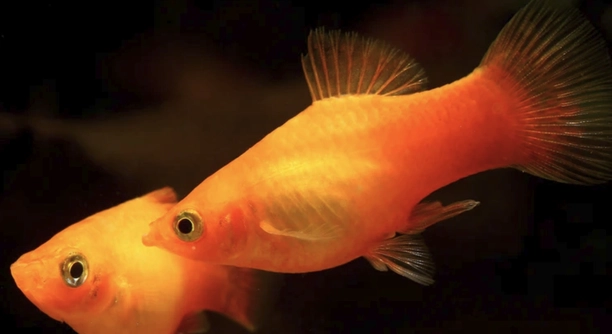
Platies are popular freshwater fish known for their peaceful nature and vibrant colors. Many aquarium owners enjoy watching them swim happily in their tanks. Sometimes, these fish may show signs of stress or frustration that can affect their behavior and health.
Frustration in platies often appears through changes in activity levels, such as increased aggression, lethargy, or repetitive swimming patterns. Environmental factors like overcrowding, poor water quality, or lack of stimulation can contribute to these behaviors and reduce their well-being.
Recognizing these signs early can help maintain a healthy environment for your platy and improve its overall happiness in your aquarium.
Signs of Frustration in Your Platy
When a platy is frustrated, it often shows through changes in behavior. You might notice it swimming rapidly back and forth or bumping against tank walls. Some platies become unusually aggressive toward other fish or hide more than usual. Loss of appetite and duller colors can also be signs. These behaviors suggest the fish is uncomfortable or stressed. Frustration can stem from issues like overcrowding, insufficient hiding spots, or poor water quality. It’s important to observe these signs early to prevent long-term health problems. Regular tank maintenance and providing a balanced environment help reduce stress. Making small adjustments, like adding plants or decorations, can improve your platy’s mood. Paying attention to these signs allows you to respond quickly and maintain a peaceful aquarium where your platy thrives. Fish may not express frustration loudly, but their actions tell a clear story when you look closely.
Platies often show frustration through repeated swimming patterns or sudden aggression toward tank mates.
A well-balanced aquarium supports your platy’s natural behavior and keeps frustration at bay. Clean water, enough space, and proper companions are key. Keeping the environment engaging with plants or hiding spots also helps. Sometimes, subtle changes in behavior need your attention. Addressing these early prevents stress-related health issues. By monitoring your platy closely, you ensure a healthier, happier fish. Maintaining a calm tank environment reduces frustration and supports their wellbeing. The right setup encourages natural swimming and social behaviors. It also minimizes territorial disputes and boredom. When your platy’s environment meets its needs, you see calmer, livelier fish. This makes aquarium care rewarding and enjoyable for both you and your fish. Observing your platy’s behavior regularly helps you catch problems before they worsen.
Causes of Frustration in Platies
Poor water conditions are a common cause of frustration in platies. High ammonia or nitrate levels can irritate them, leading to erratic behavior. Overcrowding adds stress as fish compete for space and resources. A lack of plants or hiding places can make your platy feel exposed and vulnerable. Sudden changes in temperature or light may also disturb their routine. Sometimes, incompatible tank mates trigger frustration through bullying or constant chasing. A monotonous environment without stimulation can result in boredom and repetitive behaviors. Regular water testing and partial water changes help keep conditions stable. Adding live plants and decorations provides hiding spots and visual interest. Choosing peaceful tank mates prevents aggression and tension. Keeping the tank stable and enriched creates a healthier, less stressful home. Addressing these factors improves your platy’s comfort and behavior, reducing frustration and promoting well-being. Proper care keeps your fish active and content.
Water quality issues, crowding, and lack of hiding spaces often cause platy stress.
By maintaining stable water parameters and offering a varied environment, you create a peaceful home for your platy. Observing fish interactions helps identify incompatible tank mates early. Adjusting conditions when needed prevents stress buildup and related health concerns. Providing a balanced diet and stimulating surroundings enhances your fish’s mood and vitality. Proper tank management ensures a healthy and harmonious community.
How to Reduce Frustration in Your Platy
Keeping the water clean is essential. Regular partial water changes help maintain good water quality and reduce stress. Adding plants or decorations creates hiding spots that make your platy feel safe.
Providing enough space prevents overcrowding, which can lead to aggression and frustration. Monitoring tank mates is important; choosing peaceful species avoids conflicts. Enriching the environment with plants and objects stimulates natural behaviors and reduces boredom. A well-maintained tank with stable water parameters supports your platy’s health and happiness. Adjusting the tank setup to meet these needs often results in calmer and more active fish. Consistency in care routines also helps your platy feel secure and less stressed over time.
Feeding a varied, balanced diet supports overall health. Avoid overfeeding, as excess food can pollute the water and cause discomfort. Watch your platy’s behavior closely; early signs of stress can be addressed quickly.
Common Mistakes to Avoid
Overcrowding is a frequent issue that increases stress and leads to frustration in platies. Too many fish in one tank means competition for space, food, and hiding places, which disrupts their natural behavior and peace.
Neglecting water quality often causes irritation and stress. Skipping water changes or not testing the water regularly allows harmful chemicals to build up. Ignoring incompatible tank mates results in bullying and aggression, increasing frustration. Lack of environmental enrichment leaves platies bored and restless. Providing a suitable, stable environment prevents these common mistakes and promotes a healthy, comfortable home. Taking time to learn about your platy’s needs helps avoid unnecessary problems and ensures a balanced, peaceful aquarium. Proper care reduces stress and encourages natural, relaxed behavior.
Tank Setup Tips for Happy Platies
Adequate space is key for your platy’s comfort. A tank of at least 20 gallons is recommended to avoid overcrowding. Providing plants and decorations creates hiding spots that help reduce stress and encourage natural behavior.
Proper filtration keeps the water clean and oxygenated. A gentle current is best, as strong flows can tire out platies. Regular maintenance of filters ensures stable water quality. Combining these factors makes the tank environment comfortable and safe for your fish.
Monitoring Behavior Over Time
Regularly watching your platy helps spot early signs of frustration or illness. Changes in swimming patterns, appetite, or color can signal problems. Keeping a log of behavior changes can assist in identifying triggers or trends.
Adjusting Tank Conditions Gradually
Sudden changes in temperature, lighting, or water chemistry can upset your platy. Make adjustments slowly to allow time for adaptation and reduce stress.
Providing Mental Stimulation
Including live plants and varied decorations adds interest to the tank, helping prevent boredom.
FAQ
How can I tell if my platy is stressed or frustrated?
Signs of stress or frustration in platies include erratic swimming, hiding more often, loss of appetite, and dull colors. They may also show aggression toward tank mates or repeat the same swimming path. These behaviors suggest the fish is uncomfortable or unhappy with its environment.
What causes frustration in platies?
Common causes include poor water quality, overcrowding, lack of hiding spots, incompatible tank mates, and sudden changes in temperature or light. A monotonous environment with no stimulation can also lead to boredom and frustration. Keeping the tank clean, spacious, and enriched helps prevent these issues.
How often should I clean my platy’s tank?
Perform partial water changes of about 25% every one to two weeks, depending on tank size and stocking levels. Regular cleaning keeps water parameters stable and reduces buildup of harmful substances that stress your fish.
Can tank decorations reduce platy frustration?
Yes, adding plants, rocks, or other decorations provides hiding spots and breaks up open swimming areas. This helps your platy feel secure and less exposed, which lowers stress and promotes natural behaviors.
Are certain fish better tank mates for platies?
Peaceful, similarly sized fish are best. Avoid aggressive or territorial species that may bully your platy. Good companions include other livebearers, tetras, and small catfish. Compatibility reduces conflicts and frustration.
How do I adjust tank conditions safely?
Make changes gradually over several days. Sudden shifts in temperature, pH, or lighting can shock your platy. Slow adjustments allow time to adapt and reduce stress.
What diet is best for a happy platy?
A varied diet including high-quality flakes or pellets, along with occasional live or frozen foods like brine shrimp or bloodworms, keeps your platy healthy. Avoid overfeeding, which can pollute the water and cause discomfort.
How much space does a platy need?
A minimum of 20 gallons is recommended for a small group. Adequate space helps reduce aggression and stress by giving fish room to swim freely and establish territories.
Why does my platy chase other fish?
Chasing can be a sign of frustration, territorial behavior, or mating instinct. If chasing is aggressive or constant, it may indicate overcrowding or incompatible tank mates. Adjusting the tank setup or fish selection can help.
Can platies get bored?
Yes, lack of stimulation can lead to repetitive swimming and other signs of frustration. Providing plants, decorations, and varied environments keeps them engaged and reduces boredom.
What should I do if my platy shows signs of illness?
Isolate the fish if possible, test water parameters, and check for common diseases. Consult with a veterinarian or aquatic specialist for treatment options. Prompt action can prevent worsening of symptoms.
How important is water temperature for platies?
Platies thrive in temperatures between 70–78°F (21–26°C). Temperature outside this range can cause stress and reduce immune function, increasing frustration and health risks.
Is lighting important for platies?
Yes, proper lighting supports natural behavior and plant growth. Too much light can stress fish, while too little may affect activity levels. A regular day-night cycle helps maintain balance.
Can platies live alone?
Platies are social fish and do better in groups. A lone platy may become stressed or lonely. Keeping at least three or more helps provide social interaction and reduces frustration.
How do I know if my platy is happy?
A happy platy swims actively, eats well, displays bright colors, and interacts peacefully with other fish. Consistent, calm behavior generally indicates good wellbeing.
What’s the best way to introduce new fish to a platy tank?
Quarantine new fish before adding them to prevent disease. Introduce them slowly and monitor interactions closely. Rearranging tank decorations before introducing new fish can reduce territorial aggression.
Can water changes cause stress?
If done improperly, yes. Large or sudden water changes can shock fish. Always match the new water’s temperature and chemistry as closely as possible and make changes gradually.
How can I tell if my platy is frustrated or just active?
Active swimming is normal, but repetitive, frantic movements or aggression usually signal frustration. Observing other behaviors like hiding or color changes can help distinguish the difference.
Are all platies equally prone to frustration?
Individual temperament varies, but environmental factors largely influence stress levels. Ensuring proper tank conditions benefits all platies regardless of personality.
Can I use medication to calm a frustrated platy?
Medication is generally not recommended solely for frustration. Focus on improving tank conditions and environment first. Use medication only if a health issue is diagnosed.
Final thoughts on recognizing and managing frustration in platies are important for keeping these fish healthy and happy. Platies are peaceful and social fish that thrive best in well-maintained tanks. Paying attention to their behavior helps spot early signs of frustration, such as unusual swimming patterns, hiding, or aggression. These signs often indicate problems in their environment or health. Addressing issues quickly can prevent long-term stress and improve your platy’s quality of life. Consistency in care routines, including regular water changes and proper feeding, supports their wellbeing. When platies live in stable and enriched environments, they show more natural and calm behavior.
Creating a balanced tank setup is key to reducing frustration in platies. Providing enough space, clean water, and suitable tank mates helps create a peaceful environment. Decorations and plants add hiding spots and stimulation, which keep platies engaged and comfortable. Avoid overcrowding and sudden changes to prevent stress. Watching how your fish interact and adjusting tank conditions when necessary can make a big difference. A calm and stable aquarium benefits all inhabitants, helping platies feel secure and less frustrated. Careful observation and maintenance allow you to meet their needs and maintain a healthy aquatic community.
Taking the time to learn about your platy’s needs and behaviors improves your experience as a fishkeeper. While platies do not show frustration like humans, their actions speak volumes when you observe closely. Providing clean water, adequate space, proper diet, and environmental enrichment supports their health and reduces stress. When platies are comfortable, they are more active, colorful, and interactive. This creates a rewarding experience for both you and your fish. Understanding and addressing frustration early on leads to a thriving aquarium where your platies can live their best life.

Hello,
If you enjoy the content that we create, please consider saying a "Thank You!" by leaving a tip.
Every little bit helps us continue crafting quality advice that supports the health, happiness, and well-being of pets around the world, for pets of all shapes, sizes, and species.
We really appreciate the kindness and support that you show us!