
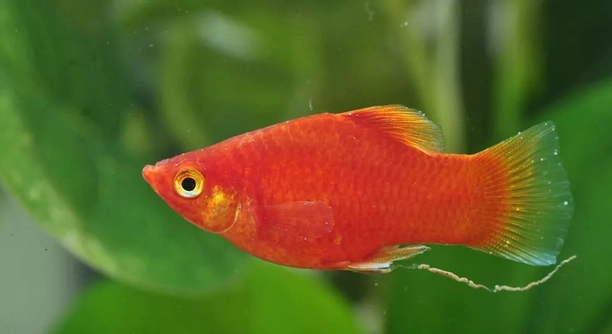
Do your platies often stay hidden behind decorations or hover near the surface, making you worry something might be wrong? Watching their behavior change can be upsetting when you’re not sure what’s causing it.
The most common sign that your platies are being bullied is a change in their normal behavior, such as hiding more often, showing torn fins, refusing food, or hovering near the surface or corners of the tank.
These changes may seem small, but they can point to a bigger problem in your tank’s social balance that’s worth understanding.
Signs Your Platies Might Be Bullied
Platies are usually peaceful fish, but sometimes tank dynamics shift, especially in smaller spaces or when new fish are introduced. If your platies are hiding more than usual, showing frayed fins, or losing color, these can be signs of stress from bullying. You may also notice them being chased frequently, especially by more dominant fish. Another clue is if one or two fish are always hovering near the surface or staying near the corners. These behaviors usually mean they’re trying to avoid interactions. When platies stop eating or start swimming awkwardly, it’s worth paying attention. These signs can build up slowly, so regular observation helps you catch things early. Pay close attention after adding new fish or rearranging decorations, as those moments can change the group’s behavior. Catching it early means you can adjust the setup before the stress affects their health long term.
These signs aren’t just random—they usually mean the fish feels unsafe and needs support to recover.
If you’re seeing these changes, it may be time to take a closer look at your tank setup and fish mix. A few adjustments can make a big difference for a stressed platy and bring peace back to the group.
What Causes Platies to Be Bullied
Sometimes platies get bullied because there are too many fish in the tank or because one fish becomes too dominant. It can also happen when males outnumber females.
Aggression in community tanks often comes down to a few basic issues. A common one is overcrowding. When fish don’t have enough space to swim or claim their own territory, tension rises quickly. You might also run into problems when there are too many males and not enough females. Male platies can chase each other, or even focus too much on one female, leading to stress. Another cause is mixing platies with more aggressive fish. Even if a species is labeled as “semi-peaceful,” individual personalities vary, and some may become pushy over food or space. Finally, tank layout matters more than people think. Without enough hiding spots or visual breaks, shy fish have nowhere to retreat. Keeping an eye on these details helps maintain balance. It’s not always about removing fish; sometimes rearranging plants, adding decor, or changing lighting can reduce the stress levels and stop the bullying behavior before it becomes a serious issue.
How to Help a Bullied Platy
Start by identifying which fish is being aggressive and which one is stressed. If possible, separate them using a breeder box or by placing the aggressive fish in a temporary tank for a few days to reset behavior.
Adding more hiding spots is one of the easiest ways to help a bullied platy feel safer. Live plants, caves, or decorations that break the line of sight can give the stressed fish a place to rest without being chased. You can also try rearranging the tank layout. This helps reset territories and may calm aggressive behavior. If the tank is overcrowded, consider reducing the number of fish. Make sure the male-to-female ratio is balanced—ideally one male to two or three females. Also, monitor feeding times closely. Spacing out food or feeding in multiple areas can reduce competition, which sometimes triggers aggression in platies.
If the bullying doesn’t stop after these changes, you may need to permanently rehome the aggressive fish. Some fish just don’t mix well with others. It’s not always your fault—sometimes even peaceful fish can act out. What matters is giving each fish a setup where they feel secure and calm. With enough space, cover, and careful tank mates, your platies should start to relax. Keep watching for signs of improvement or stress.
How to Prevent Future Issues
Keep the tank stocked at safe levels and avoid overloading it with too many fish. A crowded tank increases stress and lowers water quality, which can trigger aggressive behavior among platies and other tank mates.
Balance the male-to-female ratio, ideally with more females than males. This helps reduce chasing and territorial stress. Also, provide plenty of plants and decorations to break up space and offer hiding spots for less dominant fish.
Best Tank Setup for Peaceful Platies
A 20-gallon tank is a good starting size for a small group of platies. Keep water conditions stable—temperatures between 72–78°F and pH around 7.0–8.0 work best. Use soft lighting and avoid strong currents, as platies prefer gentle flow. Add plenty of live or silk plants and hiding spots like caves or driftwood. Spread out feeding areas if you have more than a few fish. Stick with peaceful tank mates like mollies, guppies, or corydoras. Avoid housing them with nippy or territorial fish. Consistency in routine matters—feed at the same times, and do regular water changes. Calm, clean environments help reduce stress and prevent bullying behaviors over time.
When to Separate Your Fish
If the same fish keeps bullying others even after changes, it’s time to separate them. Long-term stress can lead to illness or death, so waiting too long only makes things worse.
FAQ
Can platies get depressed from being bullied?
Yes, they can show signs of stress that look similar to depression. When a platy is bullied, it may stop eating, hide constantly, or become less active. These are common signs of emotional and physical stress in fish. Over time, this stress weakens the immune system, making them more likely to get sick. While fish don’t experience emotions exactly the way humans do, their behavior clearly shows when something is wrong. Giving them a peaceful tank with places to hide and calm tank mates can help them recover.
How long does it take for a bullied platy to recover?
Recovery time depends on how stressed the fish is and how quickly the bullying stops. Some platies bounce back within a few days once removed from the aggressive fish or given a safe space. Others might take a week or longer. Watch their behavior closely. If they start swimming normally, eating, and showing color again, it means they’re improving. Make sure to keep the water clean and avoid further changes during recovery. Consistency helps them feel safe. If signs of stress continue for more than two weeks, check for illness as well.
Should I remove the bully or the bullied fish?
If you can, try removing the aggressive fish first. This often breaks the cycle of bullying and allows the stressed fish to recover without needing to adapt to a new tank. If you have a separate tank or breeder box, use it for a few days to give both fish a break. If aggression continues even after the fish are reintroduced, then you may need to make a permanent change. In some cases, rehoming the aggressive fish is the best option to protect the others. Each case is different, so watch their behavior closely.
Do platies fight over food?
Yes, it happens. Platies are active feeders and may get pushy when food is involved. In a small tank or during feeding times, more dominant platies might chase others away from food, especially if feeding happens in one spot. To reduce this, try feeding in multiple areas or spreading the food across the surface. Also, feed small amounts more frequently so everyone gets a chance. If one fish keeps missing out on food, it will get weak and stressed over time. Fair feeding helps prevent bullying and supports healthier tank dynamics.
Can female platies be aggressive too?
Yes, although it’s less common than with males. Female platies can show territorial behavior, especially if the tank is overcrowded or lacking in hiding spaces. A stressed or pregnant female may also become defensive. If you notice a female chasing others regularly, it might be due to poor tank conditions, competition for space, or lack of privacy. In these cases, rearranging the tank or adding more plants can help. Also, check that the male-to-female ratio is balanced, as too many males can stress out the females and create tension.
How do I know if my tank is too small?
If your fish are constantly chasing each other, hiding, or showing torn fins, space could be the problem. A general rule for platies is about one gallon per inch of fish, but more space is always better. A 20-gallon tank works well for a small group. Tanks that are too small limit swimming space and increase territorial behavior. If you’re noticing constant tension, upgrading the tank or removing a few fish may be necessary. A peaceful tank starts with enough room for each fish to swim freely and feel safe.
Can stress from bullying lead to illness in platies?
Yes, long-term stress weakens the immune system, making fish more likely to get sick. Common issues include fin rot, ich, or bacterial infections. A bullied platy that’s not eating, hiding all day, or has faded colors is already at risk. If not addressed early, illness can spread to other fish too. That’s why watching behavior closely is so important. Once bullying is stopped and the fish feels safe again, the immune system can begin to recover. Clean water, low stress, and a balanced diet all help with healing and prevention.
Is it okay to return a fish to the store if it’s too aggressive?
Yes, many fish stores will take back fish that don’t work well in a community tank. It’s better to rehome a fish than to keep it in a setup where it’s hurting others. Before returning it, call the store and explain the issue. Some stores even offer credit or let you exchange for a more peaceful fish. Don’t feel bad—each tank is different, and sometimes a fish just doesn’t fit in. The health of your other fish is more important than keeping one that disrupts the group.
Final Thoughts
Taking care of platies means more than just feeding them and keeping the water clean. It also means paying attention to their behavior and how they interact with one another. When a platy starts acting differently—hiding, not eating, or swimming near the surface—it could be a sign that something isn’t right. Bullying in fish tanks is more common than many people realize, and it can cause serious stress for the fish being picked on. Noticing these early signs helps you act quickly and make changes before the problem gets worse. With careful observation and a bit of patience, you can usually find a solution that helps all your fish feel safe and relaxed.
Each tank is different, and sometimes small changes make the biggest difference. Adding more hiding spots, balancing the number of males and females, or even rearranging the decorations can help reduce tension among fish. If that’s not enough, you may need to separate the aggressive fish or try a new tank setup. There’s no single answer that works for every situation, and that’s okay. What matters most is being willing to adjust and pay attention to what your fish are showing you. Keeping a peaceful tank isn’t just about the size or the equipment—it’s about creating the right space for every fish to thrive.
When you create a calm and stable tank environment, your platies will show their natural colors and playful behavior. A peaceful tank is healthier, easier to care for, and more enjoyable to watch. Even if bullying happens, don’t feel discouraged. It doesn’t mean you’ve done something wrong. Sometimes fish just don’t get along, and it’s part of learning how to manage a community tank. What’s important is how you respond and what steps you take to improve things. Watching your platies grow, swim freely, and feel at home is a rewarding part of fishkeeping. By staying alert and making thoughtful choices, you can give them a safe, happy space to live in.

Hello,
If you enjoy the content that we create, please consider saying a "Thank You!" by leaving a tip.
Every little bit helps us continue crafting quality advice that supports the health, happiness, and well-being of pets around the world, for pets of all shapes, sizes, and species.
We really appreciate the kindness and support that you show us!