
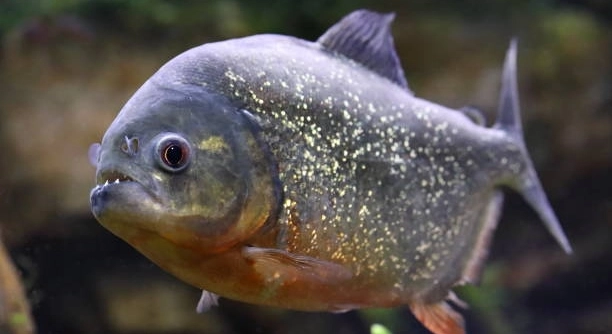
Many fish owners enjoy keeping piranhas for their unique behaviors and striking appearance. Sometimes, piranhas may face stress from other tank mates or their environment. Knowing how to spot signs of bullying helps keep your fish safe and comfortable.
Signs that your piranha is being bullied include consistent chasing, visible injuries, hiding often, loss of appetite, and increased stress behaviors. Monitoring these indicators carefully can help ensure your piranha’s well-being and reduce aggressive tank dynamics.
Recognizing early signs is important to maintain a peaceful aquarium. This guide will help you understand what to look for and how to protect your piranha from harm.
Common Signs of Bullying in Piranhas
Piranhas that are bullied often show clear signs that something is wrong. You might notice your fish being chased repeatedly by other tank mates. This constant harassment causes the bullied piranha to hide more often, seeking refuge behind plants or decorations. Another common sign is physical damage, such as torn fins or visible wounds. These injuries can quickly become infected if not addressed. Additionally, a bullied piranha may stop eating or eat less than usual. This loss of appetite weakens their immune system, making them more vulnerable to disease. Stress behaviors like erratic swimming or staying at the bottom of the tank also indicate trouble. It is important to observe your fish closely to catch these signs early before they worsen. Regularly checking on your piranha’s behavior can help you act quickly to improve its environment.
Bullying often results in noticeable injuries and behavioral changes that need attention to prevent long-term harm.
Watching how your piranha interacts with other fish helps you identify aggression early. Adjusting tank conditions, rearranging decorations, or separating aggressive fish can improve the situation and protect your piranha’s health.
How to Prevent Bullying in Your Aquarium
Creating a calm and balanced environment reduces chances of bullying among piranhas and other fish. Avoid overcrowding your tank because too many fish lead to stress and competition for space. Providing plenty of hiding spots using plants, rocks, or other decorations allows your piranha to retreat when needed. Keep water quality high by performing regular cleaning and monitoring parameters like temperature and pH. Proper feeding routines also minimize aggression since hungry fish tend to fight more. Choosing compatible tank mates is key; avoid keeping aggressive or very small fish with piranhas. If bullying continues despite these steps, consider separating the aggressive fish into a different tank to give your piranha peace. Preventing bullying requires ongoing observation and adjustments to keep your aquarium healthy and peaceful.
Creating a balanced environment and thoughtful tank management are essential for reducing bullying.
Taking these steps helps protect your piranha from stress and injury, ensuring it thrives in a safe and comfortable home.
Identifying Stress in Your Piranha
Stress can show in many ways with piranhas. Look for changes in swimming patterns, loss of appetite, and unusual hiding. These are clear signals your fish may be under pressure.
When piranhas are stressed, they may swim frantically or stay still at the tank’s bottom. They might refuse to eat or eat much less than usual. This behavior often results from bullying but can also come from poor water conditions or illness. Consistent hiding is a common coping mechanism, showing your fish feels unsafe in its environment. Stress weakens the immune system, making your piranha prone to infections. Watching these signs closely helps catch problems before they escalate.
Sometimes stress is subtle, like a slight color change or less activity. Being aware of these smaller details can help you intervene early and improve your piranha’s quality of life.
Managing Aggressive Tank Mates
Choosing the right companions for your piranha is crucial to reduce bullying. Avoid fish that are too small or overly aggressive.
Some species provoke piranhas or get attacked because they’re seen as easy targets. Small, slow-moving fish are often bullied and stressed. Aggressive fish compete for territory and can cause fights. Tank mates like large, sturdy fish that can hold their own tend to balance aggression better. Providing enough space and hiding places helps reduce conflicts by allowing fish to avoid each other. Regular monitoring lets you identify troublemakers early and take action, such as rearranging the tank or separating aggressive fish to keep peace. Managing your tank mates carefully creates a more stable environment for everyone.
Creating Safe Spaces in the Tank
Providing hiding spots is essential for bullied piranhas. Plants, rocks, and decorations help your fish feel secure and reduce stress.
Safe spaces allow your piranha to escape from aggressive tank mates. These retreats lower anxiety and prevent injuries caused by constant chasing.
Monitoring Behavior Regularly
Keep a close eye on your piranha’s daily habits. Early detection of bullying or stress helps prevent serious problems. Observe interactions between fish and note any changes in activity or appearance. This routine care is key to maintaining a healthy tank environment.
When to Separate Fish
If bullying becomes severe or injuries appear, separating the affected piranha is necessary. This action protects its health and gives it time to recover peacefully.
FAQ
How can I tell if my piranha is being bullied or just playing?
Piranhas can be aggressive naturally, but bullying is different from normal behavior. If your piranha is constantly chased, hiding frequently, or shows signs of injury, it is likely being bullied. Playful or social behavior usually involves brief chases or displays without harm or stress.
What injuries should I watch for as signs of bullying?
Look for torn or ragged fins, scratches, or red marks on the body. These wounds often appear after repeated attacks. Infected or swollen areas can also indicate bullying. Regularly checking your piranha’s body will help catch these problems early.
Can bullying cause illness in my piranha?
Yes, bullying stresses your piranha and weakens its immune system. Stress makes fish more vulnerable to diseases like fin rot or fungal infections. Injuries from bullying can also get infected. Preventing bullying helps keep your piranha healthier overall.
What tank size is best to reduce bullying?
A larger tank gives fish enough space to swim and avoid each other. Overcrowded tanks increase stress and aggression. For piranhas, at least 75 gallons is recommended for a small group, providing enough room and hiding places to reduce bullying.
Are there fish species that should never be kept with piranhas?
Avoid small, slow-moving, or brightly colored fish because piranhas may attack them. Also, highly aggressive fish can cause fights. Suitable tank mates are large, robust species that can stand their ground and won’t provoke your piranha unnecessarily.
How often should I check my tank for bullying signs?
Daily observation is best. Watch your fish during feeding and regular activity to notice any changes in behavior or appearance. Early detection helps you make quick changes to protect bullied fish.
What should I do if I notice bullying?
Start by rearranging tank decorations to break sightlines and create new hiding spots. Make sure the tank is not overcrowded and that water conditions are optimal. If bullying continues, consider separating the aggressive fish to keep peace.
Can changing the diet help reduce bullying?
Yes, feeding your piranhas well and on schedule can reduce competition and aggression. Hungry fish are more likely to fight. Offer a balanced diet suitable for piranhas and feed small amounts multiple times a day to keep them satisfied.
How can I help a bullied piranha recover?
If your piranha is injured or stressed, separate it in a quiet tank to heal. Provide clean water and a proper diet to support recovery. Once healed, slowly reintroduce it with peaceful tank mates and plenty of hiding spots to prevent repeated bullying.
Is it normal for piranhas to be aggressive toward each other?
Some aggression is natural, especially when establishing territory. However, constant harassment and physical harm are not normal and need to be addressed. A well-maintained environment can reduce unnecessary fights and help fish coexist more peacefully.
Keeping piranhas can be rewarding, but it comes with the responsibility of ensuring their well-being. Bullying in the tank is a serious issue that can affect your fish’s health and happiness. Recognizing the signs of bullying early is important so you can take steps to protect your piranha. Watching for changes in behavior, such as hiding, loss of appetite, or visible injuries, helps you understand when your fish is under stress. By paying attention to these details, you can create a safer and more comfortable environment for your piranha.
Taking measures to prevent bullying starts with setting up the tank properly. Providing enough space and adding plenty of hiding spots gives your fish places to escape if they feel threatened. It is also essential to carefully choose tank mates that are compatible with your piranhas and to avoid overcrowding. Keeping the water clean and maintaining good water quality further supports your fish’s health and reduces stress. If bullying occurs, rearranging decorations or separating aggressive fish can help restore balance in the tank. These small changes can make a big difference in how your piranha behaves and feels.
Remember that each piranha and tank setup is unique, so monitoring your fish regularly is key. You might need to adjust your approach based on how your piranhas interact and respond to their environment. Providing a calm, stable habitat helps reduce aggression and promotes peaceful living. If your piranha is injured or stressed, taking quick action to separate and care for it will help it recover. Overall, understanding and addressing bullying ensures your piranha lives a healthier and less stressful life, which benefits both your fish and your experience as an owner.

Hello,
If you enjoy the content that we create, please consider saying a "Thank You!" by leaving a tip.
Every little bit helps us continue crafting quality advice that supports the health, happiness, and well-being of pets around the world, for pets of all shapes, sizes, and species.
We really appreciate the kindness and support that you show us!