
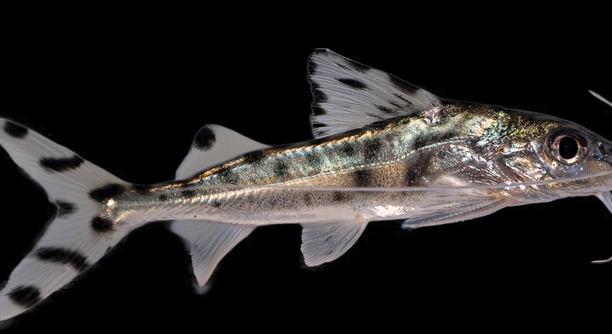
Is your Pictus catfish showing signs of stress or unusual behavior in its tank? Keeping your fish comfortable means monitoring water conditions carefully. Temperature plays a crucial role in their health and well-being in home aquariums.
Pictus catfish thrive best in water temperatures between 74°F and 79°F (23°C to 26°C). Temperatures above this range can cause stress, increased metabolism, and a weakened immune system, making the fish more vulnerable to disease and reducing its lifespan.
Knowing how to spot when your Pictus catfish is too warm helps maintain a healthy environment. This guide will explain the key signs and actions needed to keep your fish safe and comfortable.
Signs Your Pictus Catfish Is Too Warm
When the water temperature is too high, Pictus catfish can start showing signs of discomfort. They may become unusually lethargic or hide more often than usual. You might notice faster gill movement or increased breathing rates, which means the fish is struggling to get enough oxygen. Their color can fade, and they might lose their usual energy or appetite. In some cases, you may see erratic swimming patterns or a tendency to stay near the surface, searching for cooler water. These signs often point to overheating, which stresses the fish and affects its health. Checking your aquarium’s thermometer regularly and watching your catfish’s behavior closely are essential steps in preventing temperature-related problems.
Keeping the water between 74°F and 79°F helps avoid these symptoms.
Maintaining a stable temperature supports your catfish’s natural behavior and overall vitality. Sudden temperature spikes can disrupt their metabolism and immune system. Ensuring proper tank conditions, such as good filtration and aeration, helps the fish handle heat better. Regular water changes and avoiding direct sunlight on the tank can also keep temperatures steady. By recognizing these signs early, you can take action to protect your Pictus catfish before health issues arise.
How to Lower Tank Temperature Safely
Gradually reducing the water temperature prevents additional stress to your catfish. Avoid drastic or sudden changes.
Using a fan or placing a bowl of ice near the tank surface can help cool the water slowly. Aquarium chillers are effective for maintaining consistent, cooler temperatures in warmer climates. Improving water circulation by adding an extra filter or adjusting flow helps distribute heat evenly. Avoid exposing the tank to direct sunlight, which can raise the temperature quickly. Monitoring the temperature daily ensures your efforts are working and prevents overheating in the future. This careful approach keeps your Pictus catfish comfortable and safe.
Preventing Overheating in Your Pictus Catfish Tank
Maintaining stable water temperature requires regular monitoring and proper equipment. Avoid placing the tank near heat sources or direct sunlight, which can cause sudden temperature rises.
Using a reliable aquarium heater with a thermostat helps maintain consistent temperatures. For cooling, consider aquarium chillers or fans to reduce heat gradually. Ensure proper tank ventilation and water flow, which aid in regulating temperature naturally. Frequent water changes with cooler, conditioned water can also help lower heat levels without shocking the fish. These simple steps create a more stable environment, reducing stress on your Pictus catfish.
Choosing the right equipment makes a big difference. Some tanks benefit from insulated covers to protect against external heat. Monitoring devices like digital thermometers provide accurate readings and alerts for temperature fluctuations. Regular maintenance of filters and pumps ensures optimal water circulation, which prevents hotspots. Taking these precautions helps avoid overheating and keeps your fish healthy.
Long-Term Care Tips for Warm Climates
In warmer regions, extra care is needed to manage aquarium temperatures. Consistent cooling methods, such as chillers or fans, prevent heat build-up during hot months. Increasing aeration with air stones improves oxygen levels, which are crucial when temperatures rise. Avoid overcrowding the tank, as too many fish increase heat and stress. Monitoring water quality regularly ensures your catfish remains in good health despite the temperature challenges. Planning for seasonal changes helps keep the environment stable year-round. This preparation reduces risks related to heat stress and supports your fish’s long-term well-being.
Monitoring Your Tank Temperature Regularly
Checking the tank temperature daily helps catch changes early. Use a reliable thermometer placed away from heaters or filters for accurate readings.
Record the temperature at different times of the day. This helps identify any fluctuations and allows quick adjustments to keep conditions stable.
Signs of Heat Stress to Watch For
Heat stress in Pictus catfish includes rapid breathing, lethargy, and loss of appetite. These signs indicate the fish is uncomfortable and may need cooler water.
Ignoring these symptoms can lead to serious health problems. Early detection and action are key to preventing long-term damage and keeping your catfish healthy.
Adjusting Feeding During Warm Weather
In warmer water, fish metabolism increases, so feeding needs careful adjustment. Overfeeding can worsen water quality and stress fish further.
Offer smaller, more frequent meals to match their increased energy needs without polluting the tank. Monitor how much your catfish eats and adjust portions accordingly. This helps maintain a balanced environment during warmer periods.
FAQ
How do I know if my Pictus catfish is too warm?
Look for signs such as rapid breathing, faded colors, lethargy, or hiding more than usual. Your fish may swim near the surface or show erratic movements. These behaviors indicate the fish is stressed due to high water temperature.
What is the ideal temperature range for Pictus catfish?
Pictus catfish thrive best between 74°F and 79°F (23°C to 26°C). Keeping the tank within this range helps maintain their metabolism and immune health, reducing the risk of disease.
Can a slight temperature increase harm my catfish?
Even small temperature rises above 79°F can stress your catfish over time. Consistent monitoring and quick adjustment prevent long-term health issues. Avoid sudden temperature swings to keep your fish comfortable.
What equipment helps maintain a stable tank temperature?
A good quality aquarium heater with a thermostat is essential for warming the tank. For cooling, aquarium chillers or fans work well. A digital thermometer provides accurate, easy-to-read temperature data.
How often should I check the tank temperature?
Daily checks are ideal, especially in warmer weather or if the tank is near heat sources. Recording temperatures at different times helps catch fluctuations early, allowing timely corrections.
What should I do if my tank overheats suddenly?
Lower the temperature gradually. Use a fan or place a bowl of ice near the water surface, avoiding rapid drops that could shock the fish. Increase aeration and water flow to help distribute cooler water evenly.
Can water changes help control temperature?
Yes, partial water changes with cooler, conditioned water can reduce temperature slowly. Avoid cold tap water, as sudden temperature differences can stress or harm your catfish.
Are there natural ways to keep the tank cool?
Keeping the tank out of direct sunlight and away from heat sources helps. Using plants or tank covers can reduce heat absorption. Good water circulation also helps maintain even temperature throughout the tank.
Is it normal for my Pictus catfish to behave differently in warm water?
Yes, increased temperature raises metabolism, causing more activity or faster breathing. However, if behavior changes include lethargy or hiding, it could signal stress from excessive heat.
How does heat affect my catfish’s immune system?
High temperatures weaken the immune response, making the fish more vulnerable to infections and diseases. Keeping the tank cool and stable supports long-term health and resistance to illness.
What can I do to improve oxygen levels in warm water?
Add air stones or increase filter flow to improve aeration. Cooler water holds more oxygen, so lowering temperature naturally boosts oxygen availability as well.
Should I adjust feeding during hot weather?
Yes, fish metabolism speeds up in warm water, but overfeeding worsens water quality. Offer smaller, more frequent meals and remove uneaten food to avoid pollution.
Can overcrowding make temperature problems worse?
Yes, too many fish increase waste and heat production. This raises tank temperature and reduces oxygen. Maintain proper stocking levels to keep the environment balanced.
Are aquarium chillers necessary for all tanks?
Not always, but they are helpful in warm climates or for tanks without air conditioning. Chilllers provide precise temperature control and protect fish from overheating.
How long can Pictus catfish tolerate temperatures above 79°F?
Prolonged exposure to temperatures above 79°F can cause chronic stress and health decline. Short periods might be tolerated, but consistently warm water should be avoided.
Can temperature stress lead to disease outbreaks?
Yes, stress weakens the immune system, increasing susceptibility to infections like ich or fin rot. Stable temperatures reduce disease risks significantly.
What signs show recovery after cooling the tank?
Fish regain normal color, start eating well, swim actively, and breathe at a regular pace. These signs indicate the fish is no longer stressed by heat.
Is it okay to use ice cubes to cool the tank?
Directly dropping ice cubes in the tank is not recommended. Instead, place a bowl with ice near the water surface to cool water gradually without shocking the fish.
How does water circulation affect temperature?
Good circulation distributes heat evenly, preventing hot or cold spots. It also improves oxygen levels, supporting fish health during temperature changes.
Can I rely on a single thermometer?
Using more than one thermometer placed at different tank locations gives a more accurate picture of temperature distribution. This helps detect variations and adjust accordingly.
Keeping your Pictus catfish healthy requires attention to the water temperature in their tank. These fish do best in water that stays between 74°F and 79°F. When the temperature rises above this range, it can cause stress and health problems for your fish. Watching for signs like faster breathing, hiding, or changes in behavior can help you notice if your catfish is too warm. Maintaining a steady and appropriate temperature is one of the simplest ways to ensure your fish stays active and comfortable in its environment.
To keep the temperature stable, it is important to use the right equipment and follow good care habits. A reliable aquarium heater with a thermostat helps maintain warmth during cooler times, while chillers or fans can lower the temperature when needed. Monitoring the water temperature daily and avoiding direct sunlight or placing the tank near heat sources helps prevent sudden temperature changes. Good water circulation also plays a role in keeping the environment comfortable by distributing heat evenly and increasing oxygen levels. Taking these small steps can make a big difference in your Pictus catfish’s health.
It is also important to adjust your care routine when temperatures rise, especially in warm climates or during hot seasons. Feeding smaller portions more frequently and avoiding overfeeding helps keep the water clean and reduces stress on the fish. Regular water changes with cooler, conditioned water can slowly bring down high temperatures without causing shock. Avoid overcrowding the tank, as too many fish increase heat and waste buildup. By paying attention to these details, you create a safe and stable home for your Pictus catfish, helping it live a long and healthy life.

Hello,
If you enjoy the content that we create, please consider saying a "Thank You!" by leaving a tip.
Every little bit helps us continue crafting quality advice that supports the health, happiness, and well-being of pets around the world, for pets of all shapes, sizes, and species.
We really appreciate the kindness and support that you show us!