
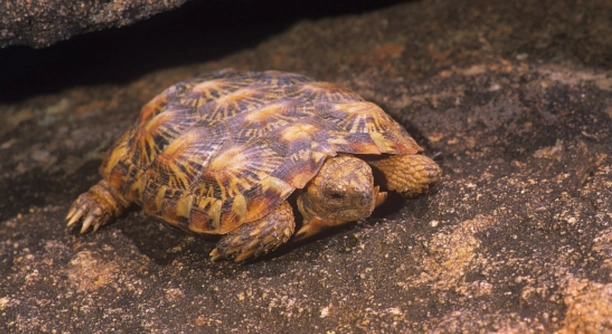
Pancake tortoises are unique and fascinating pets. They require a specific level of care to thrive. As their owner, it is important to understand their health needs, including recognizing signs of illness.
To determine if your pancake tortoise is sick, closely observe its behavior, eating habits, and physical appearance. Any unusual changes in these areas may indicate a health problem. Early detection is key to providing effective treatment.
Knowing what to look for can help you respond quickly to any health concerns. Keep reading to learn the signs that your pancake tortoise may be unwell and how you can help.
1. Changes in Eating Habits
One of the first signs that something may be wrong with your pancake tortoise is a change in eating habits. If they suddenly stop eating or eat significantly less than usual, this could indicate illness. A healthy tortoise is typically an active eater, enjoying a variety of leafy greens and vegetables. When they start refusing food or showing little interest in eating, it’s time to observe other behaviors closely.
It’s important to monitor how much and how often your tortoise eats. A sudden loss of appetite should not be ignored, as it could be linked to digestive issues, infections, or even stress.
Check for other signs of illness, such as lethargy or abnormal behavior, if your tortoise isn’t eating well. For example, if your pancake tortoise is consistently refusing food and also seems slower than usual or hiding more, there may be an underlying health issue. A veterinary check-up will help identify the problem and ensure your tortoise gets the proper treatment quickly.
2. Abnormal Breathing
If you notice your pancake tortoise breathing abnormally, it could be a sign of respiratory distress. Labored or noisy breathing, along with nasal discharge, should be taken seriously. Respiratory infections are fairly common in reptiles and can progress quickly without treatment.
You may also notice that your tortoise is more active than usual when breathing problems are present. They may gasp for air or open their mouth wide in an attempt to get enough oxygen. This behavior can signal a respiratory infection, which is often caused by poor humidity or temperature conditions in their enclosure. It’s essential to make sure the environment stays within the recommended range for their health.
Respiratory infections in tortoises can also lead to a loss of appetite, lethargy, and even eye discharge. If you see any of these symptoms together, it is critical to seek veterinary care. A proper diagnosis and treatment plan are necessary to treat the infection before it becomes severe.
3. Unexplained Weight Loss
Weight loss in a pancake tortoise can be a red flag that something is wrong. If your tortoise is losing weight but not gaining it back, even with increased food intake, there may be a deeper health concern. Weight loss could be linked to digestive issues, parasites, or an underlying illness.
It’s important to monitor your tortoise’s weight regularly to catch this early. If you notice a noticeable decrease in their size or shell mass, it’s best to consult a vet. Dehydration can also cause a similar effect, so be sure your tortoise is staying hydrated.
Weight loss can be a slow process, and some illnesses take time to show visible symptoms. Keeping a close eye on your tortoise’s food and water consumption can help you track changes and catch weight loss early.
4. Swelling or Bloating
Swelling or bloating around the body or limbs can indicate an infection, injury, or other internal problems. Any noticeable puffiness or expansion of the tortoise’s body should be checked immediately. This could be a sign of fluid retention or an abdominal issue that requires treatment.
Bloating can result from several conditions, such as respiratory infections, kidney problems, or even constipation. If the swelling doesn’t go down within a few days, or if it worsens, a vet should be consulted right away. In some cases, it could be a sign of something more serious, like internal organ issues.
Swelling can also affect movement. If your tortoise is having trouble moving or seems unusually stiff, it could be related to an injury or infection causing internal swelling. If this is the case, getting a diagnosis early on can prevent further complications, helping to manage your tortoise’s health more effectively.
5. Abnormal Shell Appearance
A healthy pancake tortoise has a smooth, firm shell that is free of cracks or soft spots. Any changes in the appearance of the shell can be concerning. Softening or unusual discoloration could indicate a problem with calcium levels or an underlying health issue.
The shell is essential for your tortoise’s protection and overall well-being. If you notice any soft spots or uneven texture, it may suggest a nutritional deficiency, particularly in calcium or vitamin D. Make sure your tortoise is getting a balanced diet with proper supplements to prevent shell-related problems.
The shell may also start to show signs of scarring or abnormal growth patterns, which could signal bacterial infections or metabolic bone disease. In severe cases, the tortoise’s shell can begin to deform or break down. Regularly inspecting the shell and addressing any changes early on can help keep your tortoise healthy and comfortable.
6. Lethargy or Unusual Behavior
If your pancake tortoise is suddenly more sluggish than usual, it could be a sign of illness. Healthy tortoises are usually active and curious. A lack of movement, hiding more often, or staying in one place for extended periods could point to a health problem.
Lethargy can be a symptom of a wide range of issues, including infections, parasites, or temperature stress. If you notice your tortoise isn’t as active or appears weak, you should examine its environment and behavior. Ensure it is properly hydrated, eating well, and kept in the correct temperature range for optimal health.
Addressing lethargy early on can prevent the condition from worsening. If the tortoise continues to show signs of weakness, a vet’s evaluation is essential to determine the cause and provide necessary treatment.
7. Eye Discharge or Swelling
Eye discharge or swelling around the eyes can indicate a respiratory infection or other eye-related problems. If you notice any discharge, excessive watering, or puffiness, it’s important to take action quickly. Tortoises depend on clear vision, and any obstruction can affect their health.
The most common cause of eye issues in tortoises is poor habitat conditions, such as high humidity or improper temperatures. When the environment isn’t right, it can lead to eye infections or other respiratory problems. A vet can prescribe the right treatment and help you adjust the conditions to prevent future occurrences.
Keeping a clean environment for your tortoise and monitoring its eye health regularly can go a long way in preventing these issues. If you notice any change in the eyes, it’s better to consult with a professional than to wait and see.
FAQ
How can I prevent my pancake tortoise from getting sick?
Maintaining a healthy environment is key to preventing illness. Make sure your pancake tortoise’s enclosure is appropriately sized and keeps the right temperature and humidity levels. A basking area with a heat lamp and access to fresh water is essential. Provide a balanced diet rich in leafy greens and ensure they receive the right vitamins and minerals, such as calcium. Regular cleaning of the habitat helps avoid the buildup of harmful bacteria. Always monitor your tortoise’s behavior for signs of illness and consult a vet promptly if you notice anything unusual.
How can I tell if my pancake tortoise is dehydrated?
Dehydration in a pancake tortoise can be hard to spot, but there are some telltale signs. A dehydrated tortoise might have dry skin or eyes and could be less active than usual. Their shell might appear dull or sunken. Offering fresh water daily and misting the enclosure can help prevent dehydration. If your tortoise refuses to drink or shows symptoms of dehydration, consult a vet to get proper treatment.
What are the common health problems in pancake tortoises?
Some common health issues include respiratory infections, metabolic bone disease, eye infections, and digestive problems like constipation. Respiratory infections often occur due to improper temperature and humidity levels in the enclosure. Metabolic bone disease is typically caused by a lack of calcium and vitamin D. Regular veterinary check-ups and providing the right diet and environment can prevent many of these problems.
What should I do if my pancake tortoise stops eating?
If your tortoise refuses food, check its habitat conditions first. Poor temperature, humidity, or stress could affect their appetite. Make sure the food is fresh and appealing, and avoid offering food that might cause digestive problems. If there is no improvement, observe for other symptoms such as lethargy or swelling. A vet visit is recommended if your tortoise continues to refuse food for more than a few days.
Can I treat my pancake tortoise’s illness at home?
Some minor issues, like slight dehydration, can be managed at home by adjusting the enclosure’s conditions. However, most illnesses in pancake tortoises require professional veterinary care. Self-diagnosing and treating can lead to further complications. It’s always best to have a vet examine your tortoise if you notice signs of illness, especially if it’s related to the respiratory system or internal issues.
What is the ideal diet for a pancake tortoise?
A balanced diet for a pancake tortoise includes leafy greens such as dandelion greens, collard greens, and kale, along with small amounts of fruits and vegetables. You can also offer occasional high-fiber plants like cactus pads or edible flowers. Make sure to dust food with calcium powder a few times a week. Always avoid feeding them high-fat foods, like iceberg lettuce, and ensure they are getting enough water.
Is it safe to keep my pancake tortoise with other pets?
Pancake tortoises are solitary creatures and can sometimes become stressed when housed with other pets. If you keep them with other tortoises or reptiles, make sure there is enough space and that they get along well. It’s important to monitor interactions closely. Larger, more aggressive animals could harm your tortoise. When in doubt, keep your pancake tortoise in its own enclosure for peace of mind.
How often should I take my pancake tortoise to the vet?
Ideally, your pancake tortoise should have a check-up once a year to ensure it’s healthy. However, if you notice any changes in behavior, eating habits, or physical appearance, it’s wise to schedule an appointment sooner. A veterinarian familiar with reptiles can help with preventative care, like parasite checks, and provide guidance on proper diet and habitat conditions. Early intervention is always best for maintaining your tortoise’s long-term health.
Why is my pancake tortoise’s shell soft?
A soft shell in a pancake tortoise is typically caused by a lack of calcium or vitamin D, both of which are essential for proper shell development. If your tortoise’s shell is soft, you may need to adjust its diet to include more calcium-rich foods or add supplements. Make sure the tortoise has access to UVB light to help its body process calcium. A soft shell could also be a sign of metabolic bone disease, which requires veterinary care.
Can I bathe my pancake tortoise?
Yes, it’s safe to bathe your pancake tortoise occasionally. A gentle soak in shallow lukewarm water can help with hydration and promote good health. Make sure the water level is low enough to prevent drowning. Never leave your tortoise unattended in water. Bathe it for 10–15 minutes and gently dry it afterward. Regular bathing can also help with shedding.
How long do pancake tortoises live?
Pancake tortoises can live up to 30 years or more in the right conditions. Proper care, a balanced diet, and regular veterinary check-ups are essential to help your tortoise live a long and healthy life. Ensure their habitat is stable and free of stress factors, and provide them with a consistent, safe environment.
How can I tell if my pancake tortoise is stressed?
Signs of stress in a pancake tortoise include hiding more often, lack of appetite, aggression, or sudden changes in behavior. Stress can be caused by environmental changes, improper enclosure conditions, or handling. Ensure the enclosure temperature, humidity, and lighting are correct. Give your tortoise time to adjust and avoid handling it excessively. If the stress continues, consult with a vet to rule out other causes.
Final Thoughts
Caring for a pancake tortoise requires close attention to its health and well-being. As a unique and delicate species, they rely on their environment and diet to stay healthy. By making sure their habitat is at the right temperature and humidity, you can prevent many common health problems. Offering a balanced diet with the right nutrients, like calcium and vitamin D, will also keep them strong and healthy. Regular monitoring of their behavior, eating habits, and physical appearance is crucial for detecting any early signs of illness. Small changes, like lethargy or a slight change in appetite, may indicate something more serious that needs immediate attention.
It’s important to remember that, while some issues can be managed at home, seeking professional help from a veterinarian is always the safest option when your pancake tortoise is unwell. Trying to treat more serious conditions without expert guidance could cause more harm. Regular vet check-ups are vital for spotting underlying issues before they become severe. In addition, a vet can give you tailored advice for your specific tortoise based on its needs, which helps ensure its long-term health. If you notice persistent symptoms like eye discharge, swelling, or abnormal behavior, don’t hesitate to schedule an appointment. Early intervention makes a huge difference in how effectively an illness can be treated.
By understanding what to look for, you can provide your pancake tortoise with the care it needs to thrive. A combination of a proper diet, suitable habitat, and regular health checks will go a long way in keeping your tortoise happy and healthy. With the right approach, you can enjoy the company of your pancake tortoise for many years to come. Keeping them healthy involves not just reacting to symptoms but also preventing potential problems. As you continue caring for your tortoise, be observant, patient, and proactive. This will help you build a long-lasting bond with your pet while ensuring their overall well-being.

Hello,
If you enjoy the content that we create, please consider saying a "Thank You!" by leaving a tip.
Every little bit helps us continue crafting quality advice that supports the health, happiness, and well-being of pets around the world, for pets of all shapes, sizes, and species.
We really appreciate the kindness and support that you show us!