
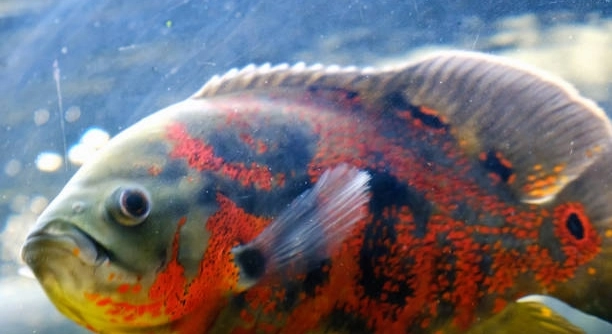
Oscar fish are known for their vibrant personalities, but when stressed, their behavior can change. Recognizing stress early can help improve their well-being and prevent long-term health problems. Monitoring their condition is essential for their happiness.
Stress in Oscar fish can be identified through various signs, including changes in swimming patterns, decreased appetite, and unusual hiding behavior. These fish may also exhibit rapid gill movement, darker coloration, and aggression towards tank mates. Addressing stress promptly can improve their health.
Understanding these signs will help you care for your Oscar fish and ensure they live a healthy, stress-free life in your tank.
Changes in Swimming Patterns
When Oscar fish are stressed, one of the first signs you might notice is a change in their swimming behavior. These fish are typically active and curious, but when they feel uncomfortable, they may become lethargic or swim erratically. They might hover near the surface or bottom of the tank, not moving around as freely. Some Oscars may even swim in circles, which could be a sign of distress or frustration. This behavior is often triggered by environmental factors, such as water quality issues or overcrowding.
If you observe your Oscar fish swimming abnormally, it’s important to assess their tank conditions. Stress can often be caused by poor water quality, so checking the pH levels, ammonia, and nitrate levels should be your first step. Ensuring your fish has enough space is also crucial—if the tank is overcrowded, it can lead to aggression or territorial stress.
Understanding these changes will help you pinpoint potential problems and offer the right solutions. Keeping an eye on their behavior will allow you to address any stress early on, preventing long-term harm to their health.
Aggression Towards Tank Mates
Oscar fish can become aggressive when stressed. They may start chasing, biting, or bullying other fish in the tank. If you notice your Oscar becoming territorial or showing hostility towards tank mates, it’s a clear indication that they are under stress.
This aggression can be linked to various factors, including overcrowding, a change in the tank setup, or insufficient hiding spots for the fish. In some cases, even changes in the water’s temperature can lead to aggression. To reduce aggression, provide your Oscar with plenty of space and hiding spots to feel secure. Additionally, be mindful of tank mates that might not be compatible with an Oscar’s temperament.
These behavioral changes can sometimes result in injuries for both the stressed Oscar and other fish in the tank. By monitoring the aggression closely and taking the necessary steps to reduce stress, you can prevent further damage and maintain harmony in the tank.
Decreased Appetite
When an Oscar fish is stressed, its appetite tends to decrease. A healthy Oscar will eagerly eat, but stress can cause them to lose interest in food. If you notice your fish turning away from its meals, this could be a sign that something is wrong.
Stress can come from changes in the tank, water conditions, or even diet. Oscars are sensitive to shifts in their environment, and when they feel uncomfortable, they may stop eating. If the water parameters aren’t optimal, they may also refuse food. Offering a variety of foods might help, but the root cause of stress should still be addressed.
If the decreased appetite lasts for an extended period, it can lead to malnutrition and weakened immunity. The longer an Oscar goes without eating, the more difficult it will be to regain strength. Ensure that the tank conditions are stable and check for any other signs of stress.
Unusual Hiding Behavior
Stressed Oscar fish often retreat to corners or hide in decorations more than usual. This behavior is a direct response to feeling unsafe or overwhelmed in their environment. If your Oscar seems to prefer hiding, it’s a good idea to check if the tank has been altered or if there are sudden changes.
Hiding can also happen if the tank is too noisy, if there are sudden changes in light, or if there’s too much movement around the tank. It’s important to create a calm, stable environment for your Oscar. Providing more hiding spaces, such as caves or plants, can help reduce stress.
Remember that hiding is a natural behavior, but excessive hiding is a sign of stress. It’s essential to observe other signs and make necessary adjustments to the tank. This can be as simple as ensuring the water quality is good and avoiding any sudden environmental changes.
Rapid Gill Movement
Oscar fish may show rapid gill movement when stressed. This behavior often happens when the fish is struggling with poor water quality or low oxygen levels. If you see this sign, it’s important to check the tank’s oxygenation and ensure the water is clean.
Rapid gill movement is also a response to ammonia or nitrate build-up, which makes it harder for the fish to breathe. When the water parameters are not ideal, Oscars will try to compensate by increasing their gill movement. Monitoring the water quality regularly can help prevent this issue.
Ensure your filter is working efficiently and that the water is regularly changed. Low oxygen can also be addressed by adding aeration, like air stones, to the tank.
Darker Coloration
Stress often causes Oscar fish to darken in color. This is a natural response to anxiety or discomfort in their environment. When an Oscar feels stressed, its vibrant hues may fade, making it appear darker than usual.
Darker coloration can be a sign of several issues, such as aggression from other tank mates or water quality problems. When Oscars experience stress, their body releases hormones that affect their pigmentation. It’s essential to address the cause of the stress, whether it’s temperature fluctuations or poor water conditions.
Regular water changes and maintaining proper filtration can help reduce this issue. A stable tank environment will ensure your Oscar fish stays colorful and healthy.
Physical Changes
When stressed, Oscar fish can also show physical changes. These might include clamped fins, signs of injury, or unusual markings on their skin. If you spot any of these, it could indicate that your fish is under more stress than usual.
Physical changes often arise from either environmental stressors, such as water quality, or from aggression in the tank. Poor water quality can irritate their skin, leading to sores or lesions. Keeping an eye on the tank’s water parameters is key to preventing these issues.
Providing a calm environment with proper filtration and regular maintenance will help your Oscar fish stay healthy.
FAQ
What are common causes of stress for Oscar fish?
Oscar fish experience stress from several factors, including poor water quality, overcrowding, aggressive tank mates, and sudden changes in their environment. High ammonia, nitrates, or low oxygen levels can cause discomfort and trigger stress responses. Changes in lighting, temperature fluctuations, and a lack of hiding spots can also contribute to their stress. Ensuring a stable environment with regular water changes and proper filtration will help minimize stress.
How can I reduce stress for my Oscar fish?
To reduce stress in your Oscar, focus on creating a calm and stable environment. Ensure the tank has proper filtration and is cleaned regularly. The water temperature should remain consistent, and you should monitor pH and nitrate levels. Adding hiding spots like rocks or caves can help your fish feel secure. Avoid overcrowding and choose tank mates that won’t cause aggression. Also, limit external disturbances such as loud noises around the tank.
Is it normal for my Oscar to hide?
While it’s normal for Oscars to occasionally hide, excessive hiding is a sign of stress. Stress can result from poor water conditions, aggressive tank mates, or a lack of hiding spots. If your Oscar is hiding more than usual, check the water quality and make sure the environment is calm. If they are constantly hiding, it’s a sign you may need to adjust tank conditions or relocate any aggressive tank mates.
How often should I change the water in an Oscar fish tank?
For Oscar fish, water changes should be done regularly to keep the water clean and healthy. It’s recommended to change 25-30% of the water every week. If the tank is heavily stocked or filtration is insufficient, you may need to change the water more frequently. Regular water changes help maintain water quality and reduce stress on your fish.
Why does my Oscar fish stop eating?
A lack of appetite in an Oscar fish can be caused by stress, poor water quality, illness, or injury. If your fish is stressed, it might stop eating, and you should address the cause of the stress. Check water parameters, remove aggressive tank mates, and provide a comfortable environment. If the problem persists for more than a few days, it might be time to consult a veterinarian to rule out illness.
How can I tell if my Oscar is sick?
Sick Oscars may show signs such as lethargy, abnormal swimming, rapid gill movement, clamped fins, discoloration, or lesions on their skin. If your fish is not eating or is behaving strangely, it could indicate an underlying health issue. Check water conditions first, as poor water quality can lead to illness. If symptoms continue, a vet specializing in fish can help diagnose and treat the problem.
How do I know if my Oscar is stressed?
Stress in Oscar fish can be identified through several signs, including decreased appetite, erratic swimming, darkened coloration, aggression, or hiding. Stress can be caused by factors such as poor water quality, tank overcrowding, or aggressive tank mates. Regularly check the water conditions and adjust the tank setup to ensure your fish is comfortable.
Can an Oscar fish live with other types of fish?
While Oscar fish are known for their aggressive tendencies, they can live with other fish if they have enough space and compatible tank mates. Avoid keeping Oscars with small or timid fish, as they may become prey. Larger, more robust fish that can hold their ground, such as other cichlids, can be suitable tank mates. It’s important to monitor interactions to prevent aggression.
What size tank does an Oscar fish need?
Oscar fish require a large tank due to their size and active nature. A tank size of at least 75 gallons is recommended for one Oscar fish. As they grow, they will need even more space. A larger tank will also help maintain water quality and reduce stress. When considering tank mates, remember that more space will help reduce territorial behavior.
How can I prevent my Oscar from becoming aggressive?
Aggression in Oscars can be managed by providing enough space, hiding spots, and selecting compatible tank mates. Avoid overcrowding, as this can increase stress and lead to more aggression. If your Oscar is showing aggression, assess its environment. If needed, separate aggressive fish or rearrange tank decorations to reduce territorial disputes.
Is it safe to keep Oscar fish with other cichlids?
Oscar fish can be kept with other cichlids, but it depends on the species. Some cichlids are more aggressive and may not get along with Oscars, while others may coexist peacefully. It’s best to choose cichlid species that are similar in size and temperament to reduce conflicts. Regularly monitor their interactions to ensure they are not fighting or stressing each other out.
Why is my Oscar fish’s color fading?
Oscar fish may lose their vibrant coloration due to stress, poor water quality, or illness. When they are stressed, they can darken or fade in color. Stress from environmental factors such as sudden temperature changes, poor water quality, or aggression from tank mates can all contribute to color loss. Addressing the root cause of the stress usually helps restore their natural color.
Can Oscar fish get along with shrimp or snails?
Oscar fish are known to be aggressive and can sometimes harm smaller animals like shrimp or snails. While they may not always actively hunt these creatures, they can view them as food or annoy them with their territorial behavior. It’s generally best to avoid keeping Oscar fish with small invertebrates unless the tank is very large and the Oscar is well-fed.
Final Thoughts
Understanding how to recognize stress in your Oscar fish is crucial for their well-being. By watching for signs like rapid gill movement, changes in color, or unusual behavior, you can address issues before they become serious. Stress in Oscar fish is often caused by factors such as poor water quality, overcrowding, or incompatible tank mates. When you notice these signs, it’s important to act quickly by checking and adjusting water conditions, as well as ensuring the tank environment is calm and stable. A well-maintained tank will reduce stress and promote a healthier, happier Oscar.
Creating an environment that promotes comfort and security is key. Providing hiding spots, ensuring proper filtration, and maintaining a stable water temperature can all contribute to reducing stress. Regular water changes and monitoring water quality are essential to keep your Oscar fish healthy. By observing your fish’s behavior closely, you can quickly spot any potential issues. Remember, an Oscar’s natural behavior is often a reflection of its environment, so making adjustments when necessary can lead to better outcomes. If problems persist, consulting with an aquatic vet can help ensure that your fish receives proper care.
Lastly, while Oscar fish are hardy and can handle a variety of tank conditions, they thrive best in environments that mimic their natural habitat. Keeping the water clean, avoiding overcrowding, and choosing compatible tank mates are essential steps to help prevent stress. A balanced, well-maintained aquarium can go a long way in keeping your fish healthy and content. By staying vigilant and proactive, you’ll ensure that your Oscar has a long, stress-free life in your care.

Hello,
If you enjoy the content that we create, please consider saying a "Thank You!" by leaving a tip.
Every little bit helps us continue crafting quality advice that supports the health, happiness, and well-being of pets around the world, for pets of all shapes, sizes, and species.
We really appreciate the kindness and support that you show us!