
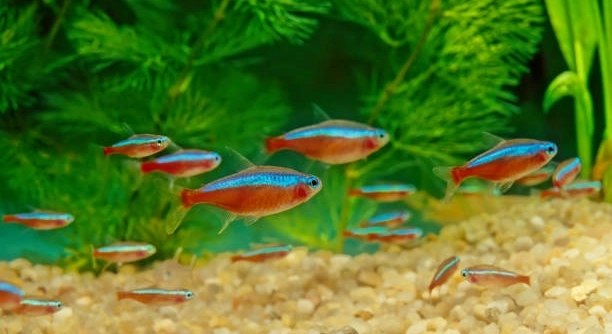
Neon Tetras are popular for their peaceful nature, but sometimes they may face bullying in a tank. Recognizing the signs of stress can help ensure they thrive in their environment. Monitoring their behavior is key to a happy, healthy tank.
Neon Tetras may show signs of bullying through stress behaviors like hiding, fin damage, or erratic swimming. These behaviors indicate that one or more tankmates might be intimidating them, causing harm to their health and well-being.
Understanding the signs of bullying is essential for maintaining a peaceful tank environment. Keep an eye on your Tetras for any changes in behavior or physical condition.
Signs of Bullying: What to Look For
Neon Tetras can experience stress when they are bullied, affecting their overall well-being. Some of the most noticeable signs include hiding in corners or behind plants, avoiding other fish, or swimming erratically. If your Neon Tetra seems constantly on edge or refuses to interact with tank mates, bullying may be the cause. Another common sign is fin damage, which can result from aggressive behaviors like nipping or chasing. Watch closely for any unusual physical or behavioral changes that could point to bullying in the tank. These symptoms are key indicators that your Tetras may need attention.
If you notice your Neon Tetra displaying these behaviors, it’s time to assess the tank environment. Take note of how the other fish are interacting and make adjustments accordingly.
Improper tank conditions, like overcrowding or insufficient hiding spots, often lead to aggression. Fish that are stressed from a lack of space or shelter may turn on their tankmates. Introducing more plants or decorations can help provide secure hiding places for your Neon Tetra, reducing the chance of bullying. In some cases, the aggressive fish may need to be removed from the tank to restore peace. Each change you make can improve the environment for your Neon Tetra and promote healthier behavior.
How Tankmates Affect Behavior
The species of fish in your tank plays a huge role in the behavior of your Neon Tetra. Some fish naturally have a more aggressive nature and may intimidate smaller or more peaceful fish. Fish like Bettas, Cichlids, or certain barbs are known to be more territorial and may cause stress to other fish. It’s essential to carefully choose tankmates that are compatible with your Neon Tetra’s peaceful temperament.
Aggressive tankmates will often engage in chasing, fin nipping, or other stress-inducing behaviors. These actions can cause long-term harm to your Neon Tetra, both physically and emotionally. Keeping the tank balanced with peaceful fish can help maintain a harmonious environment for all. Regularly observing the behavior of each fish is the best way to spot any issues early.
How Stress Affects Neon Tetras
Stress can have a significant impact on your Neon Tetra’s health. Prolonged stress from bullying can weaken their immune system, making them more susceptible to diseases. Tetras may also stop eating, lose their vibrant color, or become more lethargic. These changes in behavior are clear signals that something is wrong and should not be ignored.
To reduce stress, it’s essential to create a peaceful tank environment. Avoid overcrowding and ensure your fish have plenty of space. Regularly check water parameters such as temperature, pH, and ammonia levels. Providing hiding spots and plants can also help your Neon Tetra feel safe and secure. Stress relief starts with a comfortable, well-maintained tank.
Monitoring your fish’s eating habits is another way to gauge stress. A stressed-out Neon Tetra may stop eating altogether or eat less than usual. They may also become more reclusive, hiding at the bottom of the tank or behind decorations. This behavior can lead to malnutrition and weakened health, making it crucial to address any bullying issues promptly.
Steps to Take if Bullying Occurs
If you spot signs of bullying, the first step is to separate the aggressor from the rest of the tank. You can either use a breeding box to isolate the aggressive fish or move them to another tank. This gives your Neon Tetra time to recover from stress and prevents further harm.
After isolating the aggressive fish, focus on improving the environment. Adding more plants, rocks, and decorations can help break line-of-sight and create hiding spots for your Neon Tetra. This allows them to escape bullying behavior and feel more secure. Additionally, check the water quality regularly to ensure a stable and healthy tank for all inhabitants.
Tank Size and Its Impact on Behavior
Tank size directly affects your Neon Tetra’s behavior. A small tank can increase stress levels, leading to aggression among fish. Adequate space allows for territorial boundaries and minimizes competition for resources, reducing the likelihood of bullying. Ensure your tank is large enough to accommodate all its inhabitants.
If your tank is too small, consider upgrading to a larger one. This gives your Neon Tetras room to swim freely, minimizing conflicts. Proper space can promote better health and harmony among your fish, encouraging natural behaviors and reducing stress. A well-sized tank is key to peaceful coexistence.
Identifying Aggressive Fish Species
Some fish species are naturally more aggressive and may not be compatible with Neon Tetras. Barbs, Cichlids, and larger fish can intimidate smaller fish, leading to bullying. It’s crucial to research each species’ temperament before introducing them into a tank. Mixing the wrong species can result in conflict.
Importance of Regular Monitoring
Regularly observing your fish helps identify issues before they escalate. Keeping an eye on their behavior, especially during feeding or when new fish are introduced, can provide valuable insights. Early intervention can prevent long-term stress or harm to your Neon Tetras.
FAQ
What should I do if I see my Neon Tetra being bullied?
If you notice your Neon Tetra being bullied, separate the aggressive fish immediately. This can be done by placing the aggressor in a separate tank or using a breeding box to isolate them. Allow your Neon Tetra time to recover. Afterward, assess the tank environment and make adjustments, such as adding plants or decorations to provide hiding spots. Ensure that the water conditions are ideal and that the tank is not overcrowded, as these factors can also contribute to bullying behavior.
How can I tell if my Neon Tetra is stressed?
Stressed Neon Tetras often display signs such as loss of appetite, erratic swimming, or hiding in corners of the tank. Their vibrant colors may fade, and they might become less active overall. Additionally, you may notice physical signs of damage, like fin nipping or bruising, caused by bullying. It’s important to monitor these signs closely and address them promptly, as prolonged stress can weaken their immune system and lead to other health problems.
Can Neon Tetras live with other fish?
Neon Tetras are peaceful fish that generally do well in community tanks with other non-aggressive species. However, they should not be housed with larger or more territorial fish, such as Bettas or Cichlids, as these species may bully them. Fish like guppies, Corydoras, and small rasboras are typically safe tankmates for Neon Tetras. Always ensure the tank is large enough to accommodate all the fish comfortably, and provide plenty of hiding spots for safety.
How can I prevent bullying in my tank?
Prevent bullying by ensuring your tank is properly set up to reduce stress. Provide enough space for all the fish, as overcrowding can lead to competition and aggression. Include plenty of plants, rocks, and other decorations to create hiding spots and break up sightlines. Also, choose compatible tankmates with similar temperaments. Regular monitoring of the fish behavior is essential to address issues early before they escalate.
Can tank conditions contribute to bullying behavior?
Yes, poor tank conditions can contribute to aggression. Fish that are stressed due to high ammonia levels, improper temperature, or lack of space may become more aggressive. It’s essential to maintain clean, stable water conditions and ensure the tank is not overcrowded. Regular water changes and checking the water parameters can help keep your fish healthy and reduce the risk of bullying.
How often should I check my tank for signs of bullying?
It’s important to check your tank daily for any signs of bullying. Monitor your fish during feeding time, as this is often when aggression becomes apparent. Look for signs like nipped fins, hiding behavior, or fish that are avoiding others. Early detection can prevent long-term harm to your Neon Tetras.
What are the best tankmates for Neon Tetras?
The best tankmates for Neon Tetras are peaceful species that won’t stress or harm them. Small, non-aggressive fish such as Corydoras, guppies, and rasboras are ideal. Avoid housing them with larger, territorial fish like Bettas, Cichlids, or some barbs. Additionally, fish that prefer similar water conditions and temperatures will thrive with your Neon Tetras.
How can I improve my tank’s layout to reduce aggression?
To reduce aggression, focus on creating hiding spots and territories within the tank. Use plants, rocks, and decorations to break up the line of sight between fish. This will provide each fish with a space to retreat to when they feel threatened. Additionally, ensure your tank is large enough for the number of fish you have. A crowded tank can increase stress and encourage bullying behaviors.
What is the ideal tank size for Neon Tetras?
The ideal tank size for Neon Tetras is at least 10 gallons for a small group. However, the larger the tank, the better, as it provides more space for fish to establish territories and reduces stress. A larger tank also makes it easier to maintain water quality and ensures that all fish have room to swim and thrive.
What should I do if my Neon Tetra’s fins are damaged?
If your Neon Tetra’s fins are damaged due to bullying or aggression, separate the affected fish to prevent further harm. Check the water parameters and ensure the tank is not overcrowded. The injured fish may need to be quarantined in a separate tank to heal. Monitor the damage closely, and if necessary, treat with aquarium salt or medications to prevent infection.
Is it normal for Neon Tetras to fight with each other?
It’s not typical for Neon Tetras to fight with each other, as they are peaceful fish. However, stress, overcrowding, or the presence of aggressive tankmates can lead to occasional territorial behavior or minor skirmishes. If you notice consistent fighting among your Neon Tetras, it may indicate an issue with tank conditions or incompatible tankmates. Adjustments to the environment or removing the aggressive fish can help resolve the issue.
How can I encourage my Neon Tetra to eat if they are stressed?
If your Neon Tetra is stressed and refusing to eat, try offering different types of food, such as flakes, pellets, or live food, to entice them. Also, ensure the water temperature and conditions are ideal. Stress may cause your fish to lose interest in food, but a comfortable and stable tank will encourage them to resume eating.
What types of plants can I add to my tank to reduce bullying?
Plants are an excellent addition to your tank for reducing bullying, as they provide hiding spots and break up sightlines. Live plants like Java fern, Anubias, and Vallisneria are great options for creating a natural environment. Plants also help maintain water quality by absorbing excess nutrients, further reducing stress in the tank.
How do I know if my fish are bullying?
Signs of bullying include chasing, fin nipping, and constant harassment of another fish. If one fish is repeatedly attacking or preventing another from eating or swimming freely, it’s likely bullying behavior. Also, pay attention to any visible damage to the fins or body of the bullied fish, as this can indicate aggression.
What is the best way to separate aggressive fish?
To separate aggressive fish, use a breeding box or move the aggressor to a separate tank temporarily. A breeding box allows the aggressive fish to stay in the same tank while being isolated from others. If needed, a permanent move to a separate tank may be necessary if the aggression continues.
Final Thoughts
Dealing with bullying in your aquarium can be challenging, but addressing the issue early can prevent long-term harm to your Neon Tetras. Stress and aggression in a tank can affect the health of all the fish involved, not just the bullied ones. By ensuring your fish have enough space, proper tankmates, and a stable environment, you can create a peaceful habitat where all fish can thrive. Monitoring their behavior regularly is key to catching any problems before they escalate.
Taking a proactive approach to tank management can help avoid many of the common causes of bullying. Avoid overcrowding and make sure your tank is well-planted, as these factors provide hiding spots and reduce stress. Regular water changes and testing can keep the water quality in check, which is important for maintaining a healthy, low-stress environment. The right combination of these factors can make a big difference in preventing aggression.
While bullying can be a problem, it’s also preventable with proper care and attention. If you do find that bullying is occurring, separating the aggressive fish and adjusting your tank setup can help resolve the issue. Each fish species has its own personality, and sometimes it may take a little trial and error to find the right mix of tankmates. Ultimately, your goal is to maintain a peaceful, healthy environment for all your fish, where they can live happily and comfortably.

Hello,
If you enjoy the content that we create, please consider saying a "Thank You!" by leaving a tip.
Every little bit helps us continue crafting quality advice that supports the health, happiness, and well-being of pets around the world, for pets of all shapes, sizes, and species.
We really appreciate the kindness and support that you show us!