
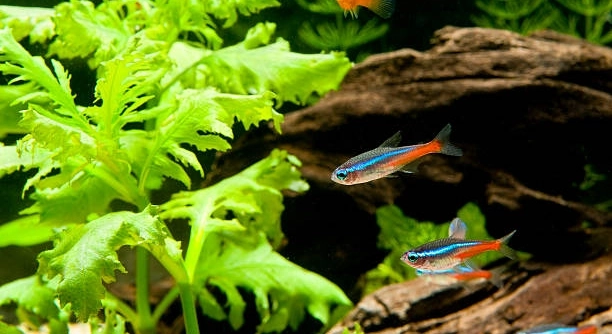
Neon Tetras are small, vibrant fish that add beauty to any aquarium. But understanding how they feel is essential for ensuring their well-being. Observing their behavior can help you know if they feel secure in their environment.
Neon Tetras show signs of feeling secure when they swim calmly, interact with tank mates, and exhibit natural behaviors like schooling. They may also display vibrant colors and engage in regular feeding, all of which indicate a stress-free environment.
Understanding these indicators will help you monitor your fish’s health and create a peaceful, thriving tank environment for them.
Indicator 1: Calm and Steady Swimming
Neon Tetras are naturally peaceful fish. When they feel secure, they swim calmly around the tank, avoiding frantic movements or hiding in corners. This steady swimming shows that they are comfortable with their surroundings and not under stress. When they’re stressed or scared, they tend to hide or swim erratically, which is a sign that something in their environment is making them uneasy.
When observing your Neon Tetra, check for a relaxed swimming pattern. They should move gracefully and confidently throughout the tank. If they constantly dart back and forth or hide, it’s a clear sign of stress. A secure environment allows them to explore the tank at ease.
A calm swimming behavior in Neon Tetras also often indicates that they are comfortable with their tank mates. If the fish are swimming freely together in small groups or interacting with other species in the tank without issue, it suggests they feel safe. On the other hand, isolation from the group or unusual movements might signal discomfort.
Indicator 2: Vibrant Colors
Neon Tetras are known for their bright, colorful appearance. When they feel secure, their colors are vivid and vibrant. A stressed or sick Neon Tetra may have dull or faded colors. Healthy, content fish display their natural colors as a way to attract mates and show they’re in good condition.
Neon Tetras are naturally vibrant, and their colors act as a clear sign of their well-being. If they’re looking pale, it could be due to environmental stressors or illness. Ensuring that your tank’s conditions are ideal, such as water quality, temperature, and lighting, can encourage these colors to shine through. Regular tank maintenance can significantly boost their vibrancy, making them more active and healthy.
The tank’s lighting also plays a role in how vibrant your Neon Tetra’s colors are. Too much light or too little light can affect the appearance of their colors. Finding a balance will help them feel comfortable and appear more colorful. Neon Tetras feel at ease when they have the right lighting and water conditions, which encourages them to display their natural, bright hues.
Indicator 3: Socializing with Tank Mates
Neon Tetras are social creatures, and their security is often linked to their interactions with other fish. When they feel safe, they swim in groups and interact well with their tank mates. A solitary Tetra may signal discomfort or illness.
They often form schools, staying close together for safety and comfort. If your Neon Tetra is swimming with its group and engaging with others, it shows that they feel confident in their environment. A lack of interaction or separation from the school indicates stress or unease. Tetras need the companionship of others to feel secure.
While socializing is important, it’s also key to ensure the other fish in the tank aren’t stressing out your Neon Tetras. If aggressive or overly dominant fish are present, this could cause your Tetras to withdraw. Peaceful interactions with tank mates indicate they are happy and comfortable.
Indicator 4: Regular Feeding
When Neon Tetras are feeling secure, they will eat regularly. If your Tetra is hesitant to feed or ignores food, it may be a sign of stress or illness. A healthy, secure fish will readily take food and show enthusiasm at feeding time.
Feeding time is a clear indicator of your fish’s well-being. Tetras are typically active eaters and will eagerly consume their food, whether it’s flakes, pellets, or live foods. A lack of interest in food can suggest they are feeling anxious or unsafe in their environment. Monitoring their feeding habits helps you understand if something is wrong.
Environmental factors such as water temperature, pH levels, and tank size can affect your Tetra’s appetite. If everything is in balance, you’ll notice them actively swimming toward the food. If these conditions are out of balance, they may lose interest or become too stressed to feed properly.
Indicator 5: Exploring the Tank
Neon Tetras are naturally curious fish. When they feel secure, they will explore their tank, swimming around plants, decorations, and other elements. A fish that stays in one corner or hides most of the time is likely feeling stressed.
Exploring their environment is a sign of confidence. Neon Tetras swim freely, checking out different areas of the tank, which means they’re comfortable with their surroundings. A fish that constantly hides or stays in the same spot may be avoiding an uncomfortable part of the tank. Ensuring they have plenty of space and hiding spots can help reduce stress.
If your Neon Tetra is freely exploring the tank without signs of agitation or fear, it’s a good sign they feel safe and secure in their environment. This behavior shows that they are healthy and have adapted well to their habitat.
Indicator 6: Healthy Fin Movement
When Neon Tetras feel secure, their fins move gracefully and fluidly. If their fins are clamped or stiff, this could be a sign of stress or poor health. A healthy Tetra will exhibit smooth and natural fin movements.
Fins that are stiff or clamped close to the body can indicate discomfort, stress, or even illness. When a Neon Tetra feels safe, it uses its fins to swim fluidly and with ease. Proper fin movement is a sign of a healthy fish, while restricted or unusual movement could be a signal that something is wrong.
Indicator 7: Calm Breathing
A secure Neon Tetra will have calm, regular breathing patterns. If you notice rapid or labored breathing, it could be a sign of distress or poor water quality. Healthy breathing is a clear indicator that your Tetra feels at ease.
Rapid breathing or gasping for air is a sign that your fish is stressed or uncomfortable. This could happen if the water quality is poor, the temperature is too high, or the fish is unwell. Regular and calm breathing suggests your Neon Tetra is adjusting well to its environment.
FAQ
How can I tell if my Neon Tetra is stressed?
A stressed Neon Tetra may exhibit a few different signs. First, they may swim erratically or hide for long periods. You might also notice their colors fading or their fins clamped to their body. Stressed Tetras may stop eating or display rapid breathing. If you notice these signs, it’s important to assess the tank’s conditions to figure out what might be causing the stress, such as poor water quality, unsuitable tank mates, or extreme temperatures.
What causes Neon Tetras to lose their color?
When Neon Tetras lose their color, it often means they are under stress or in an unhealthy environment. Poor water quality, such as high ammonia or nitrite levels, can cause this. Changes in lighting or temperature can also affect their colors. Additionally, illness or poor diet may cause your Tetra to lose its vibrancy. A secure and well-maintained environment can help your Tetras maintain their beautiful colors.
How can I make my Neon Tetra feel secure in the tank?
To make your Neon Tetra feel secure, it’s essential to provide a stable and peaceful environment. Ensure the water quality is optimal, with regular water changes and proper filtration. The tank should be well-planted with plenty of hiding spots where the Tetras can feel safe. Avoid aggressive tank mates that could stress out your fish, and keep the lighting gentle to avoid startling them. Maintaining a consistent temperature and pH level will also contribute to their overall security.
Why is my Neon Tetra swimming near the surface?
If your Neon Tetra is swimming near the surface, it may be a sign of oxygen deprivation in the water. It’s essential to check if the oxygen levels in your tank are sufficient. This could be caused by overcrowding, poor water circulation, or lack of surface agitation. If everything seems fine but the behavior persists, it could indicate illness, and you should monitor your fish closely.
How do I know if my Neon Tetra is sick?
Sick Neon Tetras may show several signs, including lethargy, loss of appetite, or abnormal swimming behavior. Their fins might be clamped or stiff, and their colors could fade. Look for unusual markings, bloating, or labored breathing, which may indicate disease. If your fish exhibits any of these signs, it’s crucial to act quickly by isolating the affected fish and adjusting the tank conditions. Seeking advice from a vet or an experienced aquarist can help you diagnose and treat the issue.
Can Neon Tetras live alone?
Neon Tetras are schooling fish and prefer to live in groups. It’s not ideal to keep them alone, as they feel more secure in the company of their own kind. A group of at least six Neon Tetras is recommended, as this provides them with the comfort and security they need to feel safe. Without the presence of other Tetras, they may become stressed and lonely, leading to health problems.
What should I do if my Neon Tetra isn’t eating?
If your Neon Tetra isn’t eating, it could be a sign of stress, illness, or poor water conditions. Start by checking the water parameters to ensure they are within the correct range for your fish. If the water is fine, observe if any other fish are bullying the Tetra, which may be causing stress. If there are no apparent issues, consider changing their food type or offering live food, which might spark their interest. If the lack of eating persists, you may need to isolate the fish and consult an expert.
What’s the best water temperature for Neon Tetras?
Neon Tetras thrive in water temperatures between 72°F and 78°F (22°C to 25°C). Water that is too hot or too cold can stress your Tetras, leading to health problems. Keeping the temperature within this range will help your Neon Tetras feel secure and healthy. A good aquarium heater is essential for maintaining stable temperatures, especially in colder climates.
How often should I feed my Neon Tetras?
Neon Tetras should be fed small amounts two to three times a day. Overfeeding can lead to poor water quality, which could stress out the fish. Offer a variety of foods, including high-quality flakes, pellets, and occasional live or frozen food. Make sure to remove any uneaten food to prevent it from polluting the water.
Are Neon Tetras aggressive?
No, Neon Tetras are peaceful fish. They are naturally shy and non-aggressive, especially when kept in groups. They can coexist with many other species, as long as their tank mates are also peaceful. However, they may become stressed if placed with overly aggressive fish, which could lead to health issues. Always choose tank mates carefully to ensure the well-being of your Neon Tetras.
Can I keep Neon Tetras with other fish?
Neon Tetras can live with other peaceful fish, such as Corydoras, small rasboras, and certain species of shrimp. It’s important to avoid aggressive or larger fish, as they may intimidate or even harm the Neon Tetras. When selecting tank mates, ensure they have similar temperature and water condition needs.
What size tank do Neon Tetras need?
A minimum tank size of 10 gallons is recommended for a group of Neon Tetras. The more Tetras you have, the larger the tank should be. Neon Tetras need space to swim and explore, and a larger tank helps maintain water quality. Additionally, a well-planted tank with hiding spots helps them feel secure. A 20-gallon tank is ideal for a larger school of Tetras.
How can I maintain good water quality for Neon Tetras?
To maintain good water quality for your Neon Tetras, perform regular water changes (about 25-30% weekly). Use a reliable filter that keeps the water clean and aerated, and ensure that the temperature and pH levels remain stable. Test the water frequently for ammonia, nitrite, and nitrate levels to keep the environment healthy. Avoid overfeeding, as excess food can pollute the water and compromise its quality.
Do Neon Tetras need a filter?
Yes, Neon Tetras need a filter to maintain clean and oxygenated water. The filter helps remove waste, uneaten food, and other debris that can build up in the tank. A proper filter also helps maintain water circulation and stability, both of which are essential for the health of your Neon Tetras. Make sure the filter isn’t too strong, as Tetras prefer calm waters.
Final Thoughts
Understanding the behavior of your Neon Tetra is key to ensuring they feel secure and thrive in your aquarium. These small, colorful fish are generally peaceful and social, and they show signs of contentment through calm swimming, vibrant colors, and regular interaction with other tank mates. By observing their behavior closely, you can tell when something isn’t quite right and take steps to correct it before any serious issues develop. Healthy Neon Tetras are active, curious, and display natural behaviors that reflect their comfort in their environment.
Creating the right environment is vital for their well-being. Neon Tetras need clean water, the correct temperature, and a peaceful tank with plenty of hiding spots. It’s also essential to maintain good water quality through regular water changes and careful monitoring of tank parameters. Poor water conditions or stress from aggressive tank mates can lead to illness and discomfort, which will show in their behavior. The ideal environment ensures that they can live a stress-free life, allowing them to display their natural beauty and personality.
By providing a balanced and stable tank, your Neon Tetras will not only survive but also flourish. Regular monitoring of their behavior, water quality, and feeding habits is necessary to keep them in the best possible health. A secure and happy Neon Tetra is a joy to watch as they school together and interact with the environment. With the right care, you’ll enjoy the beauty and peaceful nature of these wonderful little fish for years to come.

Hello,
If you enjoy the content that we create, please consider saying a "Thank You!" by leaving a tip.
Every little bit helps us continue crafting quality advice that supports the health, happiness, and well-being of pets around the world, for pets of all shapes, sizes, and species.
We really appreciate the kindness and support that you show us!