
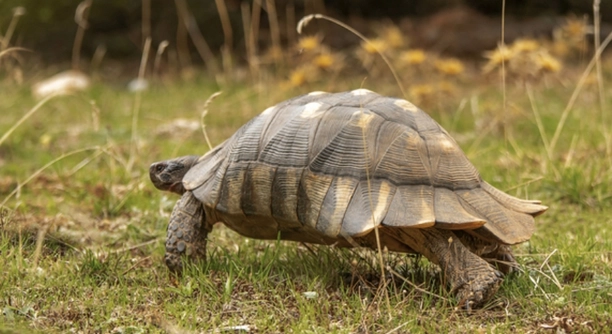
Is your marginated tortoise settling into its new home, or do you worry it might be stressed? Adjusting to a new environment can take time, and knowing the signs of a smooth transition is essential for your tortoise’s well-being.
A well-adjusted marginated tortoise will show consistent eating habits, regular activity levels, and a healthy shell appearance. It should explore its enclosure, bask under heat lamps, and display normal behaviors like burrowing and hiding without signs of distress or prolonged lethargy.
Recognizing these key indicators will help you ensure your tortoise is thriving. Creating a comfortable environment and monitoring its behavior will make the adjustment process smoother and stress-free.
Signs Your Marginated Tortoise Is Comfortable
A well-adjusted marginated tortoise will move around its enclosure with ease, exploring different areas and using available hiding spots. It should have a steady appetite, eating its usual greens without hesitation. Regular basking under a heat lamp and maintaining normal hydration levels are also positive indicators. If your tortoise burrows occasionally and interacts with its surroundings, these are signs of comfort. Lethargy, lack of appetite, or hiding excessively could indicate stress. Gradual changes in behavior can occur as your tortoise gets used to its new home, so consistent monitoring is key.
If your tortoise refuses food for an extended period, it may be struggling to adjust. Stress can lead to temporary appetite loss, but if it continues, check the temperature, humidity, and overall enclosure setup.
Keeping an eye on movement, appetite, and general behavior will help you determine if your tortoise is adapting well. Simple adjustments may improve its comfort.
How to Help Your Tortoise Adjust
Setting up a familiar and comfortable space is essential. Include hiding spots, a proper heat source, and a shallow water dish. Ensure the enclosure mimics its natural habitat as closely as possible. A well-arranged environment can reduce stress and encourage natural behaviors.
Handling should be kept to a minimum during the first few weeks. Too much interaction can cause unnecessary stress. Allow your tortoise to explore on its own and establish a routine. A consistent feeding schedule can also help. Offering a balanced diet of leafy greens, vegetables, and occasional fruits ensures proper nutrition. Keeping the temperature and humidity at appropriate levels will prevent health issues.
Observing behavior daily allows you to spot concerns early. Small adjustments, such as modifying the enclosure layout or adjusting the temperature, can make a big difference. With patience, your tortoise will settle into its new home comfortably.
Common Signs of Stress in a New Environment
A stressed marginated tortoise may hide excessively, refuse food, or remain inactive for long periods. It might also pace along the enclosure walls or attempt to climb out. These behaviors suggest discomfort and indicate the need for environmental adjustments.
Temperature fluctuations, improper lighting, and an unfamiliar enclosure setup can contribute to stress. If the temperature is too low, your tortoise may become sluggish and eat less. If it’s too high, excessive basking or restlessness may occur. A lack of hiding spots can make it feel exposed, increasing anxiety. Sudden changes in diet or an overly noisy environment can also cause stress. Addressing these factors can help your tortoise feel more secure.
Observing daily behavior is important. A healthy tortoise should have a predictable routine of basking, eating, and resting. If signs of stress persist, reevaluate the habitat setup. Minor adjustments can significantly improve comfort and well-being.
Creating a Calm and Safe Environment
A stable enclosure setup helps your tortoise feel secure. Avoid moving decorations or changing the layout frequently. Providing proper hiding spots, consistent temperatures, and natural lighting will create a space where your tortoise feels at ease. Sudden changes can cause stress, so stability is key.
The enclosure should be large enough to allow movement but not overwhelming. A secure, non-transparent barrier can prevent stress from seeing too much outside activity. Keep the enclosure in a quiet location, away from loud noises or frequent disturbances. Using natural substrate and ensuring proper humidity levels will mimic its natural habitat, helping it feel more comfortable.
Gradual adjustments work best. If changes are necessary, introduce them slowly to prevent stress. Avoid excessive handling during the adjustment period. A calm, stable environment will encourage your tortoise to explore, eat, and establish normal behaviors in its new home.
Encouraging Natural Behaviors
A well-adjusted tortoise will explore its enclosure, dig, and bask regularly. Providing a mix of textures, like soil and rocks, encourages natural movement. A shallow water dish allows for safe soaking, promoting hydration and shell health. Small environmental changes can support these behaviors without overwhelming your tortoise.
A balanced diet also plays a role. Fresh greens, vegetables, and occasional fruits keep your tortoise active and engaged. Scattering food around the enclosure can encourage natural foraging behaviors. Observing these habits helps ensure your tortoise is comfortable and adjusting well to its surroundings.
When to Seek Veterinary Advice
If your tortoise refuses to eat for more than a week, remains inactive, or shows signs of illness, a veterinary check-up may be necessary. Respiratory issues, swollen eyes, or unusual shell changes should be addressed quickly. Early intervention can prevent minor concerns from becoming serious health problems.
Final Considerations
Small adjustments can make a big difference in helping your tortoise settle in. Observing behavior and providing a stable environment will ensure a smooth transition. Keeping an eye on appetite, movement, and general habits will help you determine if further changes are needed.
FAQ
How long does it take for a marginated tortoise to adjust to a new home?
The adjustment period can vary, but typically, it takes anywhere from a few days to a few weeks for a marginated tortoise to settle into a new environment. The key factors are temperature, humidity, and enclosure setup. The more closely you can replicate its natural habitat, the quicker it will feel comfortable. Some tortoises may take longer to get used to their new home, especially if the change is significant or if they were stressed before the move. During this time, be patient and avoid excessive handling.
What temperature should the enclosure be for my tortoise?
For a marginated tortoise, the temperature should range from 75°F to 85°F (24°C to 29°C) during the day, with a basking spot reaching around 90°F (32°C). At night, temperatures can drop to around 70°F (21°C) but should not go lower than 60°F (15°C). Use a thermometer to ensure these temperatures are maintained, as they help regulate your tortoise’s metabolism and overall well-being. The proper temperature encourages normal behavior, such as basking, eating, and exploring.
Can I handle my tortoise while it is adjusting?
It is best to minimize handling during the first few weeks while your tortoise is adjusting. Too much handling can cause stress and hinder its ability to settle in. Allow it to explore its new home at its own pace. Once it starts eating regularly, moving around comfortably, and basking, then it’s usually safe to interact for short periods. Make sure to handle it gently and avoid sudden movements.
What should I do if my tortoise isn’t eating?
If your tortoise refuses food for more than a few days, check the environmental conditions first. Ensure the temperature and humidity are at optimal levels. Stress, whether from a sudden change in surroundings or improper conditions, can affect appetite. If your tortoise has not eaten for a week or more, consult a veterinarian to rule out any health problems. Offering a variety of fresh greens and ensuring food is easily accessible can also encourage eating.
How often should I feed my tortoise?
Marginated tortoises typically eat once a day or every other day, depending on their age and size. Young tortoises may require daily feedings, while adults can be fed every two to three days. Always provide fresh greens and vegetables like dandelion leaves, collard greens, or clover. Occasionally, you can offer fruit, but it should not make up the majority of their diet. Avoid overfeeding, as obesity can lead to health problems.
Why is my tortoise digging or burrowing?
Digging and burrowing are normal behaviors for marginated tortoises. In the wild, they dig to find shelter, regulate their temperature, or escape predators. In captivity, burrowing helps them feel secure and comfortable. If your tortoise is digging more than usual, check the humidity levels, as too dry an environment can encourage excessive burrowing. Providing a suitable substrate and a hiding spot will also encourage natural behaviors.
Can my tortoise stay outside?
Yes, marginated tortoises can be kept outside in warm, temperate climates. Ensure the enclosure is secure, escape-proof, and safe from predators. During the daytime, the temperature should be in the appropriate range, and there should be a shaded area and a basking spot available. Always bring your tortoise indoors during the colder months or during extreme weather conditions. If outside time is not possible, a proper indoor enclosure can provide a similar environment.
How do I know if my tortoise is sick?
Signs of illness in a tortoise include lethargy, loss of appetite, nasal discharge, swollen eyes, difficulty moving, or abnormal shell appearance. If your tortoise shows any of these symptoms, consult a vet specializing in reptiles. Regularly checking the condition of the shell for cracks, soft spots, or discoloration is important for maintaining its health. Healthy tortoises should be active, alert, and exhibit normal behaviors like basking and foraging.
Is it normal for my tortoise to be more active at night?
Marginated tortoises are generally diurnal, meaning they are active during the day. However, some tortoises may be more active during dawn or dusk, depending on their environment. If your tortoise is active at night, ensure the enclosure is not too hot or too cold, as that could affect its sleep patterns. However, if it’s constantly awake at night and lethargic during the day, check the overall conditions to ensure there aren’t any issues.
What kind of substrate should I use in the enclosure?
The substrate should mimic the tortoise’s natural environment and be easy to clean. Common choices for marginated tortoises include organic soil, coconut coir, or a mix of both. Avoid sand, as it can irritate the digestive system if ingested. The substrate should be deep enough for digging and burrowing, but not so deep that it can cause discomfort. Also, ensure the substrate is kept dry, as excessive moisture can lead to respiratory issues.
Final Thoughts
Adjusting to a new home can be a stressful experience for a marginated tortoise, but with patience and the right environment, the transition can be smooth. The key is to ensure that its enclosure is as close to its natural habitat as possible. Proper temperature, humidity, and lighting are essential, along with enough space for movement and hiding spots to make your tortoise feel safe. Keeping these conditions stable helps your tortoise feel comfortable and encourages natural behaviors, like basking, eating, and exploring.
Understanding your tortoise’s behavior is crucial during this adjustment period. It’s normal for your tortoise to be more reserved at first, but over time, it should begin to explore its new home and show more interest in food and activity. Any signs of stress, such as a lack of appetite, excessive hiding, or lethargy, should be addressed quickly. The best way to avoid stress is by making gradual changes and sticking to a routine that the tortoise can get used to. By observing these behaviors and responding accordingly, you can help your tortoise adjust at its own pace.
Overall, it’s important to be patient and attentive. Every tortoise is different, and some may take longer to settle in than others. As long as the right environmental factors are in place and the tortoise is given time to adapt, it will thrive in its new home. If issues persist, seeking advice from a veterinarian or an expert in reptile care is always a good option. With the right care and attention, your marginated tortoise will soon be comfortable and healthy in its new surroundings.

Hello,
If you enjoy the content that we create, please consider saying a "Thank You!" by leaving a tip.
Every little bit helps us continue crafting quality advice that supports the health, happiness, and well-being of pets around the world, for pets of all shapes, sizes, and species.
We really appreciate the kindness and support that you show us!