
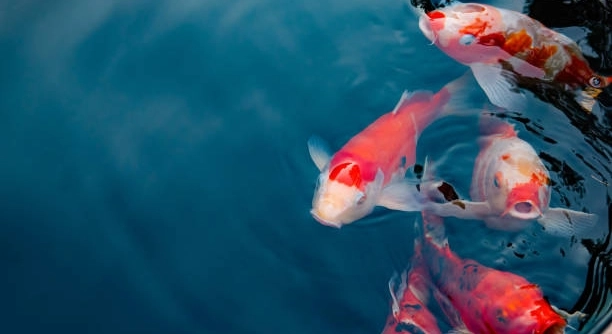
Koi fish are known for their graceful movements and vibrant colors. Many koi owners enjoy watching how these fish interact in their ponds. Understanding if koi have formed bonds can add a new dimension to observing their behavior.
Koi bonding is demonstrated through behaviors such as swimming closely together, following one another, and sharing space without aggression. These actions indicate social connections and comfort among individual fish within a shared environment.
Recognizing koi bonds helps improve care and enriches the pond experience for both fish and owners. This article explains clear signs that show when koi have bonded.
Recognizing Koi Bonding Behavior
Koi often show bonding through several distinct behaviors. Swimming side by side or following each other closely is a common sign. When koi share space without signs of aggression, it reflects comfort and social connection. You may also notice koi resting near each other or feeding together, which suggests trust. These fish are naturally social, and bonded koi often synchronize their movements, appearing calm and coordinated. Over time, koi that bond will spend more time near one another, even in crowded conditions. Observing these interactions helps to understand their relationships better. Koi that are isolated or aggressive toward others may not have formed strong bonds. Being patient and watching daily behaviors will reveal how your koi interact.
Koi bonding increases their well-being and can reduce stress. It also encourages a peaceful pond environment, benefiting all fish.
Identifying bonded koi allows you to support their social needs. Providing space and proper conditions encourages these positive interactions, helping your pond thrive.
Factors Influencing Koi Bonding
Water quality and pond size impact koi bonding significantly. Poor water conditions can stress koi and reduce social behavior. Koi need clean, well-oxygenated water to feel secure and interact naturally. Overcrowding or insufficient space may cause territorial disputes, preventing bonds from forming. Adequate space allows koi to swim freely and choose companions comfortably. Feeding routines also influence social bonds; koi fed together often bond more easily. The presence of hiding spots and pond plants creates a balanced environment, encouraging koi to relax near each other. Temperature changes can affect activity levels, influencing bonding behavior temporarily. Regular pond maintenance supports healthy interactions. Monitoring these factors ensures koi have the best chance to bond and thrive within their environment.
Signs of Stress vs. Bonding in Koi
Stress and bonding behaviors can sometimes look similar but have distinct differences. Stress often causes erratic swimming or hiding, while bonded koi swim calmly together. Recognizing these signs helps in properly supporting koi health and social needs.
Stress in koi typically results from poor water quality, overcrowding, or sudden changes in their environment. Stressed fish may isolate themselves or show aggressive behavior, unlike bonded koi that display calm and cooperative interaction. When koi bond, their movements are synchronized, and they often rest near each other without tension. Stress-induced behaviors include rapid gill movement, clamped fins, or erratic darting, which do not occur in bonded fish. Understanding these differences ensures timely intervention to improve conditions and promote bonding, leading to healthier, more content koi.
Paying close attention to your koi’s behavior daily can help distinguish between bonding and stress. Addressing stress promptly creates an environment where bonds can form naturally.
Encouraging Bonding Among Your Koi
Consistent feeding schedules encourage koi to gather and interact, supporting bonding. Feeding in the same location helps fish associate each other with positive experiences. A stable environment reduces stress and promotes social behavior.
Pond size and layout play important roles in bonding. Providing ample space and hiding spots reduces territorial disputes and allows koi to choose companions freely. Regular water changes maintain water quality, essential for koi comfort and social interaction. Introducing new koi gradually prevents sudden disruption of established bonds. Observation during feeding and swimming times offers insight into koi relationships. Supporting their environment this way encourages natural bonding and healthier interactions.
Maintaining clean water, sufficient space, and a routine feeding schedule fosters a calm, social pond atmosphere. These factors contribute significantly to forming and sustaining koi bonds.
Understanding Koi Social Hierarchy
Koi establish a social hierarchy that affects their interactions. Dominant koi may lead swimming groups, while others follow. This order helps maintain peace and reduces conflicts in the pond.
Social ranking is not fixed; koi can change positions based on age, size, or health. Recognizing this hierarchy explains some koi behavior and bonding patterns.
How Koi Communicate With Each Other
Koi use body language, such as swimming patterns and fin movements, to communicate. These subtle signals help maintain group cohesion and show intentions like submission or dominance.
Watching these interactions closely provides insight into their social bonds and overall health. Communication is essential for koi to live harmoniously.
When Bonding Might Not Occur
Not all koi form strong bonds. Stress, illness, or incompatible personalities can prevent bonding. Observing koi behavior helps identify when intervention is needed to support social health.
Bonding varies between individual koi and pond environments. Patience and proper care encourage positive social connections over time.
FAQ
How can I tell if my koi are bonded or just swimming together by chance?
Bonded koi tend to swim closely and consistently near each other over time. They rest or feed side by side without signs of aggression. If the koi move apart frequently or display aggressive behaviors, they are likely not bonded. Observing patterns across days or weeks helps confirm bonds rather than coincidental grouping.
Can koi form bonds with all other koi in the pond?
Not all koi bond with every other fish. Some koi may prefer certain companions due to personality, size, or health. Social groups can form naturally, with koi showing preference for specific individuals. It is common for koi to have a few close companions rather than bonding with the entire group.
Does pond size affect koi bonding?
Yes, pond size plays a role. A pond that is too small can increase stress and competition, making bonding harder. Larger ponds provide space for koi to swim freely and choose companions. Adequate space encourages peaceful interactions and stronger social bonds.
How does water quality impact koi bonding?
Poor water quality stresses koi, reducing their social behaviors. Clean, well-oxygenated water helps koi feel safe and encourages normal interactions. Maintaining good water conditions is crucial to support koi bonding and overall health.
Will introducing new koi disrupt existing bonds?
Introducing new koi can temporarily disrupt social groups. Koi may show aggression or avoid newcomers at first. Gradual introduction and monitoring can reduce stress and help the new fish integrate. Over time, new bonds may form, but initial disturbances are common.
Can bonded koi separate due to health problems?
Yes, illness or injury can cause koi to isolate from their bonded group. A sick koi may swim alone or hide, interrupting usual social behavior. Treating health issues promptly helps restore normal bonding patterns once the fish recovers.
Are there specific behaviors that show koi trust each other?
Swimming closely without aggression, sharing resting spots, and feeding side by side are strong signs of trust. Calm and synchronized movements between koi indicate comfort with each other, showing a well-established bond.
How long does it take for koi to bond?
Bonding time varies depending on individual fish and environment. Some koi bond within weeks, while others may take months. Consistent conditions, enough space, and proper care speed up bonding, but patience is necessary.
Can I encourage bonding by feeding koi together?
Yes, feeding koi at the same time and place encourages gathering and positive interactions. Koi associate feeding with safety and social time. Routine feeding helps strengthen bonds and reduce territorial behaviors.
Is it normal for koi to change their preferred companions?
Koi social preferences can shift due to changes in hierarchy, health, or environment. It is normal for koi to adjust their social groups occasionally. Monitoring these changes helps ensure koi remain healthy and comfortable.
What should I do if koi show aggressive behavior?
Aggression can result from overcrowding, poor water quality, or lack of hiding spots. Increasing pond size, improving water conditions, and adding plants or decorations to provide shelter often reduce aggression. Separating particularly aggressive koi may be necessary in some cases.
Do koi bond with other fish species?
Koi may interact peacefully with other species but usually form stronger bonds within their own kind. Social behaviors differ between species, so close bonding is less common with different fish.
Can stress prevent koi from bonding?
Stress caused by poor water quality, sudden changes, or overcrowding interferes with koi social behaviors. Reducing stress factors promotes bonding and improves koi well-being.
How can I support koi bonding during pond maintenance?
Performing water changes carefully and avoiding sudden environmental changes minimizes stress. Maintaining consistent conditions and providing sufficient space during maintenance supports koi bonds. Moving koi gently when necessary reduces disruption.
Is koi bonding visible during all seasons?
Bonding behaviors may change with temperature and seasonal activity. In colder months, koi may be less active, making bonds harder to observe. During warmer seasons, increased activity reveals social interactions more clearly.
Final Thoughts
Understanding how koi bond with each other can improve the experience of keeping these fish. Koi are social animals that form relationships based on comfort, trust, and a peaceful environment. Observing their behavior closely helps identify when koi are bonded and when they may need help adjusting. These bonds contribute to their overall well-being and reduce stress, which is important for maintaining healthy fish. Creating the right conditions supports these natural interactions and allows koi to thrive in the pond.
Maintaining good water quality and providing enough space are key factors in promoting koi bonding. Clean water reduces stress and illness, which can interfere with social behavior. A larger pond gives koi room to swim freely and form social groups without feeling crowded. Feeding koi regularly in the same place encourages gathering and positive interaction. All these actions help koi feel secure and comfortable, which makes it easier for bonds to develop naturally. It is also important to introduce new koi slowly to avoid upsetting established social groups.
Koi bonding takes time and patience. Not all koi will bond strongly or quickly, but a calm environment encourages social behavior. Paying attention to signs such as swimming closely together, resting side by side, and peaceful feeding helps track their relationships. If koi show aggression or isolate themselves, it may indicate stress or health issues. Prompt care and adjustments to the environment can restore balance and support social connections. Overall, understanding koi bonding is part of responsible care that enhances the health and happiness of these beautiful fish.

Hello,
If you enjoy the content that we create, please consider saying a "Thank You!" by leaving a tip.
Every little bit helps us continue crafting quality advice that supports the health, happiness, and well-being of pets around the world, for pets of all shapes, sizes, and species.
We really appreciate the kindness and support that you show us!