
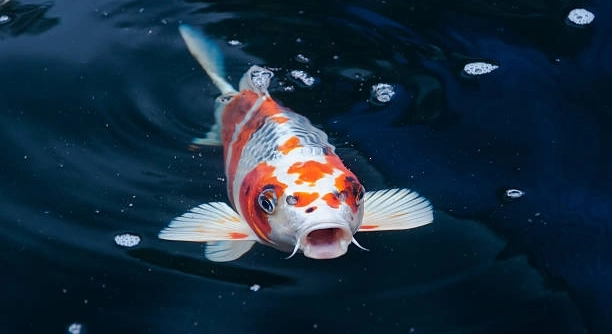
Have you ever spent time near your koi pond and wondered if your fish actually recognize and trust you? Their graceful swimming and calm presence might be giving more signs than you think.
Koi fish show trust through consistent behaviors such as swimming toward you, eating from your hand, and staying visible instead of hiding. These actions are subtle indicators of their comfort and familiarity with your presence.
Learning what these signs mean can help you build a stronger connection and keep your koi happy and stress-free in their pond.
Common Signs Your Koi Trust You
Koi fish can’t speak, but their body language says a lot. If your koi swim toward you when you approach, it’s often a strong sign of trust. This behavior shows they associate you with safety and possibly food. Another common signal is if they remain near the surface and allow you to stay close for long periods. Some koi will even begin eating out of your hand, which is a clear indication of comfort. When your koi stop darting away or hiding when you’re nearby, they’re showing a deeper level of calmness. These behaviors don’t happen overnight, but they do build over time with consistency. Trust forms when koi see you as part of their regular environment. Patience and gentle movements are key to encouraging this trust. Avoid sudden actions or loud noises, and spend time near the pond often to help them recognize your presence as familiar.
Koi that swim away slowly instead of darting show they feel safe around you. It’s a gentle sign of trust.
Paying attention to how they behave around you helps you understand their comfort level. Trust is visible in their routines, from feeding interactions to how they respond when you approach the pond’s edge.
What Builds Trust Between You and Your Koi
Consistency plays a big role in helping koi trust you. Regular feeding times, calm movements, and spending time near their pond each day all contribute to familiarity. Over time, koi begin to associate you with positive experiences like meals and calmness. Avoid changing their environment too much, as sudden shifts can cause stress. If possible, feed them in the same spot and maintain a predictable routine. Talking softly or using the same tone can also help them recognize you. Koi may not bond the same way mammals do, but they respond to patterns. Earning their trust means creating a peaceful and predictable space. Once they’re comfortable, they often become curious and engaged. You might find them following your finger across the water or nudging your hand during feeding. These small actions are signs of connection. With time and patience, the bond grows stronger, and your koi will feel more secure around you.
How Koi Show Discomfort or Distrust
Koi that hide frequently or retreat quickly when you approach are showing signs of discomfort. If they stay at the bottom of the pond or avoid feeding while you’re near, it means they don’t feel fully secure yet.
Koi that don’t trust their surroundings will often stay out of sight, especially when people are near the pond. If they bolt suddenly or seem jumpy, it’s a clear sign they’re feeling stressed. You might also notice them skipping meals or refusing food unless you’re far away. Loud noises, aggressive movements, or frequent disturbances can contribute to this. It’s important not to force interaction. Give them time and space to adjust. Watching their response to your presence over several days can help you understand what makes them uneasy. Koi can grow comfortable, but it depends on your consistency and calm energy around them.
Another sign of distrust is when koi fish swim erratically or show signs of panic as you approach. Instead of moving gently, they may thrash or speed away. These behaviors often stem from past negative experiences or changes in their environment. If this happens regularly, it’s best to step back and observe quietly for a few days. Avoid reaching into the water, and let them decide when to come near. Building trust with koi takes time, and forcing interaction can delay the process. Make your presence predictable and non-threatening. Over time, they’ll learn that you’re not a threat and begin to act more relaxed around you.
How to Strengthen the Bond with Your Koi
Start by feeding them at the same time and spot every day. Use calm, slow movements and avoid standing directly over the pond. Koi respond well to routine and begin recognizing patterns in your behavior. Trust builds gradually with patience.
To deepen the bond, try hand-feeding your koi once they feel comfortable approaching. Begin by standing close and tossing food gently into the water. After a few days, extend your hand with food and stay still. Some koi may come close out of curiosity, while others might take longer. Never rush the process. Keep interactions calm and quiet. Avoid loud sounds, sudden movements, or splashing. Make sure their environment stays consistent, including water quality and pond layout. When koi feel safe, they start to interact more confidently. In time, they’ll begin to associate your presence with positive experiences. That’s when trust really starts to form and grow.
How Long It Takes to Earn a Koi’s Trust
Building trust with koi doesn’t happen right away. It can take a few weeks to a few months, depending on the fish and how often you interact. Patience and steady routines make a big difference over time.
You’ll notice small changes first—less hiding, slower movements, and a willingness to approach. These are early signs of progress. Keep your actions calm and your schedule predictable. Even short, daily visits to the pond help them get used to you.
How the Environment Affects Trust
The pond environment plays a major role in how koi behave. Clean water, proper filtration, and stable temperatures make koi feel safe. A stressful or dirty pond can lead to skittish behavior and reduced trust. Make sure your pond has enough space and hiding spots so koi can retreat if needed. Avoid overcrowding and monitor water quality closely. Koi will be more open to interaction when they’re not dealing with stressors. A peaceful space helps them stay calm and focused on their surroundings. When their physical needs are met, they’re more likely to respond to your presence in a positive, relaxed way.
Why Every Koi Reacts Differently
Each koi has its own temperament. Some are bold and curious right away, while others take longer to warm up. It’s normal for different fish to trust you at different times.
FAQ
How do I know if my koi recognize me?
If your koi swim toward you when you approach the pond, they likely recognize you. Over time, they learn to associate your face, voice, and movements with food and positive interactions. This recognition builds slowly through repeated daily routines. Koi have good memories and respond well to consistency. They may begin to gather near you even before you feed them or gently follow your hand in the water. Recognition doesn’t always mean full trust, but it’s a strong sign that you’re becoming familiar to them. Every koi is different, so responses may vary, but repeated attention helps build a bond.
Can koi fish feel emotions like trust?
Koi do not experience emotions in the same way humans do, but they can show behavioral patterns that suggest comfort, caution, or stress. When a koi feels safe, it behaves calmly, swims freely, and feeds normally—even when you’re near. This behavior is often interpreted as trust. On the other hand, when they feel unsafe, koi might hide or swim erratically. These behaviors are shaped by environment, previous interactions, and their individual temperaments. While it’s not emotional trust in the human sense, koi do respond positively to gentle, predictable behavior and will grow more comfortable over time with patient care and attention.
Why do my koi hide when I approach?
Koi that hide as you approach the pond are likely feeling cautious or anxious. This could be due to new surroundings, past experiences, or simply their natural instincts. If they’re new to the pond, they may need time to adjust. Loud sounds, shadows, or sudden movement can also startle them. It’s important to keep your approach calm and avoid standing directly over them, which may seem threatening. Try to stay still and keep your visits short at first. Over time, as they learn you’re not a threat, they’ll start venturing out more often and begin trusting your presence near the pond.
How can I speed up the trust-building process?
Start by feeding your koi at the same time every day in the same spot. Use quiet, slow movements and avoid splashing or tapping on the pond. Routine is key—koi notice patterns and become more confident with consistency. Speak softly while near the water, and allow them to come closer at their own pace. Avoid trying to touch them too soon. Offer treats by hand once they show curiosity. Make sure their environment is calm, with clean water and good shelter. When they feel safe and experience repeated positive moments, trust grows more quickly.
Will koi ever let me pet them?
Some koi eventually allow gentle contact, but not all do. This depends on the fish’s personality and how much trust you’ve built. Begin by hand-feeding and allowing them to brush against your fingers. Never force contact or chase them. Over time, some koi may approach more closely or let you touch them briefly. It’s important to read their body language—if they seem nervous or back away, don’t continue. Petting should be rare and respectful, not frequent or forced. While physical interaction can be rewarding, the focus should always be on keeping them relaxed and safe in their environment.
Why do some koi warm up faster than others?
Each koi has its own personality and background. Some are naturally more social, while others are shy or cautious. Past handling, transport stress, and even genetics can influence how they respond to people. If one koi starts approaching you but another stays hidden, that’s normal. Continue treating all your koi with care and patience. Often, shy koi follow the lead of more confident ones over time. As long as the pond environment stays calm and consistent, even the most timid koi may begin to feel more comfortable. It’s a gradual process that depends on repeated, positive interactions.
Can koi forget me if I stop visiting the pond for a while?
If you stop interacting with your koi for an extended period, they may become less familiar with your presence. They won’t forget you entirely, but they may act more cautious at first. Trust can fade without regular reinforcement, especially if new people or changes disrupt their routine. However, the bond you’ve built can be renewed by going back to gentle, consistent visits and feeding times. Koi respond well to familiarity, and with time, they often return to previous behavior once they recognize the same patterns again.
Is it okay to talk to my koi?
Yes, talking to your koi can actually help them get used to your voice. Calm, consistent sounds become part of their routine and help them feel safe. Some koi respond to the tone and rhythm of a person’s voice, especially if it’s paired with feeding or positive interaction. Loud or sudden noises, however, can startle them. Keep your voice soft and gentle. Over time, they’ll associate your presence and voice with comfort and food, which supports trust-building. It might seem small, but these little habits often make a big difference.
Final Thoughts
Building trust with koi takes time, patience, and daily effort. These fish respond best to calm, steady routines and a peaceful environment. They may not show affection in the way a dog or cat would, but they have their own ways of interacting. A koi that swims near you, feeds from your hand, or no longer hides when you approach is showing signs of trust. Each fish is different, and not all will warm up at the same pace. That’s normal. What matters most is that they feel safe, comfortable, and free to behave naturally. If your koi seem relaxed and healthy, that’s a good sign you’re doing things right.
It helps to remember that koi trust is built over time, not overnight. Try to be consistent with feeding, movements, and even your voice. When you’re near the pond, keep things quiet and calm. Avoid fast steps or sudden shadows. Give them space if they seem unsure, and let them come to you. Some koi may become bold and social quickly, while others may take weeks or months to adjust. Don’t compare them too much. Focus instead on the progress you see over time. Simple things like seeing them swim up when they see you or staying close to the surface are encouraging signs.
Caring for koi is more than just feeding and cleaning the pond. It’s also about learning their behavior and noticing small changes. If one koi suddenly hides all the time or stops eating, it could mean stress or illness. But if your koi swim freely, respond to you, and act curious, then your bond is growing. Trust doesn’t mean handling them constantly or trying to pet them. It means giving them an environment where they feel secure, and where your presence is part of that comfort. The more often you show up with care and patience, the more they’ll learn to trust you. With time, that quiet connection can become one of the most rewarding parts of keeping koi.

Hello,
If you enjoy the content that we create, please consider saying a "Thank You!" by leaving a tip.
Every little bit helps us continue crafting quality advice that supports the health, happiness, and well-being of pets around the world, for pets of all shapes, sizes, and species.
We really appreciate the kindness and support that you show us!