
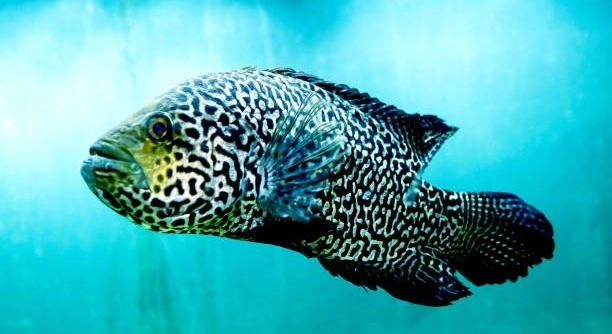
Jack Dempsey fish are known for their vibrant colors and lively behavior, making them popular in home aquariums. Their unique personalities can be fascinating to observe, but they may also show territorial tendencies that affect tank dynamics.
Territorial behavior in Jack Dempsey fish is indicated by aggressive displays, chasing, and guarding of specific areas within the tank. Such behaviors can include nipping at other fish, flaring fins, and defending hiding spots or nesting sites consistently.
Recognizing these behaviors early helps maintain a balanced tank and ensures all fish can coexist peacefully without unnecessary stress or injury.
Recognizing Aggressive Displays
Jack Dempsey fish often show aggression through body language and movement. They may flare their fins, puff up their bodies, or swim directly toward other fish. These displays are most common near hiding spots, decorations, or breeding areas. Watching for repeated patterns is key to identifying true territorial behavior.
Aggression is usually directed at any fish that approaches their claimed area, not just one species.
Pay close attention to interactions during feeding times or when new fish are introduced. Aggression can escalate quickly, sometimes resulting in minor injuries or stress. Not all displays indicate long-term dominance, but repeated chasing or cornering signals a territory is being defended. Providing enough space, hiding spots, and monitoring interactions helps prevent severe conflicts. Early recognition allows for adjustments in tank layout, reducing tension and keeping all fish safer. Observing these behaviors consistently can give insight into the social hierarchy within your tank, helping maintain balance and harmony among its inhabitants.
Guarding Hiding Spots
Jack Dempseys often choose a favorite cave or shaded area and defend it fiercely.
These fish spend a lot of time near their chosen shelter, quickly reacting if another fish comes close. They may block entrances or swim aggressively to drive intruders away. Proper tank design with multiple hiding areas can reduce stress and territorial disputes.
Chasing and Nipping
Territorial Jack Dempseys will chase other fish away from their claimed areas. Nipping at fins or tail is common during these interactions.
Chasing often starts subtly, with quick movements toward a fish that enters their space. Over time, it can escalate, especially if the intruder returns repeatedly. Nipping serves as a warning and a way to assert dominance. Fish may swim rapidly in bursts, circling or cutting off access to certain tank zones. This behavior is not constant but appears most during feeding, breeding, or when new tank mates are introduced. Observing these patterns can help determine which fish is territorial and which areas they defend.
Repeated chasing can stress other fish, leading to hiding or reduced activity. Recognizing these signs allows adjustments in tank setup, such as adding extra decorations or barriers, to minimize conflicts. Proper monitoring ensures that aggression does not escalate into injuries, keeping the environment safer for all tank inhabitants.
Flared Fins and Body Posturing
Flaring fins and body posturing are strong indicators of a Jack Dempsey defending its space.
These displays involve spreading fins wide, raising the dorsal fin, and making the body appear larger. It is a clear signal to other fish to keep their distance. Observing the frequency and location of these postures helps identify the territory being defended. Tank mates may retreat quickly to avoid confrontation. Such behavior often occurs near food, hiding spots, or breeding areas.
Understanding these signals can prevent unnecessary stress and injuries in the aquarium. By monitoring which areas trigger flaring and posturing, you can rearrange the tank, provide extra hiding spaces, or separate aggressive individuals. This approach reduces tension and allows fish to coexist more peacefully. Consistent observation helps maintain a stable social structure, ensuring that all fish can thrive without constant aggression or stress.
Nesting Behavior
Jack Dempseys often create and guard small nests or flat areas in the substrate. These spots become central to their territory.
They may move small rocks, plants, or substrate to mark their area. Nesting behavior is most common during breeding or when they feel particularly dominant.
Territory Size and Boundaries
The size of a Jack Dempsey’s territory depends on tank size and tank mates. Larger tanks allow more space for multiple territories. Boundaries are marked through consistent patrolling, chasing, and displays. Fish recognize these zones, reducing frequent conflicts when each individual respects established limits.
Stress and Territorial Conflicts
Stress in Jack Dempseys can increase aggression and territorial disputes.
FAQ
How can I tell if my Jack Dempsey is overly territorial?
Signs of strong territorial behavior include frequent chasing, nipping, and guarding specific areas like caves or plants. They may flare their fins or puff their bodies to appear larger. Observing repeated patterns over several days helps confirm that the behavior is territorial rather than occasional aggression.
Is territorial behavior normal for Jack Dempseys?
Yes, Jack Dempseys are naturally territorial. They establish and defend their space to feel secure. This behavior is especially noticeable during feeding, nesting, or when new fish are introduced. Proper tank design can help minimize conflicts.
What tank setup reduces territorial aggression?
Providing plenty of hiding spots, decorations, and visual barriers allows fish to claim separate areas. Larger tanks with multiple zones reduce competition and stress. Avoid overcrowding and ensure ample space for all tank mates to move freely.
Can territorial aggression harm other fish?
Yes, repeated chasing or nipping can stress other fish and cause injuries. Stress may also weaken their immune system, making them more prone to illness. Monitoring interactions and adjusting the tank can prevent serious harm.
How can I manage aggressive Jack Dempseys?
Separating overly aggressive individuals, adding more hiding spots, or rearranging decorations can reduce tension. Introducing new tank mates gradually and monitoring their interactions also helps maintain a calmer environment.
Do male and female Jack Dempseys show different territorial behavior?
Males tend to be more aggressive and defend larger areas, especially during breeding. Females also display territorial tendencies but are generally less intense. Observing their behavior helps determine which individuals need more space.
Will territorial behavior change over time?
Territorial behavior can decrease as fish establish a hierarchy and become familiar with tank mates. However, it may intensify during breeding periods or when the tank layout changes. Regular observation is essential.
Can tank mates influence aggression?
Yes, placing aggressive or similarly territorial species together can increase disputes. Choosing compatible species and ensuring enough space and hiding spots reduces conflicts. Fish that are too passive may be stressed by dominant Jack Dempseys.
Is it necessary to separate Jack Dempseys from others?
Separation is not always required, but if aggression causes injuries or persistent stress, using a divider or moving one fish temporarily is effective. Monitoring and adjusting the tank helps maintain balance.
How does feeding affect territorial behavior?
Feeding can trigger aggression, as Jack Dempseys often guard food sources. Distributing food in multiple areas reduces competition and minimizes conflict. Consistent feeding schedules also help fish feel secure and less defensive.
Are there signs my Jack Dempsey is stressed due to territory?
Signs include hiding excessively, reduced activity, loss of appetite, or unusual coloration. Stress from territorial disputes can be managed by adjusting tank layout, adding hiding spots, or separating aggressive individuals.
Can environmental changes impact territorial behavior?
Yes, rearranging decorations, introducing new fish, or changing water conditions can trigger renewed territorial displays. Gradual changes and careful observation help minimize aggression.
Is breeding a major trigger for territorial aggression?
Breeding significantly increases territorial behavior. Fish guard nesting areas, chase intruders, and may become more aggressive toward tank mates. Providing multiple hiding spots and larger spaces reduces conflict during this period.
How can I safely observe territorial behavior?
Watch interactions during feeding and routine tank activity. Take note of recurring patterns, favorite hiding spots, and aggressive displays. Minimal interference allows you to understand each fish’s territory and plan adjustments if necessary.
What long-term strategies prevent territorial disputes?
Maintain an adequately sized tank with multiple hiding places and barriers. Introduce new fish carefully, monitor interactions, and adjust tank layout as needed. Regular observation ensures that all fish remain healthy and stress-free.
Final Thoughts
Jack Dempsey fish are naturally territorial, and understanding this behavior is essential for maintaining a healthy aquarium. Their bright colors and strong personalities make them engaging to watch, but their territorial instincts can create tension in a shared tank. Observing your fish closely allows you to recognize which behaviors are normal and which could cause stress or injury to other tank mates. Signs such as chasing, nipping, flaring fins, or guarding specific areas indicate that a fish is asserting its space. These behaviors are not always harmful if managed properly, but ignoring them can lead to persistent aggression and negatively impact the overall environment. By learning to identify these signs early, you can adjust your tank setup to reduce stress and maintain harmony.
A well-planned tank layout is one of the most effective ways to manage territorial disputes. Providing multiple hiding spots, caves, and decorations allows each fish to claim its own area without constant conflict. Larger tanks naturally help reduce tension, as fish have more room to patrol without intruding on each other’s space. When introducing new tank mates, it is important to do so gradually and monitor interactions closely. Feeding practices also play a role in reducing aggression. Distributing food in multiple areas prevents competition and keeps dominant fish from monopolizing resources. Regular observation and small adjustments in tank design can make a significant difference in maintaining a stable social structure among Jack Dempseys and other fish in the aquarium.
Managing a Jack Dempsey’s territorial behavior requires patience and attention to detail. Stress caused by repeated aggression can affect the health of all fish in the tank, so proactive steps are important. Keeping notes on behavior patterns, favorite hiding spots, and areas of conflict can help you make informed decisions about tank arrangement and fish placement. Providing a secure environment allows each fish to establish its own territory while reducing harmful interactions. With careful observation, proper planning, and small, thoughtful adjustments, it is possible to enjoy the unique personalities of Jack Dempseys while maintaining a peaceful, balanced aquarium. Understanding and respecting their natural behavior ensures that the tank remains a safe and comfortable habitat for every inhabitant.

Hello,
If you enjoy the content that we create, please consider saying a "Thank You!" by leaving a tip.
Every little bit helps us continue crafting quality advice that supports the health, happiness, and well-being of pets around the world, for pets of all shapes, sizes, and species.
We really appreciate the kindness and support that you show us!