
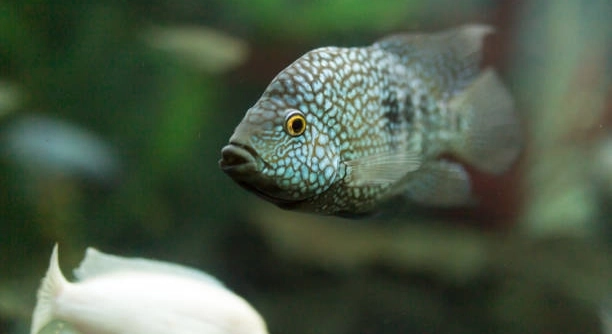
Are your Jack Dempsey fish looking less lively than usual? Changes in behavior, appearance, or appetite can signal that your fish is under stress or facing serious health issues in its tank environment.
Signs that a Jack Dempsey fish is dying often include lethargy, faded colors, loss of appetite, irregular swimming patterns, and labored breathing. Prompt identification and corrective action are critical to prevent further health decline and potential mortality.
Recognizing these warning signs early allows you to take steps that could improve your fish’s well-being and overall tank environment.
Common Physical Signs of a Dying Jack Dempsey
Changes in your Jack Dempsey’s appearance can be the first visible warning signs. Faded or dull coloration, frayed fins, and unusual spots on the body often indicate stress or illness. Swollen or bloated bellies can signal internal problems, while weight loss may show your fish is not eating properly. Cloudy eyes or a slimy coating on the skin can also be indicators of poor water conditions or infection. Observing these physical changes daily helps you spot issues early before they become life-threatening. Maintaining clean water and monitoring diet can reduce the risk of these conditions.
Keeping a close eye on color and fin condition allows you to act quickly if problems appear. Early intervention often improves recovery chances significantly.
Paying attention to physical changes is a straightforward method to understand your Jack Dempsey’s health. Small differences in appearance often point to larger issues that may need immediate attention.
Behavioral Changes to Watch For
Lethargy and hiding more than usual are common behavioral signs of a dying Jack Dempsey.
Behavioral shifts often accompany physical symptoms and provide insight into your fish’s stress levels. A normally active fish that suddenly avoids swimming, floats near the surface, or refuses food may be struggling internally. Erratic swimming, bumping into tank decorations, or rubbing against objects can signal irritation or disease. Changes in aggression levels toward tank mates also matter, as these fish are naturally territorial and shifts in behavior can indicate distress. Monitoring patterns over time gives you a clearer understanding of when intervention is needed, including water quality adjustments or dietary changes. A quick response can prevent worsening conditions.
Consistent observation of behavior helps detect underlying issues early. Combining physical and behavioral monitoring ensures you can provide timely care, supporting the overall health and longevity of your Jack Dempsey.
Water Quality and Tank Conditions
Poor water quality can quickly impact a Jack Dempsey’s health. High ammonia or nitrite levels, fluctuating pH, and low oxygen reduce vitality and make fish more susceptible to illness. Regular testing and water changes are essential for maintaining a stable environment.
Maintaining proper tank conditions is crucial for your Jack Dempsey. Water temperature should stay between 74°F and 81°F, while pH should remain around 6.5 to 7.5. Overcrowding increases stress and spreads disease quickly. Filtration must be efficient enough to handle waste buildup, and partial water changes help remove toxins. Consistent monitoring and small adjustments keep conditions stable, preventing sudden health declines. Avoid abrupt changes in water parameters, as this can shock your fish and trigger illness.
Even small lapses in tank maintenance can cause severe health issues. Ensuring consistent water quality, proper filtration, and suitable tank size supports your fish’s immune system and encourages normal behavior, keeping it active and healthy over time.
Diet and Feeding Habits
Improper diet is a leading factor in a Jack Dempsey’s declining health. Feeding low-quality food or overfeeding can weaken the immune system and cause digestive problems.
A balanced diet is critical. Jack Dempseys require high-protein foods, including pellets, frozen or live foods like shrimp and worms, to meet nutritional needs. Overfeeding can lead to bloating, constipation, and poor water quality, while underfeeding causes weight loss and lethargy. Feeding small portions two to three times daily ensures proper digestion and reduces waste. Rotating food types also provides essential vitamins and minerals. Observation of eating behavior helps identify problems early, as refusal to eat is often one of the first signs of illness.
Consistent, appropriate feeding supports health and vitality. Paying attention to appetite, portion sizes, and food quality helps prevent many issues that can lead to serious health decline in Jack Dempseys.
Signs of Illness
White spots, red streaks, or patches on the skin are clear indicators of illness. Fin rot and fungal infections often appear as frayed or discolored fins. Early detection is key to preventing worsening conditions.
Unusual swimming patterns, such as darting or floating sideways, often accompany physical symptoms. A combination of behavior changes and visible signs usually points to underlying health problems. Quick action improves the chances of recovery.
Stress Factors
Stress in Jack Dempseys can stem from overcrowding, aggressive tank mates, or sudden changes in water conditions. Stress weakens the immune system and makes them more prone to disease.
Preventative Measures
Maintaining stable water conditions, a balanced diet, and regular observation helps prevent illness. Clean tanks, consistent feeding, and careful monitoring reduce health risks.
FAQ
How can I tell if my Jack Dempsey is stressed?
Signs of stress include hiding more than usual, loss of appetite, frayed fins, faded colors, and unusual swimming patterns. They may also become more aggressive or avoid tank mates they usually tolerate. Stress often comes from poor water quality, overcrowding, or sudden changes in the tank environment.
What should I do if my fish stops eating?
Loss of appetite can indicate illness or poor water conditions. First, test the water for ammonia, nitrites, nitrates, and pH levels. Adjust temperature if needed and ensure the food is fresh and appropriate. Offering live or frozen protein-rich foods may encourage feeding.
How often should I change the water?
Partial water changes should be done weekly, usually around 20–30% of the tank volume. This helps remove toxins, keep ammonia levels low, and maintain oxygen levels. More frequent changes may be necessary for overcrowded tanks or if the fish shows signs of illness.
Can tank mates affect a Jack Dempsey’s health?
Yes. Aggressive or overly active tank mates can stress your fish. They may compete for food, territory, or hiding spots. Ensure compatible species and provide enough space and hiding areas to reduce stress and prevent injuries.
What are the most common diseases in Jack Dempseys?
Common issues include fin rot, ich (white spots), fungal infections, and internal parasites. These usually develop from poor water conditions, improper diet, or stress. Prompt treatment with medication and improved tank maintenance can often reverse early-stage diseases.
How do I treat fin rot or white spots?
Fin rot can be treated by cleaning the tank, doing partial water changes, and using antibacterial or antifungal medication. White spots (ich) require raising the water temperature slightly and using anti-parasitic treatments. Always follow medication instructions carefully to avoid overdosing.
What temperature is best for Jack Dempseys?
They thrive in water between 74°F and 81°F. Temperatures outside this range can stress them, weaken their immune system, and make them more prone to illness. Maintaining a stable temperature is more important than occasional minor adjustments.
How important is tank size?
Tank size directly affects health. A minimum of 55 gallons is recommended for one Jack Dempsey, with additional space for each extra fish. Larger tanks reduce aggression, improve water quality, and provide enough room for swimming and hiding.
Can diet prevent illness?
Yes. A high-protein diet with variety, including pellets, frozen, and live foods, supports the immune system and overall health. Avoid overfeeding, as excess food can pollute water and cause digestive problems. Rotating food types ensures they get essential nutrients.
How quickly should I act if my fish shows signs of illness?
Immediate action is critical. Isolate sick fish if possible, check water quality, and identify visible symptoms. Early intervention greatly increases recovery chances and helps prevent spreading disease to other tank inhabitants.
Is it normal for Jack Dempseys to change color?
Slight color changes can be normal, especially during breeding or when adjusting to a new tank. Sudden fading, dullness, or patchy colors often indicate stress, illness, or poor water conditions that require attention.
What are some long-term ways to keep my fish healthy?
Maintain stable water conditions, a balanced diet, proper tank size, and compatible tank mates. Regular observation, partial water changes, and attention to behavior and physical signs help catch issues early and prevent serious health problems.
Can stress shorten their lifespan?
Yes. Chronic stress weakens the immune system, makes fish more vulnerable to disease, and can shorten their lifespan significantly. Minimizing stress factors like sudden changes, overcrowding, or poor water quality is essential for long-term health.
How do I know if my Jack Dempsey is recovering?
Improved appetite, brighter coloration, normal swimming, and restored energy levels are signs of recovery. Physical healing of fins and reduced visible spots or swelling also indicate progress. Consistency in tank care and diet helps sustain recovery.
Are there signs that indicate it might be too late to save my fish?
Severe lethargy, persistent floating at the surface, extreme weight loss, or unresponsive behavior can signal critical decline. While some conditions can still be treated, these signs often indicate advanced illness that may be irreversible.
Can water changes alone improve health?
Partial water changes help maintain water quality, which supports health, but they are not a complete solution. Illness, parasites, or stress-related issues usually require targeted treatment and environmental adjustments in addition to water maintenance.
How do I prevent illness after recovery?
Continue consistent tank maintenance, observe behavior and physical signs, provide a balanced diet, and avoid overcrowding. Quarantining new fish and monitoring water parameters regularly reduces the risk of re-infection or recurring stress.
Are Jack Dempseys sensitive to sudden changes?
Yes. Rapid shifts in temperature, pH, or water chemistry can cause stress and trigger illness. Gradual adjustments and careful monitoring help them adapt without compromising health.
What equipment is essential for a healthy tank?
A reliable filter, heater, thermometer, and water testing kits are essential. Proper aeration, hiding spaces, and lighting tailored to fish needs also contribute to long-term health. Regular monitoring and maintenance of equipment prevent unexpected stress.
How can I tell if behavior changes are normal?
Observe patterns over time. Temporary changes during feeding, breeding, or tank rearrangement are often normal. Persistent lethargy, hiding, aggression, or erratic swimming usually indicates stress, illness, or environmental issues requiring intervention.
Can supplements help my Jack Dempsey?
Occasional vitamin or mineral supplements can support immune health, especially if diet is limited. Use only high-quality products recommended for cichlids, and avoid over-supplementing, which can harm water quality and fish health.
What is the best way to introduce new fish?
Quarantine new fish for at least two weeks before introducing them to the main tank. This prevents spreading disease and allows you to monitor for signs of stress or illness. Introduce slowly to reduce aggression and ensure proper acclimation.
How do I know if tank mates are causing stress?
Watch interactions carefully. Constant chasing, nipping, or hiding are signs that tank mates are causing stress. Separating aggressive fish or providing more space and hiding areas can reduce tension and improve overall health.
What’s the most common mistake owners make?
Neglecting regular water changes, overfeeding, ignoring behavioral changes, and overcrowding are common mistakes. These factors stress the fish, weaken immunity, and increase the risk of illness. Consistent care and attention prevent most avoidable problems.
How long can a Jack Dempsey live in good conditions?
With proper care, Jack Dempseys can live 8–12 years. Stable water conditions, balanced diet, sufficient tank space, and monitoring for illness are critical to achieving a full lifespan. Regular observation and intervention increase longevity.
Can stress from handling affect my fish?
Yes. Frequent or rough handling can cause injuries, weaken immunity, and increase susceptibility to disease. Limit direct interaction, and use gentle techniques when moving or treating fish. Handling should be minimal and deliberate.
Are behavioral and physical signs always linked?
Often, yes. Physical symptoms like faded color or frayed fins are usually accompanied by behavioral changes like lethargy or hiding. Monitoring both aspects provides a clearer picture of overall health and urgency for intervention.
How do I make my fish comfortable during illness?
Provide clean, stable water, proper temperature, hiding spots, and a stress-free environment. Isolate sick fish if necessary, offer suitable food, and monitor closely. Reducing stress supports immune response and improves recovery chances.
Can water additives help sick fish?
Some additives, like electrolytes or mild antibacterial treatments, can support recovery, but they are not substitutes for proper medication, diet, or water quality. Use carefully and follow product instructions to avoid harming the fish.
Is it normal for older Jack Dempseys to decline gradually?
Yes. Aging fish may slow down, lose some coloration, or become less active. Maintaining excellent care can slow decline, but natural aging will eventually affect energy, appetite, and overall vitality.
How important is observation for preventing deaths?
Observation is critical. Daily checks for changes in behavior, appearance, and feeding habits allow early intervention. Catching issues before they escalate greatly increases the chances of recovery and supports long-term health.
What’s the fastest way to improve health if water quality is poor?
Immediate partial water changes, testing and correcting chemical imbalances, and reducing overcrowding can quickly stabilize the environment. Follow up with proper diet and monitoring to support recovery.
Can tank decorations impact health?
Yes. Sharp or rough decorations can injure fins and skin. Overcrowded decorations limit swimming space and hiding areas, causing stress. Choosing smooth, appropriate decorations and providing space reduces risk of injury and stress.
How do I monitor recovery effectively?
Track appetite, swimming activity, coloration, and fin condition. Daily notes help identify progress or setbacks. Consistency in water quality, diet, and tank environment supports effective recovery.
When should I consult a professional?
If symptoms persist despite proper care, if disease progresses rapidly, or if you are unsure of the problem, consulting an experienced aquarist or veterinarian is recommended. Professional guidance improves treatment success and prevents further complications.
Are there environmental factors outside the tank that can affect my fish?
Yes. Room temperature fluctuations, vibrations, loud noises, and lighting changes can stress fish. Keeping the tank in a stable, low-traffic area helps maintain consistent conditions and supports overall health.
What role does oxygen play in health?
Adequate oxygen levels are essential for metabolism and overall well-being. Poor aeration can cause lethargy, gasping at the surface, and increase susceptibility to disease. Proper filtration and aeration maintain sufficient oxygen for active, healthy fish.
How long should I treat a sick Jack Dempsey?
Treatment duration depends on the illness and severity. Follow product instructions, monitor response daily, and continue until recovery signs are consistent. Stopping too early may cause relapse or incomplete recovery.
Can isolation stress the fish further?
Temporary isolation can reduce exposure to disease and aggression, but prolonged isolation without hiding spots may cause stress. Providing shelter and maintaining ideal conditions helps isolated fish stay comfortable.
How do I balance multiple care factors at once?
Address water quality, diet, stress, and tank environment together. No single factor ensures health alone. Regular observation, preventive measures, and consistent adjustments create the best conditions for recovery and long-term well-being.
What’s the most important takeaway?
Early detection, stable water, proper diet, and careful observation are key to preventing serious illness and supporting a long, healthy life for your Jack Dempsey. Consistency and attention are more effective than reactive treatments.
Caring for a Jack Dempsey fish requires attention to detail, patience, and consistency. These fish are sensitive to changes in their environment, and small issues can quickly turn into serious health problems if left unchecked. Observing your fish daily helps you notice even minor changes in behavior, coloration, or appetite. By monitoring these details, you can identify stress, illness, or discomfort early and take action before the problem worsens. Maintaining clean water, stable temperature, and proper tank conditions is the foundation of their well-being. Regular water testing and partial water changes remove harmful chemicals and toxins, keeping your fish comfortable and active.
A balanced diet plays an equally important role in supporting your Jack Dempsey’s health. High-quality protein, supplemented with occasional frozen or live foods, provides essential nutrients that strengthen the immune system and improve energy levels. Overfeeding or underfeeding can create long-term health issues, so sticking to proper portion sizes and a consistent feeding schedule is critical. Diet, combined with good tank conditions, ensures your fish has the energy to swim actively, maintain coloration, and resist disease. Paying attention to eating habits also allows you to detect early signs of illness, as a lack of appetite is often one of the first warning signs that something is wrong.
Stress management is another key factor in keeping your Jack Dempsey healthy. Stress can come from overcrowding, aggressive tank mates, poor water quality, or sudden environmental changes. Even minor stress over time can weaken the immune system, making the fish more susceptible to disease. Providing enough space, compatible companions, and stable conditions helps reduce stress and promotes natural behavior. Observation, proper diet, clean water, and careful attention to tank setup all work together to create a safe and supportive environment. Consistency and vigilance are the best tools to ensure your Jack Dempsey lives a long, healthy life, giving you the satisfaction of watching a strong and vibrant fish thrive.

Hello,
If you enjoy the content that we create, please consider saying a "Thank You!" by leaving a tip.
Every little bit helps us continue crafting quality advice that supports the health, happiness, and well-being of pets around the world, for pets of all shapes, sizes, and species.
We really appreciate the kindness and support that you show us!