
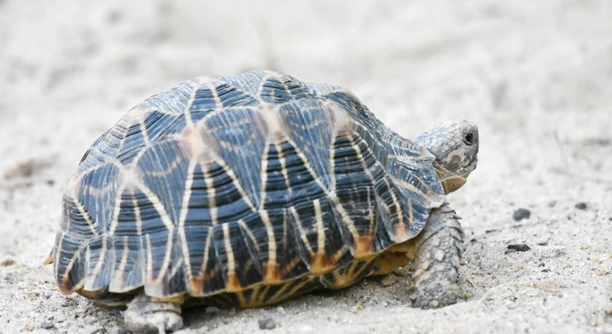
Indian Star Tortoises are fascinating creatures that require careful attention to their environment. Temperature is a key factor in their well-being. Knowing whether your tortoise is too hot or cold is essential to keeping it healthy and comfortable.
The simplest way to determine if your Indian Star Tortoise is too hot or cold is by monitoring its behavior and body condition. If your tortoise is lethargic or overly active, or showing signs of stress, temperature imbalance may be the cause.
Understanding the signs of temperature discomfort will help you create a better living space for your tortoise. Keep reading to discover how to spot these warning signs and ensure your tortoise thrives.
Recognizing Signs of a Too Hot Environment
When your Indian Star Tortoise is exposed to high temperatures, it can lead to stress and health issues. A common sign that your tortoise is too hot is if it becomes lethargic, stops eating, or hides in its shell for extended periods. Overheating can also cause your tortoise to breathe heavily or open its mouth often. You may notice it is more active during cooler times of the day, like early morning or evening, avoiding the heat of midday. Another indication is if it drinks excessively, trying to cool down its body temperature. A properly balanced temperature is key for your tortoise’s digestion and overall well-being.
If your tortoise shows any of these signs, check its habitat. A temperature over 90°F (32°C) is likely too high for your tortoise.
To address this, reduce the heat source. Consider adjusting the heat lamp or moving the tortoise to a cooler area of its enclosure. Consistently monitor the temperature and ensure there are cool spaces available for your tortoise to retreat to when necessary. A balanced environment, with both warm and cool areas, will help regulate your tortoise’s body temperature and prevent overheating. Keep in mind that the right temperature is important for your tortoise’s appetite, energy, and health.
Signs Your Tortoise May Be Too Cold
Cold temperatures can also harm your Indian Star Tortoise.
When your tortoise is too cold, it will often slow down or become very still. It may withdraw into its shell more frequently, seeking warmth. Cold environments can also lead to poor digestion, making your tortoise lose its appetite. If left in an overly chilly space, your tortoise may develop respiratory infections. To avoid this, ensure the temperature remains consistent, not dropping below 70°F (21°C), especially during the night.
Checking Temperature with a Thermometer
Using a thermometer is one of the most accurate ways to monitor the temperature in your tortoise’s enclosure.
Place thermometers at different spots in the habitat—one near the heat source and one in the cooler area. This allows you to see the temperature range your tortoise experiences throughout the day. Make sure to use a reliable, digital thermometer for more precise readings. Regular checks will help you maintain a comfortable environment for your tortoise, reducing the risk of overheating or chilling.
Temperature fluctuations can stress your tortoise. Keeping the temperature consistent throughout the day and night is key. If the area near the heat lamp becomes too warm, it might need adjusting, such as raising the lamp or using a lower wattage bulb. Remember, creating a gradient of heat, with both warm and cool areas, lets your tortoise move freely to where it feels most comfortable.
Signs of Stress from Extreme Temperatures
Extreme temperatures cause noticeable stress in your tortoise, which can impact its overall health.
When temperatures are too high or too low, you may see behavioral changes like a lack of appetite, excessive hiding, or changes in movement. A tortoise that’s stressed may withdraw into its shell for long periods, not interacting with its environment. Prolonged stress can lead to weaker immune systems and other health issues. If your tortoise seems sluggish or isn’t moving around much, it may be a sign that its living environment isn’t suitable for it right now.
Addressing this can be simple—adjusting the temperature of the habitat and ensuring the proper care and humidity levels are maintained can restore your tortoise’s comfort.
Temperature Preferences for Indian Star Tortoises
Indian Star Tortoises thrive in temperatures between 75°F and 90°F (24°C to 32°C).
To replicate their natural habitat, the warm spot should be around 85°F to 90°F (29°C to 32°C), while the cooler area should stay around 75°F (24°C). This range ensures your tortoise stays comfortable and healthy. Regularly checking these zones will help keep your tortoise’s environment optimal.
Adjusting Habitat Temperature
If you notice your tortoise is too hot or cold, adjusting the habitat temperature can be quick and effective.
For a cooler area, lower the heat lamp or provide more shade. To warm the environment, increase the heat source slightly but always avoid extreme temperature shifts. Consistency is key in maintaining a comfortable space for your tortoise.
FAQ
What temperature should I keep my Indian Star Tortoise at during the day?
During the day, the temperature should be kept between 80°F and 90°F (27°C to 32°C) in the basking area. The rest of the habitat should stay cooler, around 75°F (24°C). Providing a temperature gradient with a warm spot and a cooler area helps your tortoise regulate its body temperature by moving between the two areas as needed.
What happens if my Indian Star Tortoise is too hot?
If your tortoise gets too hot, it may become lethargic or refuse to eat. It might also drink excessively or breathe heavily. Prolonged exposure to high temperatures can cause dehydration or heat stress, which can be harmful to your tortoise’s health. Ensure there is always a cooler area available for your tortoise to retreat to when needed.
What happens if my tortoise is too cold?
When temperatures drop too low, your tortoise can become sluggish, stop eating, and hide more often. If left in cold conditions for too long, it may develop respiratory problems. A temperature below 70°F (21°C) is too low for most tortoises, and prolonged exposure could even lead to hibernation-like behavior, which is unhealthy.
Can I use a heat lamp to regulate the temperature?
Yes, a heat lamp is a great way to provide a basking area for your Indian Star Tortoise. Be sure to position the lamp above the warm area of the enclosure, but make sure it’s not too close to avoid overheating. Adjust the wattage of the bulb to match the size of the enclosure and the temperature needs of your tortoise.
How do I know if my tortoise is the right temperature?
Monitor your tortoise’s behavior. If it’s active, eating regularly, and moving around, the temperature is likely right. If your tortoise is lethargic, hiding too much, or not eating, it may be too hot or too cold. Checking the temperature with a thermometer will provide more accurate readings.
Can my Indian Star Tortoise tolerate humidity?
Yes, but it’s important to monitor humidity levels to avoid overly damp conditions. A humidity range of 50% to 60% is ideal for your tortoise. Too much humidity can cause respiratory issues, while too little can lead to dehydration. Regularly misting the enclosure or using a humidifier can help keep the humidity at the right level.
How do I adjust the temperature in my tortoise’s enclosure?
To lower the temperature, adjust the position of the heat lamp or use a lower wattage bulb. To increase warmth, move the lamp closer to the basking area or increase the wattage. Always monitor the temperature with a reliable thermometer to ensure you’re not making drastic changes.
What should I do if my tortoise shows signs of overheating or chilling?
If your tortoise shows signs of being too hot or cold, move it to a more comfortable area. For overheating, provide water, and turn off the heat source until the temperature normalizes. For cold conditions, you can adjust the heat source to raise the temperature, but ensure a gentle increase.
Is it okay for the temperature to fluctuate throughout the day?
It’s natural for the temperature to fluctuate slightly throughout the day, especially if you’re using natural sunlight and a heat lamp. However, sudden or drastic temperature changes should be avoided. A steady range within the recommended limits helps your tortoise remain healthy. Use a thermometer to monitor any changes.
Can I use an under-tank heater for my tortoise’s enclosure?
An under-tank heater can be useful for providing warmth, especially in cooler climates. However, it is important to ensure that the substrate doesn’t get too hot. Using an under-tank heater along with a heat lamp can help create the right temperature gradient for your tortoise to move between.
What should I do if the temperature in my tortoise’s enclosure gets too high at night?
If your tortoise’s enclosure is too hot at night, reduce the heat source. Tortoises typically need cooler temperatures at night, so turning off the heat lamp or lowering the wattage can help prevent overheating. Keep a thermometer in place to monitor nighttime temperatures and make sure they remain between 70°F and 75°F (21°C to 24°C).
How do I know if my Indian Star Tortoise is sick from temperature stress?
Signs that your tortoise is sick due to temperature stress include lethargy, loss of appetite, breathing difficulties, or abnormal behavior. If your tortoise isn’t eating or drinking, or if it is constantly hiding in its shell, temperature could be the issue. Always consult a vet if you suspect your tortoise is unwell.
What is the best way to maintain a stable temperature for my tortoise?
To maintain a stable temperature, use a reliable thermometer and make adjustments as needed. Ensure your tortoise’s habitat has a heat source, but also a cooler area for it to escape to. Regularly check both areas and adjust the heat source to maintain the ideal temperature gradient.
How can I prevent my tortoise from getting too cold during the winter?
To prevent your tortoise from getting too cold in the winter, make sure its enclosure is in a warm room, away from drafts or windows. Using a space heater or heat lamp can help maintain warmth. Also, avoid placing your tortoise in areas with drastic temperature changes or unregulated heating.
Can I use ceramic heat emitters instead of a heat lamp?
Ceramic heat emitters can be used as an alternative to heat lamps. They provide consistent warmth without light, which some tortoises may prefer. Just make sure the heat emitter doesn’t overheat the habitat, and always monitor the temperature to ensure it remains within the correct range for your tortoise.
It’s important to create a stable environment for your Indian Star Tortoise, especially when it comes to temperature. If the temperature in its enclosure isn’t right, your tortoise may become stressed or even sick. Monitoring both the heat and the cooler areas in the habitat is essential for keeping your tortoise comfortable. By understanding the signs of overheating or being too cold, you can make adjustments before things get worse. With the right temperature, your tortoise will thrive and stay healthy.
One of the best ways to manage temperature is by using thermometers placed in different areas of the enclosure. This gives you a clear picture of the environment your tortoise is experiencing throughout the day. Regular checks will help you spot any issues early on. Remember, temperature gradients are key—allowing your tortoise to move to a warmer or cooler spot based on its needs. Creating a balanced habitat will support not just its physical health, but also its overall well-being.
Finally, always be mindful of the signs your tortoise is giving you. If it’s acting out of character, not eating, or hiding too much, temperature might be the issue. Adjusting the temperature or moving the tortoise to a more comfortable area can quickly make a difference. A small change can lead to big improvements in how your tortoise feels and behaves. Keeping a stable and well-monitored environment is one of the best things you can do for your pet’s long-term health.

Hello,
If you enjoy the content that we create, please consider saying a "Thank You!" by leaving a tip.
Every little bit helps us continue crafting quality advice that supports the health, happiness, and well-being of pets around the world, for pets of all shapes, sizes, and species.
We really appreciate the kindness and support that you show us!