
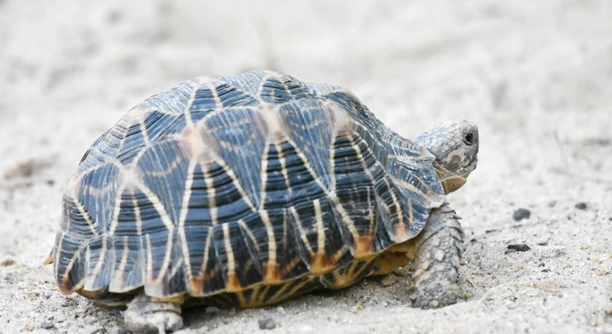
If you have an Indian Star Tortoise, keeping an eye on its health is essential. These tortoises can show subtle signs of illness, and knowing what to look for can help you provide the best care possible.
Indian Star Tortoises may show several symptoms when they are unwell. Common signs of illness include changes in eating habits, lethargy, abnormal behavior, and unusual shell or skin conditions. Early detection of these symptoms can ensure proper treatment.
Recognizing these symptoms early can make a difference in your tortoise’s well-being. Understanding their health signs will guide you in maintaining their overall care and quality of life.
7 Symptoms of an Unwell Indian Star Tortoise
When your Indian Star Tortoise becomes sick, its behavior and physical appearance can change. Some common signs include a loss of appetite, unusual lethargy, and changes in its shell or skin. These changes may seem subtle at first, but they are important indicators of your tortoise’s health. A lack of movement or interaction, along with a refusal to eat, can signal a serious issue. If left untreated, these conditions can worsen, leading to further complications. Therefore, it is crucial to act quickly when you notice anything out of the ordinary.
Your tortoise may also show signs of respiratory problems such as wheezing, open-mouth breathing, or nasal discharge. These are often caused by infections and require immediate attention. Another sign of illness can be a shell that becomes soft or discolored, which could indicate nutritional deficiencies or infections. Keeping track of your tortoise’s behavior and appearance is vital for early intervention.
A dehydrated tortoise may appear sluggish and weak. Inadequate hydration can lead to digestive problems and a weakened immune system. Make sure your tortoise has access to clean, fresh water at all times to prevent this.
Causes Behind the Symptoms
Dehydration and poor diet are often the main reasons behind these symptoms. Without enough hydration or proper nutrients, your tortoise’s body starts to weaken, and its immune system may struggle to fight off infections. Sometimes, an environmental change, such as too much humidity or extreme temperatures, can also contribute to illness. If your tortoise is housed in a tank or enclosure, check that the conditions are appropriate for its needs.
Infections are another significant cause of illness, particularly respiratory and shell infections. These can be contracted through unsanitary conditions, improper diet, or exposure to drafts. Keeping the living environment clean and ensuring your tortoise gets the right food is the best way to avoid this. A balanced diet rich in calcium and vitamins is essential for healthy shell growth and overall well-being.
Loss of Appetite
One of the earliest signs that something may be wrong is a sudden loss of appetite. If your tortoise stops eating, it can be a sign of stress, illness, or an environmental issue. Monitor how often it’s eating, and if the behavior continues for a few days, take action.
A tortoise that stops eating could be suffering from a number of issues, ranging from an infection to digestive problems. Sometimes, stress from a change in environment or temperature may cause it to refuse food. If the problem persists, check its enclosure for temperature inconsistencies or improper humidity levels. Additionally, make sure your tortoise’s diet includes a balance of fresh vegetables, grasses, and calcium to support its health.
It’s important to note that a lack of appetite may also indicate that your tortoise is feeling unwell in ways that are not immediately visible. Keeping an eye on its behavior and eating patterns will help you catch the issue before it becomes a more serious concern.
Lethargy
If your tortoise is unusually sluggish, this could be a sign of illness or poor living conditions. When healthy, Indian Star Tortoises are generally active, so a decrease in movement should not be ignored.
Lethargy can result from several factors. Low temperatures in the enclosure can cause your tortoise to become sluggish, as tortoises are cold-blooded animals and rely on warmth for energy. It could also indicate an underlying health issue, such as an infection or nutritional deficiency. Monitor your tortoise’s energy levels and ensure that its living environment is at the proper temperature, usually between 75-85°F (24-29°C).
If lethargy continues, it may be a sign of dehydration or another internal problem. If your tortoise isn’t responding to warmth and dietary changes, it’s time to consult with a veterinarian to rule out more serious conditions.
Shell Issues
Changes to your tortoise’s shell, such as softness, discoloration, or visible damage, should never be ignored. The shell is a critical part of its health, and any abnormalities could indicate serious problems.
A soft or damaged shell can be caused by nutritional deficiencies, lack of calcium, or poor living conditions. It may also point to an infection. If the shell appears misshapen or has soft spots, make sure your tortoise’s diet is rich in calcium and vitamin D3. In addition, check that the humidity and temperature in its habitat are suitable for its needs. If the problem persists, take your tortoise to a veterinarian for a thorough check-up.
A healthy shell should be hard, strong, and free of cracks or holes. Regularly inspect your tortoise’s shell to ensure it remains in top condition. If you notice any concerning changes, act quickly to avoid long-term damage.
Abnormal Breathing
If your tortoise is breathing through its mouth, wheezing, or showing nasal discharge, it could have a respiratory infection. These conditions require immediate attention to prevent further complications.
Respiratory issues can result from improper humidity levels, poor diet, or exposure to drafts. Make sure your tortoise’s enclosure is clean, dry, and free of drafts. A warm, dry environment can help prevent respiratory infections. If you notice symptoms such as wheezing or labored breathing, it’s best to take your tortoise to a vet immediately for proper diagnosis and treatment.
Lack of Movement
If your tortoise isn’t moving as much as usual, it could be a sign of illness. A healthy Indian Star Tortoise is generally quite active, so a decrease in movement should be addressed promptly.
Lack of movement can indicate several underlying issues. It may be caused by dehydration, stress, or illness. Sometimes, it’s a result of an inappropriate habitat, such as incorrect temperature or humidity. If your tortoise’s environment is not optimal, it may become lethargic and unwilling to move. Monitor its behavior and make sure its living conditions match its needs. If movement doesn’t improve, consult a veterinarian to identify any potential health problems.
FAQ
How can I tell if my Indian Star Tortoise is dehydrated?
Dehydration in an Indian Star Tortoise can be difficult to spot at first, but common signs include sluggishness, a dry or cracked shell, and a lack of appetite. You may also notice that your tortoise’s skin appears wrinkled. Providing fresh water daily and ensuring your tortoise has access to a shallow dish of water is essential for preventing dehydration. If you suspect dehydration, increase humidity in the enclosure and encourage drinking by placing water droplets on the tortoise’s nose or in the mouth.
What should I do if my tortoise stops eating?
If your tortoise stops eating, the first step is to assess its environment. Ensure the temperature and humidity are correct and that it has access to fresh food daily. If the environment is fine and the tortoise continues to refuse food for several days, it may be experiencing stress, illness, or discomfort. You should try offering a variety of foods, such as leafy greens or vegetables, and avoid overfeeding high-oxalate foods. If the refusal to eat continues, a visit to the vet is recommended to rule out medical issues.
Can my tortoise get sick from poor lighting?
Yes, poor lighting can lead to several health problems for your tortoise, especially if it does not receive enough UVB light. UVB lighting is crucial for the synthesis of vitamin D3, which helps your tortoise absorb calcium. Without it, your tortoise may develop metabolic bone disease, leading to weak bones and shells. Ensure that your tortoise has access to proper UVB lighting for about 12 hours a day. If you’re unsure whether the lighting is adequate, a quick check with a UVB meter can help you confirm.
How can I treat respiratory problems in my Indian Star Tortoise?
Respiratory issues are a serious concern for tortoises. If you notice signs such as wheezing, nasal discharge, or open-mouth breathing, you should take your tortoise to a vet immediately. Respiratory problems are often caused by bacterial infections, improper temperature, or humidity levels. Your vet may prescribe antibiotics or other treatments. In the meantime, ensure your tortoise’s environment is warm and free from drafts, as cold stress can worsen respiratory conditions.
Why is my tortoise’s shell turning soft?
A soft shell is often caused by a lack of calcium or improper lighting. Calcium is essential for strong, healthy shells, and without enough, the shell may become soft and prone to damage. If you notice this, adjust your tortoise’s diet to include calcium-rich foods and consider adding a calcium supplement. Additionally, ensure your tortoise has access to UVB lighting to help with calcium absorption. If the softening continues despite these changes, consult a vet, as it may indicate a more serious issue.
How can I keep my tortoise’s enclosure clean?
A clean enclosure is vital for your tortoise’s health. To keep it clean, spot clean daily by removing leftover food, waste, and bedding that is soiled. Clean the entire enclosure weekly with a safe, non-toxic disinfectant. Regularly change the bedding material and check for mold or mildew, which can cause respiratory issues. Also, ensure that food and water dishes are cleaned frequently to prevent bacterial growth. A clean environment will help prevent infections and keep your tortoise healthy.
What are the signs that my tortoise has an infection?
Infections in tortoises can present with a variety of symptoms, including swelling, unusual discharge from the eyes, nose, or mouth, changes in behavior (such as lethargy or loss of appetite), and shell abnormalities. If you notice any of these symptoms, it’s important to take your tortoise to a vet as soon as possible. Infections can spread quickly and cause serious health problems if not addressed early.
How often should I bathe my Indian Star Tortoise?
Bathing your Indian Star Tortoise can help with hydration, as it encourages drinking and supports the shedding process. It’s recommended to give your tortoise a warm bath 1-2 times per week, especially if the weather is dry or if it is showing signs of dehydration. Always supervise the bath to ensure your tortoise doesn’t become too cold. Afterward, dry it off gently and return it to its enclosure.
Can my tortoise live with other animals?
Indian Star Tortoises are generally solitary animals and can become stressed if housed with others, especially with species that are larger or more aggressive. It is best to house them alone to avoid territorial disputes. If you do choose to house multiple tortoises, ensure they have ample space to avoid conflict. Never house them with animals that could harm them, such as dogs or other reptiles that might carry diseases.
What is the best diet for my Indian Star Tortoise?
A proper diet is crucial for the health of your Indian Star Tortoise. A mix of leafy greens, grasses, and flowers should make up the bulk of their diet. You can also offer vegetables like carrots and squash in moderation. It’s important to avoid feeding them high-protein foods such as meat or dairy, as this can lead to kidney problems. Calcium-rich foods like dandelion greens are also essential for a strong shell. Additionally, providing calcium supplements or a cuttlebone can help ensure they receive the necessary nutrients for healthy shell growth.
Final Thoughts
Taking care of an Indian Star Tortoise requires attention to detail and a commitment to providing the best environment for its health and well-being. Ensuring proper temperature, humidity, and lighting is crucial for keeping your tortoise healthy. A well-maintained enclosure and a balanced diet play key roles in preventing common health issues. By being observant of your tortoise’s behavior and physical appearance, you can spot early signs of illness and address them before they become serious.
Regular care routines, such as providing fresh food and water, as well as checking for signs of dehydration or illness, help create a stable environment for your tortoise. Offering a variety of food, ensuring adequate UVB lighting, and maintaining a clean habitat are simple steps that go a long way in supporting your tortoise’s overall health. It’s also essential to consult a vet if any symptoms of illness arise, as early intervention can prevent complications.
In the long run, understanding the needs of your Indian Star Tortoise will allow you to enjoy many years together. These tortoises can live a long time with the right care. Regular health checkups and careful observation of their behavior will help you maintain their well-being. Following these guidelines and being mindful of their needs will ensure your tortoise remains healthy and happy for many years to come.

Hello,
If you enjoy the content that we create, please consider saying a "Thank You!" by leaving a tip.
Every little bit helps us continue crafting quality advice that supports the health, happiness, and well-being of pets around the world, for pets of all shapes, sizes, and species.
We really appreciate the kindness and support that you show us!