
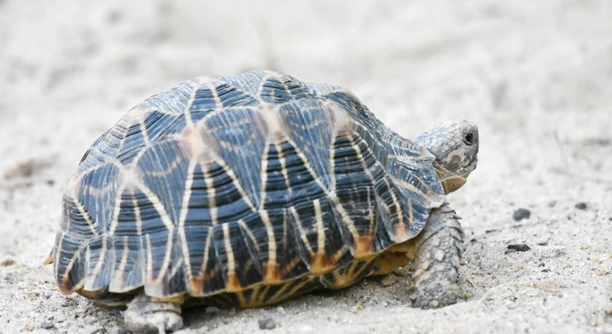
Do you have an Indian star tortoise and wonder if it might be pregnant?
To determine if your Indian star tortoise is pregnant, look for several signs including changes in behavior, appetite, and physical appearance. These indicators can help you assess if your tortoise is expecting eggs.
Understanding these signs can help you ensure your tortoise is properly cared for during pregnancy. Keep reading to learn more about what to look for.
Change in Appetite
When a female Indian star tortoise is pregnant, you may notice a sudden shift in her eating habits. She might eat more or less than usual, depending on how her body is adjusting. If she’s pregnant, she may seem hungrier, trying to build energy for the developing eggs. On the other hand, some tortoises eat less if they feel discomfort or stress from the pregnancy. This can make it hard to pinpoint pregnancy based on appetite alone, but it’s a good sign if her eating patterns are noticeably different from her usual behavior.
It’s important to keep offering her balanced food during this time, regardless of her appetite changes. Healthy food supports her well-being and the development of the eggs.
If you observe her nibbling more on her meals, she could be compensating for the added nutritional needs of pregnancy. Be sure to provide fresh greens, fruits, and occasional protein sources like insects to meet her dietary needs. If her appetite decreases, she may not feel well or might be preparing to lay eggs soon.
Behavioral Changes
Pregnant Indian star tortoises may show behavioral changes, such as becoming more withdrawn or less active than usual. Some may seek out quiet, dark places to rest more frequently. These behaviors are linked to her natural instincts, as she looks for a safe space to relax and prepare for laying eggs.
You may also notice a slight increase in digging or scratching behaviors, as she may begin preparing a nesting area. This is a normal instinct for pregnant tortoises, and it’s important to provide her with a suitable space to exhibit these behaviors.
If she’s behaving differently, such as showing more agitation or curiosity, it could be due to hormonal shifts. This is part of the natural process as she gets ready for the egg-laying phase. Keeping her environment calm and stable will help ease any stress.
Physical Changes
Pregnancy can lead to visible physical changes in your tortoise’s body. One of the first signs is her increasing size, especially around the abdominal area. As the eggs develop, her body will appear fuller. You may notice a slight roundness around her midsection that wasn’t present before.
This physical change is noticeable when you compare her to her previous size and shape. It’s crucial to monitor this closely, as a sudden swelling could indicate that she’s carrying eggs. If you’re unsure, consult a vet to ensure she’s not facing any complications. Regular observation will help confirm whether she’s pregnant.
Ensure that she has access to enough space and a proper diet. Stress from being in a confined area or lacking nutrients could lead to complications, so a healthy environment is vital for her well-being during this time.
Increased Nesting Behavior
As your tortoise nears the time to lay her eggs, she may begin exhibiting nesting behavior. This includes digging in her enclosure to create a place for the eggs to be laid. You may see her spending more time in one specific area, repeatedly digging or pushing the substrate around.
Providing her with a proper nesting area is crucial. A deep, loose substrate like sand or soil will allow her to dig comfortably. Make sure there are no obstacles, and that the area is quiet to prevent unnecessary stress while she prepares to lay her eggs.
Changes in Shell Appearance
During pregnancy, the shell of a female Indian star tortoise may appear slightly stretched or larger than usual. This is caused by the internal growth of eggs, which pushes against her shell. You may notice a change in the shape of the shell, though it may not be drastic.
It’s essential to keep an eye on her shell’s condition, ensuring there are no cracks or injuries. A healthy shell is a sign of good overall health and proper egg development. If you see any unusual growths or issues, a visit to the vet might be necessary.
FAQ
How can I tell if my Indian star tortoise is pregnant?
You can tell if your tortoise is pregnant by observing her behavior, appetite, and physical changes. Look for signs such as increased hunger, more frequent digging, changes in her activity level, and a swollen abdomen. These are common indicators that she is carrying eggs. Pay attention to any sudden behavioral shifts, like a preference for solitude or rest, and monitor her size over time to confirm if she is pregnant.
How long is the pregnancy period for an Indian star tortoise?
The pregnancy period for an Indian star tortoise can last from 60 to 90 days. During this time, the female will gradually become rounder as the eggs grow inside her. The exact length of the pregnancy can vary based on factors like temperature, diet, and overall health. It’s important to be patient and provide her with a stable and stress-free environment to support a healthy pregnancy.
What should I feed a pregnant Indian star tortoise?
A pregnant Indian star tortoise should be fed a balanced diet rich in fiber and calcium. Offer a variety of leafy greens like dandelion greens, collard greens, and turnip greens. Include some fruits in moderation, like strawberries and apples, and provide occasional protein sources, such as insects or earthworms. Make sure she has access to a calcium supplement to support healthy egg production. Proper nutrition is essential for her health and the development of her eggs.
Can I handle my pregnant Indian star tortoise?
It’s best to limit handling of a pregnant tortoise to reduce stress. Excessive handling can cause anxiety, which may impact her health and the development of her eggs. If you must handle her, do so gently and with care. Ensure that her environment remains calm, and avoid any actions that might cause her to feel threatened or unsafe.
What type of nesting area does my pregnant tortoise need?
Provide a deep, loose substrate for nesting, such as a mix of sand and soil. This will allow her to dig comfortably and create a proper place for laying eggs. The nesting area should be quiet, private, and free from disturbances. Make sure the area is large enough for her to move around, and check that the temperature and humidity levels are appropriate for egg-laying.
When will my tortoise lay eggs?
Your tortoise will lay her eggs once she has fully developed them inside her. This typically occurs towards the end of her pregnancy, once she has found a suitable nesting site. Some tortoises may lay eggs without external fertilization, meaning she may lay infertile eggs. If she is kept with a male, the eggs may be fertile and hatch after incubation.
Can my tortoise lay eggs without a male?
Yes, female Indian star tortoises can lay eggs without mating with a male. This is called laying infertile eggs, which means the eggs will not hatch. Female tortoises can lay eggs regardless of whether they have been bred or not, so you may still notice egg-laying behavior even if there has been no mating.
What should I do if my tortoise is not digging or showing nesting behavior?
If your tortoise is not displaying nesting behavior, it may not be ready to lay eggs. Ensure she has a suitable environment with proper substrate for digging. Sometimes, it may take longer for a tortoise to feel comfortable enough to lay her eggs. If there is no sign of egg-laying or nesting behavior after a while, consult a veterinarian to ensure there are no underlying health issues.
How can I ensure a smooth egg-laying process for my tortoise?
To support a smooth egg-laying process, make sure your tortoise has a suitable nesting area, proper diet, and a stress-free environment. Avoid handling her too much and keep her enclosure temperature and humidity within the recommended range. Provide her with enough space to dig and lay her eggs naturally. After she lays the eggs, remove them from her enclosure to avoid accidental damage or stress.
Should I be worried if my tortoise looks lethargic during pregnancy?
It’s normal for a pregnant tortoise to become less active as her body adjusts to the pregnancy. However, if she seems excessively lethargic or shows signs of distress, it’s important to monitor her closely. A lack of appetite, difficulty moving, or extreme lethargy could be a sign of a health issue. In such cases, it’s best to contact a veterinarian to rule out any complications.
How can I tell if my tortoise is egg-bound?
An egg-bound tortoise may appear lethargic, have difficulty walking, or exhibit signs of abdominal swelling. If you notice these symptoms and suspect your tortoise is egg-bound, it’s essential to seek veterinary care immediately. Egg-binding occurs when the eggs are not laid properly, and it can be dangerous for her health. A vet can assist with the safe removal of the eggs if necessary.
Final Thoughts
Caring for a pregnant Indian star tortoise requires attention to her behavior, physical changes, and overall well-being. Watching for signs such as increased appetite, nesting behavior, and changes in her body can help you determine if she is expecting. It’s important to be patient and observe her closely during this time. The pregnancy period can last several months, and being prepared will help ensure that both the mother and any potential hatchlings are well cared for.
Providing the right environment is key. Your tortoise needs a calm, quiet space where she can feel safe and secure. A proper nesting area with deep, loose substrate will allow her to dig and prepare for laying her eggs. Ensuring she has access to a balanced diet rich in calcium, fiber, and other nutrients will help her stay healthy throughout the pregnancy. If she shows signs of discomfort, stress, or behavioral changes, it’s crucial to monitor her closely and consult a veterinarian if needed.
Ultimately, pregnancy in Indian star tortoises is a natural process, but it requires extra care and attention. Understanding the signs, providing the right conditions, and ensuring she is well-fed and stress-free will help your tortoise through this important stage of her life. Whether you are dealing with an expected clutch of eggs or just keeping an eye out for any changes, being prepared will help you give your tortoise the best care possible.

Hello,
If you enjoy the content that we create, please consider saying a "Thank You!" by leaving a tip.
Every little bit helps us continue crafting quality advice that supports the health, happiness, and well-being of pets around the world, for pets of all shapes, sizes, and species.
We really appreciate the kindness and support that you show us!