
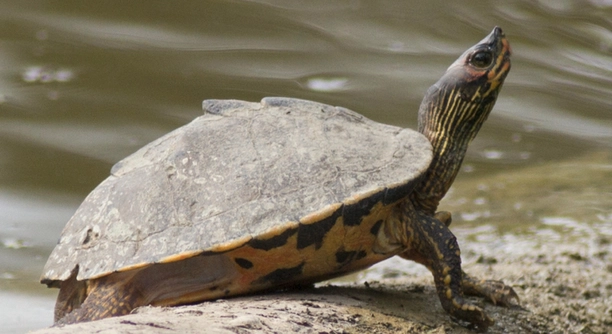
Is your Indian roofed tortoise spending too much time in the shade? Sunlight is essential for its overall health and well-being. Without enough exposure, it may develop health issues that can affect its shell, metabolism, and overall activity levels.
The most reliable way to determine if your Indian roofed tortoise needs more sunlight is by observing its behavior and shell condition. A lack of sunlight can lead to sluggishness, poor appetite, and shell softening due to insufficient vitamin D3 production and calcium absorption.
Recognizing these signs early can help prevent serious health issues. Understanding the importance of proper sun exposure ensures your tortoise stays healthy and active in its environment.
Signs Your Indian Roofed Tortoise Needs More Sunlight
Indian roofed tortoises rely on sunlight for essential bodily functions. If they do not receive enough, you may notice sluggish movement, reduced appetite, or increased hiding behavior. A lack of UVB exposure can also cause shell softening, making it more vulnerable to deformities. Sunlight is crucial for vitamin D3 synthesis, which helps with calcium absorption. Without it, tortoises can develop metabolic bone disease, leading to weakness and difficulty moving. Observing their activity levels, eating habits, and shell condition can help determine if they need more time in the sun.
Tortoises that do not receive proper sunlight may also show signs of dull or uneven shell coloration. Inadequate UVB exposure can weaken their immune system, making them more prone to infections. Providing an appropriate balance of direct sunlight and shade is key to maintaining their overall health.
If your tortoise remains inactive for long periods or refuses food, it may not be getting enough sunlight. Some may bask for extended periods, indicating they are trying to compensate for insufficient UVB exposure. Examining their shell texture, monitoring their weight, and ensuring they have access to natural sunlight or a proper UVB lamp can help prevent long-term health problems.
How to Provide Proper Sunlight Exposure
A simple way to ensure your tortoise gets enough sunlight is by creating an outdoor basking area. Position it where they can access direct sunlight for several hours daily while also having a shaded spot to cool down when needed.
For indoor setups, a high-quality UVB lamp is essential. The light should mimic natural sunlight and cover a large portion of their enclosure. Replace the bulb every six months, as UVB output decreases over time. Position it within 12 inches of their basking area to maximize effectiveness.
When setting up an outdoor space, make sure it is secure and free from potential dangers like predators. The area should include a shallow water dish, rocks, and hiding spots to create a comfortable environment. If your climate is cold or overcast, supplementing with artificial UVB lighting ensures they still receive the necessary exposure. Regularly check their shell condition and activity levels to adjust their sunlight access as needed. Proper exposure keeps your tortoise healthy, active, and thriving.
Risks of Insufficient Sunlight
Without proper sunlight, an Indian roofed tortoise may struggle with weakened bones, reduced mobility, and an increased risk of metabolic bone disease. A lack of UVB exposure can also weaken the immune system, making it more susceptible to infections and other health complications over time.
A tortoise deprived of sunlight may show signs of lethargy, poor appetite, and slow growth. Shell deformities can develop, leading to an uneven or softened shell structure. Long-term vitamin D3 deficiency can cause severe health problems, including weak limbs and difficulty walking. If left unaddressed, these issues can become irreversible, severely impacting the tortoise’s quality of life. Preventing these problems requires consistent exposure to natural sunlight or an appropriate UVB lamp.
Tortoises that do not get enough sunlight may also experience changes in digestion and metabolism. They may struggle to process calcium, leading to brittle bones and potential fractures. In extreme cases, sunlight deprivation can shorten their lifespan. Regular monitoring of their activity levels, appetite, and shell condition helps ensure they receive enough exposure. Adjusting their environment to provide consistent UVB lighting and outdoor basking opportunities will help maintain their overall health and prevent long-term complications.
Best Practices for Sunlight Exposure
A tortoise should receive at least five hours of direct sunlight daily. If outdoor conditions are not ideal, a high-quality UVB lamp should be used to ensure they receive the necessary exposure. Position the lamp properly to maximize its effectiveness.
For outdoor enclosures, place the basking area in a location that gets plenty of sunlight but also provides access to shade. Ensure the area is free from obstructions like glass or plastic, which can block UVB rays. Rotate their enclosure periodically to maintain consistent exposure throughout the day. During colder months, supplementing with artificial lighting helps maintain proper vitamin D3 levels.
For indoor enclosures, use a UVB lamp with a strength of at least 10%. Position it close to the basking spot without any barriers that could reduce its effectiveness. Regularly replace the bulb to prevent a decline in UVB output. Monitor the tortoise’s behavior and shell condition to determine if any adjustments are necessary. A well-balanced combination of natural and artificial light will help maintain their health and ensure they thrive.
Choosing the Right UVB Lamp
A UVB lamp should provide at least 10% UVB output to mimic natural sunlight. Position it within 12 inches of the basking area for maximum effectiveness. Replace the bulb every six months, as UVB intensity diminishes over time, even if the light still appears functional.
Avoid placing any barriers, such as glass or plastic, between the lamp and the tortoise. These materials can block UVB rays, reducing their benefits. Use a lamp designed for reptiles, ensuring it covers a wide area of the enclosure. Consistently monitor your tortoise’s behavior to confirm it is receiving enough exposure.
Adjusting Sunlight Based on Seasons
During winter, natural sunlight may not be sufficient, requiring extended use of a UVB lamp. Increase artificial lighting hours to maintain consistent vitamin D3 levels. If possible, provide outdoor exposure on sunny days, even if temperatures are lower, while ensuring a warm basking spot is available.
Monitoring Your Tortoise’s Health
Watch for signs of shell softening, sluggish movement, or a decrease in appetite. These may indicate insufficient UVB exposure. Regularly check their activity levels and feeding habits to ensure they are maintaining strong bones and a healthy metabolism. Making adjustments as needed will help prevent long-term health problems.
FAQ
How many hours of sunlight does an Indian roofed tortoise need daily?
An Indian roofed tortoise requires at least five hours of direct sunlight each day to maintain healthy bones and a strong immune system. If natural sunlight is unavailable, a high-quality UVB lamp should be used for 10–12 hours daily to provide sufficient exposure.
Can artificial UVB lighting fully replace natural sunlight?
While artificial UVB lighting helps prevent deficiencies, it cannot completely replace natural sunlight. Sunlight provides a full spectrum of UV radiation, which benefits a tortoise’s overall health. However, in indoor enclosures or during colder months, a UVB lamp is necessary to ensure proper vitamin D3 synthesis.
What happens if a tortoise does not get enough UVB exposure?
A lack of UVB exposure can lead to metabolic bone disease, causing weak bones, shell deformities, and mobility issues. Other symptoms include lethargy, poor appetite, and slow growth. Long-term deficiency can result in irreversible damage and a weakened immune system, making the tortoise more prone to illness.
How can I tell if my UVB lamp is effective?
UVB bulbs lose intensity over time, even if they appear functional. Replace them every six months to maintain effectiveness. Using a UVB meter can help measure output, ensuring your tortoise receives adequate exposure. Additionally, observe your tortoise for signs of strong shell growth and healthy activity levels.
Can my tortoise get UVB through a glass window?
No, UVB rays do not pass through glass or plastic. If your tortoise is housed indoors, placing its enclosure near a window will not provide the necessary UVB exposure. Use a UVB lamp and ensure there are no barriers between the light source and the basking area.
What is the best placement for a UVB lamp in an indoor enclosure?
Position the UVB lamp within 12 inches of the basking area to ensure proper absorption. Avoid using mesh or barriers that could block the rays. The light should be placed at an angle that mimics natural sunlight, allowing the tortoise to absorb UVB efficiently while basking.
Should I adjust UVB exposure during different seasons?
Yes, adjustments may be needed. During winter, natural sunlight may not be sufficient, requiring longer use of artificial UVB lighting. In summer, outdoor basking opportunities should be maximized, ensuring the tortoise gets the full benefits of natural sunlight while also having shaded areas available.
Is too much UVB exposure harmful?
Excessive UVB exposure can cause eye irritation and skin damage. Ensure your tortoise has access to shaded areas where it can regulate its exposure. Using a properly rated UVB lamp and maintaining a balanced light cycle will prevent any potential overexposure issues.
What are signs that my tortoise is getting enough sunlight?
A healthy tortoise will have a strong, smooth shell, an active demeanor, and a good appetite. It will bask regularly but also move around its enclosure comfortably. If your tortoise shows normal eating habits and steady growth, it is likely receiving sufficient UVB exposure.
How can I encourage my tortoise to bask more?
Ensure the basking area is warm and easily accessible. Place a flat rock or log under the light to create an inviting spot. If your tortoise avoids basking, check the temperature and positioning of the lamp, making adjustments as needed to create a comfortable environment.
Final Thoughts
Providing adequate sunlight or UVB lighting for your Indian roofed tortoise is essential for its health. Without proper exposure, it may develop serious health problems, including metabolic bone disease and weakened immunity. Regular monitoring of its basking habits, shell condition, and overall activity levels can help determine if it is receiving enough light. If natural sunlight is limited, a high-quality UVB lamp should be used consistently. Placement of the lamp, bulb replacement schedules, and ensuring no barriers block the light are crucial for effectiveness. By maintaining proper lighting conditions, you can support your tortoise’s bone health, digestion, and overall well-being.
A well-balanced habitat includes not only proper lighting but also temperature regulation, humidity control, and a suitable diet. Providing shaded areas allows your tortoise to regulate its exposure, preventing overexposure to UVB rays. Outdoor basking should always be supervised to protect against predators and extreme weather. If your tortoise shows signs of lethargy, a lack of appetite, or abnormal shell growth, reassessing its lighting setup is necessary. Consistency in care, combined with regular vet checkups, ensures a long and healthy life. Proper UVB exposure is just one aspect of maintaining a thriving tortoise, but it plays a key role in overall health.
Caring for an Indian roofed tortoise requires attention to its environmental needs. Light, temperature, and diet all work together to create a stable and supportive habitat. Simple adjustments, like repositioning a UVB lamp or increasing supervised outdoor time, can significantly improve its health. Observing your tortoise’s behavior and making changes as needed will help maintain a comfortable and safe environment. Providing the right lighting conditions helps prevent health issues and ensures your tortoise remains active and strong. With proper care and monitoring, you can create a space where your tortoise can thrive for years to come.

Hello,
If you enjoy the content that we create, please consider saying a "Thank You!" by leaving a tip.
Every little bit helps us continue crafting quality advice that supports the health, happiness, and well-being of pets around the world, for pets of all shapes, sizes, and species.
We really appreciate the kindness and support that you show us!