
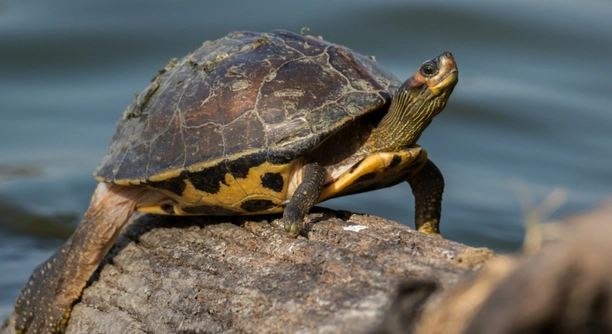
Do you ever find yourself wondering if your Indian roofed tortoise is ready for breeding? Age plays a crucial role in reproductive success, and identifying the right time ensures the health and well-being of your pet.
An Indian roofed tortoise is too young for breeding if it has not yet reached sexual maturity, which typically occurs around 8–10 years for females and 5–7 years for males. Size, shell development, and behavior also indicate readiness for reproduction.
Recognizing these signs is essential for responsible breeding. Understanding the growth stages of your tortoise helps prevent health complications and ensures successful reproduction when the time is right.
Signs Your Indian Roofed Tortoise Is Too Young for Breeding
An Indian roofed tortoise must reach a certain age and size before it is ready to breed. Males typically mature between 5 to 7 years, while females take longer, around 8 to 10 years. If your tortoise is smaller than the expected adult size—around 6 to 9 inches for females and 5 to 7 inches for males—it is likely too young. Shell development is another sign to consider. Younger tortoises have softer, less-defined shells, while mature ones have fully hardened and well-shaped carapaces. Behavior also changes with maturity. Juvenile tortoises tend to be more skittish, whereas adults become more territorial and display mating behaviors like head bobbing and following potential mates.
Size and behavior are important indicators, but health also matters. A tortoise that is too young may struggle with reproduction due to underdeveloped organs and weaker immune function.
Observing these physical and behavioral traits helps determine if your tortoise is ready for breeding. Rushing the process can cause health risks, including egg binding in females or stress in males. Proper monitoring ensures a safe and successful breeding experience when the time is right.
Why Age Matters in Breeding
A young tortoise may not have the strength or physical development needed for successful reproduction. Attempting to breed too early can lead to complications such as poor egg quality in females or low fertility in males.
Breeding at the right age improves the chances of healthy offspring. Female tortoises that are too young may not have the calcium reserves needed to form strong eggshells, leading to soft or deformed eggs. Males that have not fully matured may struggle to engage in successful mating behaviors. Additionally, breeding too early can shorten a tortoise’s lifespan due to excessive stress and nutritional deficiencies. Tortoises rely on their energy reserves for growth, and when that energy is diverted to reproduction too soon, it can result in stunted development.
Ensuring your tortoise reaches the right age before breeding contributes to its long-term health. Paying attention to size, shell hardness, and behavioral changes will help you determine when the time is appropriate. Breeding should always be done responsibly to promote the well-being of both the parents and their future offspring.
Physical Characteristics of a Tortoise Too Young for Breeding
A tortoise that is too young for breeding will have a smaller body size, a softer shell, and underdeveloped limbs. The plastron, or underside of the shell, may not be fully hardened, and the growth rings on the shell will be more pronounced.
Young tortoises often have a rounded, less-defined shell shape that gradually becomes more structured as they mature. Males will develop a concave plastron as they reach breeding age, which is absent in juveniles. Additionally, their tails will be shorter and thinner compared to mature tortoises, where males have longer, thicker tails. Female tortoises will have a more compact, less widened body structure when they are still too young to reproduce.
Observing these characteristics can help determine if your tortoise is ready for breeding. Rushing into the process can cause health risks, such as reproductive complications and stunted growth. Proper care and monitoring ensure a healthy and mature tortoise before considering breeding.
Behavioral Differences Between Young and Mature Tortoises
Juvenile tortoises are generally more timid and less territorial. They prefer hiding and avoiding interactions, while mature tortoises become more confident and active. Young males do not display mating behaviors like circling females or bobbing their heads aggressively.
As tortoises mature, their activity levels shift. Mature males often become more assertive, engaging in territorial behaviors like nudging and chasing. Female tortoises show signs of readiness by becoming more accepting of male advances and displaying nesting behaviors. Younger tortoises lack these instinctive behaviors, making them unprepared for breeding. Observing changes in movement, social interactions, and mating displays can provide clues about maturity.
Understanding these differences helps prevent premature breeding. Ensuring your tortoise reaches full maturity before introducing it to a mate supports its overall health and increases the chances of successful reproduction.
Growth Rate and Development Stages
Young tortoises grow at a slow but steady rate, with noticeable changes in size and shell hardness each year. A tortoise under five years old is usually too small for breeding, as its body is still developing. Proper diet and habitat conditions support healthy growth.
Shell texture and coloration also change over time. Juveniles have softer, more flexible shells that gradually harden as they mature. The scutes, or shell segments, develop distinct patterns and ridges as the tortoise ages. Monitoring these physical changes helps determine whether a tortoise has reached reproductive maturity.
Nutritional Needs of Young Tortoises
A young tortoise requires a well-balanced diet rich in calcium, fiber, and vitamins to support shell and bone development. Leafy greens, vegetables, and calcium supplements help strengthen the shell and prevent deformities. Without proper nutrition, a tortoise may struggle to grow, delaying reproductive readiness and increasing health risks.
Risks of Breeding Too Early
Breeding a tortoise too young can lead to egg binding in females and stress-related health issues in males. Underdeveloped reproductive organs may result in unsuccessful mating attempts, weak offspring, or serious complications. Ensuring a tortoise is fully grown before breeding helps prevent these risks and promotes a healthier life.
FAQ
What age is considered too young for an Indian Roofed Tortoise to breed?
An Indian Roofed Tortoise is typically too young to breed if it is under 5 years for males and 8 years for females. They need to reach a level of physical maturity before being bred. Mating before this age can cause health issues and impact the growth of both the tortoise and its potential offspring.
How can I tell if my tortoise is mature enough for breeding?
The best way to tell if your tortoise is mature enough for breeding is by looking at its size, shell hardness, and behavior. Mature males will show head-bobbing, chasing, or more territorial behaviors. Females, when ready, may show interest in nesting areas. Check their size—males should be at least 5 to 7 inches in shell length, and females should be 6 to 9 inches.
Can a tortoise breed at a smaller size?
Breeding a tortoise at a smaller size than recommended can cause physical problems. If a tortoise is not fully mature, it might have underdeveloped reproductive organs. This can lead to unsuccessful mating attempts, health issues, or problems with egg production in females. Waiting until the tortoise has reached proper maturity ensures better health for both the parent tortoise and the offspring.
What happens if I breed my tortoise too early?
Breeding your tortoise too early can result in egg binding in females, where the eggs don’t pass through properly. For males, they may not have developed enough to breed effectively, which can lead to frustration or stress. These problems can shorten the tortoise’s lifespan and hinder its health. It’s crucial to wait for full maturity before attempting breeding.
How do I know if my tortoise is fully grown?
A fully grown tortoise will have a fully hardened shell with a defined shape and size. Juvenile tortoises have smoother, softer shells that are still developing. As they grow, the scutes (the individual shell sections) become more defined, and the tortoise’s body becomes sturdier. Measuring the shell length and tracking growth can also help determine if your tortoise is fully grown.
What are the signs of a tortoise being ready to mate?
When a tortoise is ready to mate, males will display behaviors such as head-bobbing, chasing, or nipping at females. Females, when mature, may start seeking out areas to dig for nesting. Mating rituals vary, but these behaviors are often signs that your tortoise is reaching sexual maturity.
Can I breed my tortoise in captivity?
Yes, you can breed your Indian Roofed Tortoise in captivity, but you need to create the right environment for mating and nesting. A spacious enclosure with access to natural sunlight, proper humidity, and temperature control is essential. Females will need a suitable area to dig and lay eggs. Make sure the enclosure mimics their natural habitat as much as possible to increase the chances of successful breeding.
What should I feed my tortoise to prepare for breeding?
A well-balanced diet is crucial for a tortoise’s health and reproductive success. Include high-fiber vegetables, leafy greens, and calcium-rich foods. Some tortoises may also benefit from calcium supplements to strengthen their shell and bones, especially if they’re preparing for breeding. Make sure your tortoise’s diet is varied and contains enough nutrition to support reproductive health.
What should I do if my female tortoise lays eggs but doesn’t seem to be able to lay them?
If your female tortoise is having trouble laying eggs, this is called egg binding. It can be a serious health issue that requires immediate attention. Ensure the temperature and humidity levels in the enclosure are appropriate. If the issue persists, a vet may need to assist in removing the eggs or providing medical treatment. Regularly offering nesting sites can help prevent this problem.
Can male tortoises breed multiple times?
Yes, male tortoises can mate multiple times, as long as they are sexually mature and healthy. Male tortoises may breed with several females during a breeding season, but it’s important to ensure that they have sufficient time to rest between mating attempts. Over-breeding can stress out the male and affect his overall health.
How long does it take for an Indian Roofed Tortoise to reproduce?
The mating process can take anywhere from a few hours to several days, depending on the tortoises involved. Once mating has occurred, females usually lay eggs within a few weeks. The incubation period for the eggs varies based on environmental conditions, but it typically takes around 90 to 120 days for the eggs to hatch.
Is it necessary to separate tortoises when breeding?
In most cases, it’s not necessary to separate male and female tortoises once they’ve mated. However, if the male becomes too aggressive or if the female is not interested in mating, it might be best to separate them. Monitor their interactions closely to ensure the safety and well-being of both tortoises.
How can I ensure the health of my tortoise during breeding?
To keep your tortoise healthy during the breeding process, ensure it has a clean and safe environment. Provide proper nutrition, access to fresh water, and a habitat that suits its needs. Managing stress and providing enough space for the tortoise to move around are crucial. Regular check-ups with a vet can also help maintain good health.
Final Thoughts
Breeding an Indian Roofed Tortoise is a serious responsibility that requires careful consideration. It’s important to understand that these tortoises do not reach reproductive maturity until they are at least 5 to 10 years old. Attempting to breed them too early can lead to health issues for both the tortoises involved and any potential offspring. Ensuring your tortoise has reached the appropriate size, shell hardness, and maturity is crucial for successful breeding. It’s also essential to monitor their behavior, as mature males will show interest in mating through specific actions, while females will seek out places to lay eggs when they’re ready.
It’s not just about the right age, though. Your tortoises also need to be in a healthy and safe environment to breed. This means providing the proper temperature, humidity, and enough space for them to move around and engage in natural behaviors. If the conditions are not right, breeding may not be successful, or it can lead to stress and health problems. Preparing a suitable habitat is just as important as ensuring your tortoise is mature enough for reproduction. Maintaining their health through proper nutrition and regular check-ups with a vet will also play a key role in their ability to breed.
Finally, patience is essential when it comes to breeding tortoises. It can take time for your tortoises to reach full maturity, and rushing the process can have serious consequences. Taking the time to properly care for them and wait for the right age to breed is the most responsible approach. Whether you are looking to breed them for conservation purposes, to increase your tortoise population, or simply because you want to provide them with the opportunity to reproduce, remember that a healthy, mature tortoise is the key to a successful breeding experience.

Hello,
If you enjoy the content that we create, please consider saying a "Thank You!" by leaving a tip.
Every little bit helps us continue crafting quality advice that supports the health, happiness, and well-being of pets around the world, for pets of all shapes, sizes, and species.
We really appreciate the kindness and support that you show us!